The Liniment Cabinet — Medicine That Works Through Your Skin
Every culture that threw a punch, fell off a horse, or farmed rocky ground developed some tradition of rubbing wounded tissue with plants. In China, that tradition grew into one of the most sophisticated external medicine systems on earth — a pharmacy of liniments, balms, oils, and plasters, each designed for a specific tissue state.
The names tell the story: Dit Da Jow (跌打酒), 'hit medicine.' Zheng Gu Shui (正骨水), 'bone-setting water.' White Flower Oil. And dozens of warming balms that smell like camphor, menthol, and cinnamon — the scents themselves part of the therapy.
These aren't novelty rubs you buy at a souvenir shop. They're the workhorses of TCM traumatology — the branch of Chinese medicine that handles bruises, sprains, strains, fractures, and chronic joint pain. Walk into any TCM clinic in Asia and you'll find a drawer of these bottles, each pulled for a different injury pattern.
Compare this to a Western pharmacy's topical pain aisle. You've basically got two active ingredients: NSAID gels (diclofenac, ibuprofen) and capsaicin cream. Both useful. But crude. A proper Dit Da Jow might contain ten to twenty herbs, each with a specific job: safflower and myrrh move Blood and break up stasis. Frankincense moves Qi and stops pain. Menthol and camphor penetrate the skin and open the channels.
Dragon's blood resin promotes actual tissue repair.
The formula works like a small team: the penetrants breach the skin barrier, the blood-movers get circulation going, the pain-relievers settle the acute complaint, and the tissue-repair herbs rebuild what was damaged. All from a few drops massaged into the skin.
This article walks you through the liniment cabinet. What's actually in these bottles. How they work pharmacologically. Which one to grab when you bang your shin versus when your knees ache in cold weather. And — maybe most importantly — when NOT to use them. Because the first rule of topical medicine is the same as the first rule of all medicine: match the remedy to the pattern.
"The skin and flesh are the outermost barrier of the body, but the channels run through them like rivers through the earth. Medicines applied to the surface enter through the pores and travel along the channels to the deepest joints."
Blood Stasis — Why a Bruise Isn't Just a Cosmetic Problem
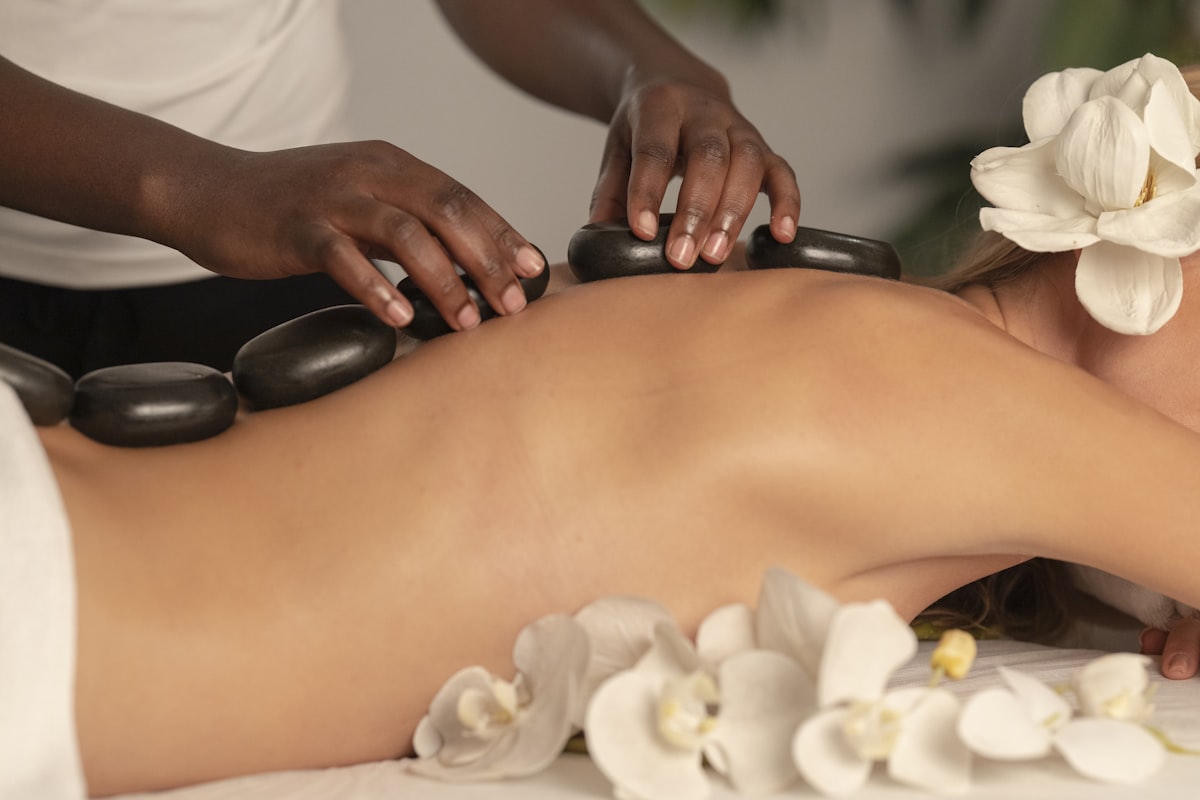
To understand why a bottle of herbal alcohol works better than diclofenac gel for a bruise, you need the single most important concept in TCM traumatology: Blood stasis (Yu Xue, 瘀血).
Sprain an ankle. Take a fall. Blood vessels tear. Blood leaks into tissue. That pooled blood — that's stasis. Congealed Blood that's no longer circulating. TCM says stasis is the root of most post-injury pain. It physically obstructs the channels. It blocks fresh circulation from reaching injured tissue. And it becomes a chronic irritant — something the body can't clear on its own schedule.
The bruise you see is stasis made visible. Western medicine treats the bruise as a cosmetic byproduct of the injury — something that'll fade on its own. TCM treats the stasis as the disease itself. The entire job of a liniment is to disperse it.
This is where blood-moving herbs earn their reputation. Safflower (Hong Hua, 红花) is the textbook example: it increases microcirculation, dilates small vessels, and has antiplatelet activity that keeps fresh blood from clumping into more stasis. Myrrh (Mo Yao, 没药) and frankincense (Ru Xiang, 乳香) are the legendary trauma pair — myrrh invigorates Blood and reduces swelling, frankincense moves Qi and stops pain.
Together they show up in nearly every injury formula in the Chinese pharmacopeia. Dragon's blood (Xue Jie, 血竭) is a deep-red resin that both moves stasis and promotes tissue repair — the wound-healing specialist of the group.
Modern pharmacology has caught up with what practitioners observed for centuries. Blood-moving botanicals increase local blood flow. They reduce edema. They modulate inflammation. They accelerate clearance of extravasated blood from tissue.
A 2017 review in Evidence-Based Complementary and Alternative Medicine found that topical herbal preparations for musculoskeletal pain showed meaningful benefit across multiple randomized trials — strongest effects on bruising, sprain recovery, and soft-tissue pain.
And the alcohol base? It's not just a solvent. High-proof alcohol (50–70%, the traditional steep) is itself a penetrant. It disrupts the skin's lipid barrier, carrying the herbs' volatile oils and resin constituents several millimeters deep — into the dermis and subcutaneous tissue where bruises and sprains actually live.
Menthol and camphor — present in nearly every liniment — then act as counterirritants and local vasodilators, creating that familiar warming-cooling sensation and driving more blood to the surface.
The result is a four-step cascade: penetration, vasodilation, stasis dispersal, tissue repair. From a few drops massaged into the skin.
- Rub liniments in with the grain of the muscle fibers using firm, circular strokes for 2-3 minutes — friction generates heat that further dilates vessels and helps the herbs penetrate.
- For maximum absorption, apply after a warm shower when pores are open — or cover the treated area with a loose cloth for 20 minutes afterward.
- If you're on blood thinners (warfarin, apixaban) or have a bleeding disorder, talk to your doctor before using blood-moving liniments on anything beyond a minor bruise.
"Where there is obstruction, there is pain; where there is free flow, there is no pain. Stasis is obstruction — and to move the Blood is to open the way."
Dit Da Jow — The Martial Artist's 'Hit Medicine' for Fresh Injuries
Dit Da Jow (跌打酒). Fall-hit wine. The hit medicine of Chinese martial arts. Every traditional kung fu school had its own formula — usually a closely guarded secret, steeped for weeks or months in high-proof liquor, applied generously after sparring, falls, and impact training.
The martial arts connection isn't a marketing angle. Fighters and acrobats are the people who need rapid recovery from soft-tissue trauma the most, and the Dit Da tradition evolved over centuries of real-world testing on real injuries. That's what gives it its credibility — this isn't a lab-derived protocol. It's a battlefield-tested one.
What's actually in a classic Dit Da Jow? The core is blood-movers and stasis-breakers: safflower (Hong Hua), myrrh (Mo Yao), frankincense (Ru Xiang), and often dragon's blood (Xue Jie). Around this core sit channel-opening penetrants — menthol, camphor, sometimes cinnamon twig — plus astringent herbs that help hold tissue together and arrest micro-bleeding from fresh injury.
Some lineage formulas add bone-knitting herbs like Xu Duan (Dipsacus, whose name literally means 'restore what is broken').
The clinical niche is specific. Dit Da Jow is the liniment for FRESH, LOCALIZED, TRAUMATIC injury. The bruise from yesterday. The ankle you sprained on Tuesday. The shoulder you jammed in the gym this morning. The TCM reasoning: fresh stasis is movable. It's congealing blood that can still be broken up and carried away if circulation gets restored.
The longer stasis sits, the more organized and entrenched it becomes, and the slower it clears.
The classic protocol: apply Dit Da Jow 3–4 times daily, starting immediately after injury — once initial bleeding has stopped. Wait 24–48 hours if there's an actively expanding hematoma; you don't want to stir up fresh bleeding. Massage it in gently. Firm enough to work the herbs in, gentle enough to avoid aggravating torn tissue. You should feel mild warmth and tingling. That's the blood moving.
I'll return to the cyclist I mentioned. Fist-sized hip hematoma. Dit Da Jow four times a day. No massage over the worst area — just light patting. By Day 5, the bruise had faded roughly 70%. The physical therapist asked what he was using because the standard expectation for a hematoma that size is two to three weeks of visible discoloration.
That's the Dit Da Jow difference. It doesn't mask the pain. It breaks down the pooled blood that's causing it.
- Apply Dit Da Jow within the first 24-48 hours of a bruise or sprain for the fastest stasis dispersal — but avoid vigorous massage over an actively swelling hematoma.
- Never use Dit Da Jow on open wounds or broken skin — the alcohol stings and the herbs are not meant for the bloodstream.
- Real Dit Da Jow should smell strongly herbal and alcoholic, and often has visible sediment (herb dregs) — thin, perfumy 'liniment' products are usually not the real thing.
"When a fall or a strike injures the flesh, the Blood congeals where the injury lands. If it is not dispersed within three days, it becomes stasis — and stasis breeds pain, swelling, and lasting injury."
Zheng Gu Shui — Bone-Setting Water for Deep, Old Joint Aches
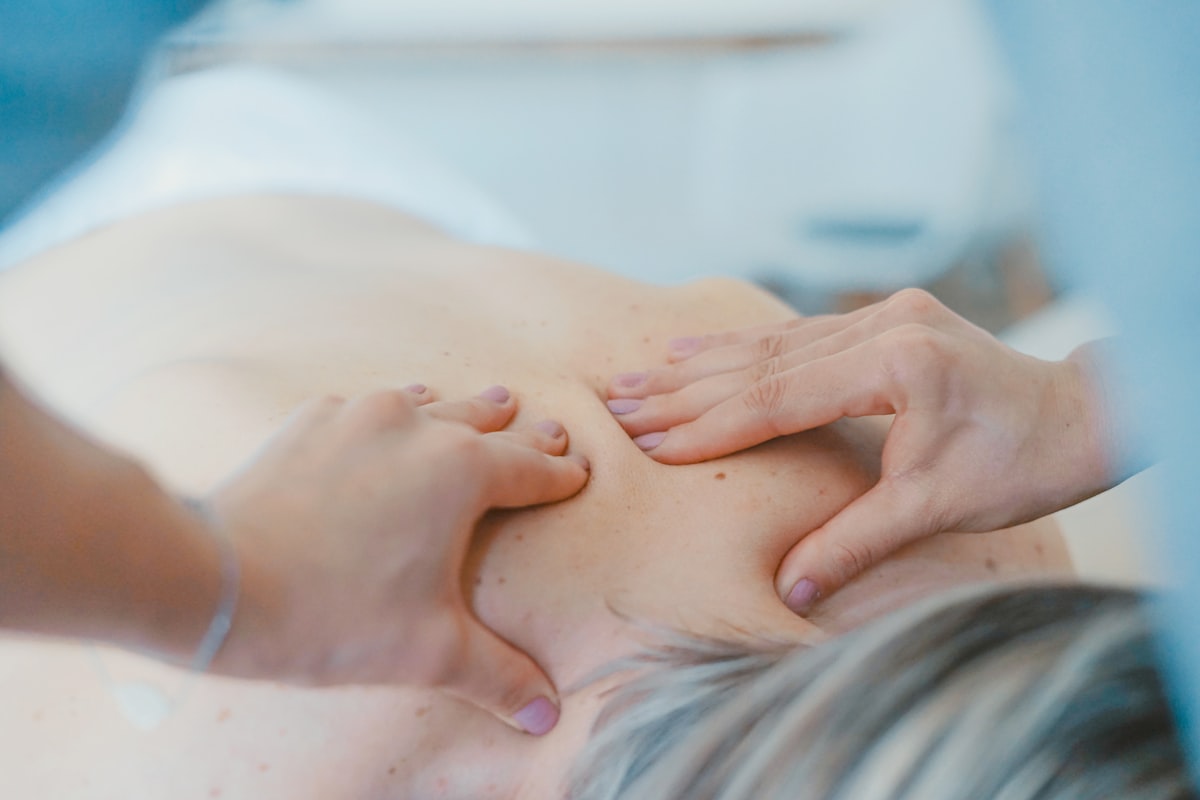
If Dit Da Jow is the martial artist's bruise medicine, Zheng Gu Shui (正骨水) is the orthopedic surgeon's liniment.
'Zheng Gu' means 'to set the bone.' The term comes from TCM traumatology's bone-setting specialty — the branch that handles fractures, dislocations, and joint injuries. Zheng Gu Shui is the external partner of that tradition: a deep-penetrating liniment made for the tissue around and adjacent to bone. Periosteum. Ligaments. Joint capsules. The deep tendinous attachments that ache when joints ache.
The formula typically combines the same blood-moving core as Dit Da Jow — safflower, myrrh, frankincense — with bone-and-ligament herbs: Xu Duan (Dipsacus, 'restore what is broken') and Du Zhong (Eucommia bark), the classic sinew-and-bone strengthener from the Shen Nong Ben Cao Jing.
What distinguishes Zheng Gu Shui clinically is depth and timing. Dit Da Jow targets the surface stasis of a fresh bruise. Zheng Gu Shui targets the deep, lingering ache of an injured or overused joint. The knee that's been sore for a month after a fall. The ankle that aches every time cold weather rolls in, years after a bad sprain. The elbow that complains when you lift groceries.
In TCM terms, these are injuries where acute stasis has settled into chronic stagnation. The channels are still blocked — less dramatically than a fresh bruise, but deeper and more stubborn. The surrounding tissue, bone-adjacent and joint-deep, needs a formula that reaches further.
The clinical niche: deep joint aches. Old injuries that flare up. Post-exercise joint soreness. The dull pain of early osteoarthritis in knees, elbows, wrists, and the lower back. It's also the traditional go-to after cast removal — when a healed fracture's surrounding tissue is stiff, atrophied, and aching, and circulation needs to be restored.
Application is the same ritual: a few drops massaged into the joint for 2–3 minutes, 2–3 times daily. The warm sensation and deep herbal aroma — Zheng Gu Shui's camphor-mint signature is strong and unmistakable — are the sensory confirmation that it's reaching the right depth.
It pairs well with the rest of the TCM joint protocol. Apply after a warm soak or gentle stretching, and the herbs ride the improved circulation deeper into the joint. One note: because Zheng Gu Shui penetrates deeply and carries strong blood-movers, don't use it over actively swelling tissue from a very fresh injury.
Wait for the acute phase to settle — usually 48–72 hours — then let the bone-setting water do its deep work.
- Zheng Gu Shui shines on deep, chronic joint aches — old injuries, post-cast stiffness, weather-sensitive joints — where surface liniments can't reach.
- Pair it with gentle joint movement: apply after stretching or a warm soak so the herbs ride the improved circulation deeper into the joint.
- For very fresh injuries (first 48 hours), stick to Dit Da Jow or gentle cold — save the deep-penetrating Zheng Gu Shui for once acute swelling settles.
"To set the bone, first move the Blood. To move the Blood, first open the channels. When the channels are open and the Blood moves, the injury repairs itself."
Warming Balms — When Your Joints Ache Every Winter
Now we switch shelves. From the trauma shelf to the chronic pain shelf.
If your joints ache in winter, stiffen when weather turns cold and damp, and feel dramatically better after a hot shower — you have what TCM calls Cold-Bi. Pathogenic Cold and Dampness lodged in the channels, congealing Qi and Blood, producing fixed, weather-sensitive pain.
The warming balm is your medicine. And it's doing something different from what Dit Da Jow or Zheng Gu Shui do. Those move stasis. Warming balms dispel Cold. In TCM, that's a separate job entirely.
Cold contracts. Warmth relaxes. Cold congeals Blood. Warmth restores its flow. A warming balm's entire design is to deliver deep, sustained heat to a cold, stiff joint.
The classic warming ingredients are the Yang-generating spices of the Chinese pharmacopeia: cinnamon twig (Gui Zhi — the quintessential channel-warmer), clove, ginger, Sichuan pepper, capsicum. Usually carried in a beeswax or oil base with camphor for penetration.
These herbs contain volatile warming oils — cinnamaldehyde, eugenol, gingerol, capsaicin — that produce a prolonged, comfortable heat as they dilate local vessels and stimulate warm-sensing nerves. The exact physiological opposite of what cold contraction does.
This is also the shelf where the practitioner's own compounding comes in. My personal winter balm is beeswax, cinnamon, ginger, clove, and a touch of menthol for penetration — melted together, poured into tins, handed to patients whose knees and lower backs ache in cold months. You can buy excellent versions.
But there's a tradition of making your own, and it's surprisingly simple with quality essential oils and a slow cooker.
When to use a warming balm: cold-weather joint pain. Morning stiffness that eases with heat. Knees that ache on the stairs in January. Lower back pain that loves a heating pad. The general category of chronic Cold-Damp Bi — the single most common joint pattern I see in northern-climate clinics.
The application ritual matters: warm the joint first (shower, heating pad, or even just friction from your hands). Apply the balm with slow firm strokes. Then — and this is the part most people skip — keep the joint warm afterward. Wrap it. Wear a layer. Don't let the heat dissipate into a cold room. The TCM principle: the warmth you just delivered IS the treatment.
Letting cold re-enter immediately afterward is undoing the work.
One honest caveat: warming balms should NEVER go on hot, red, inflamed joints. If a joint is swollen, hot to the touch, and angry — that's Heat-Bi. Warming it is like throwing fuel on a fire. Save the balm for the cold pattern. For the hot one, use cooling treatments or — sometimes — nothing at all.
- Warm the joint before applying a warming balm, then keep it covered afterward — the delivered heat IS the treatment, and cold re-entry undoes it.
- Use warming balms only for cold-pattern pain (better with heat, worse in winter). Red, hot, swollen joints need the opposite — never apply warming balm to an actively inflamed joint.
- A simple DIY winter balm: melt 1 part beeswax with 3 parts oil, stir in 10-15 drops each of cinnamon, ginger, and clove essential oils plus 5 drops of peppermint, and pour into tins to set.
"Cold causes contraction; warmth causes relaxation. When Cold lodges in the joints, the Qi and Blood congeal and the joints stiffen. Warming the channels disperses the Cold and restores movement."
White Flower Oil and Essential Oil Blends — Tension Headaches Meet the Liniment Cabinet
Not every liniment is for joints. Some of the most popular Chinese topicals are aimed at the neck, shoulders, and head — the territory of muscle tension, stress headaches, and what TCM calls constrained Liver Qi (Gan Yu Qi Zhi). That's the stagnation that builds when stress, hours at a desk, and emotional pressure lock up the neck and shoulder muscles and send tension climbing into the head.
The star of this category is White Flower Oil (Bai Hua You, 白花油). Singapore-born. A blend of wintergreen, lavender, eucalyptus, and peppermint oils. A medicine-cabinet staple across Asia for nearly a century.
The combination is the genius of it. Wintergreen (methyl salicylate — a natural relative of aspirin) and eucalyptus handle the analgesic, anti-inflammatory side. Peppermint (menthol) provides the cooling, penetrating sensation that distracts and relaxes tense muscle. Lavender adds the calming note — directly addressing the stress component rather than just the muscular one.
Classic use: a few drops massaged into the temples, behind the ears, and down the neck at the first hint of a tension headache. The cooling sensation itself interrupts the pain cycle. Meanwhile, the oils relax the suboccipital and upper trapezius muscles that feed most tension headaches. Sinus pressure? A drop rubbed on the forehead with eyes closed — the menthol vapor eases congestion.
In TCM thinking, these oils disperse constrained Qi and open the portals of the head — clearing what's clouded, refreshing what's weary.
The broader category of essential oil blends is worth flagging here. The TCM external medicine tradition overlaps with aromatherapy more than most people realize. The penetrating aromatics — menthol, camphor, eucalyptus, peppermint, wintergreen, clove — are the 'aromatic orifice-opening' herbs of the pharmacopeia.
They've been used for thousands of years to move Qi, clear the senses, and relieve stagnation wherever it settles. Modern neck-and-shoulder balms sold in every drugstore are direct descendants of this tradition, working on the same principles: local vasodilation, counterirritation, muscle relaxation, and the olfactory pathway — the scent itself signals the nervous system to unwind.
Practical advice: for tension headaches and desk-neck, apply to temples, back of neck, and upper traps — 2–3 times daily. Pair with a 5-minute neck stretch. And — this is the TCM part — address the constraint at its source: posture breaks, breathing, and the emotional load that keeps your shoulders up near your ears. The oil relieves the symptom. Releasing the constraint prevents the next headache.
- Keep a bottle at your desk — a few drops on the temples and neck at the first hint of a tension headache interrupts the cycle before it builds.
- For sinus congestion, rub a drop on the forehead with eyes closed; the menthol vapor opens the nasal passages.
- Avoid getting essential oil blends near your eyes — the cooling sensation becomes burning fast. Wash hands after applying.
"Mint and camphor open the portals of the head, disperse Wind and Heat, and lead the turbid Qi downward. They clear what is clouded and refresh what is weary."
How to Choose the Right Liniment — and How to Apply It Correctly
Here's the decision framework. The part you'll actually use. Three questions before you open any bottle.
Question one: what kind of tissue state? Fresh traumatic injury — bruise, sprain, impact, visible swelling, recent onset — means Dit Da Jow. Deep, chronic joint ache — old injury, weather-sensitive, bone-adjacent — means Zheng Gu Shui. Cold-pattern stiffness — better with heat, worse in winter — means a warming balm. Tension in the head and neck — White Flower Oil or an essential oil blend.
Question two: is there active inflammation? If a joint is red, hot, and swollen — that's Heat. It wants cooling, not warming, and certainly not aggressive blood-moving massage. When in doubt, gentle and neutral beats aggressive and wrong.
Question three: is the skin intact? This is the hard safety line. None of these liniments go on broken skin, open wounds, or rashes. The alcohol and strong botanicals aren't meant for the bloodstream. And the sting is unpleasant at best, harmful at worst.
Now, the application technique — which most people get wrong. Liniments absorb through friction and warmth, not through sheer quantity. The correct protocol:
1. Wash and dry the area. Open pores, clean surface.
2. Dispense a small amount — a few drops, not a puddle — into your palm.
3. Massage into the skin with firm, circular strokes for 2–3 minutes, working along muscle fibers, until the area feels warm and the liniment has been absorbed rather than sitting on the surface.
4. For deep joints, follow with 5 minutes of gentle movement or a warm wrap.
5. Apply 2–4 times daily, not continuously. The herbs need time to work between applications.
Hand hygiene afterward — these products are potent, and camphor-mint residue on your fingers finds your eyes eventually.
Safety, complete list: never on broken skin, open wounds, or over a fresh hematoma that's still expanding (wait 48 hours). Avoid during pregnancy — several of these herbs (myrrh, safflower, frankincense) are traditionally contraindicated in pregnancy, even topically. Caution with blood thinners. Stop if skin becomes irritated or blistered — mild transient reddening is normal, a persistent rash is not.
Keep away from eyes and mucous membranes. Children and the elderly should use gentler formulas in smaller amounts.
A final note on expectations. Liniments accelerate recovery and relieve pain. They don't replace the fundamentals — rest, ice when appropriate, movement as healing progresses, and professional care for anything that doesn't improve, involves deformity or inability to bear weight, or comes with systemic symptoms. The liniment cabinet is powerful medicine. Use it with the respect it deserves.
- The three-question filter: fresh injury → Dit Da Jow; deep chronic joint ache → Zheng Gu Shui; cold-stiff joints → warming balm; tension head/neck → essential oil blends.
- Small amount, firm friction, 2-3 minutes — absorption is the goal, not coverage. A puddle of liniment on the skin is wasted liniment.
- Pregnancy, open wounds, blood thinners, and worsening symptoms are the four hard stop signs — when in doubt, consult your practitioner before you rub.
"Match the medicine to the pattern, and the pattern to the person. What disperses a fresh bruise will not reach a deep joint; what warms a cold joint will inflame a hot one."