Why One Diet Doesn't Fit All (And TCM Figured This Out 2,000 Years Ago)
The same bowl of oatmeal that leaves one person energized leaves another person feeling like they've swallowed a brick. A keto diet that clears up one person's acne can trigger hot flashes in the woman at the next table. Every few years a new eating approach takes over the wellness world — and every few years I treat the people it failed.
TCM has used a different question for millennia: what's the best diet for *you*, right now? Not in theory, not for an averaged human, but for the specific baseline state your body is sitting in.
That's the 9-Constitution classification system (Jiu Ti Zhi). Nine baseline body states, derived from the interplay of Qi, Blood, Yin, Yang, and fluids. One of them — the Balanced type — is the constitutional ideal. About 10-15% of people live there most of the time.
The other eight are imbalance patterns: Qi Deficient (exhausted, weak immunity), Yang Deficient (always cold), Yin Deficient (dry and overheated), Phlegm-Damp (sluggish and congested), Damp-Heat (oily and inflamed), Blood Stasis (stagnant and achy), Qi Stagnation (tense and emotionally reactive), and Special/Allergic (constitutionally reactive).
Here's what matters: your constitution determines how your body responds to food. A warming, high-fat diet like keto is exactly right for a Damp-Heat person dealing with phlegmy congestion — but it's genuinely harmful for a Yin-Deficient person whose body is already running dry and hot. Raw salads that energize a Yang-Deficient person will leave a Qi-Deficient person bloated and exhausted.
The same rules do not produce the same results in different bodies. Modern nutrition science confirmed this from a different angle in 2018: a landmark Cell study showed that identical meals produced dramatically different blood-sugar responses in different people. One-size-fits-all dietary advice was scientifically indefensible, and TCM had been saying this for two thousand years.
- Constitutions describe tendencies, not verdicts. Most people have one dominant pattern plus traces of 1-2 others — treat the framework as a compass, not a cage.
- Your constitution can shift with season, stress, pregnancy, illness, and age. Re-test every 3-6 months.
- A 'wrong' food for your constitution isn't forbidden forever — it's a food to eat rarely, in small amounts, cooked properly, or only in its correct season.
"The sages treated disease by first examining the constitution of the patient — their strength or weakness, their fat or thinness, their yin or yang — and only then administering treatment."
The Self-Test: Figure Out Your Constitution in 5 Minutes
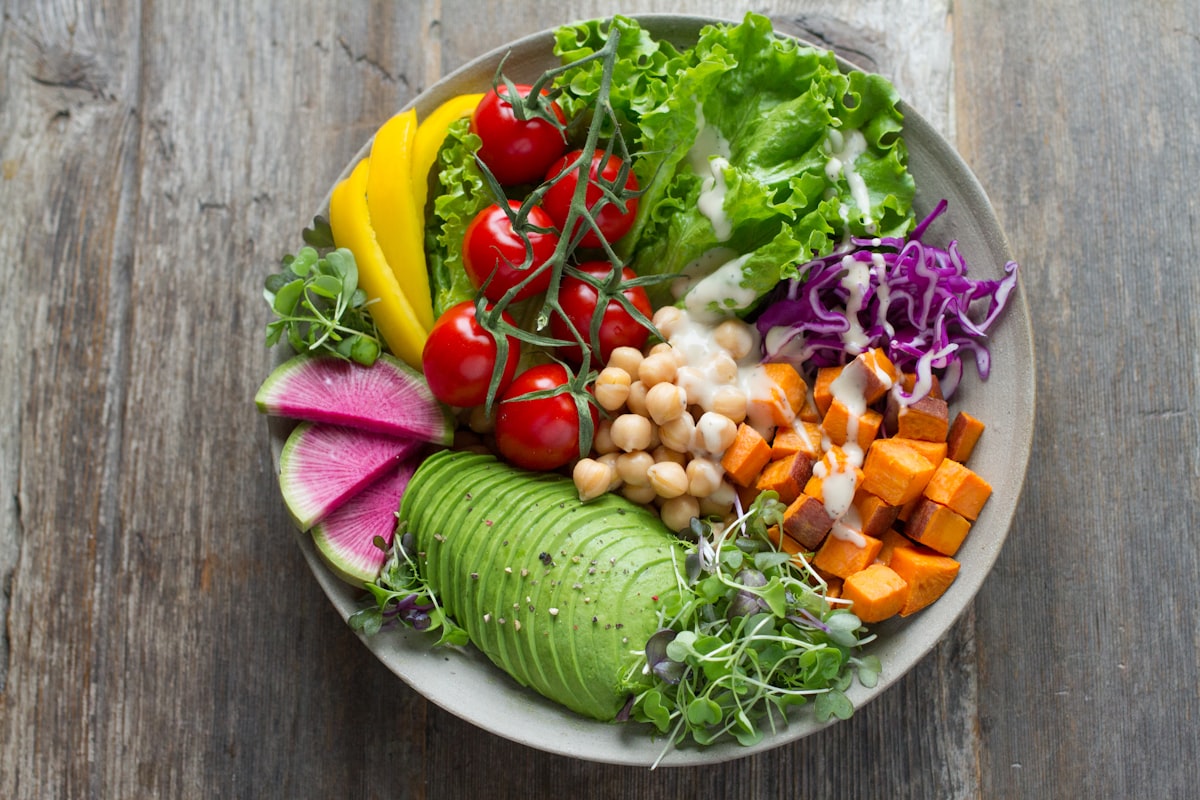
This checklist isn't perfect — no questionnaire is — but it's a solid starting point. Read each cluster of three statements. Give yourself 1 point for each one that describes you most of the time (not occasionally, not on a bad day). The cluster with the highest score is your dominant constitution.
Cluster 1 — Balanced: Steady energy all day; rarely get sick; digestion, sleep, and mood are stable. Cluster 2 — Qi Deficient: Tired even after 8 hours of sleep; breathless after mild activity; catch every cold that goes around. Cluster 3 — Yang Deficient: Cold hands and feet even indoors; need more layers than others; have loose stools and feel an internal chill.
Cluster 4 — Yin Deficient: Hot in palms, soles, and chest, especially at night; dry skin, lips, eyes, and throat; night sweats, dark urine, thin tongue coating. Cluster 5 — Phlegm-Damp: Body feels heavy, head foggy; gain weight easily around the belly; thick tongue coating, sticky mouth, chronic congestion.
Cluster 6 — Damp-Heat: Oily face and scalp with acne; bitter taste in mouth, bad breath, body odor; sticky stools, worse in hot humid weather. Cluster 7 — Blood Stasis: Bruise easily; dark circles, dull skin tone; fixed stabbing pains that worsen at night. Cluster 8 — Qi Stagnation: Emotionally tense, sigh frequently; lump-in-throat sensation; chest and flanks feel tight, symptoms worsen with stress.
Cluster 9 — Special/Allergic: Allergies to foods, pollen, dust, or medications; hives, eczema, or asthma; react to things others tolerate easily.
Scoring: 0-1 points in a cluster means that pattern isn't active for you. A dominant cluster (2-3 points) identifies your main imbalance. If two clusters tie, read both sections — start with the one whose symptoms bother you more. This is a screening tool, not a diagnosis. For persistent or confusing symptoms, see a licensed TCM practitioner who can read your pulse and tongue.
- Take the test on a normal day, not during illness, a stressful week, or the day after a big meal — acute states distort your baseline.
- Ask someone who lives with you for their observations. Partners notice your cold hands or afternoon energy crashes more objectively than you do.
- This self-test is a screening tool, not a diagnosis. For serious or persistent symptoms, see a licensed TCM practitioner for a proper pulse and tongue assessment.
"The tongue is the sprout of the Heart, the mirror of the internal organs. Its color, coating, and moisture reveal the state of Qi, Blood, Yin, Yang, and fluids."
Types 1-3: The Balanced, Qi-Deficient, and Always-Cold Types
Type 1 — Balanced (Ping He Zhi):
Steady energy, sound sleep, normal appetite, rare illness, quick recovery. This is the constitutional ideal. Most people only visit here in their best seasons. Food rules: eat a wide variety of whole foods across all five flavors and all four natures. You're the only constitution with real freedom — and the only one who can really mess it up with chronic excess.
Years of heavy alcohol, sugar, and deep-fried food will pull even a Balanced person into an imbalance. Sample day: warm congee with egg and scallion for breakfast; a grain bowl with roasted vegetables and grilled fish for lunch; a light vegetable soup with a small portion of chicken for dinner.
Type 2 — Qi Deficient (Qi Xu Zhi):
I had a patient — I'll call her Linda — who came in exhausted at 38. She'd been eating 'clean' for two years: salads, smoothies, intermittent fasting. Her energy was worse than before she'd started. Tongue: pale, scalloped edges. She was Qi Deficient. Her digestive system was weak (Spleen Qi was sinking), and raw cold food was further burdening it.
Qi is the body's fuel and its defense. Deficiency means you're running on fumes and picking up every bug. Core signs: chronic fatigue, weak voice, shortness of breath, loose stools, tongue with tooth marks on the edges. Food rules: warm, cooked, easily digested foods that build Qi. Think congee, oats, sweet potato, chicken, eggs, red dates, Chinese yam. A slow-cooked astragalus broth became Linda's secret weapon.
In two weeks, her energy shifted. Small frequent meals beat three large ones — a weak Spleen handles small loads well and large loads poorly.
Avoid: raw salads, cold smoothies, iced drinks, excessive dairy, greasy food. These tax a weak digestive system.
Type 3 — Yang Deficient (Yang Xu Zhi):
Margaret was 52, perimenopausal, and convinced she was hypothyroid. All her labs came back normal. She was cold — hands, feet, low back, joints — low energy, loose stools, poor circulation, frequent urination. Her metabolism was running cold. That's Yang Deficiency.
Yang is the body's metabolic fire. When it dims, everything runs slower and colder. Food rules: warming, thorough cooking. Never raw, never cold. Lamb, chicken, ginger, cinnamon, leeks, walnuts — these are medicine. Everything that comes out of the refrigerator needs to be heated first. Margaret ate braised lamb with root vegetables three times a week.
Within six weeks, she stopped reaching for blankets in the office. She still slips sometimes — a salad, a cold smoothie — and I tell her the same thing every time: if it came out of the refrigerator, cook it first.
- For Qi Deficient types, smaller frequent meals beat three large ones — a weak Spleen processes small loads well and large loads poorly.
- For Yang Deficient types, cooking method is medicine: slow braises, soups, and stews add warmth that raw or lightly cooked food cannot.
- Ginger is the universal warming ally — add a few slices to congee, tea, or broth daily if you run cold.
"Qi is the commander of Blood. Where Qi moves, Blood follows; where Qi is deficient, all functions weaken. The Spleen is the root of postnatal Qi."
Types 4-6: The Dry-Hot, Congested-Swamp, and Oily-Inflamed Types
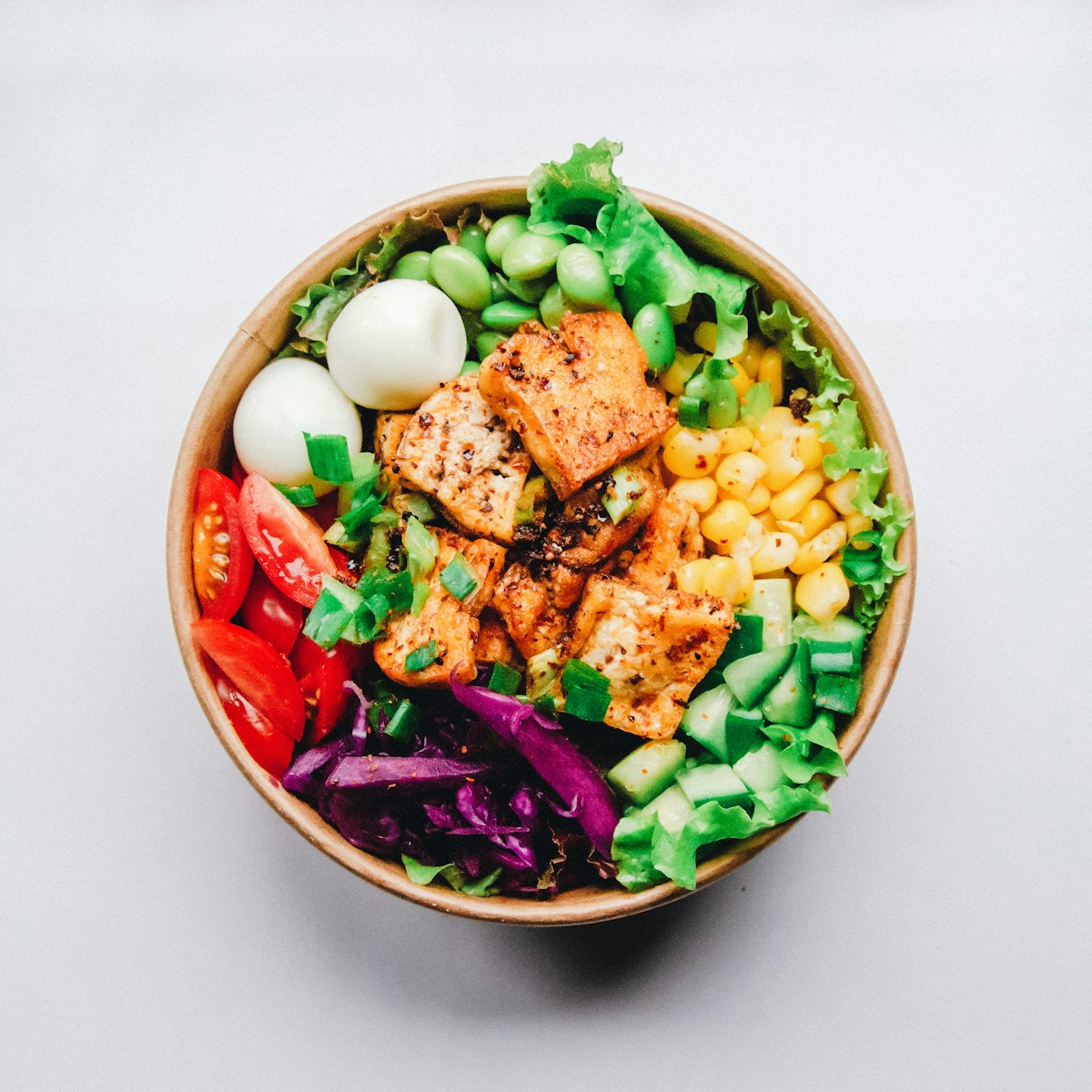
Type 4 — Yin Deficient (Yin Xu Zhi):
Amy, 46, perimenopausal, came in complaining of hot flashes that woke her at 3 a.m., dry mouth that made sleep impossible, and constipation. She'd been on keto for eight months and was 'doing everything right.' The keto diet is warming and drying. Amy was Yin Deficient — she was already dry and hot.
Yin is the body's cooling, moistening fluid. When it depletes, dry heat builds from within. Core signs: heat in palms, soles, and chest (especially at night), dry skin and mucous membranes, night sweats, scanty dark urine, tongue with little or no coating. Food rules: cooling, moistening foods that replenish Yin fluids. Duck, pork, tofu, barley, pears, cucumber, goji berries, chrysanthemum tea.
I took Amy off keto — it was adding fire to a fire — and within three weeks her night sweats resolved. Her tongue coating, which had been nearly absent, started to come back. The keto diet is uniquely harmful for Yin-Deficient types because it's warming and drying in precisely the way your body can't handle.
Type 5 — Phlegm-Damp (Tan Shi Zhi):
Raymond, 44, desk job, ate out most meals. He described his body as 'heavy all the time,' his head as 'wrapped in cotton,' and his digestion as producing 'something that should not exist.' Thick white tongue coating. Thick midsection fat that wouldn't move despite CrossFit four times a week.
Dampness is internal humidity — sluggish, heavy, congesting. His diet was manufacturing it: frequent sugar, dairy, refined carbs, beer. We switched him to barley, mung beans, radish, and celery. m. Lean white fish. Small amounts. After three months, he'd lost eleven pounds without a single calorie count. The practical heuristic: if it's white, sweet, greasy, or fried, it's feeding your dampness.
If it's green, bitter, light, or brothy, it's helping.
Type 6 — Damp-Heat (Shi Re Zhi):
Different pattern, same patient type in terms of confusion. David, 29, came in convinced he had a skin condition. Oily face, acne that no dermatologist could resolve, bitter taste in his mouth in the morning, body odor, sticky stools that required excessive wiping. Symptoms worse every summer.
Dampness plus heat — like a steam bath that doesn't drain. For David, counterintuitively, a moderate lower-carb approach actually helped. Damp-Heat types often respond well to fat restriction plus reduced sugar because it dries the dampness. We leaned into bitter foods: bitter melon, cucumber, winter melon, barley, mung beans, green tea. Alcohol eliminated entirely. Within six weeks, his skin began to clear.
After three months, the body odor was gone.
- For Damp types, the simplest rule: if it's white, sweet, greasy, or fried, it's probably feeding your dampness. If it's green, bitter, light, or brothy, it's probably helping.
- For Yin Deficient types, hydration matters — not just water but moistening foods: soups, stews, pears, and cooked grains retain the moisture your body needs.
- Damp-heat types should watch alcohol and sugar together — they are the single worst combination for this constitution, especially beer and sweet cocktails.
"When dampness and heat combine, they are like wet firewood — the dampness binds the heat and the heat steams the dampness, producing congestion, discharge, and inflammation."
Types 7-9: Stagnant Blood, Blocked Qi, and the Allergy-Prone Body
Type 7 — Blood Stasis (Xue Yu Zhi):
Circulation is the story here. When blood doesn't move freely, it leaves marks: easy bruising, dark circles, a dull or dusky skin tone, spider veins. In women, painful periods with dark, clotted blood. Fixed stabbing pains that feel worse at night and don't move when you change position.
Food rules: move the blood, warm the channels. Onions, garlic, turmeric, ginger, vinegar, hawthorn berry, salmon, sardines, dark leafy greens. Avoid ice-cold drinks — cold congeals blood and makes the stagnation worse. The food list alone isn't enough; combine it with daily movement. Twenty minutes of walking, qi gong, or tai chi is food for stagnant blood that no food can replace.
Type 8 — Qi Stagnation (Qi Yu Zhi):
This is the stress constitution. Emotional tension, frequent sighing, a sensation of something stuck in the throat that won't clear, chest and flank tightness, mood that swings with stress. Digestion often ties in — cramping, bloating, irregular stools that flare when emotions spike.
Qi Stagnation is blocked energy flow — like a river with a dam. The Liver governs the smooth movement of Qi and emotions. Food rules: mint, chamomile, rose tea, citrus peel (chen pi), radish, celery, buckwheat. But honestly, the most powerful intervention for this type is how you eat, not what you eat. Eating slowly and calmly — really slowly, really calmly — moves Qi.
A rushed, stressful meal creates stagnation on top of stagnation. I tell my Qi Stagnation patients: your body doesn't just need the right foods, it needs to eat without cortisol.
Type 9 — Special/Allergic (Te Bing Zhi):
The allergic constitution. The immune system overreacts to ordinary stimuli: foods, pollen, dust, medications, temperature changes. Hives, eczema, asthma, hay fever. A constitutionally sensitive system.
Food rules: neutral, gentle, anti-inflammatory foods. Identify triggers and strictly avoid them. Keep the digestive barrier strong — TCM holds that Spleen weakness underlies many allergic presentations. Rice congee, yam, pumpkin, cabbage, warm broths. Use a food diary for 2-4 weeks: food, symptom, timing. Patterns emerge quickly and tell you more than any allergy panel.
Plain rice congee with a soft egg for breakfast; steamed chicken and vegetables for lunch; pumpkin and yam soup for dinner. A deliberately boring, gentle day that lets the immune system rest.
- For Blood Stasis, combine diet with movement — walking, qi gong, or tai chi daily. Stagnant blood cannot be fixed by food alone.
- For Qi Stagnation, eat slowly and calmly. Qi moves with breath and mood; a rushed, stressful meal creates stagnation no matter what's on the plate.
- For Special Constitution, keep a trigger journal: food, symptom, timing. Patterns emerge within 2-4 weeks and are worth more than any allergy panel.
"The Liver governs the free-flowing movement of Qi. When the Liver is harmonious, Qi flows smoothly and the emotions are at ease; when it stagnates, constraint gives rise to depression, sighing, and a lump in the throat."
The One-Page Cheat Sheet

Bookmark this section. Come back to it every time you're at the grocery store or ordering food.
Balanced: You're lucky — eat a wide variety of whole foods. Your only job is not to destroy a good thing with chronic excess.
Qi Deficient: Warm, cooked, simple food builds your fuel. Raw and cold food drains it.
Yang Deficient: Your body runs cold. Eat warming foods at every meal. Lamb, chicken, ginger, cinnamon, leeks. No raw anything.
Yin Deficient: You run dry and hot. Moisten and cool: duck, tofu, barley, pears, chrysanthemum tea. Stay away from anything warming and drying — especially keto-style high-fat diets.
Phlegm-Damp: You're fighting internal humidity. Light, drying, aromatic foods. Barley, mung beans, radish, celery. If it's white, sweet, greasy, or fried, skip it.
Damp-Heat: You're a steam bath that needs to drain. Bitter, cooling, drying foods. Bitter melon, cucumber, winter melon, green tea. Alcohol is the single worst thing for you.
Blood Stasis: Your blood moves too slowly. Eat to circulate: onions, turmeric, ginger, vinegar, hawthorn berry, salmon. Move every day — food alone won't fix this.
Qi Stagnation: Your Qi is dammed up. Eat moving foods — mint, rose, citrus peel, radish — but the real medicine is eating slowly and without stress.
Special/Allergic: Keep it boring and gentle. Rice congee, yam, pumpkin. Know your triggers and avoid them. A food diary will teach you more than any test.
- The one-line summaries are the 'always' rules; the tables are the 'usually' rules. When in doubt, follow the one-liner.
- If you have a mixed constitution (most people do), start by fixing the dominant pattern — don't try to obey two conflicting sets of rules at once.
- Season adjusts the rules: a Yang-Deficient person still eats more cooling food in summer, and a Damp-Heat person can tolerate a little more warmth in winter.
"Treat according to the person, according to the season, and according to the locality. One who treats disease without regard for the individual is like one who fights a war without knowing the enemy."
Constitutions Change: Re-Test With the Seasons
A constitution is a snapshot, not a permanent ID card. Baselines shift, sometimes season by season.
A Qi-Deficient person drifts more Yang-Deficient after a hard winter. A Damp-Heat person slides toward Phlegm-Damp in a humid summer. A Balanced person can dip into Qi Stagnation during a brutal work season. Your diet should track these shifts.
Winter rules: everyone moves toward warming foods — even hot types can tolerate a warming congee. A Yin-Deficient person swaps cold salads for warm but still moistening soups. Summer rules: everyone moves toward cooling foods — a Yang-Deficient person adds more cooked greens and light broths but never goes fully raw.
At life stages: teenagers need growth-nourishing foods; pregnant women tonify Blood and Qi; new mothers eat warming recovery soups; and people over 60 — whose Spleen Qi naturally declines — eat smaller, warmer, more cooked meals with less raw food and cold drinks.
The deeper point is responsiveness. Your body tells you things all day — through energy, digestion, skin, mood, and sleep. When a food reliably makes you heavy, foggy, or irritable, that food is wrong for your current constitution. When it reliably gives you clean energy and easy digestion, it's right. The constitution framework is just a language for what your body is already saying.
- Set a seasonal reminder to re-take the self-test — the equinoxes and solstices are natural check-in points.
- Track your dominant pattern over a year. Most people discover one 'home' constitution with predictable seasonal excursions.
- After stabilizing your dominant pattern for 6-8 weeks, re-test and address the secondary pattern — many people find the secondary one resolves on its own.
"The wise physician adapts treatment to the season: warm in spring, cool in summer, moistening in autumn, and warming-tonifying in winter, always following the rhythm of heaven and earth."
The Mistakes I See Most Often
Mistake 1 — Treating it like a buffet. People read all 9 sections and take a bit of everything: warming lamb, cooling cucumber, anti-inflammatory turmeric. The result is nutritional chaos that follows no constitution at all. You have one dominant pattern. Build your diet around it.
Mistake 2 — Over-correcting. A Yang-Deficient person who cuts out every 'cooling' food becomes anxious and rigid about eating. A Damp-Heat person living on nothing but bitter melon and green tea destroys their appetite and drains their Qi. Shift proportions by 20-30% — don't rebuild your entire diet in a week.
Mistake 3 — Confusing a constitution diet with a trend diet. Keto, paleo, vegan, carnivore — these are universal prescriptions, the same rules for everyone. Constitution diets are individual prescriptions, different rules for different bodies. The keto diet isn't wrong. It's wrong for some constitutions and right for others. Ask 'what does this diet do to my constitution?' instead of 'is this diet good?'
Mistake 4 — Ignoring the tongue and pulse. A self-test catches the obvious patterns but misses the subtle ones. One session with a licensed TCM practitioner — who reads tongue and pulse — often clarifies a complex or mixed constitution faster than six rounds of checklist-tweaking.
Mistake 5 — Expecting fast results. Constitutional eating is slow medicine. Most people notice digestive shifts in 2-4 weeks, energy changes in 4-8 weeks, and skin, weight, and mood improvements in 2-3 months. The people who quit after ten days never meet their constitution. The people who stay for a season don't just change what they eat — they change their relationship with food entirely.
That's available to every one of the 9 types.
- Pick ONE dominant constitution, follow its rules for 6 weeks, and evaluate. If symptoms improved, you identified correctly. If not, re-test — the secondary pattern may actually be primary.
- Change one meal at a time. Breakfast for two weeks, then lunch, then dinner. Sustainable shifts beat dramatic overhauls.
- When a trend diet tempts you, translate it: 'What is this diet's energetic signature — warming or cooling, drying or moistening? Is that what my constitution needs right now?'
"Medicine and food share the same origin. But what is medicine for one person is food for another, and what nourishes one constitution injures another."