The Juicer on the High Shelf
Somewhere in your circle of acquaintance there is a juicer in retirement. It lives on the highest shelf, next to the bread machine and the fondue set, wearing a faint film of dust where orange pulp used to be. The purchase was sincere — a January decision, usually, backed by real money and better intentions — and the abandonment was nobody's failure of character.
The machine demanded a routine that no ordinary morning can support: washing produce, feeding it through, disassembling the filter basket, scrubbing mesh under running water, doing it all again tomorrow.
Whole fruit, meanwhile, asks for nothing. It ships in its own biodegradable packaging, keeps for days without refrigeration strategy, and cleans up after itself with a compost bin. The problem with whole fruit was never the fruit. It was that the modern kitchen hides it — in a crisper drawer, under a lid, behind the yogurt — while the chips sit in a bowl on the counter at eye level.
So this review flips the convenience argument. Instead of tools that process fruit into something quicker to consume, here are three tools that make the intact fruit the fastest thing in the kitchen to grab.
The pairing piece on our site covers what the trials say about juice versus whole fruit and why the classical texts assigned fruit a supporting, structured role — the short version is that form changes function, and chewing is not optional overhead. What follows is the equipment list for people who have decided to keep the form and lose the friction. Nothing here costs more than a decent dinner out.
A note on timing, because reviews that open with January get accused of gyms-in-February cynicism. The juicer's shelf life was not a seasonal artifact — follow-up visits to three friends' kitchens over the years found the same machine in the same exile, bought at every month of the year. The failure is structural.
A tool that adds a step to breakfast competes against a habit that runs on autopilot, and autopilot wins roughly every morning forever. The three tools below take the opposite bet: they subtract steps from the fruit that already exists in the household, which is the only direction in which kitchen equipment has ever durably changed what a family eats. Start the experiment on any Tuesday, not a Monday.
Tuesdays have no resolutions attached and therefore tell the truth.
How We Picked, and the Tool That Starts at the Store
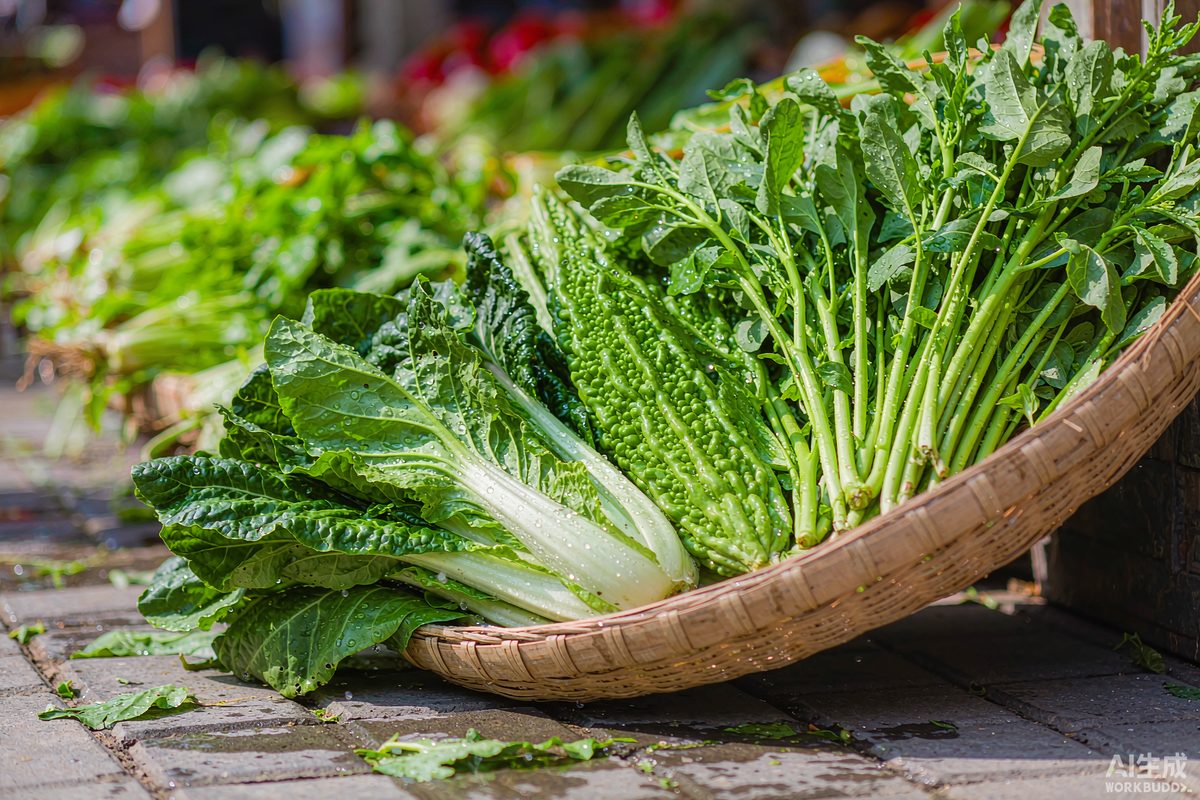
Three criteria sorted the candidates fast. First, the tool had to reduce friction for eating fruit as fruit — not convert it into a drink, a smoothie, or a dessert. Second, it had to survive daily use for a month without becoming its own cleaning project; the juicer's dusty grave was a warning, not an anomaly.
Third, ideally, some published evidence would suggest the tool's mechanism actually moves behavior, because kitchen gadgets are the field where optimism most reliably outruns data.
The first tool passed on criterion three before we even unboxed it. A two-tier wire fruit basket is, functionally, a bet on the home food environment — the claim that visible fruit gets eaten and hidden fruit does not. That claim has real longitudinal support.
A University of Minnesota team followed thousands of young people from their teens into their late twenties and found that higher home availability of fruit was one of the few factors predicting fruit intake a decade later, holding up alongside taste preferences and time barriers. Availability is not a personality trait; it is furniture.
Put the furniture in the right place and the behavior follows more often than it otherwise would.
Our testing notes reduce to placement, load, and season. Placement: counter, at the main traffic path, never in a corner. Load: keep the top tier stocked with whatever is ripest, because that is where the eye lands first. Season: from roughly June to September, an open basket becomes a fruit-fly incubator in warm kitchens, so have a covered bowl or a mesh tent as the summer understudy.
Nothing about the basket is clever. That is the point. It is the tool version of the classical 助 — fruit standing where the meal can see it, waiting to be picked up whole.
An Apple Slicer Is Eleven Dollars of Behavioral Science
The second tool has the best evidence of the three, and the evidence comes from an unlikely place: six middle-school cafeterias in upstate New York. Researchers randomly assigned three schools to serve apples whole and three to serve them pre-sliced using a commercial fruit slicer, changing nothing else. Apple sales in the slicing schools rose seventy-one percent.
The percentage of students who selected an apple and actually ate more than half of it climbed seventy-three percent, and the share who wasted half or more dropped by forty-eight percent.
The explanation the researchers offered after interviewing children was disarmingly practical — whole apples are awkward for small mouths, for braces, for anyone self-conscious about biting fruit in public — and slicing removed all three objections at once.
A home slicer-corer does the same work at a smaller scale, in five seconds and one downward push. The apple becomes eight neat wedges around a discarded core, presentable enough for a lunchbox, shareable across a table, and suddenly the kind of snack a nine-year-old will finish instead of re-hiding.
In our month of testing, the unspoken benefit was speed for the adults too: an apple sliced before dinner sat on the table and was gone before the mains arrived, which is the fifteen-percent preload effect from the pairing article, reproduced accidentally by a piece of stamped stainless steel.
Buy stainless over coated steel, check the blade gauge in the photos, and hand-wash anything with rivets. Expect to replace it every few years; the blades dull, and a slicer that requires a second push is a slicer the family quietly stops using. The tool's whole value is that it never asks twice.
One testing footnote that the school study cannot supply: apple variety changes the tool's margin of error. Dense winter apples — the Pink Ladies and Fujis of the late bin — meet even good slicers with resistance, and cheap slicers with outright mutiny; softer early-season Galas go through anything.
We learned to brace the apple on a cutting board, not in the palm, after the third wobble, and to bin the tool the day its blades flex. A slicer that needs two hands, a prayer, and a follow-up knife cut is not a convenience; it is a small, ironic punishment for wanting fruit. The behavioral effect lives entirely in the single push. Guard it.
The Hand Press: Juice When You Actually Mean It
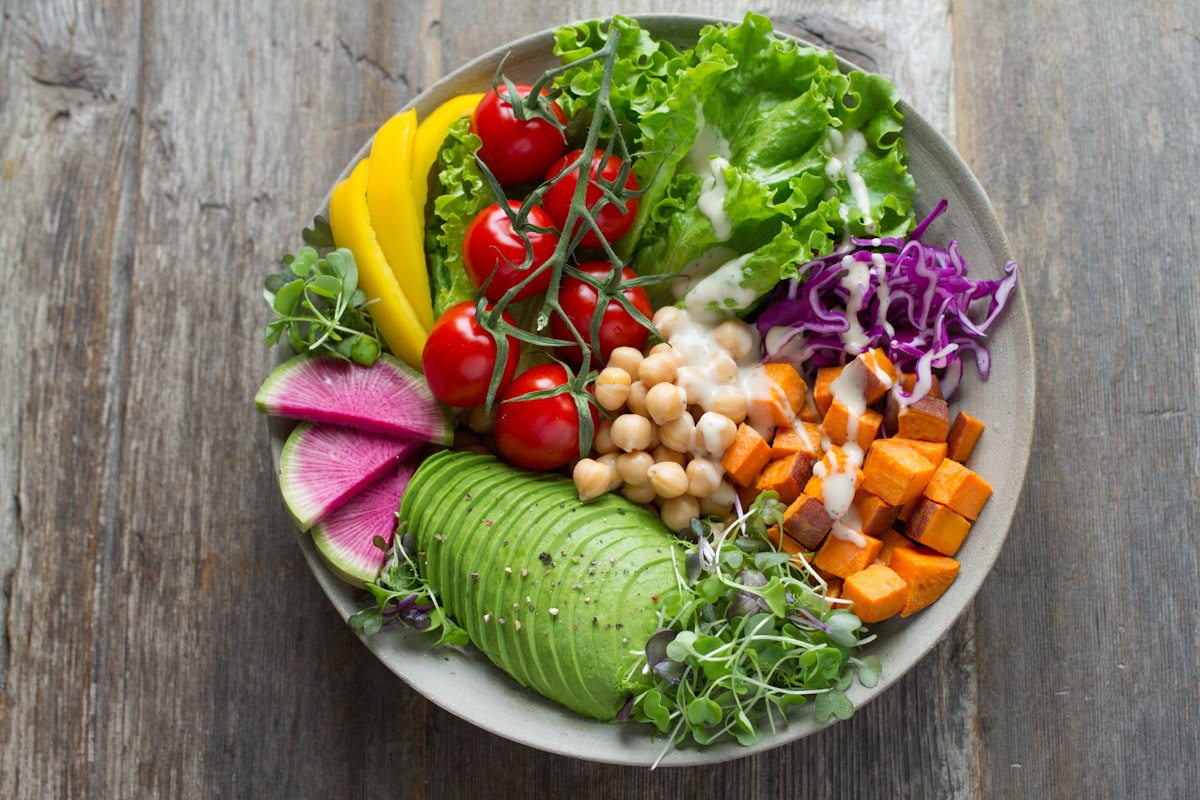
The third pick needs its contradiction addressed in the first paragraph, because a citrus press in a whole-fruit review looks like a camel in the choir. Here is the distinction we came to care about. A juicer is a machine for turning many fruits into much liquid — volume is the entire product. A hand citrus press turns one lemon or one orange into a splash, and the splash is a finishing move, not a beverage.
Half a lemon over the salad bowl, a pressed wedge into a glass of water, a tablespoon of juice brightening a congee or a piece of fish. The tool's physical effort and tiny yield enforce the portion in a way no self-control ever has to.
That distinction is also where the classical material lives. The Ling Shu names sourness as one of the five flavors with its own organ affinity — the plum is the sour fruit, the apricot the bitter one — and the tradition's use of these flavors is clinical and seasonal, a dash with a direction, never a liter with a straw. The Bencao's praise of the grape is written about fruit that builds the body as flesh.
Pressing a wedge of lemon at the table belongs to that world. Bottling a kilo of oranges at breakfast does not.
The equipment advice is short because the tool is short. Enameled cast iron beats thin aluminum: no metallic edge from daily acid, one hinge to oil mentally, a strainer dome that needs an immediate rinse or it will remember. If you already own a reamer and press citrus a few times a month, keep your money — this pick earns its slot only through frequency of use.
What the Studies Support, and Where They Stop
Because kitchen-gadget marketing is a swamp, a plain accounting of the evidence behind this review is owed. The strongest support is the cafeteria slicing trial: randomized, six schools, measured plate waste, a seventy-one percent sales lift.
Its limits are real — middle schools, one fruit, one region, a research team whose broader body of work has drawn post-publication criticism — so read it as one clean, well-controlled study rather than settled law.
The home-availability finding comes from the other end of the evidence spectrum: not an experiment but a decade-plus longitudinal cohort, the kind of study that can show durable association without proving that a basket causes anything. Young adults who grew up with fruit in the house ate more fruit as adults. Furniture is plausibly part of that story; families who stock fruit differ in other ways too.
The third reference study is not about fruit tools at all, and it is included deliberately. In a twelve-week randomized trial, adults who drank half a liter of water before each meal lost about two kilograms more than the diet-only group — a forty-four percent greater decline.
It earns its place because the most common real-world substitute for a daily glass of juice is a glass of something, and water is the substitute with an actual trial behind it.
A fruit-infusing pitcher would bridge that habit for people who find plain water bleak; we did not include one because our earlier hydration review already covers those, and because muddling berries into a carafe requires no equipment purchase whatsoever.
What no study supports is the inverse claim — that a fruit basket, slicer, or press causes weight loss or improves blood sugar. These are convenience interventions aimed at one behavior. The pairing health article carries the outcome evidence; this one carries the hardware, honestly labeled as such.
A closing note on how to weigh evidence of different grades without discounting any of it. The cafeteria trial is the kind of study that can earn the word because: slicing caused the sales lift, full stop. The availability cohort is the kind that can only earn the word linked: fruit in the house traveled with fruit in the diet across a decade, whatever connected them.
The water trial sits in between — randomized, but on a different habit entirely, offered here as a substitute strategy rather than a property of any tool. Reading a kitchen-gadget review, most claims you meet are none of these three grades; they are adjectives with a price tag. Ours come with citations so you can check the join yourself.
- Randomized slicing trial: +71% apple sales with no other change — the strongest single piece of evidence in this review.
- Home fruit availability predicted fruit intake a decade later in a longitudinal cohort; the basket is the cheapest possible version of that finding.
"The juicer optimized the extraction. The basket optimizes the encounter."
Who Should Skip All Three
Honesty requires a skip list, and it is longer than most gift guides admit. Skip the basket if your kitchen counter is already crowded or your household buys fruit but reliably fails to eat it before it spoils — in that case the problem is volume of purchase, not visibility, and a smaller weekly shop beats any stand.
Skip the slicer if you live alone and eat apples without ceremony; the five seconds saved will not change a behavior that already happens. Skip the press if citrus is a monthly event in your kitchen, or if the pull is arthritic hands or a wrist injury — the lever action is easy for most people but not for everyone, and a reamer plus a strainer does the same job slower.
There is a broader skip that deserves its own sentence: none of these tools will fix a household whose fruit problem is upstream of the counter. If the weekly shop does not include fruit, no gadget manufactures it. The classical texts put fruit fourth in the list — grains nourish, livestock benefits, vegetables fill, fruit assists — precisely because the assist depends on the rest of the meal being real.
Buy the vegetables and the grains first. Then let the basket, the slicer, and the press do their modest, mechanical, evidence-adjacent work on the margin where they actually operate.
And skip everything here if money is tight this month. An apple on a plate is the entire intervention. The tools are conveniences arranged around it, and the review exists only because, for most households, the apple keeps losing to whatever is easier. Make the apple easier. That is the whole thesis, and it costs nothing to test this weekend.
One more group that should skip a subset rather than everything: households with very young children should buy the slicer but think twice about the open two-tier basket at toddler height, where it functions less as a nudging device than as an unattended snack bar with a built-in climbing frame.
Mount the basket on a sideboard, keep the bottom tier to sturdy citrus, and the tool returns to being the benign influence it was designed to be. Small people respond to visible fruit exactly as strongly as adults do — that is the promise and, at hip height, the problem.
The Weekend Verdict
Rank order for the money, given a month of daily use and the evidence assembled above: the apple slicer first — cheapest, best-studied mechanism, immediate effect on the fruit everyone already buys; the two-tier basket second — the long-game tool whose value compounds as the household habit forms; the citrus press third, a specialist purchase for people who finish dishes with acid and will actually feel the lever's daily usefulness.
A household that bought all three would spend less than one juicer cartridge set, and would own nothing that needs disassembling after use, which is the property that separated every survivor in our cupboard postmortem.
The final accounting, though, is behavioral rather than financial. Fruit intake in this test kitchen rose not because willpower improved but because three small objects rearranged the default: fruit visible instead of stored, fruit pre-divided instead of whole, and a table where the sweet thing available in quantity was a clementine. The tradition behind this site would recognize the arrangement instantly.
五果为助 was never a nutrition claim — it was an instruction about position, proportion, and form, and every part of it survives translation into wire, steel, and a hinged iron bowl.
So run the weekend experiment. Buy whatever fruit is actually in season where you live, put it where the light lands, slice the first apple before anyone asks, and press half a lemon over dinner on Sunday. Watch which container empties by Wednesday. If it is the basket, the review did its job — and the juicer can stay on the high shelf, where it has clearly been comfortable.
If Wednesday tells you the chips emptied instead, that is information too, and it costs you nothing but the weekend. Visibility works both directions, which is why the chip bowl sat where it sat. Swap the two objects' positions and run the week again before concluding anything about your household's character.
The classical texts were uninterested in character; they were interested in arrangement — season, position, proportion, the order things enter the room. Two thousand years of that framing, condensed into one counter, one piece of stamped steel, and a hinged iron bowl. It is a modest inheritance. It compounds daily.