A Glass of Apples That Never Was
Here is a small experiment you can run at your own table tonight. Take a 250 ml glass of apple juice and try to eat its raw equivalent — three to four medium apples, skin and all. Almost nobody finishes. The glass goes down in ninety seconds, barely noticed; the apples would take half an hour of committed chewing and leave your jaw tired and your stomach genuinely occupied.
That gap is the subject of this piece. Juice is not a lie — it is fruit, by volume, minus the parts that made fruit food. The sugars arrive the same. The water arrives. A scattering of vitamins and polyphenols survive the pressing. What does not arrive is the architecture: the cell walls, the fiber matrix, the sheer physical bulk that forces fruit to be eaten slowly and digested gradually.
Remove the architecture and you have a sweet beverage that happens to carry a fruit's passport.
Chinese dietary medicine drew this boundary roughly two thousand years before anyone had a word for glycemic response, and it drew it from a different direction entirely. Fruit, in the classical texts, has a job. The job is defined by form.
The next sections look at what the tradition actually said, what modern trials show when the same fruit is tested in its different forms, and where the honest uncertainties sit — because this is one of those topics where the evidence is clearer than the marketing, on both sides.
五果为助: The Job Description Was Never 'Drink'
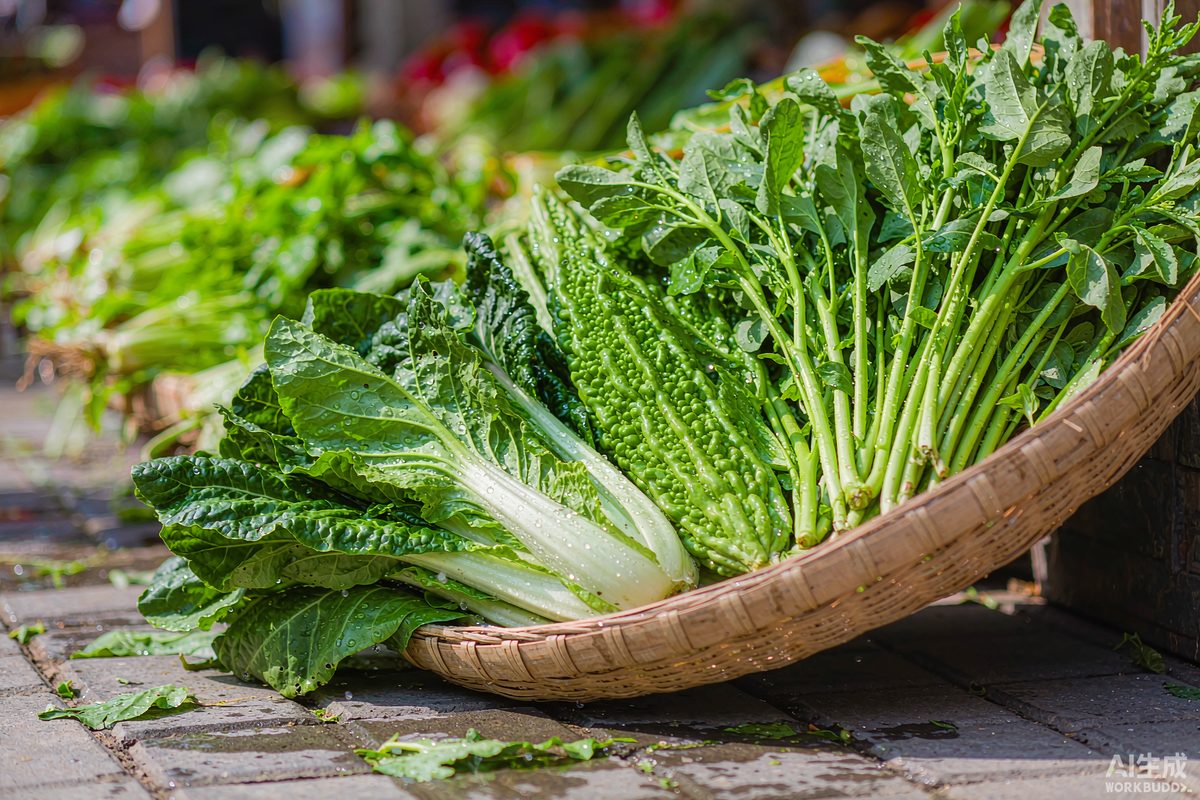
The foundational line comes from the Suwen, in the Zang Qi Fa Shi Lun chapter: the five grains nourish (养), the five fruits assist (助), the five livestock benefit (益), the five vegetables fill (充). Read casually, it sounds like a food pyramid. Read closely, the verb choice does the work. Fruit's assigned verb is 助 — to assist, to come alongside.
Not to lead, not to replace, and structurally, not to be separated from the meal it assists.
The Ling Shu's Wu Wei chapter goes further and names fruits one by one: jujube is sweet and turns toward the spleen, plum is sour and turns toward the liver, peach is pungent, apricot bitter, chestnut salty. Each whole fruit is treated as a small, complete substance with its own direction of action. There is no category in the list for 'fruit, dissolved'.
The pharmacology of the chapter depends on the thing itself — its flavor, its nature, its flesh — arriving as a thing. A pressed and filtered liquid keeps the sweetness of a jujube and forfeits everything else the text was describing.
The Shennong Bencao Jing makes the same point from the dispensary side. Da zao, the jujube, is among the most used fruits in classical formulas, praised for calming the center, nourishing the spleen, and aiding the twelve channels. Note how it functions in prescriptions: as whole dated flesh added to a decoction to moderate harsh herbs and protect the middle burner. It is a peacemaker ingredient.
Nobody extracts jujube water and discards the fruit; the fruit is the medicine.
None of this is a lab finding, and we are not claiming the Neijing authors foresaw juice centrifuges. What the classical frame offers is a category question that modern nutrition rarely asks: what is this food's job, and does the processed version still hold that job? For fruit, the tradition's answer is a reasonably strict no.
What the Press Actually Removes
Set the texts aside and open the fruit. The first casualty of juicing is mechanical: chewing. An orange takes ten or twelve bites; a glass of its juice takes a swallow or two. Eating rate matters more than most people assume, because satiety is a conversation between the mouth, the stomach stretch receptors, and hormones like CCK and GLP-1 that respond partially to the physical work of eating.
Liquid passes through that gauntlet largely unchallenged.
The second casualty is the fiber matrix. Whole fruit holds its sugars inside intact cell walls, so digestion has to unpack them one cell at a time. Juice frees those sugars into solution. The difference shows up in absorption speed: the same grams of sugar arrive in the bloodstream over minutes instead of over the better part of an hour. Juice also concentrates the dose.
Three apples in a glass means the sugar of three apples in the volume of water that one apple would have carried.
Third, and least discussed: juice removes the stopping cues. A whole apple fills the stomach, and the stomach files a complaint. A glass of apple juice barely registers volume, so the appetite system treats it almost like water with flavor. Drinkable calories are the classic silent calories — they add to the day's total without subtracting much from the plate.
One honesty note before the trials: juicing is not worthless. Fresh juice keeps meaningful vitamin C and polyphenols, and for someone who genuinely cannot chew or is acutely ill, it can be a reasonable vehicle for those nutrients. The claim being tested here is narrower and more practical — whether juice can substitute for whole fruit in an ordinary healthy adult's week. That is where the data gets interesting.
One more processing note, because fresh does a lot of unearned work on a label. Commercial juice is almost always pasteurized and often stored deoxygenated for months, which costs aroma compounds and a share of heat-sensitive vitamins; not-from-concentrate describes a supply chain, not a nutritional guarantee.
Even juice pressed in your own kitchen starts changing within minutes — the same polyphenol oxidases that brown an apple slice go to work in the glass. The fruit was designed as a sealed package. Opening it starts a countdown the front label never mentions.
Apples, Preloads, and the Fifteen Percent
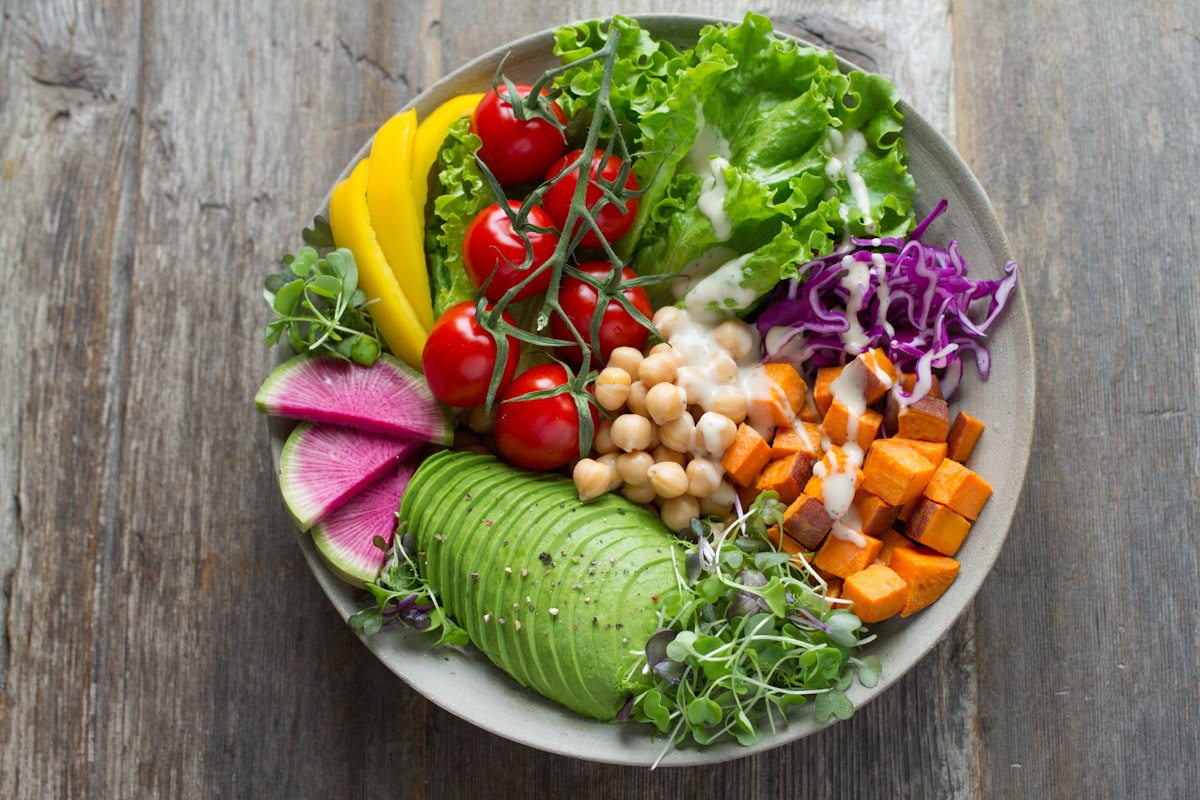
The cleanest test of form versus content comes from Barbara Rolls' lab at Penn State. Flood-Obbagy and Rolls took fifty-eight adults and, once a week for five weeks, gave them a 125-calorie apple preload in one of four forms before lunch: whole apple segments, applesauce, apple juice with fiber added, or plain apple juice. The preloads were matched for weight, calories, energy density, even eating time.
Same fruit, same sugars, same calories. Only the architecture differed.
The whole apple won, and not by a hair. Eating the apple segments reduced total lunch intake — preload plus meal — by fifteen percent versus no preload. Applesauce came in second, both juices trailed, and the detail that should stop anyone selling 'fortified' juice is this: adding back the fruit's natural fiber to the juice did nothing for satiety. The fiber only mattered inside the structure.
You cannot reassemble an apple from its parts, at least not in a way the appetite system respects.
Fifteen percent of a lunch is not a trivial number. Spread across a week, a swap of that size is the difference between a diet that drifts down and one that drifts up. And the finding rhymes with a much larger literature on liquid versus solid calories: beverages are almost always the weakest at triggering the 'I have eaten' signal.
There is a subtlety worth flagging, because the trial was designed carefully. The preload was eaten fifteen minutes before the meal, as a deliberate strategy. Eating whole fruit at the start of a meal is a legitimately evidence-backed move — the classical 助 position, if you like, fruit arriving alongside the grains rather than replacing them.
Nobody in the study lost weight by drinking apple juice at the same moment. Form decided the outcome.
The Cohort Data: Juice Moves the Wrong Direction
Satiety labs measure days. 4 million person-years of follow-up. Muraki and colleagues asked a simple question in the BMJ in 2013: what happens to type 2 diabetes risk for every three weekly servings of fruit, and does the answer depend on the form?
93 per three servings per week. 08, a modest but consistent signal of higher risk, and the statistical test confirmed the whole-fruit and juice associations genuinely differed.
08 for a moment is worthwhile, because the temptation is to over-read it in both directions. It is observational data; juice drinkers differ from fruit eaters in other ways, and no cohort can fully adjust that away. Three weekly glasses of juice are not a diabetes sentence.
What the number demonstrates is direction — that the substitution the juice industry implies, juice as an equal of fruit, does not survive contact with long-run data. The fruit's protective association does not travel with its juice. Something essential stays behind in the fiber, and whatever that something is, the cohort design caught it.
The same cohort offers a nuance that keeps the finding honest. 03, and the authors flagged that heterogeneity as one of the study's main lessons. Fruit is not a uniform pill with protective stamped on the coating. What held across the board was the form effect — whatever each fruit's individual association, its juice performed worse than the fruit it came from.
Blueberry juice was never separately analyzed in this dataset, but nobody serious argues that pressing is what made the blueberries special.
Children, Weight, and the Honest Middle
The most recent major synthesis, a JAMA Pediatrics meta-analysis published in 2024, gathered forty-two studies of 100% fruit juice and body weight — seventeen cohorts in children totaling over 45,000 kids, and twenty-five adult studies including nineteen randomized trials. 03 units per serving. Small per serving, but childhood trajectories compound; a nudge applied daily for years is not a small thing.
The adult side is where honesty gets demanding. The randomized trials found no significant weight effect of assigned juice drinking — but the confidence interval was wide, the trials were short, and the observational adult data split on whether energy intake was statistically adjusted, which is exactly the kind of mediation the question is about.
In plain terms: the trials neither prove juice innocent nor condemn it; they mostly show that short trials in adults cannot see a slow effect.
So the fair reading sits like this. For children, the weight evidence leans against daily juice, and pediatric guidance in several countries already caps it. For adults, the strongest findings are about substitution and satiety rather than weight itself — juice fails to displace food calories the way whole fruit does, and juice carries none of whole fruit's diabetes-protective association.
If you drink juice occasionally and enjoy it, the data is not coming for your glass. If you drink it daily as fruit insurance, you are paying a premium for the half of the fruit that does not do the job.
Two practical footnotes for parents, since the pediatric numbers drive most real-world decisions. The first is packaging: juice in a bottle or sippy cup, sipped across hours, bathes developing teeth in sugar far longer than a meal does — dental societies were limiting juice bottles long before the weight data arrived.
The second is dilution, the compromise every grandparent proposes; it halves the sugar but also halves the training, because the child learns that drinks are sweet. Water early, fruit whole, juice as the rare event. The boring order is the one that holds.
If the Juice Is Already in Your Life
Most people do not want a lecture; they want a workable arrangement. The classical frame and the modern trials point to the same compromises, which is a rare enough alignment that it deserves to be stated plainly.
First, keep the juice, shrink and anchor it: a small glass — 125 to 150 ml — taken with a meal rather than between meals. With food, the sugars meet fiber, protein, and fat from the rest of the plate, and the dose is small enough that the fruit is functioning as 助 again instead of as a beverage. Second, prefer pressed, cloudy, or high-pulp juice when juice is the choice.
The Penn State trial showed added fiber did not restore satiety, so do not expect pulp to make juice behave like an apple — but pulp does slow absorption somewhat and keeps some of the fruit's other chemistry in the glass.
Third, and the change with the best evidence behind it: when the craving is for something flavorful and cold, make the default water, and let fruit do the flavoring as fruit — a lemon squeezed into a pitcher, berries muddled at the bottom of a bottle. A separate review on our site covers the tools for that habit; the point here is only that water-plus-fruit beats juice on every axis the trials measured.
The Neijing's warning about 甘 — excessive sweetness — has a modern echo in exactly this place. Sweetness was never banned in the tradition; it was dosed, contextualized, made to arrive slowly inside food. The five flavors each had their season and their measure. A liter of juice at breakfast is sweetness with the measure removed.
- A 150 ml glass with a meal keeps juice in the classical 助 role; a 500 ml bottle between meals is a dessert behaving like a beverage.
- Whole fruit first, juice as occasion: the fifteen-percent lunch effect came from eating an apple before the meal, not drinking it.
"The juice industry sells you the sweetest third of the fruit and asks you to believe you got the whole thing."
Chew the Fruit, Keep the Job
Strip the research down to its studs and one sentence survives: fruit is a food, juice is a flavor. The tradition drew the same line with different instruments — fruit's verb was to assist, in whole form, alongside grains and vegetables that did the nourishing.
4 million person-years — the whole apple cut lunch intake by fifteen percent, the juice did not; whole fruit tracked with lower diabetes risk, its juice tracked slightly higher; the child cohorts found the daily glass nudging BMI the wrong way.
Nothing here requires perfection. A cold glass of orange juice on a hot morning is one of the honest pleasures, and the evidence does not forbid it. The pattern is what decides. Fruit eaten as fruit — bought whole, stored where you can see it, eaten with teeth, at meals and between them — does the quiet work the texts assigned it. Juice drunk daily in place of that fruit takes the name of the food without the job.
The classical question still stands at the end, and it is a good one to carry into your own kitchen: when you pour a glass of something sweet, what is it doing in the meal? If the honest answer is 'being dessert', enjoy it as dessert, on purpose, occasionally. The apple, meanwhile, is still sitting in the bowl where it can see you. It has been waiting two thousand years. It can wait until tonight.