Why Your Bloodwork Says 'Inflammation' and TCM Says 'Heat'
Western medicine spots chronic inflammation with blood tests — CRP, interleukins, TNF, proteins that light up when your immune system is on patrol. When those numbers stay high for months, you're looking at a common thread behind heart disease, diabetes, arthritis, and a lot of the cognitive decline we used to write off as just getting older. TCM has been describing this exact state for two thousand years.
It calls it internal Heat.
Heat isn't a metaphor in this system. It's a pattern with a recognizable face: a red tongue, especially at the tip. A yellow or dry coating. A face that flushes easily. Thirst that wants cold drinks. Constipation with hard, dry stools. Dark urine. Irritability. Skin that runs hot, red, or rashy. And in the joints — heat, swelling, redness, what TCM calls Bi syndrome with Heat. '
Where does the Heat come from? The Suwen, Chapter 3, is blunt: improper diet generates Heat. Fried food makes greasy Heat — the heavy, stuck inflammation behind joint pain and heart disease. Alcohol and rich food make Damp-Heat — the sticky kind behind fatty liver, gout, and metabolic syndrome. Sugar beyond what your Spleen can transform turns into Damp-Heat almost directly.
And eating late at night leaves food sitting undigested, generating Heat overnight. The Western evidence says the same thing with different vocabulary: a 2017 systematic review found Western-style dietary patterns reliably raise inflammatory markers, while plant-rich, minimally processed patterns lower them. Same map, different names. What follows are the seven rules that come out of that map.
- The internal Heat self-check: red tongue tip or edges, yellow tongue coating, flushed face, thirst for cold drinks, irritability, hard stools, dark urine, hot red joints. Three or more signs = your body is running hot.
- Get a baseline CRP blood test before you start the protocol (ask your doctor), then repeat at 12 weeks. Objective numbers make the food changes feel real — my patients live for that second lab draw.
- Heat and inflammation are not the same map in every detail, but the overlap is large enough to be clinically useful: cooling the Heat pattern reliably moves the inflammation markers.
"When one consumes too much rich and fatty food, or when the diet is irregular, Heat is generated in the middle burner, and this Heat ascends and scorches the upper body, giving rise to all manner of disease."
Seven Rules, One Principle: The Whole System in One Frame
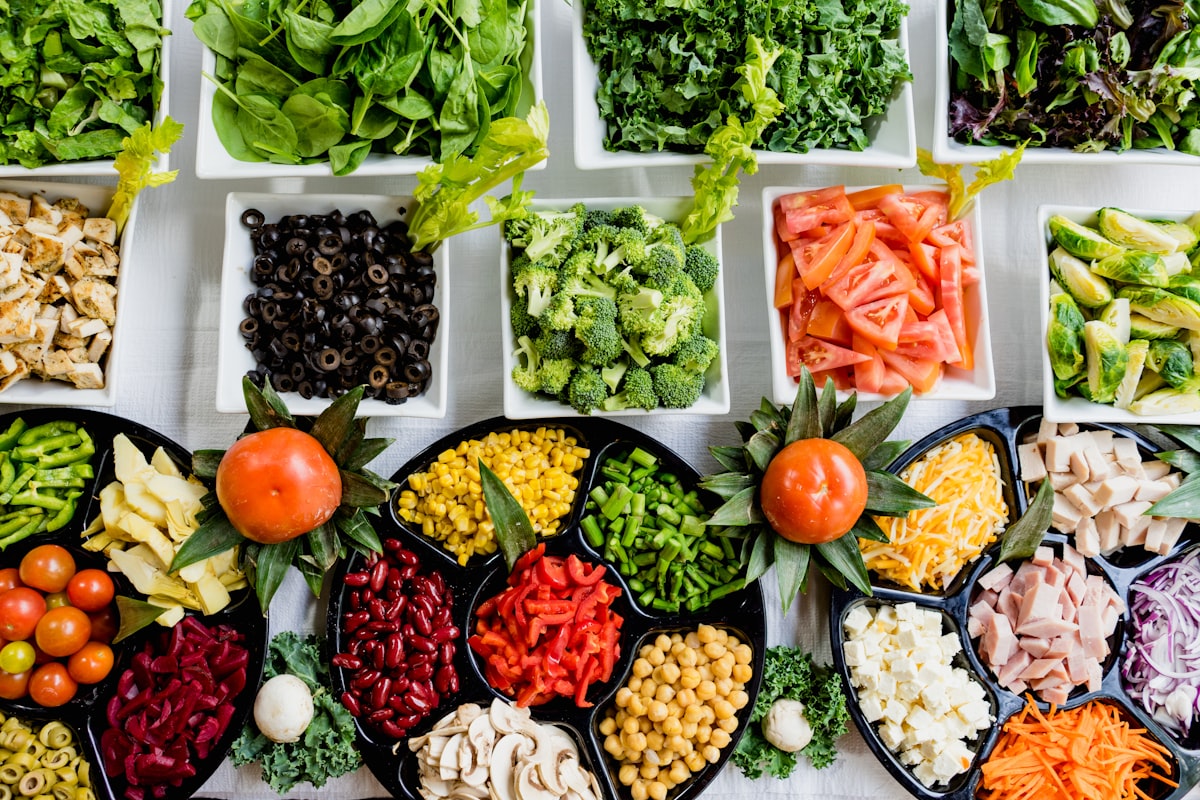
Here's the whole system in one frame, because the rules aren't seven separate diets. They're seven faces of one principle: cool the Heat, protect the Spleen.
Rule 1: cut fried and greasy food — the primary generator of greasy Heat, the inflammation behind joint pain, acne, and cardiovascular disease. Rule 2: cook more, raw less. Raw food demands more of your digestion, and what the body struggles to process leaves residue — dampness, cold — that it then has to burn off. What it burns becomes Heat. Cooked food is pre-digested; it cools the process by reducing the load.
Rule 3: cool with specific foods — cucumber, mung bean, lotus root, winter melon, pear, watermelon in season, bitter melon, celery. These are the TCM equivalents of the Western anti-inflammatory superfoods, chosen for cooling nature and draining action.
Rule 4: balance the five flavors — sour, bitter, sweet, pungent, salty — because any single flavor taken to excess creates its own pathology, and flavor balance is metabolic balance. Rule 5: cut alcohol, sugar, and late-night eating, the Damp-Heat generators. TCM calls alcohol 'Damp-Heat in a glass'; sugar converts to Damp-Heat past the Spleen's capacity; late food ferments overnight.
Rule 6: drink warm water and herbal teas, not cold drinks. Cold shocks the digestive fire. Warmth — chrysanthemum, honeysuckle, peppermint — does the clearing work directly.
Rule 7: eat for your Spleen, the transformation center that turns food into Qi instead of into inflammation. Warm, cooked, regular, moderate. Notice the architecture: three rules subtract (fried food, the trio, cold drinks), three rules add (cooking, cooling foods, flavor balance), and one rule organizes the whole. You can start anywhere and work through the rest.
Patients who implement all seven see the fastest, most dramatic biomarker changes — but nobody starts with all seven.
- Don't attempt all seven rules in week one. Pick two: usually Rule 1 (fried food) and Rule 5 (alcohol, sugar, late nights) deliver 80% of the biomarker change. Add the rest as they become habits.
- Take a 'before' photo of your tongue and a baseline CRP — the objective record turns a 12-week protocol from faith into data.
- The seven rules are cumulative, not exclusive: each one you add layers on the last. Rule 7 (Spleen) is the load-bearing wall — if you do nothing else, do Rule 7.
"In all treatment, one must first regulate the diet. If the diet is not regulated, no medicine can be effective. If the diet is regulated, even simple remedies will heal."
Rule 1: Cut the Fried Food — It's the #1 Greasy-Heat Generator
No single habit generates internal Heat as reliably as deep-fried food. The mechanism is direct: frying loads food with oil, and oil is heavy, turbid, and hot by nature. It creates what the classics call greasy Heat, and greasy Heat shows up exactly where chronic inflammation shows up in the West — the skin, the joints, the blood vessels, the liver.
A 2019 study on frying methods added a useful nuance: it's not just the oil, it's the high-heat cooking itself. Deep frying and reused oil generate advanced glycation end products and oxidized lipids that are directly pro-inflammatory. Steaming, boiling, braising, baking, air frying — far fewer. ' Healthy fats from nuts, seeds, avocado, and cold-pressed oils are fine, even cooling. '
The swap list is boring and it works: bake or air-fry the chicken instead of deep-frying it. Steam the rice and stir-fry the vegetables in a teaspoon of oil. Roast root vegetables with olive oil and rosemary instead of fries. Choose roasted nuts or rice crackers over commercial fried snacks.
If you genuinely crave the fried crunch, a large air fryer is the best single investment in this protocol — 90% less oil, same texture.
One more TCM layer: greasy food also burdens the Spleen directly, so the greasy Heat it generates is compounded by the Spleen's failure to transform it. That's the double whammy behind 'I eat fine but I still have inflammation.' Most patients see skin and joint changes within two to three weeks of cutting fried food. It's the fastest single intervention in the protocol.
- The two-week fried-food challenge: zero deep-fried food for 14 days. Skin redness, joint stiffness, and afternoon fatigue are the symptoms that typically respond first — keep a daily journal.
- Reused restaurant fryer oil is the worst offender — it is oxidized, pro-inflammatory, and the reason 'fried food' is inflammatory in a way home air-fried food is not.
- When you do eat fat, make it cold-pressed and unheated: drizzle olive oil over cooked food instead of cooking in it, and get your omega-3s from fish, flax, and walnuts — the anti-inflammatory fats.
"Oily and greasy foods generate Heat and Dampness. They clog the channels and obstruct the Qi, and where the channels are blocked, pain arises; where Heat collects, swelling and redness appear."
Rule 2: Cook More, Raw Less — the Raw-Food Crowd Got This One Wrong
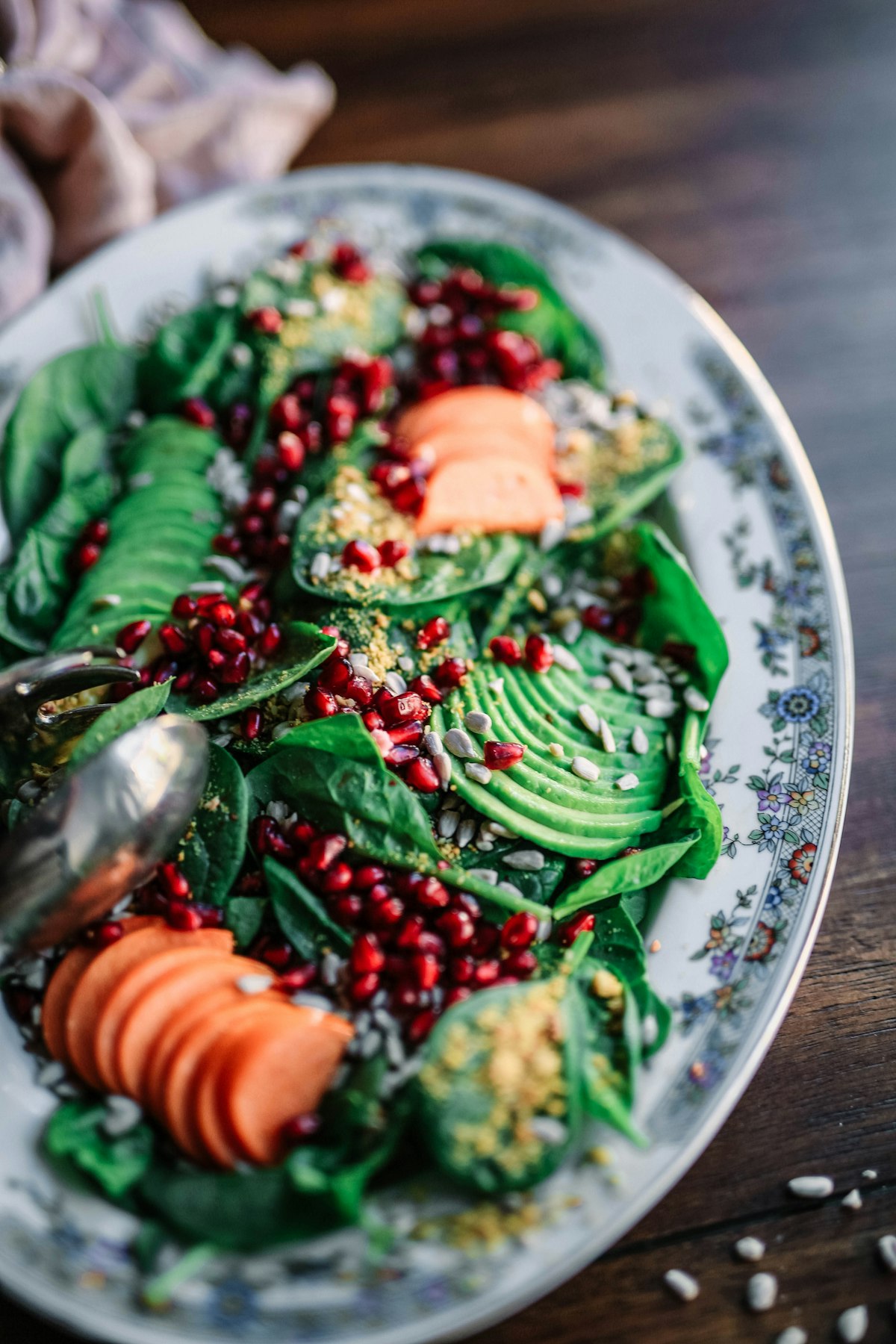
This is the rule that surprises Western eaters most, because the raw-food movement spent decades convincing us raw is always healthier. TCM takes the opposite position for an inflamed body: cooking isn't a compromise, it's medicine.
The reasoning is precise. Raw food is cold in temperature and hard in structure. It demands maximum work from the Spleen and Stomach, which must warm it to body temperature and break down cell walls that cooking would have already softened. In an already-heated system, that extra burden does two bad things. It exhausts the Spleen, which then produces dampness instead of Qi — and dampness itself becomes Heat.
And it leaves partially digested food to ferment in the gut, driving gas, bloating, and endotoxin release. That last one is the 'leaky gut' story modern literature describes in detail.
Cooking is pre-digestion. Heat softens fiber, denatures proteins, deactivates enzyme inhibitors, and makes nutrients more bioavailable — lycopene in tomatoes and beta-carotene in carrots both jump with cooking. ' A fresh salad on a hot day is fine for a healthy digestive system. But during an inflammation-reduction protocol, the majority of your vegetables should be cooked.
Steaming, boiling, simmering, light stir-fry. Food should hit the table warm, not chilled.
In practice: the lunch salad becomes a warm vegetable soup. The cold smoothie becomes warm congee or oatmeal with fruit. Raw carrots and hummus become roasted carrots with olive oil and cumin. One exception — fresh, ripe fruit. A few servings a day are cooling and anti-inflammatory in both systems, and fruit digests more easily raw than vegetables do.
Patients who adopt this single rule report the fastest improvement in bloating and post-meal fatigue. Those symptoms were the Spleen saying the load was too heavy.
- The 70/30 cooking rule: during the protocol, 70% of your vegetables cooked, 30% raw (usually as fruit or a small salad). Most Western eaters are at 20/80 — the inversion alone is a major change.
- Soups are the perfect anti-inflammatory vehicle: one pot of vegetable and bone broth soup covers Rule 2 (cooked), Rule 3 (cooling vegetables), and Rule 7 (Spleen support) in a single meal.
- If you love smoothies, make them warm-season treats, not daily staples — and never drink a cold smoothie with a meal. The cold cancels the digestive fire you're trying to protect.
"The Spleen likes warmth and dislikes cold. Food that is cooked and warm is easily transformed; food that is raw and cold burdens the middle burner and gives rise to Dampness and Heat."
Rule 3: The Five Cooling Foods — Cucumber, Mung Bean, Lotus Root, Winter Melon, Pear
Subtraction is only half the protocol. The other half is adding foods that actively cool the Heat. TCM classifies foods by temperature nature — cold, cool, neutral, warm, hot — and for a heat-filled system, the cooling foods are the medicine.
Five deserve a place in your rotation. Cucumber: cool, sweet, moistening, nearly pure water with anti-inflammatory cucurbitacins. Eat it in season, lightly dressed, at midday rather than night — it's too cooling for a cold evening. Mung bean: the flagship heat-clearer, the basis of the classic summer soup that has prevented heatstroke for two thousand years.
Modern research confirms its anti-inflammatory, antioxidant, and lipid-lowering activity. Simmer until the skins split, add a slice of licorice or a little rock sugar, and have a small bowl daily.
Lotus root: cool, sweet, crunchy, valued for clearing heat and cooling the Blood. Rich in vitamin C, fiber, and polyphenols. Slice into soups or stir-fry briefly — it stays crisp. Winter melon: cool, sweet, powerfully diuretic, the traditional food for draining Damp-Heat and reducing swelling. Nearly calorie-free, high in water and potassium.
Simmer into a clear soup with a little ginger so you don't over-cool the Spleen. Pear: cool, moistening, the signature fruit for clearing Lung and Stomach heat, the traditional remedy for dry cough and heat-related throat trouble.
The broader list includes celery, spinach, water chestnut, banana in moderation, watermelon in season, bitter melon, chrysanthemum tea, green tea. But here's the caution that keeps people out of trouble: cooling foods cool the Heat, and they also cool the Spleen. So they need warming companions. The golden formula: cooling vegetable plus warming spice plus gentle cooking. Winter melon with ginger.
Mung bean with licorice. Lotus root with a little black pepper. Pear simmered with cinnamon.
- The cooling pantry check: do you have mung beans, lotus root, winter melon, cucumber, and pears in regular rotation? Those five cover most of the heat-clearing work.
- The golden formula: cooling food + warming spice. Ginger with winter melon, cinnamon with pear, black pepper with lotus root — cooling action without Spleen damage.
- Eat the most cooling foods at midday (the hottest part of the day in TCM's organ clock) and the warmest foods at night — matching food temperature to the body's daily temperature curve.
"Mung bean clears Heat and relieves Summer-Heat, drains Dampness and benefits the swelling. Pear moistens the Lung and clears Heat, transforms Phlegm and stops cough."
Rule 4: Put All Five Flavors on Every Plate
The five-flavor system is TCM's original macronutrient framework, and it carries an anti-inflammatory logic that modern nutrition is only beginning to formalize: flavor balance is metabolic balance.
Sour gathers and astringes — vinegar, lemon, fermented foods tone and constrain, supporting the Liver. Bitter drains and dries — bitter greens, dandelion, coffee clear heat and move stagnation downward, supporting the Heart. Sweet tonifies and harmonizes — whole grains and root vegetables support the Spleen.
Pungent disperses and moves — ginger, scallion, garlic, radish open the surface and circulate Qi, supporting the Lung. Salty softens and descends — seaweed, miso, mineral salt in moderation anchor and moisten, supporting the Kidney.
Pathology comes from imbalance, and this is where the system maps onto inflammation with striking precision. Too much sweet — the standard Western diet — clogs the Spleen and generates Damp-Heat, the pattern behind metabolic inflammation. Too much salty — processed food — taxes the Kidney and drives up vascular inflammation.
Too much pungent beyond tolerance — the 'spicy food aggravates my skin and gut' experience is a real TCM pattern. Too much sour over-astringes and can stiffen joints. And a near-total absence of bitter leaves the body without its built-in cooling, draining flavor — which is why the Mediterranean diet's bitter greens and olive oil are so reliably anti-inflammatory.
The prescription is simple: every meal should contain all five flavors, none dominant. The 2017 meta-analysis of the Mediterranean diet and CRP showed exactly this — the effect came from overall composition, not any single superfood.
In practice: a lemon or vinegar dressing (sour), a handful of arugula or a cup of green tea (bitter), a cooked grain or root vegetable (sweet), ginger, garlic, or scallion (pungent), a pinch of mineral salt, miso, or seaweed (salty). Side benefit: food gets genuinely more satisfying, because the palate gets the full spectrum.
- The five-flavor audit: track one day of eating and note which flavors were present. Most Western diets score 90% sweet + salty (processed) and zero bitter. The gaps are your inflammation sources.
- The bitter gap is the most common and most important: one daily serving of bitter (arugula, dandelion, radicchio, bitter melon, green tea, or coffee) supplies the cooling, draining flavor most diets lack.
- Spicy is not the same as pungent in the TCM sense — pungent means ginger, scallion, and radish (dispersing, warming, gentle); excessive chili is the drying, heating excess that aggravates Heat patterns. Moderate the chili, keep the ginger.
"When the five flavors are in harmony, the bones are straight, the sinews are supple, the Qi and Blood flow freely, and the Wei Qi is firm. When one flavor dominates, it injures its organ."
Rule 5: Alcohol, Sugar, and the 7 PM Dinner Cutoff — the Damp-Heat Trio
Three habits form the Damp-Heat trio, and they're the most common dietary drivers of chronic inflammation in modern life. Alcohol is 'Damp-Heat in a glass' — warming, turbid, the sticky pattern behind fatty liver, gout, rosacea, and elevated CRP. The Western literature agrees: alcohol is a well-documented driver of systemic inflammation, and even moderate drinking raises CRP in susceptible people.
The protocol calls for zero alcohol for 12 weeks, then cautious reintroduction.
Sugar is the second generator. In TCM terms, refined sugar is sweet flavor in its pathological form — beyond the Spleen's transformation capacity it doesn't nourish, it converts directly into Dampness, and dampness that sits becomes Damp-Heat. The Western mechanism is identical: excess fructose and glucose drive insulin resistance, oxidative stress, and inflammatory cytokines.
The 2017 dietary patterns review is unambiguous — added sugar is among the strongest dietary predictors of elevated inflammatory markers. The rule: eliminate added sugar for 12 weeks. No soda, no juice, no desserts, no sweetened coffee. Whole fruit stays; honey and maple syrup in small amounts are acceptable for most patients.
Late-night eating is the third generator and the least understood. The digestive fire burns brightest at midday and sinks after sunset. Food eaten after about 7 PM sits in a system that's winding down — it isn't transformed, and undigested food generates Heat overnight. The morning bad breath, thick tongue coating, sluggish wake-up — those are its signs.
The emerging Western evidence points the same way: late-evening eating disrupts circadian metabolism and correlates with higher inflammatory markers. The rule: finish dinner at least three hours before bed, with a hard cutoff around 7-8 PM. If you must eat late, keep it tiny and warm — a small bowl of congee, a cup of bone broth.
Patients consistently report this trio is the hardest part of the protocol socially. It's also the part that moves the biomarkers most.
- The alcohol swap: replace the evening glass of wine with a warm cup of chrysanthemum or peppermint tea — you keep the ritual, lose the Damp-Heat, and add a heat-clearing herb.
- The sugar read: check every label for the first 12 weeks. Added sugar hides in sauces, dressings, bread, and 'healthy' bars. The goal is zero added sugar, not zero sweetness — whole fruit covers the craving.
- The 7 PM rule: set a phone alarm. When it rings, the kitchen closes. The first week is hard; by week three, patients report better sleep and a cleaner morning tongue — the two best compliance rewards.
"Alcohol is the essence of water and grain in its most turbid form. Those who drink to excess generate Damp-Heat which ascends to the face and scorches the Blood. Sugar and sweet in excess generate Dampness, and dampness that lingers becomes Heat."
Rule 6: Warm Drinks Only — You'll Hate This Rule Until You Try It
The temperature of what you drink is a full rule in TCM, and it's the rule my Western patients resist the most — until they try it.
The logic: the Spleen and Stomach are the digestive fire, and cold liquids thrown onto that fire force the body to spend real energy warming them to body temperature before digestion can proceed. Over time — especially during an inflammation protocol, when digestion is already working overtime — this exhausts the Spleen, and an exhausted Spleen makes dampness instead of Qi.
Dampness becomes Heat: the very inflammation you're trying to cool. There's a second, subtler mechanism: cold drinks constrict the digestive tract and slow peristalsis, leaving food to sit and ferment — gas, bloating, endotoxin release. Warm liquids do the opposite.
' A glass of room-temperature water with lemon in summer is fine. But during the protocol, drinks should be warm or room temperature, especially around meals. And this is where the rule turns actively therapeutic: swap cold drinks for heat-clearing teas, which do double duty. Chrysanthemum clears Heat and benefits the eyes.
Honeysuckle is the strongest culinary heat-clearer — cooling, anti-inflammatory, antimicrobial. Peppermint cools and calms the digestive tract. Green tea brings catechins. And ginger-turmeric — the golden pair — warms the digestive fire while delivering two of the most-studied culinary anti-inflammatories in the world.
My RA patient's single biggest daily change was replacing iced drinks with warm ginger-turmeric tea, and she credited it — along with the fried-food elimination — for most of her symptom improvement. It sounds too simple to matter. It matters more than almost anything else in the protocol.
- The one-week cold-drink test: seven days of warm or room-temperature beverages only. Most patients report less bloating, better digestion, and clearer skin by day five — then they're converts.
- The ginger-turmeric tea recipe: 4-5 thin slices of fresh ginger and a half-teaspoon of turmeric simmered in 2 cups of water for 10 minutes, with a pinch of black pepper (activates the curcumin) and a little honey.
- Cold drinks with meals are the worst combination — they dilute and chill the digestive fire at the exact moment it's working. If you're going to drink something cold, do it between meals, not with them.
"Drinking cold water harms the Yang of the middle burner. The Spleen likes warmth; when it is warm, transformation is complete; when it is cold, transformation stops and Dampness accumulates."
Rule 7: The Spleen Runs the Whole Show — Feed It First
Every rule in this protocol is built on one organ: the Spleen. In TCM it's the root of postnatal Qi — the transformation center that converts food into energy instead of into inflammation. When the Spleen is strong, food becomes Qi, Blood, and healthy flesh.
When it's weak — from cold food, irregular meals, overeating, stress, or the sheer load of the modern diet — food becomes dampness, the raw material of Damp-Heat and chronic inflammation. This is why the whole protocol is, underneath, a Spleen-support protocol.
The Spleen's needs are specific and old-fashioned. Warm, cooked food. Regular meal times — three meals at roughly the same time daily, no grazing, because a perpetually-on digestive system never fully rests and never fully transforms. Moderate portions — the TCM target is 70-80% full, not stuffed, and the satiety research backs it up: fullness signals lag 15-20 minutes behind the meal.
Simple food — a bowl of congee with one or two additions beats a twelve-ingredient grain bowl for a taxed Spleen. And emotional calm while eating — worry and overthinking suppress digestive function via the gut-brain axis. Eating on the run, under stress, or while scrolling measurably impairs transformation.
The Spleen-supporting foods appear throughout this protocol: millet, rice, congee; sweet potato, pumpkin, carrot; ginger; bone broth. A Spleen-supporting day looks like this: a warm cooked breakfast, eaten sitting down. A midday main meal with cooked vegetables, a grain, and modest protein. A light dinner before 7 PM. Warm tea between meals. Nothing after dinner but water or herbal tea.
When patients ask which single rule to start with, I always answer Rule 7. A protected Spleen makes every other rule easier. An exhausted one makes every other rule fail.
- The Spleen day in one line: warm breakfast, cooked lunch, light early dinner, no snacking, no cold drinks, no eating while stressed or scrolling.
- Congee is the ultimate Spleen food and the perfect anti-inflammatory breakfast: rice simmered until soft with ginger and a little turmeric — it covers Rules 2, 3, 6, and 7 in one bowl.
- If your digestion is genuinely weak (bloating, loose stools, post-meal fatigue), start the protocol with congee and bone broth as your two food anchors, and add variety only as the Spleen strengthens.
"The Spleen governs transformation and transportation. When it is strong, the five flavors are transformed into Qi and Blood. When it is weak, they are transformed into Dampness and Phlegm — and where Dampness and Heat collect, disease arises."
The 12-Week Protocol, Week by Week
Here's the full 12-week protocol, condensed from my clinic's patient program. It runs in stages, each adding rules on top of the previous ones, so the difficulty compounds gently instead of hitting all at once.
Weeks 1-2, foundation: eliminate the Damp-Heat trio — no alcohol, no added sugar, no eating after 7 PM. Same two weeks, the fried-food ban: nothing deep-fried, ever; air-fry, bake, steam, or stir-fry instead. Draw your baseline CRP in week 1 if you haven't. This stage alone typically produces the most dramatic biomarker movement.
Weeks 3-4, the temperature shift: all beverages warm or room temperature, cold drinks replaced with the heat-clearing teas. Shift to 70% cooked vegetables, minimum one warm cooked meal a day. The lunch salad becomes the lunch soup. Weeks 5-8, the cooling foods: mung bean soup twice weekly, winter melon or lotus root soup once weekly, cucumber at midday, a pear daily — simmered with cinnamon if you prefer it warm.
Rebuild the five-flavor plate: every meal gets sour, bitter, sweet grain, pungent spice, and a subtle salty note.
Weeks 9-12, consolidation: regular meal times, 70-80% fullness, mindful eating, no screens at meals. Re-draw CRP at week 12. Watch your tongue daily through the whole run — the coating should thin, the body should shift from red toward a healthier pink, and scalloping should fade. Those are the signs the Heat is clearing.
What to expect: most patients see measurable CRP reduction by weeks 6-8 and the full effect by week 12. Joint heat and swelling, skin redness, and afternoon fatigue typically improve earlier, in weeks 3-6. After week 12 you have options — continue the full protocol (many patients do; it's just a healthy diet with a TCM accent), or relax strategically while keeping the core structure.
The maintenance version I recommend to most people is the 80/20 seasonal protocol: follow the rules 80% of the time, allow the 20% for social life, and return to strict whenever CRP, symptoms, or the tongue say Heat is creeping back.
If your CRP is significantly elevated, if you have an autoimmune condition, or if you're on medication, run this under your physician and a qualified TCM practitioner. The protocol is food; the condition is medical. They should work together, not instead of each other.
- Keep a symptom-and-tongue journal: daily photo of the tongue (morning, before eating), weekly note on pain, skin, energy, and digestion. The trends — not any single day — are the signal.
- The strict phase is 12 weeks for a reason: 8-12 weeks is how long it takes for dietary changes to fully reset inflammatory markers and for the gut lining to rebuild. Don't judge the protocol at week 3.
- If you relapse (a wedding weekend, a holiday), don't restart from zero — just return to the strict protocol for 7-10 days and let the markers settle again. Consistency over perfection, every time.
"When Heat prevails, cool it with cold; when Dampness prevails, drain it; when the middle burner is blocked, unblock it; when the Spleen is weak, strengthen it. In this way the body returns to balance, and balance is health."