First, What This Disease Actually Is
Rheumatoid arthritis isn't "a bad case of arthritis," the way people say it at dinner parties. It's an autoimmune disease. For reasons we still can't fully explain, the immune system decides the tissue lining your joints — the synovium — is a foreign invader, and it attacks. Cartilage wears down. Bone gets eaten at the margins. Over years, joints deform.
That's a different animal from osteoarthritis, the wear-and-tear arthritis that comes with age. OA is mechanical: decades of loading, the odd injury, cartilage slowly grinding away. RA is the body at war with itself. The difference shows up in the details. RA hits both sides at once — both hands, both knees. It drags in fatigue, low-grade fever, anemia.
Untreated, the inflammation spreads through the whole body and quietly raises cardiovascular risk.
Keep that distinction in mind, because it decides everything else in this article. The modern approach to RA is aggressive early treatment: DMARDs like methotrexate, then biologics — TNF inhibitors, IL-6 inhibitors, JAK inhibitors — when needed. These drugs don't just ease symptoms. Started early, they slow or stop joint destruction and can change the entire course of the disease.
And it's that same distinction that defines what TCM can honestly offer. The Bi Syndrome framework was built centuries before anyone knew what an immune system was. It sees pain, swelling, and stiffness — the same clinical picture, whether the cause is autoimmune or mechanical. That makes TCM a genuinely powerful tool for managing symptoms.
But for a disease that can permanently destroy joints, it can't replace the drugs that stop that destruction. Any honest conversation about RA and TCM has to start there.
- Know the difference: RA is symmetrical, inflammatory (hot, swollen joints), and accompanied by systemic symptoms like fatigue. OA is asymmetrical, mechanical, and localized to the worn joints.
- The single most important RA outcome is preventing joint damage — early DMARD treatment changes the disease course. Do not delay a rheumatology consultation while exploring TCM.
- If you have RA and are not on any disease-modifying therapy, make an appointment with a rheumatologist before making any treatment decisions.
"When the Zheng Qi (upright Qi) is deficient, external pathogens seize the opportunity to invade. The sinews become contracted, the bones become painful, and the joints become swollen and immobile."
How TCM Has Seen This Disease for Two Thousand Years

TCM has a name for the RA picture, and it's been using it for over two millennia: Bi Syndrome — painful obstruction. Chapter 43 of the Suwen describes it in detail that reads like a modern rheumatology note: symmetric joint pain, swelling, morning stiffness, progressive deformity. The physicians who wrote that text had never heard of autoimmunity. They didn't need to. They were describing what they could see.
In TCM terms, RA is a severe Cold-Damp Bi sitting on top of a Deficiency. The Cold-Damp part shows up as joints that are stiff, heavy, and worse in cold or wet weather. They feel better with warmth. And there's the classic RA signature — morning stiffness that takes an hour or more to loosen up with movement. TCM reads that as Dampness obstructing the channels overnight.
The Deficiency part sits underneath. TCM holds that the Liver and Kidney govern the sinews and bones, and that Qi and Blood have to be adequate for the body to hold its boundaries. When that foundation is weak, the defensive capacity — what TCM calls the Zheng Qi, or upright Qi — misfires. It attacks its own tissue instead of defending it.
That's a poetic way to describe autoimmunity, but it's also a clinically useful one.
Here's why the distinction matters for treatment. Attack this purely as an invasion — pile on aggressive herbs that expel Wind-Damp-Cold — and you ignore the weakness underneath, and you'll fail or make things worse. Treat it as pure deficiency — tonify everything in sight — and the invaders stay entrenched.
Effective TCM treatment for RA does both at once: expel the Cold-Damp while nourishing Liver and Kidney, Qi and Blood. This dual strategy is the single most important principle in treating RA with Chinese medicine.
- TCM treats RA as a pattern, not a disease name. Your specific pattern may be Cold-Damp, Heat-Damp, Blood Stasis, or a combination — a qualified practitioner will diagnose your exact pattern before prescribing.
- The hallmark RA symptom — prolonged morning stiffness that improves with movement — maps directly to TCM's understanding of Dampness obstructing the channels at night.
- If your joints are red, hot, and burning, you may have a Heat-Damp pattern rather than Cold-Damp — the treatment is significantly different, and heat therapy may be inappropriate.
"Cold contracts and obstructs; Dampness is heavy and sluggish. When both invade the joints, the patient suffers severe pain, stiffness, and swelling. The pain is worse at rest and in cold weather, and better with warmth and gentle movement."
What TCM Can Do for RA (and What It Can't)
Let me be blunt, because RA patients have heard enough false hope. TCM cannot halt the autoimmune process. If you have active, erosive RA, no combination of needles, herbs, and diet has been shown to stop joint destruction the way DMARDs and biologics do. Any practitioner who tells you to drop your methotrexate and trust their herbs alone is doing you real harm, and I'd say that to their face.
But conventional medicine leaves gaps, and those gaps are exactly where TCM earns its keep. Pain: a 2015 systematic review and meta-analysis found acupuncture meaningfully reduced pain in RA compared to control, with effects that outlasted the treatment period.
Morning stiffness: it's the symptom RA patients rank as most disabling, and it's the one TCM handles best — acupuncture plus gentle heat can carve the 60-to-90-minute morning window down dramatically.
Fatigue is another one. The bone-deep exhaustion of RA often doesn't respond to biologics at all. Acupuncture at points that nourish Spleen Qi and Blood, plus appropriate herbs, goes after that Deficiency root directly. Then there's the practical layer: TCM can support digestion during methotrexate, take the edge off liver strain, and improve sleep.
Add it all up and you get something that matters more than any single symptom — quality of life.
What I can't promise: halting progression, preventing erosive damage in active disease, replacing your medications, or a guaranteed remission. Anyone selling that is selling something. Use TCM for what it's good at and you'll feel the difference. Use it as a substitute for real disease-modifying care, and you'll pay a price no herb can fix.
- Think of TCM for RA as symptom management and constitutional support — not disease modification. Both matter; they're just different jobs.
- If you're in an active flare with hot, swollen joints, don't apply aggressive heat therapy — this may worsen a Heat-Damp pattern. Cold compresses and gentle, cooling herbs may be more appropriate during flares.
- Track your morning stiffness duration (in minutes) and pain score (0-10) daily — these two numbers are the most sensitive indicators of whether your integrated treatment is working.
"The superior physician treats the disease in its early stage. The compassionate physician treats the whole person — the disease, the suffering, and the life the patient must live. In RA, we treat the suffering and support the life, while the disease-modifying therapies halt the destruction."
What an RA Acupuncture Protocol Actually Looks Like
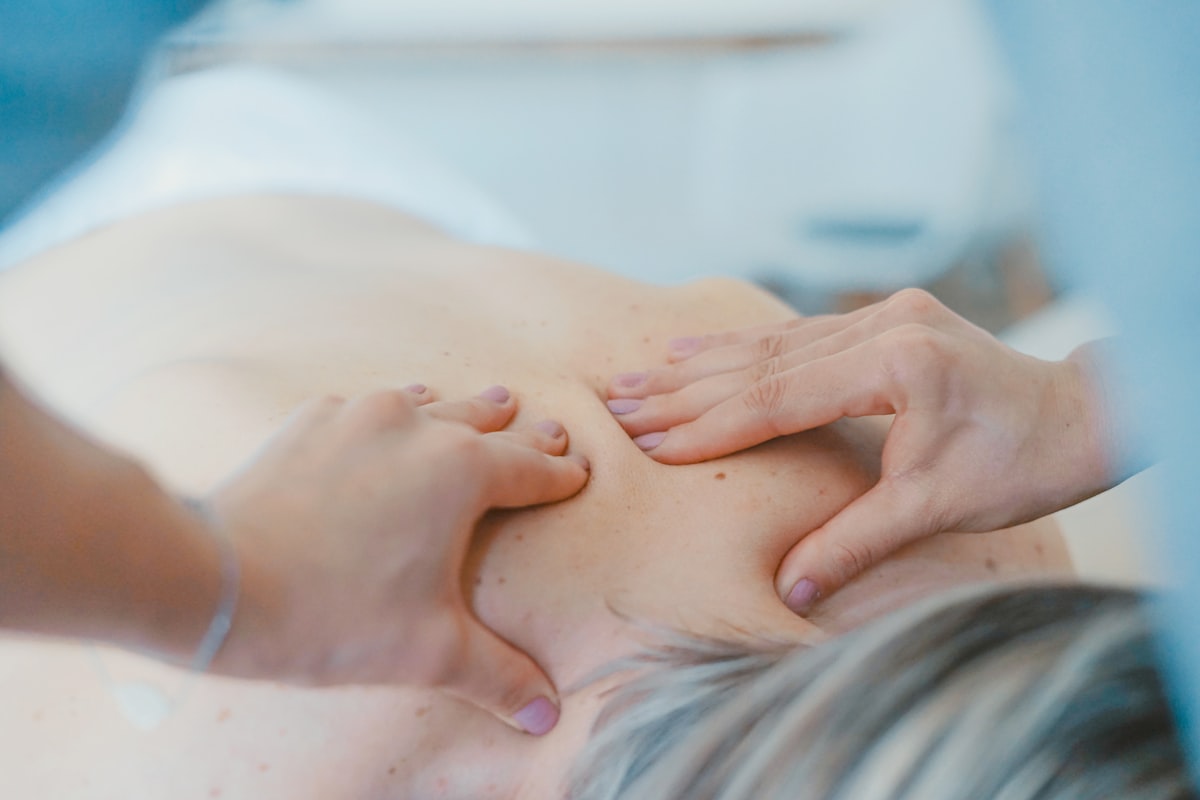
Patients ask me what acupuncture for RA looks like in practice. Here's the honest version. The protocol has three goals: bring down pain and inflammation in the affected joints — the branch; shorten morning stiffness — the symptom patients hate most; and nourish the Deficiency underneath — the root.
The points follow a fairly consistent logic. ST-36 (Zusanli) anchors nearly every protocol — it builds Qi and Blood and supports the Spleen, which matters when methotrexate is rough on the digestion. KD-3 (Taixi) is the Source point of the Kidney channel, the organ TCM says governs the bones. SP-6 (Sanyinjiao) sits where the Spleen, Liver, and Kidney channels meet.
LI-4 (Hegu) pairs with ST-36 in the classic "Four Gates" combination to calm the nervous system. GB-34 (Yanglingquan), the Influential Point of the Tendons, targets the stiffness.
Local points around the joint get added for knee or hand involvement — carefully, because we don't needle directly into an inflamed, swollen joint. That's a mistake you feel immediately, and it doesn't help. The Ming-dynasty protocols in the Zhen Jiu Da Cheng already had this right: combine distal command points with local points, distal for the pattern, local for the joint.
Frequency in my clinic: twice a week for the first four to six weeks, then weekly as things stabilize, then maintenance every two to four weeks. Most patients feel better sleep and less pain within the first three or four sessions. Morning stiffness is the slowest to move — usually four to eight weeks before it's meaningfully shorter.
And during a flare we go distal-only: ST-36, LI-4, SP-6, clearing technique, and nothing near the hot joint until it settles.
- During a flare, ask your acupuncturist to use distal points only — needling directly into a hot, swollen joint during an active flare is inappropriate and counterproductive.
- Bring a log of your morning stiffness duration and pain scores to each acupuncture session — it helps your practitioner adjust the protocol based on objective trends.
- Don't expect overnight results for morning stiffness. It's typically the last symptom to improve — give the protocol 4-8 weeks before judging it.
"For chronic Bi with pain and stiffness, combine the distal command points with the local points of the affected joints. Use reducing technique for the Excess of the invasion and tonifying technique for the underlying Deficiency."
The Herbal Side: Three Formulas Worth Knowing
Herbs are the deepest, most individualized part of TCM treatment for RA — and the part that most needs supervision. Please don't self-prescribe herbs for an autoimmune disease, especially if you're on immunosuppressants. Herb-drug interactions here are complex and sometimes dangerous. That said, knowing what your practitioner may reach for lets you participate in your own care like an adult.
Du Huo Ji Sheng Tang is the classic for Wind-Cold-Damp Bi — fifteen herbs that expel Wind-Damp, warm the channels, nourish Liver and Kidney, and invigorate Blood all at once. " That maps onto the RA symptom picture almost uncannily. Modern trials show significant drops in pain, swelling, and inflammatory markers like ESR and CRP, with the usual caveats about study quality.
Wu Ling San is the one I modify most often for RA patients, which surprises people, because it's not a Bi formula at all — it's a Dampness-draining formula. My Enbrel patient whose morning stiffness dropped from ninety minutes to twenty was on a modified Wu Ling San. It goes after the Dampness component of Cold-Damp Bi — the heaviness, the swelling, the stiffness — while supporting fluid metabolism.
In TCM, the formula follows the pattern, not the disease name.
Bai Hua She She Cao (Oldenlandia) is the herb with the most interesting modern resume. A 2017 pharmacological review found its compounds modulate inflammatory cytokines — including TNF-alpha and IL-6, the very ones the biologics target — while suppressing the aberrant T-cell responses that drive autoimmunity.
" Both come with a real caution: herbs are metabolized by the same liver enzymes that process methotrexate and many DMARDs, so your rheumatologist and your TCM practitioner need to talk to each other. "
- Never self-prescribe TCM herbal formulas for RA. Autoimmune disease + immunosuppressive drugs + potent herbs = a situation that demands professional supervision.
- If your rheumatologist asks what herbs you're taking, give them the specific formula name and ingredients — not just 'some Chinese herbs.'
- Expect your TCM practitioner to monitor your liver and kidney function with regular blood tests if you're on both herbs and DMARDs — this is standard of care, not excessive caution.
"Du Huo treats wind-damp Bi, pain in the joints, and inability to walk. Qin Jiao treats heat-damp Bi with painful, swollen joints. Bai Hua She She Cao clears heat and resolves toxins — the ancient physicians described the functions of these herbs with precision that modern pharmacology continues to confirm."
Food as Medicine: The RA Diet Where East and West Agree
Diet is where TCM and modern nutrition research agree more completely than anywhere else in RA care. Both sides say the same thing: what you eat moves the inflammatory dial, and for an inflammatory disease, food is part of the treatment.
The modern evidence points to a Mediterranean-style anti-inflammatory diet — omega-3s from fatty fish, antioxidant-rich produce, olive oil with its natural COX-inhibiting oleocanthal, fiber to feed the gut microbiome. TCM arrives at a similar menu from a different door.
The Spleen governs digestion — the transformation of food into Qi and Blood — and in RA patients the Spleen is doubly burdened, by the disease and by methotrexate's digestive side effects.
So the TCM prescription emphasizes warm, cooked, easily digestible food; ginger, cinnamon, and turmeric to disperse Cold; bone broth, dark leafy greens, black sesame, and goji berries to nourish the Deficiency root; small regular meals over large heavy ones.
What to eat: salmon, sardines, mackerel; bone broth; ginger and turmeric in everything; colorful vegetables; congee; garlic and onions; berries.
What to avoid: nightshades for the subset of patients who flare on them — the evidence is mixed, but real for some; ultra-processed food and refined sugar; excessive red meat; alcohol, especially alongside methotrexate; and very cold food and drink, which TCM reads as feeding Cold-Damp directly.
If you want to find your own triggers, the evidence-supported route is a supervised elimination diet: drop the common suspects — nightshades, gluten, dairy, sugar — for three to four weeks, then reintroduce them one at a time while tracking pain, stiffness, and swelling. What works for one RA patient won't necessarily work for the next. That's not a failure of the method.
It's the pattern being individual — which, come to think of it, is exactly how TCM has always thought about diet.
- Start with the highest-evidence changes first: increase omega-3 fish intake, eliminate ultra-processed foods and added sugar, add ginger and turmeric to your cooking.
- If you try an elimination diet, reintroduce foods one at a time (3-4 days each) while tracking pain, stiffness, and swelling — the data will tell you what matters for your body.
- Cook your food. From a TCM perspective, cooked, warm food is easier for the Spleen to transform into Qi and Blood — and it's the least controversial dietary recommendation in either tradition.
"The Spleen governs the transformation and transportation of food and fluids. When the Spleen is strong, Qi and Blood are abundant, and the body resists disease. When the Spleen is weak, Dampness accumulates, and the joints suffer."
Putting It Together: TCM and Biologics, Without the Guesswork
Here's the thing I want every RA patient to hear: TCM and rheumatology aren't competitors. Eighteen years of clinic work and the evidence both say the best outcomes come from using both, each for what it's best at. This is the strategy I walk every RA patient through.
Step one — conventional care first. Before any TCM treatment starts, you need a rheumatologist, a confirmed diagnosis, and a disease-modifying plan. Non-negotiable. TCM does not replace DMARDs or biologics in active RA. Step two — full disclosure, both directions. Your rheumatologist should know every herb and supplement you take. Your TCM practitioner should know your exact medications, doses, and blood work.
Safe integrative care is built on that exchange.
Step three — use TCM where it's strong: pain and morning stiffness with acupuncture; herbs for the Deficiency root and for methotrexate's digestive toll; diet, sleep, and gentle movement for the support no medication provides. Step four — coordinate timing. Don't schedule acupuncture right on top of medication dosing. If you're on methotrexate plus herbs, make sure liver function tests are monitored regularly.
Step five — know the red flags that go straight to the rheumatologist, not the herbalist: fever with joint pain, rapid swelling of multiple joints, chest pain or shortness of breath, or signs of drug side effects like mouth ulcers and unusual bruising. " It's the patient on a TNF inhibitor whose morning stiffness drops from ninety minutes to twenty because the acupuncture and herbs are doing their job.
It's the patient on methotrexate whose digestion holds up, who can stay on the drug that's actually protecting their joints — because in the long run, staying on effective disease-modifying therapy is the single biggest determinant of how RA turns out.
- Give your rheumatologist a written list of every supplement and herbal formula you take — and ask your TCM practitioner to provide a written summary of your TCM treatment plan to share.
- Never stop or reduce DMARDs or biologics without explicit instruction from your rheumatologist — even if you feel dramatically better. Feeling better is the goal, not a reason to change the plan.
- If you experience fever, chest pain, or rapidly progressive joint swelling, contact your rheumatologist immediately — these are red flags, not situations for self-treatment.
"The wise physician treats the whole person — the disease, the constitution, and the life the patient lives. In RA, this means using every effective tool: disease-modifying therapy to halt the destruction, and TCM to relieve the suffering, support the body, and restore the quality of life that the disease takes away."
The Honest Bottom Line
Let me pull this together without the polish. RA is an autoimmune disease where the immune system attacks the joint lining — different from osteoarthritis, and it demands disease-modifying treatment.
TCM has recognized and treated this symptom picture for two thousand years as a severe Cold-Damp Bi with an underlying Deficiency of Liver, Kidney, Qi, and Blood, and its treatment addresses both the invasion and the root.
What TCM can honestly do: reduce pain, shorten morning stiffness, improve range of motion, lift some of the fatigue, support digestion during methotrexate, and meaningfully improve quality of life. What it can't do: halt autoimmune progression, prevent erosive damage in active disease, or replace your DMARDs and biologics. Anyone who tells you otherwise is selling something.
The integration strategy is simple on paper: rheumatology for disease modification, TCM for symptom management and constitutional support, full communication between practitioners, regular monitoring. And the dietary piece — anti-inflammatory food, warming spices, cooked whole foods, your own individual triggers identified the slow, careful way — works in either framework.
If you take one thing from this article, make it this: your first appointment should be with a rheumatologist. Everything here is supportive — valuable, but supportive. Used the right way, TCM and conventional medicine together can do what neither does alone: hold the disease at bay and give you back a life worth living in the meantime.
- Book your rheumatologist appointment first — it's the foundation of RA care. Bring this article's integration strategy to discuss with them.
- Set realistic expectations: TCM improves symptoms and quality of life over weeks to months; DMARDs and biologics protect your joints over years.
- You deserve both. Not TCM or conventional medicine — TCM and conventional medicine, each doing what it does best.
"The superior physician treats the patient as a whole person — disease, constitution, and life. Where Western medicine excels at halting destruction, Chinese medicine excels at restoring balance and quality of life. The patient who receives both, from practitioners who communicate, receives the best of both worlds."