The Scale Drops Fast. Here's the Fine Print.
Somewhere between the gym and the pharmacy, weight loss changed addresses. The GLP-1 receptor agonists — semaglutide and tirzepatide are the names on most prescriptions — mimic a gut hormone your own body already makes after meals. They slow the stomach, quiet the appetite circuits, and let a plate of food that used to be a starter count as dinner. The trial results were not subtle.
4 percent on placebo, and 86 percent of the treated group lost at least 5 percent. 9 percent average loss at 72 weeks on the highest tirzepatide dose. Then SELECT enrolled 17,604 people with cardiovascular disease and obesity and found roughly 20 percent fewer heart attacks, strokes, and cardiovascular deaths over nearly 40 months. These are serious medicines with serious receipts.
Worth pausing on what they changed, though, because it frames everything after. Previous weight-loss drugs worked mostly at the margins — a little less hunger, a little more fullness, numbers a skeptic could dismiss. The GLP-1s work at the level of experience. Users describe “food noise,” a background static of thinking about eating, switching off like a radio left on for decades. Meals end early.
Snacking dissolves not through discipline but because nobody in the body is asking. That is a genuinely new situation in obesity medicine, and it deserves better than both the hype and the reflexive suspicion it gets in comment sections.
So the drugs work. Here is the fine print, and it is printed on the body itself. Trials count kilograms leaving. They do not count what those kilograms were made of, and everything the body loses on a steep deficit — everything — competes for the same exit. Fat leaves. So does muscle. The question is the ratio, and for a subset of readers that ratio is the whole story.
An older adult who loses 15 percent of body weight and a quarter of her muscle has traded a metabolic problem for a frailty problem. The scale calls it success either way. Your legs get a vote too, and the next sections are about listening to them.
- Bring a body-composition question to your prescriber, not just a weight target: 'How will we track what kind of weight I'm losing?'
- Weigh less often than you want to — monthly body measurements beat daily scale readings for seeing the real trend.
"When diet is doubled beyond what the Stomach can bear, the intestines and stomach are injured."
Where the Lost Weight Comes From
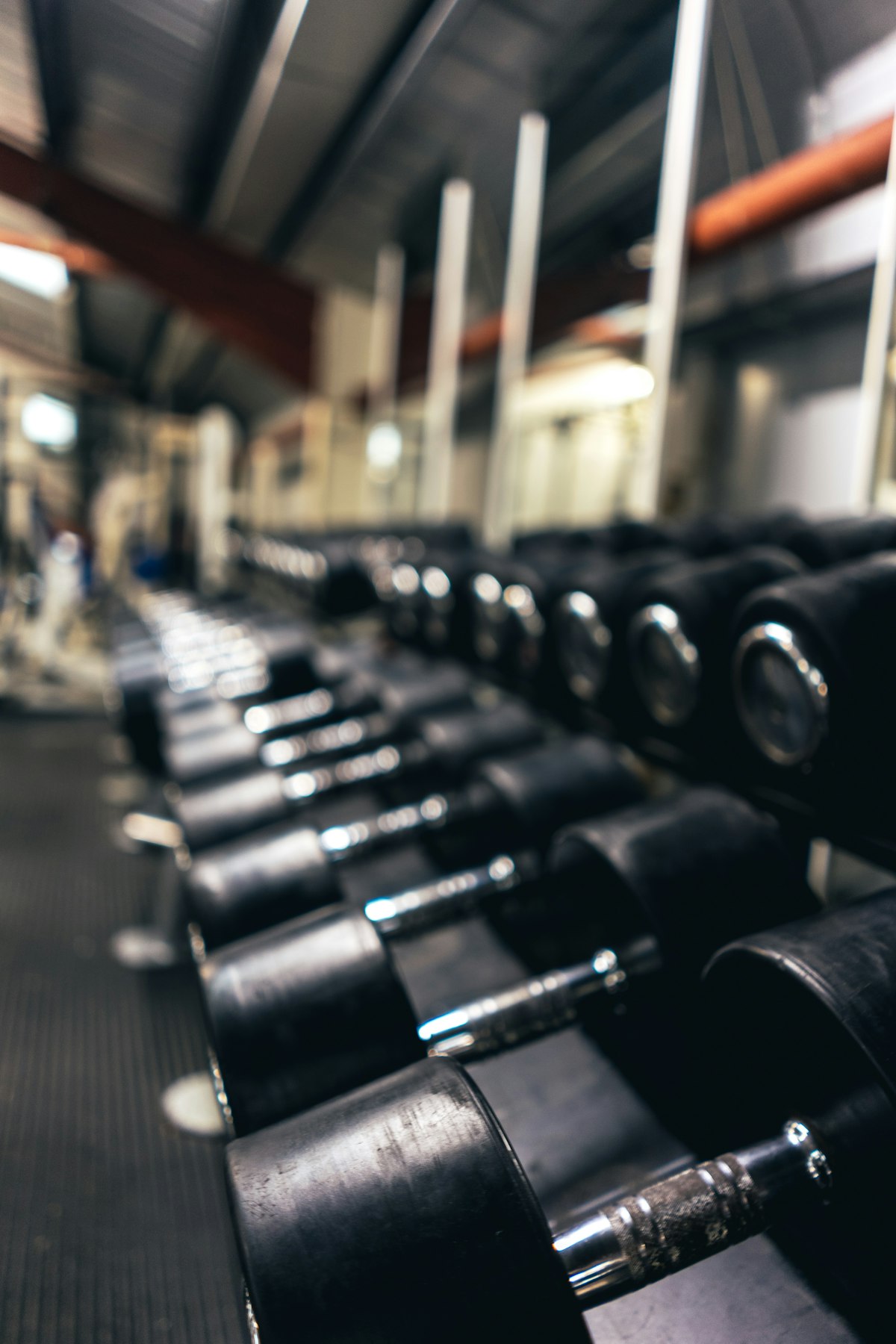
Run a steep deficit through the human body and the exit door does not sort passengers.
Imaging substudies attached to the big GLP-1 trials give the honest accounting: in SURMOUNT-1's DEXA subgroup, fat mass fell about 34 percent on the top dose — genuinely excellent — but analyses across semaglutide and tirzepatide studies generally find that a quarter to two-fifths of total weight lost can be non-fat tissue: muscle, organ protein, water bound in lean mass.
The range varies by drug, dose, duration, and method, and honest researchers argue about the exact split. What nobody argues is zero. Muscle always goes when weight comes off fast. The only variable is how much.
Who bleeds the most? The profile is easy to describe. Sixty and older, because aging muscle resists protein's building signal (researchers call it anabolic resistance). People who have crash-dieted before and rebuilt their weight as fat each round. Anyone eating under about 1,000 calories a day without a protein floor, which describes a surprising number of GLP-1 users whose appetite simply left.
And the sedentary, because muscle the body is never asked to use is muscle it declines to maintain. Medicine has a name for the endpoint of all this — sarcopenic obesity, fat mass and failing muscle in the same body — and it is the one outcome worse than obesity alone for daily function.
European consensus groups now define sarcopenia partly by grip strength, under 27 kilograms for men and 16 for women, a threshold a hardware-store dynamometer can check at home. Not every GLP-1 user lands there. Far from it. But the risk is real enough that the protection plan in Sections 4 through 6 is not optional garnish.
- If your clinic offers DEXA or even bioimpedance tracking, book a baseline scan and repeat it at three and six months.
- Photograph your shoulders, arms, and thighs monthly. Mirrors lie gradually; photos don't.
- Over 60? Assume you need more deliberate protein than a 35-year-old on the same prescription, not less.
"Once-weekly semaglutide plus lifestyle intervention was associated with sustained, clinically relevant reduction in body weight."
The Spleen Owns the Flesh: A 2,000-Year-Old Organ Story
Chinese medicine has been drawing the muscle-and-nourishment connection since before DEXA scanners had electricity. In the Neijing's organ system, the Spleen (Pi) — not the anatomical spleen of lymphatics, but the transformation-and-transport function of the whole digestive middle — takes food in, refines it into essence, and delivers that essence outward to build the flesh.
Suwen Chapter 10 says it flatly: the Spleen governs the flesh of the whole body. Strong transformation, firm muscle. Weak transformation, soft doughy flesh that sags off the frame no matter how the weight runs.
The Suwen's Chapter 8 names the Spleen and Stomach the 'granary officials,' and the metaphor earns its keep here: a granary that ships nothing out feeds no one, and a granary that receives no grain has nothing to ship.
Now put a GLP-1 user inside that metaphor. The Stomach — the granary's receiving dock — barely asks for cargo. Appetite is gone by ten in the morning. So the user skips breakfast, nibbles three bites of a bagel at noon, and picks at dinner, and the modern lab report of that day reads: 850 calories, 38 grams of protein. The classical report of the same day reads: granary empty, transport idle, flesh unfed.
Two vocabularies, one observation. Muscle follows nourishment, and nourishment is a daily logistics problem, not a monthly intention.
There is a classical warning worth borrowing too. The texts never praised restriction for its own sake; they repeatedly warn that depletion of the middle eventually produces the very Dampness and heaviness people were starving to escape. Starve the Spleen long enough and it stops doing its job even when food returns.
Crash dieters recognize the pattern from bitter experience — the weight that comes back thicker than it left. The GLP-1 era has simply automated the restriction part. What it has not automated is the feeding-well part, which is where the next section lives.
- Small appetite does not mean no appetite: find your two most reliable eating windows (often mid-morning and early evening) and defend them for protein.
- The classics favor warm, cooked, regular meals for a quiet Spleen. Cold smoothies all day fight the same digestion you are trying to feed.
"The Spleen governs the flesh of the whole body."
What Protein Does, and Why 'Some Protein' Isn't a Plan
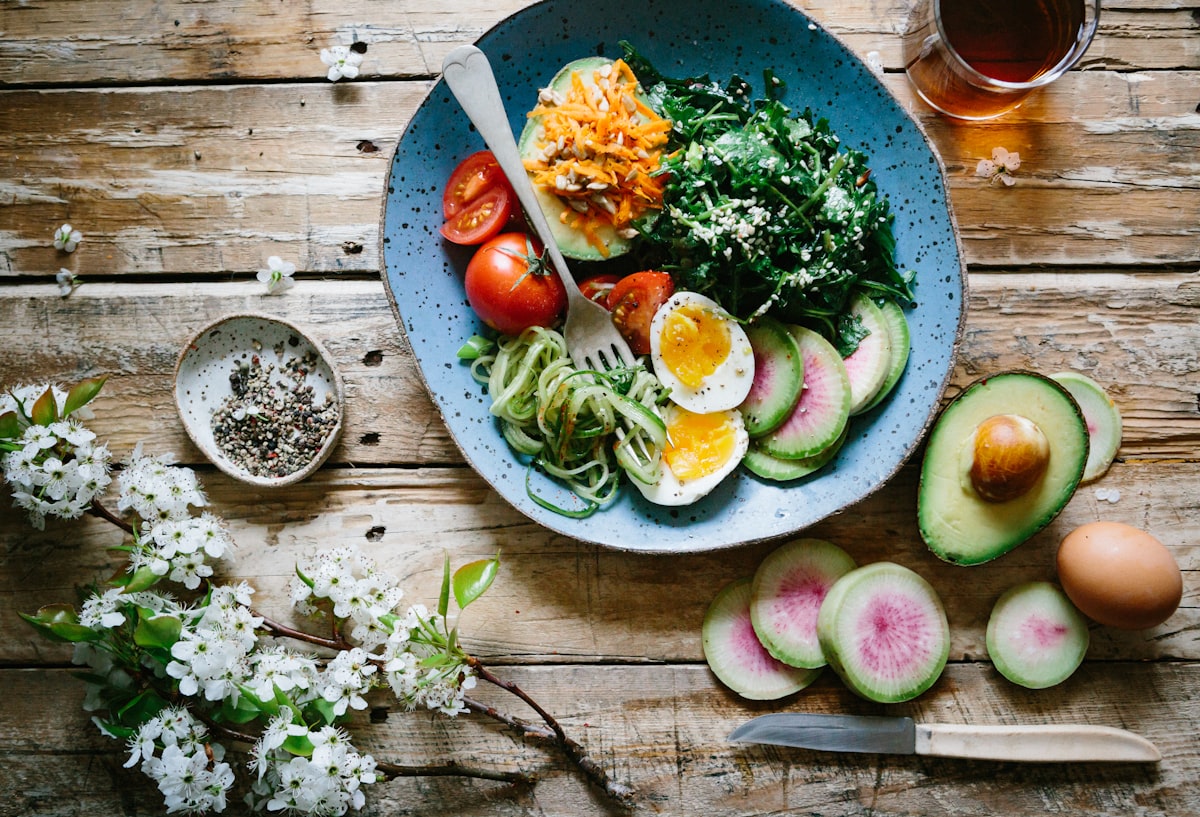
Muscle is built from amino acids in pulses, not smears. The research picture, worked out with tracer isotopes and muscle biopsies, is specific: a meal needs roughly 25 to 30 grams of high-quality protein to switch muscle protein synthesis fully on, and the switch stays on for a few hours, then off.
Skew the whole day's protein into one large dinner — which is exactly what free-eating humans do — and total daily synthesis runs about 25 percent lower than the same grams split evenly across three meals, the finding from Mamerow's 2014 feeding study. Older bodies need even more per pulse, often 35 to 40 grams, because the building machinery gets deaf with age. 6 grams per kilogram of body weight daily.
Now run the GLP-1 obstacle course through those numbers. Appetite caps each meal at a few hundred calories, so a plate that holds 30 grams of protein feels like a holiday feast. Most users are not hitting three pulses a day. Most are not hitting one. This is why the eating order matters so much on these medications: the first bites are the only bites with real room.
Pasta last, protein first — chicken breast before the rice, eggs before the toast, the shake before anything. It sounds like diet-culture choreography. It is actually rationing logic for a stomach on a budget, and it is the single highest-leverage habit on this page.
The classical texts never counted grams, and we will not pretend otherwise.
But Suwen Chapter 21 describes digestion as essence being 'sent up to the Spleen, which scatters it through the body,' and the materia medica fills the shelves with foods-and-herbs for exactly this job: Shan Yao (Chinese yam), a superior-class food-herb that supplements the center and, in the Bencao Jing's own words, promotes the growth of muscle; Huang Qi (astragalus) for Qi that has sunk; congee as the delivery vehicle that a shrunken stomach can actually hold.
A bowl of yam-and-egg congee is both traditions at once — warm transport food with a real protein payload. One honest caveat crosses both systems: significant kidney disease changes every protein number here, so clear your targets with your physician before you chase them.
- Set a floor, not a ceiling: 25-30 grams of protein at two anchored meals beats 90 grams at dinner, even at identical daily totals.
- If solid food is a squeeze, a whey or pea-protein shake counts. Liquid pulses hit the threshold; skipped pulses hit nothing.
- Stir unflavored protein powder into warm congee after cooking. The Spleen stays warm, the grams get paid.
"Drink enters the Stomach; its essence is sent up to the Spleen, and the Spleen's Qi scatters the essence through the body."
Training on an Appetite of Zero
Protein supplies the bricks. Resistance training sends the crew. A 2011 NEJM trial in obese older adults — Villareal and colleagues — put one group on diet alone and another on diet plus exercise, and the difference in what the weight loss was made of told the whole story: the exercise group kept physical function and preserved far more lean tissue while losing the same scale weight.
Muscle the body is asked to move is muscle it fights to keep. That principle has replicated so many times it is close to boring, and it is the reason the protection plan is a protein-plus-lifting package rather than a protein-only one.
Two sessions a week is the honest floor. Sit-to-stands from a sturdy chair, three sets of eight. A resistance band row and press. Goblet squats holding a single dumbbell at the chest. Wall push-ups that graduate toward the floor. None of it requires a gym, none of it requires feeling athletic, and all of it tells the body the muscle is still load-bearing equipment.
Walking fills the other days — 20 minutes after meals helps glucose, digestion, and mood at once — but walking is maintenance, not the signal.
Timing deserves one practical note that trial protocols rarely mention: the day after an injection, queasiness peaks for many users, and a heavy session can turn a tolerable week into a miserable one. Put the hard sessions mid-week, away from injection day, and keep the day-after movement to a walk. The classical take agrees with the moderate reading.
The Neijing tradition treats sweat as driven out by Qi, and profuse forced sweating on an empty middle as a leak in the very system you are trying to build; moxa or firm thumb pressure on Zusanli (ST-36), four finger-widths below the knee cap, is the standard classical gesture toward rebuilding exactly that middle. Two dumbbells and a warm point below the knee: the eras agree more than they differ.
- Anchor lifting to calendar events you already keep — Tuesday and Saturday mornings, 25 minutes, before the day argues back.
- Track progress in reps and load, never in sweat. Dripping is not the signal; tension on the muscle is.
- Seated or supported variations count fully. A band row in a kitchen chair is a real row.
"Zusanli opens the Stomach, strengthens the Spleen, and firms the flesh."
A Practical Protection Protocol
Everything above compresses into six habits that fit on an index card. First, a protein floor at two anchored meals — 25 to 30 grams each, more like 35 to 40 if you are over 60 — with the eating order rule: protein before everything else on the plate. Second, a shake fills any pulse the day's appetite makes impossible; keep the bottle washed the night before because friction wins ties.
Third, resistance work twice a week, 25 minutes, chair squats and bands and whatever weight you own. Fourth, warm cooked food as the default vehicle — congee, soups, braises — because a shrunken stomach holds soft food more comfortably and the classical middle prefers it warm.
Fifth, fiber and water as daily disciplines rather than afterthoughts, since constipation is the side effect users most consistently report and the Spleen tradition treats sluggish transport as its own disorder. Sixth, a waist measurement and a grip reading on the same morning each week, logged, because those two numbers catch lean-mass trouble earlier than the scale ever will.
None of the six is exotic. All six are easy to skip in a month when the medication is doing the visible work and the mirror is flattering. That is the trap the protection protocol exists for: the cost of muscle loss is deferred, quiet, and paid in the third year, not the third week. Six habits, most days, is the entire price.
- Write the six habits on an actual card and put it where the scale is. The scale gets one glance; the card gets read.
- Batch-congee on Sundays: rice, broth, ginger, a handful of yam cubes — then eggs or stirred-in protein per serving all week.
- If constipation bites, kiwifruit, prunes, warm water on waking, and a post-meal walk are the gentle first line, not laxative roulette.
"Ingestion of approximately 25 to 30 grams of protein per meal maximally stimulates muscle protein synthesis in both young and older individuals."
Honest Limits: What We Don't Know Yet
Readers deserve the boundary lines drawn in ink, so here they are. No long-term randomized trial has yet tested a protein-plus-resistance protocol specifically in GLP-1 users; the protection plan extrapolates from weight-loss trials in other populations, from body-composition substudies, and from physiology.
Those are reasonable materials to build with — they are the same materials obesity medicine itself is using while the catch-up trials run — but they are not proof in the top-tier sense, and the exact muscle-loss fraction on any given regimen is still being argued in journals. The DEXA substudies are small. The definitions of sarcopenia differ across consensus groups.
Anyone quoting you a precise percentage of muscle lost on Ozempic is quoting a range and rounding it hard.
The classical side carries its own limits: no clinical trial has tested acupuncture or Chinese herbal medicine in GLP-1 users, and we present the Spleen framework as a coherent, ancient lens on nourishment and flesh — one that keeps arriving at the same practical table as modern protein research — not as a tested treatment for medication side effects.
Two safety notes belong in ink as well. Weight regain after stopping is the rule, not the exception: extension data from STEP 1 found participants regained roughly two-thirds of the lost weight within about a year off treatment, which is why prescribers increasingly treat these as long-term medicines with a plan, not 90-day sprints.
And severe abdominal pain radiating to the back, persistent vomiting, signs of gallbladder trouble, or dehydration are same-day calls to the prescribing clinician, not articles to consult. We are editorial researchers. Your prescriber has your chart; we do not.
- Questions worth asking your prescriber: my baseline muscle status, my protein target on this dose, and how we will track body composition over time.
- If a telehealth service prescribes without ever asking about your eating, your kidneys, or your other medicines, treat that as a warning sign about the service, not the drug class.
"Regain of two-thirds or more of the lost weight within a year of stopping treatment is the common pattern."
If You're Starting One, or Already On One
For those about to begin: the medicine will deliver. The injections are the easy part, and within weeks the food noise most users describe — the low hum of thinking about eating — goes quiet in a way that feels almost rude after decades of its company. Expect the quiet, plan for it, and use it.
An appetite that no longer negotiates is the cleanest opportunity most readers will ever get to build eating habits worth keeping: protein anchored, warm food cooked, water carried, two lifts a week that leave proof in the muscles rather than soreness in the ego.
The audit matters because the medicine reshapes more than appetite. Users report smaller restaurant portions feeling normal within weeks, a grocery cart that changed without a meeting, a water bottle forgotten by the door where snacks used to live. Habits built silently in that window tend to hold precisely because no willpower argued for them.
Habits never built there tend to vanish the day the appetite does, which is the outcome Section 7's regain numbers describe in unflattering detail.
For those already months in: it is not too late to audit. Stand sideways in a mirror and look at the shoulders and thighs, not the waist. Squeeze your own upper arm. If the grip test slid since spring, the six-habit card goes back on the mirror tomorrow morning, and a week of honest protein floors usually moves it back within a month.
And for everyone, one open question worth sitting with: the medicine is teaching a new appetite from scratch, but appetites return when treatment stops. Whatever habits get built inside the quiet — the protein rhythm, the lifted weights, the warm breakfasts — are the only staff that will still be on payroll the day the food noise comes back. Build like you are staying.
That is the whole protocol, and nobody can inject it for you.
- Start the protein and lifting habits two weeks before the first injection if you can — habits built in appetite's quiet window stick better.
- Re-run the grip test and waist measurement on the first of each month and keep the log with the medication box.
"The sage does not treat those who are already sick, but those who are not yet sick."