Two Plates, Same Calories, Different People Afterward
Consider two lunches that carry roughly the same energy. The first: a chicken-and-mayo wrap, a small bag of chips, a cookie. The second: a large bowl of vegetable soup, half a chicken breast over two cups of roasted vegetables, an apple, and a dish of strawberries. The first plate is gone in eleven minutes and sends you hunting for coffee at 2:30.
The second takes twenty minutes to finish and quietly carries you to dinner.
Nothing mystical separates them. Nutrition researchers would point at one number: energy density, the calories packed into each gram of food. 5 to 3 calories per gram, dense and compact. The soup plate sits below 1.
Your stomach, your stretch receptors, and a couple thousand years of eating anatomy respond to weight and volume at least as strongly as they respond to calories, and the first plate delivers very little of either.
This is the operating idea behind volume eating — sometimes called the low-energy-density approach, or by its trade name, Volumetrics, from the Penn State professor who spent three decades testing it. The pitch is unusual among weight-loss strategies because it asks you to eat more food, not less. More weight of food, more plates touched, more chewing. What changes is what each gram costs.
One scope note, as always. Energy density is a well-studied but incomplete piece of the obesity puzzle; it is not a verdict on any single food, and nothing here treats body weight as a character score. The question this article answers is narrower: when the plate gets less dense, what honestly happens to intake, to hunger, and to the scale?
- The single fastest kitchen audit: glance at tonight's planned meal and ask how many of its grams contain water as a major ingredient.
- Energy density is a property of foods and meals, not of people. Nobody is a 'dense eater'; some plates are simply compact.
Calories Per Gram: The Number on No Label
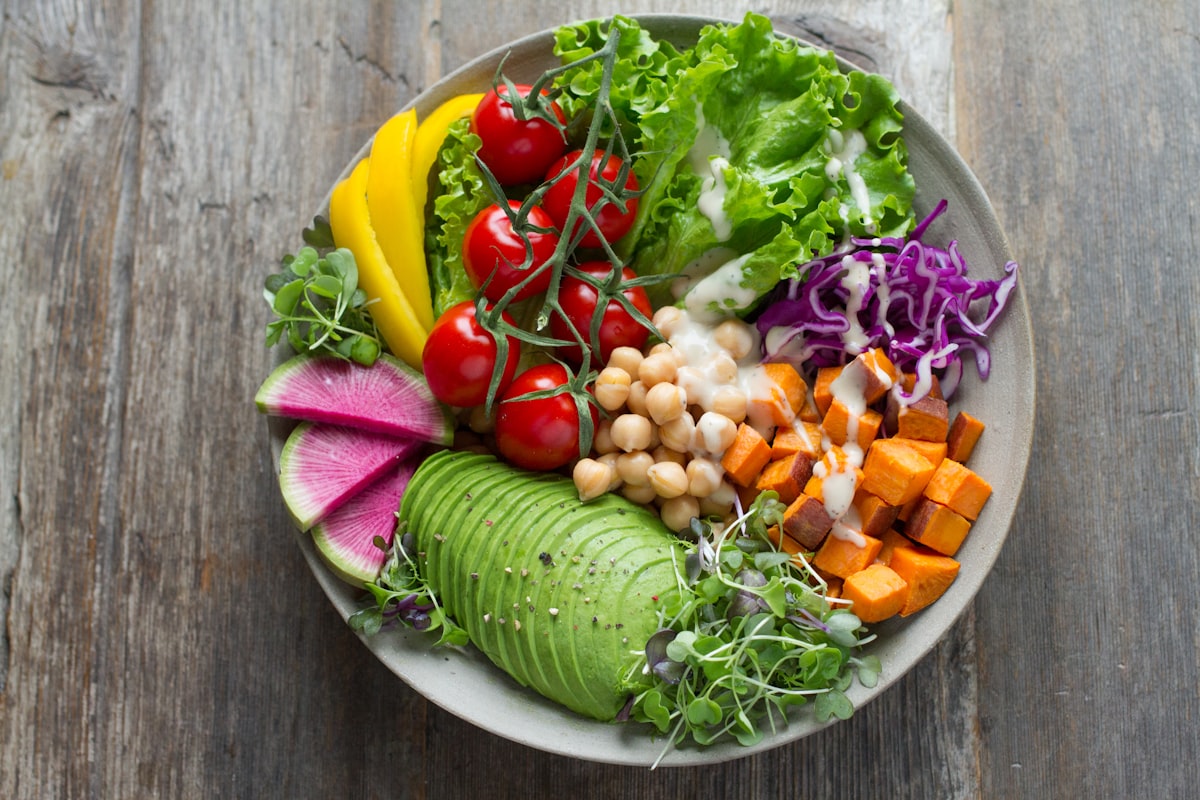
Pick up any packaged food and the label tells you calories, fat, protein, sodium — everything except the number this whole strategy runs on. You have to do a small division: calories per gram. Once you start doing it, supermarket aisles re-sort themselves.
8. 0. 3. 5. Cheese: 4. Oil: 9 — the single densest food in the kitchen, which is why a tablespoon of dressing can out-weigh an entire cucumber in calories. There is nothing good or bad about any of these numbers. Olive oil is wonderful. It is just, per gram, nine times more expensive in energy than zucchini, and appetite regulation does not fully compensate for that difference.
Water is the quiet mechanism. It adds weight and volume to food at zero calories, and — here is the detail worth knowing — water works differently inside food than beside it. A classic Penn State experiment served women the same chicken-rice casserole with a glass of water on the side, and the same casserole with that water blended into it as a soup.
The soup version reduced energy intake at the meal; the glass of water next to the identical ingredients did nothing. Stomach stretch receptors and satiety signaling respond to what is structurally part of the food, not to liquid that passes through quickly.
Fiber plays a supporting role, slowing eating speed and stretching the stomach for longer. Fat plays the antagonist: at 9 calories per gram, even modest amounts triple a dish's density. The practical summary is almost embarrassingly simple. Watery, fibrous, low-fat food fills you up per calorie. Dry, fatty food hides calories in small packages.
- Try the division on three foods you eat weekly. Calories divided by grams — the label does the math for you in the serving-size line.
- Soups and stews are the easiest density win because water enters the food structure itself, not alongside it.
The Penn State Cafeteria, Thirty Years of Lunches
Barbara Rolls' laboratory at Penn State has run some version of the same lunch for decades: bring people in, feed them a manipulated first course or main dish, and measure what they eat next, without telling them anything is being measured. The manipulation is usually energy density or portion size. The measuring is ruthless.
The salad experiments are the cleanest illustration. Forty-two women ate lunch weekly for seven weeks. 33 calories per gram. 33 calories per gram, sometimes more of it. The low-density salads cut how much pasta people ate afterward, by 7 percent for the small portion and 12 percent for the large. The high-density salads did the reverse: total meal intake rose 8 to 17 percent. Same food category.
' Completely different outcome, decided entirely by what was in the dressing jar.
The soup work pointed the same direction. In a later study, sixty adults ate a low-density vegetable soup before lunch in four different textures — broth with vegetables separate, chunky, chunky-pureed, fully pureed. Every form cut total meal energy by about 20 percent compared with no soup, and texture made no difference. Volume, again, did the work.
Two honest observations about this literature. First, most of these trials run over single meals or a few days, in a lab, with food provided — real kitchens and real months are messier. Second, the effect requires the dense calories to actually go down, not stack on top. A first-course salad plus the usual everything-else is just more food.
The mechanism only pays out when the second course shrinks in response, which is a behavior, not a metabolism.
- Start meals with the least dense thing on the menu — broth soup, plain vegetables, fruit — before touching the dense parts.
- Dressing and cheese are where a salad's energy density doubles or triples. The vegetables were never the problem.
"The five grains nourish, the five fruits assist, the five livestock benefit, the five vegetables fill."
Assembling the Plate Without a Spreadsheet
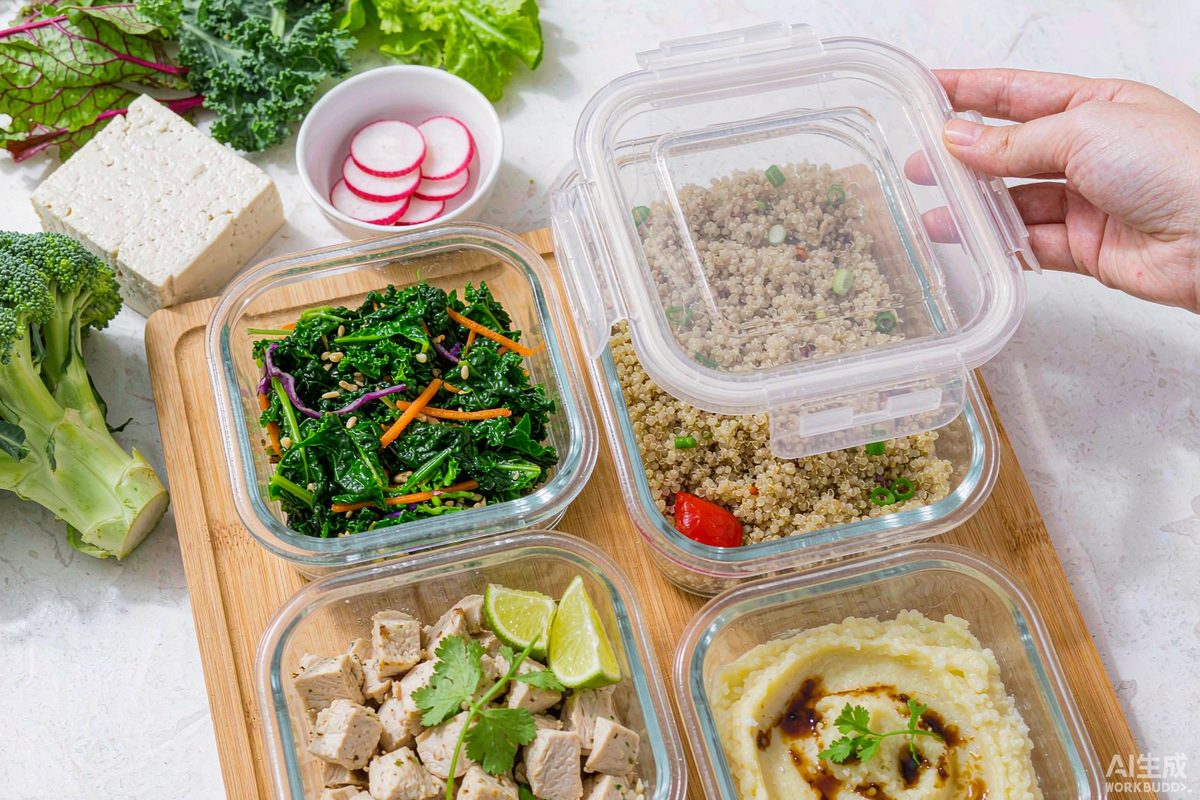
Translating all this into an actual Tuesday dinner needs no apps and no weighing, just three moves that stack.
Move one: give water-rich food the majority of the plate's real estate. Vegetables, fruit, broth-based soups, stews with generous liquid. This is not a moral instruction — it is plate geometry. A stir-fry built on two cups of cabbage and mushrooms with a modest slice of meat over it delivers a stomach-filling volume of food whose calories a fried noodle box would match at a third the weight.
Move two: downgrade the densest component instead of banning it. Oil in the pan, cheese on top, nut butters, dressings — each is nine or four calories per gram, and each is easy to halve without the change registering on your tongue. Cutting fat is where much of the density drop happened in the successful trials; the fruit-and-vegetable advice worked alongside a fat reduction, not instead of one.
Move three: keep some structure at the end of the meal. Pure volume with no protein or dense anchor tends to unravel two hours later, which is how a 'healthy' lunch becomes a 4 p.m. pastry. A modest dense component — eggs, fish, tofu, beans, a spoon of grains — is not a compromise of the strategy. It is what makes the strategy survivable.
Notice what none of these moves ask: no calorie counting, no hunger, no smaller total volume of food. That is the entire appeal. Appetite regulation is imperfect but it is not stupid; given plates that weigh enough and chew enough, it frequently trims intake on its own. The strategy works with the body's existing sensors instead of demanding willpower outrun them.
Batch preparation makes this sustainable more than inspiration does. A pot of vegetable soup on Sunday, roasted trays of vegetables, washed fruit visible on the counter — the low-density option has to be the convenient one, or the dense default wins at 7 p.m.
- When restaurant ordering, lead with the broth soup or undressed vegetable course; the dense main that follows will be smaller without effort.
- Halve added fats before cutting anything else — oil is the densest ingredient in most home kitchens and the least missed at half amount.
The One-Year Test: More Food by Weight, Less Weight on the Scale
Lab meals are one thing. A year of real life is the actual question, and there is a trial for it.
Ninety-seven women with obesity were randomly assigned to two counseling programs, neither with any calorie goal at all. One group was told to reduce dietary fat. The other got the same fat advice plus instruction to eat more water-rich foods — particularly fruit and vegetables. Both groups were told to eat as much as they wanted.
After a year, both had lost significant weight, which already says something about eating fewer calories without counting them. 4, a statistically meaningful difference, and the mechanism files were revealing: they ate a greater total weight of food than the comparison group, more fruit and vegetables specifically, carried a lower energy density in their diet records, and reported less hunger.
They were, in effect, dieting by eating more.
The trial has limits worth saying plainly. It was ninety-seven women, completers numbered seventy-one, self-reported diet records, and the difference between groups, while real, was not a chasm. There was also no no-intervention control — both groups received counseling and attention.
Still, the pattern across this trial, the salad studies, and the soup studies holds together: when water-rich food genuinely displaces dense food, intake falls and hunger stays manageable. Which raises the obvious failure case — what happens when the displacement never happens? That question has a blunt answer, and it deserves its own section.
One mechanism note explains why the hunger relief matters as much as the calorie math. Weight-loss attempts usually fail from the top down — a prescribed deficit collides with a ramping appetite around week three, and the dieter loses the standoff. The low-density approach inverts the order: the stomach is fed its expected load first, so the appetite never has an emergency to report.
In the year-long trial, the group eating the greater weight of food also reported less hunger at every check-in, which is why seventy-one of ninety-seven women were still doing the program a year later. Adherence is not a personality trait. It is mostly what happens when the strategy and the stomach are pointed the same direction.
Any eating plan that requires hunger as a toll has set its own failure condition; this one tries, with partial success, to abolish the toll.
Where the Strategy Fails, Honestly
In 2014 a team at the University of Alabama published a systematic review asking the simple question: does telling people to eat more fruit and vegetables cause weight loss? They collected randomized trials of at least eight weeks where produce intake went up and body weight was an outcome. The pooled result across seven trials: no discernible effect on weight. Not small.
Zero, with confidence intervals that included zero comfortably.
The reconciliation with the Penn State work is not mysterious. In every successful trial, adding the water-rich food came paired with an explicit push to cut something denser — usually fat, or portion sizes of dense mains. Advice to simply add produce, without the displacement, mostly just adds produce.
Calories do not care about the source; the stomach filling up with extra cabbage does not automatically veto a second helping of pasta unless the eater lets it. Adding without subtracting is garnish, not strategy.
There are other honest frictions. High-density 'salad trap' foods — dressings, cheeses, candied nuts, dried fruit — can turn a first course into a net calorie gain, as the salad study showed directly. Liquid calories remain a separate failure mode: a smoothie is water-rich by weight but gets drunk past the chewing machinery too fast for satiety to register proportionally.
And people with disordered eating patterns should not read any of this as license to fill up on unlimited quantities; volume eating is a weight-management tactic, not a treatment, and a registered dietitian is the right first call for anyone whose eating feels disordered rather than merely difficult.
None of this makes the strategy useless. It makes it conditional: volume works when it displaces, and only then.
- If you add a vegetable side and nothing else changes, expect nothing to change. The strategy lives in the subtraction.
- Watch the salad add-ons: at 4 calories per gram, a heavy hand of cheese undoes two cups of lettuce.
What the Han Doctors Put in the Fill Slot
The Huangdi Neijing's dietary chapter, Zang Qi Fa Shi Lun, lays out a plate architecture in sixteen characters: grains nourish, fruits assist, livestock benefit, vegetables fill. Most commentary dwells on the first clause. The interesting one for this article is the last — 充, to fill. Vegetables were not assigned a healing property or a flavor virtue.
They were assigned a structural role: the stuff that completes the bulk of the meal. Two thousand years before energy density had a name, the densest-culture medicine in the world had already given watery plant food the job of filling volume at low cost.
The same chapter carries a warning that reads, from the modern side, like a peer review of the 2014 meta-analysis: grains, meat, fruits, and vegetables sustain life through eating, but do not carry any of it to excess, for excess injures the body's upright qi. Adding one category without restraint is not nourishment; it is just a new excess.
The classical text and the Alabama reviewers, separated by twenty-three centuries, agree that addition alone does nothing.
The Shennong Bencao Jing, the Han-era pharmacy classic, catalogues white gourd — a vegetable that is roughly 96 percent water — among its superior foods, praising the seed as something that 'benefits qi and prevents hunger' (益气不饥). Preventing hunger while benefiting qi is, almost verbatim, the modern definition of a low-energy-density food: satiety delivered, energy spared.
Winter melon soups in Chinese kitchens, the mild giant of the gourd family that Sima Qian's contemporaries slurped, are volume eating in a bowl — which suggests the strategy is less a discovery than a rediscovery of what frugal, sensible kitchens always did when calories were dear.
The parallel deserves one more turn. Classical dietary medicine was written by and for people for whom food scarcity was the ordinary condition, and its eating advice optimizes relentlessly for getting full without overspending — congee stretched with vegetables, gourds swollen with water, broth courses before dense dishes.
Modern volume eating arrived at the same architecture from the opposite direction: scarcity of fullness amid a surplus of calories. The tools differ — one tradition portioned by season and constitution, the other by calories per gram — but both built the meal around the same observation.
A stomach that is given weight is a satisfied stomach, and satisfaction, not restraint, is the thing that holds a diet together for a year.
"When the stomach is full the bowel is empty; when the bowel is full the stomach is empty; they empty and fill in turn, and so qi moves up and down."
A Way of Counting That Mostly Counts Itself
No strategy in the obesity literature is a cure, and volume eating is not either — the year-long trial's seven-kilogram average is honest about the ceiling. But as strategies go, its failure modes are unusually legible. You can tell, tonight, whether it is operating in your kitchen: did the water-rich food go onto the plate, and did something denser quietly get smaller? Two yeses and the mechanism is live.
One yes and you have a nice vegetable habit, which has its own value, just not this one.
The deeper appeal is temperament. Most dietary advice hands you an arithmetic job — points, grams, windows, counts — and asks you to run it forever, against an appetite that is very good at its own job. Energy density recruits the appetite instead. The stomach is given the weight it expects; the stretch receptors fire; the meal ends because the eater is done, not because a number said so.
It is, in the old text's language, letting the fill slot do its assigned work.
If you want one experiment rather than a doctrine, try this for a week: before dinner, a bowl of broth-based soup or a plate of plain vegetables, and then serve the usual meal and notice what you actually take. Most people discover the subtraction happens by itself. And if it does not — if you add the soup and eat everything as before — that is useful data too, and it tells you where the real work is.
The open question worth carrying around: your appetite has been auditing your plates all along. The only question is whether the audit has been easy to pass.
A caution for the road, because strategies this agreeable attract overreach. Volume eating says nothing about which low-density foods deserve the space — a plate of diet soda and pickles is technically compliant and nutritionally vacant. It says nothing about medical conditions, medications, or the eating disorders mentioned earlier, all of which outrank any blog's advice.
What it offers is a frame for the ordinary case: a generally healthy person whose default plate drifted dense over the years, whose appetite still works, and whose kitchen could stand a little rearranging. For that person, the arithmetic is gentle, the food is abundant, and the evidence, while not unconditional, is as honest as the obesity literature gets.
- One-week trial: soup or plain vegetables first, usual dinner after, no other changes. Watch whether the main course shrinks on its own.
- If the subtraction never happens, the density of your main dishes — not your discipline — is the thing to redesign.