Why Eating in Season Is a Medical Decision, Not a Lifestyle Choice
Every traditional medicine on earth noticed the same thing: human bodies run on a seasonal clock. Our ancestors ate what the land produced when it produced it, and their healing systems — Chinese, Ayurvedic, European — organized themselves around the turning of the year. TCM built the most elaborate version of that idea, and it's not decorative garnish. It's core doctrine.
The Yellow Emperor's Inner Canon, written roughly 2,200 years ago, opens its practical prescriptions with a chapter on seasonal living — Suwen Chapter 2, 'Si Qi Tiao Shen Da Lun,' on regulating the spirit according to the four seasons. Physicians are told to adjust every treatment, and every food recommendation, to the season. The engine underneath is the Five Elements, Wu Xing: Wood, Fire, Earth, Metal, Water.
These aren't mystical substances. They're five phases of transformation — growth, expansion, ripening, contraction, storage — cycling through nature and through the body.
Each phase carries a season, an organ, a flavor, a color, a climate, and a set of foods that 'enters' it. Eat with the current phase and you support what the body is already trying to do. Eat against it — watermelon in January, heavy stews in July — and you create friction that, over years, becomes illness. I used to think this was poetry.
Then I watched patients improve every spring and relapse every November, year after year.
Modern chrono-nutrition has started to catch up. A 2018 review documented measurable seasonal variation in energy metabolism; a 2019 study of circannual rhythms found appetite, fat oxidation, and even gut microbiome composition shift across the year. The seasons change your biology whether you acknowledge them or not. The TCM food calendar is just a system for working with those changes instead of against them.
Here's the complete map — what to emphasize, what to reduce, and why, for all five seasons, including the one most people forget.
- The TCM seasonal calendar runs on the traditional Chinese solar terms, not the Western equinox/solstice calendar exactly — each season starts about six weeks before its Western counterpart's midpoint. Spring begins around early February (Li Chun).
- The single most practical rule: when a food is in season locally, it is almost always the energetically appropriate food for that season. Nature packages the medicine with the crop.
- You don't need to overhaul your diet overnight. Pick one seasonal change per week — this week it's spring greens, next week it's less ice in your drinks — and let the calendar compound.
"The sages did not treat those who were already ill, but those who were not yet ill. They governed the four seasons, kept the five elements in order, and thereby prevented disease before it arose."
The Season Map: Element, Organ, and Flavor at a Glance
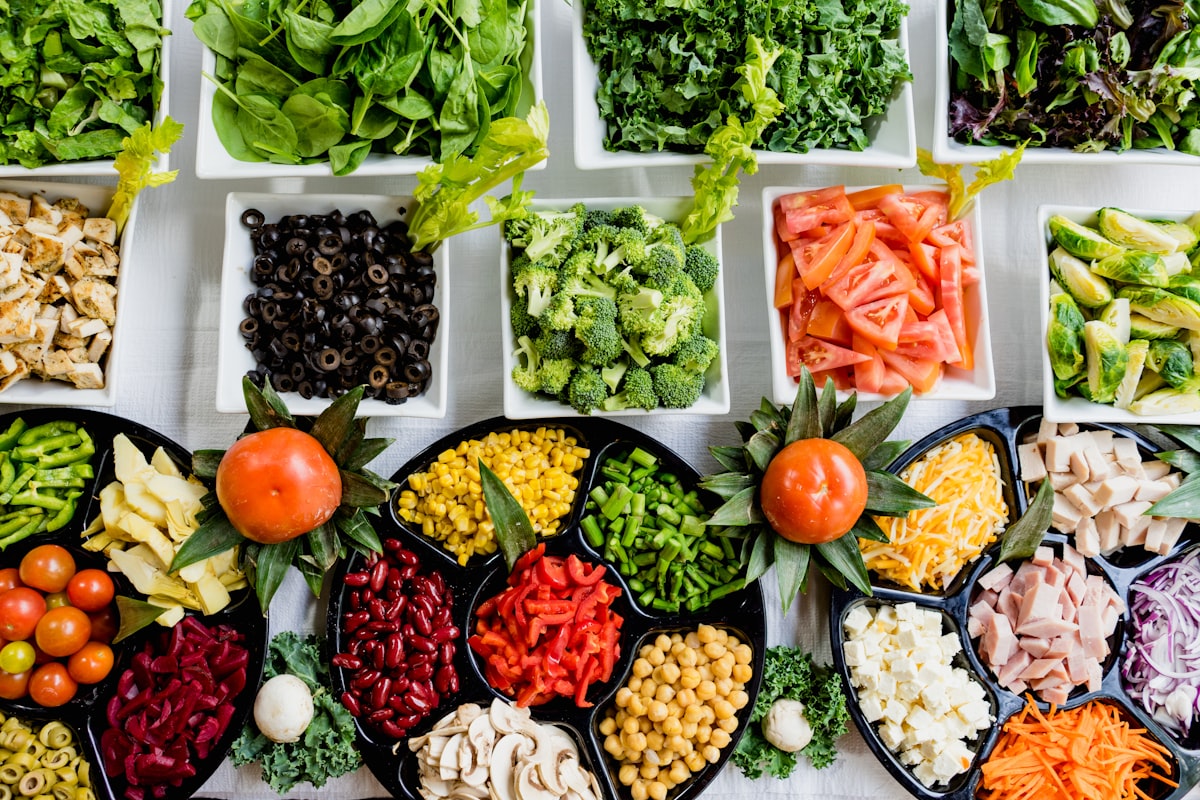
Here's the correspondence table that organizes everything else in this article. Keep it in your head and the rest is just groceries.
Spring belongs to Wood — growth and upward movement, a tree pushing through soil. Its organ is the Liver, which governs the smooth flow of Qi through the body; its flavor is sour, which 'enters the Liver'; its color is green, its climate wind, its emotion anger — which the Liver must keep flowing, not suppress.
Summer belongs to Fire — expansion, heat, radiance. Its organ is the Heart, which houses the Shen (spirit) and governs Blood and the pulse. Its flavor is bitter — cooling and draining, the body's natural air conditioner. Color red, climate heat, emotion joy.
Late summer — the fifth season, Chang Xia, the 'Long Summer' — belongs to Earth: the ripening phase, the pivot between seasons. Its organ is the Spleen, which transforms food into Qi; its flavor is sweet in the TCM sense — the gentle sweetness of grains and root vegetables, not refined sugar. Color yellow, climate dampness, emotion worry.
Autumn belongs to Metal — contraction, harvest, letting go. Its organ is the Lung, which governs Qi and the skin; its flavor is pungent — the dispersing, drying quality of ginger, scallion, and radish. Color white, climate dryness, emotion grief.
Winter belongs to Water — storage, rest, deep nourishment. Its organ is the Kidney, which stores Jing, the body's essence; its flavor is salty, in moderation — the flavor of consolidation. Color black, climate cold, emotion fear. Every food recommendation in the next five sections is this table translated into what goes in a shopping cart.
- Print the map or save it to your phone: season → element → organ → flavor → color. When you're standing in the produce aisle unsure what to buy, ask: 'What color and flavor does this season call for?'
- TCM assigns the fifth season, Late Summer, to the last 18 days of each of the four seasons in some schools — meaning Earth/Spleen care is woven into every transition. Either way, sweet grains and squash are never wrong.
- Each organ also has a two-hour peak window (the organ clock) — the Liver peaks 1-3 AM, the Heart 11 AM-1 PM, the Spleen 9-11 AM, the Lung 3-5 AM, and the Kidney 5-7 PM. Feeding an organ during its window amplifies the seasonal effect.
"The east gives rise to wind, wind gives rise to wood, wood gives rise to sour flavor, sour flavor nourishes the Liver... The south gives rise to heat, heat gives rise to fire, fire gives rise to bitter flavor, bitter flavor nourishes the Heart."
Spring: Wood, Liver, and Sour — Greens, Sprouts, and Getting Unstuck
Spring is the season of birth. Sap rises, buds unfurl, seeds push up through cold soil. In the body, TCM says the same movement is happening in your Liver: the Wood organ is responsible for the smooth, upward, outward flow of Qi. When Liver Qi flows freely you feel flexible, decisive, creative, even-tempered.
When it gets stuck — the classic 'Liver Qi Stagnation' — you feel irritable, tense, prone to sighing, with tightness in the chest and a lump-in-the-throat sensation. Spring is when those patterns flare.
The flavors of spring: sour first, green always. Sour — lemon, lime, vinegar, fermented foods, sour plums, green apples — 'enters the Liver' and supports its gathering function. Think of a squeeze of lemon waking up a dish; sour does the same for sluggish Liver Qi. Green foods are the color of Wood: pea shoots, asparagus, baby spinach, watercress, dandelion greens, and the season's signature vegetable, the sprout.
Sprouts are literally concentrated spring — mung bean, soybean, broccoli — the plant at its moment of maximum upward energy. Cook them lightly, a quick stir-fry or blanch, to keep the fresh upward nature while sparing a weak Spleen the burden of raw food.
What to cut back on in spring: heavy greasy food, which bogs down the Liver's free flow; alcohol, the classic Liver toxin in both medical systems; and the emotional suppression TCM names as spring's true illness — swallowed anger and resentment. I've seen March patients whose only real problem was six months of unexpressed frustration, and the dietary fix worked better when we said it out loud.
Recipes to anchor the season: a simple sour-and-green soup — chicken or vegetable broth with pea shoots, a squeeze of lemon, a teaspoon of rice vinegar — once or twice a week. Or a mug of warm water with lemon before breakfast, to 'wake the Liver.' Sweet-and-sour fish and vinegar-dressed wood-ear mushroom salad both lead with the sour the Liver is asking for.
- The spring rule of thumb: every meal should contain something green and something sour. A squeeze of lemon on asparagus, rice vinegar in the salad dressing, sauerkraut as a condiment.
- If you get irritable or sigh a lot in March, your Liver is telling you it's stuck. Increase sour, increase greens, and add a gentle walk after meals — movement is the Liver's best friend.
- Sprouts are spring's superfood — but cook them lightly. Raw sprouts are cold and hard to digest for a weak Spleen; a 2-minute stir-fry keeps the energy and removes the burden.
"The three months of spring are called the time of germination and development. Heaven and Earth give birth together, and the ten thousand things flourish. Sleep late and rise early, move the body with slow, expansive strides... This is the way of responding to spring, the way to nourish life."
Summer: Fire, Heart, and Bitter — Eat Cool in Nature, Not Cold in Temperature
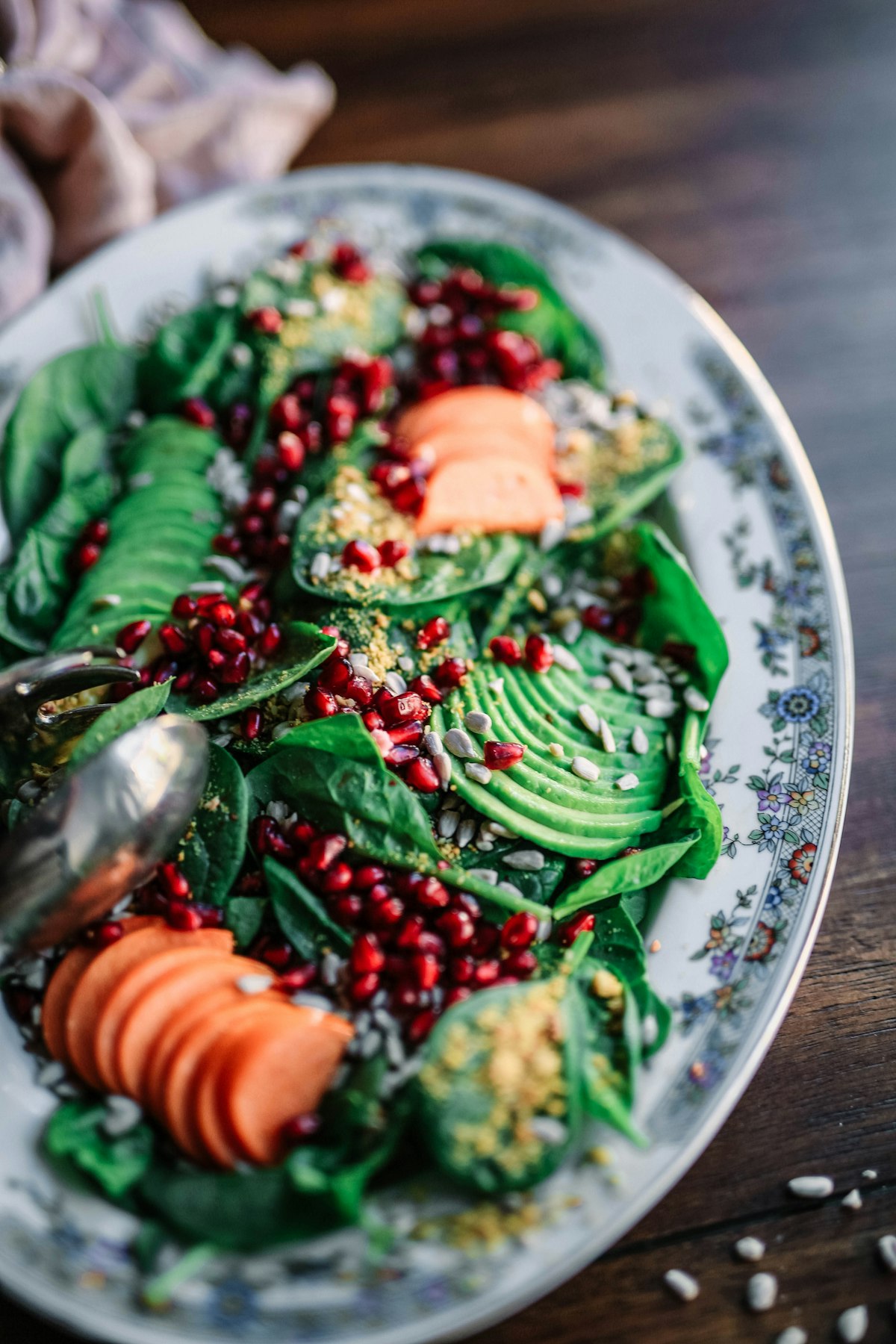
Summer is maximum Yang: expansion, heat, activity, outward radiance. In the body, Fire maps to the Heart — the organ that pumps Blood, houses the Shen (consciousness, sleep, spirit), and shows itself in the complexion and the tongue. The flavor of Fire is bitter, and here's the genius of the system: the flavor that 'enters the Heart' is exactly the flavor that cools the body in summer heat.
Bitter foods drain heat, dry dampness, and pull excess downward — an internal air conditioner.
The bitter foods of summer: bitter melon — ku gua, the archetypal summer vegetable in Chinese cuisine — plus dandelion greens, arugula, radicchio, endive, celery, and the bitter teas: chrysanthemum, honeysuckle, and a properly made cup of green tea.
Beyond bitter, the cooling family: mung beans and mung bean soup, the classic summer cooler used for millennia against heatstroke; cucumber; watermelon, in moderation — cooling and diuretic, perfect in July, wrong in January; lotus root, winter melon, mint, water chestnut.
The body's summer job is simple: stay cool, keep fluids circulating, protect the Heart from heat. Sweating is the main cooling mechanism, and TCM is careful about it — summer sweating is healthy, but excessive sweating depletes Qi and Yin, which is why summer fatigue and afternoon exhaustion are so common. I tell patients to treat the 2 PM crash as a heat problem, not a caffeine problem.
What to reduce: paradoxically, ice. Not because cold is bad in heat, but because sudden cold shocks the Spleen's digestive fire and, per TCM, can 'close the pores' just when the body needs to release heat through the skin. Room-temperature or warm drinks, even in July, are the traditional prescription.
Also cut: deep-fried foods, which layer greasy heat on top of summer heat; excessive spice beyond your tolerance; and alcohol in the heat of the day.
Season recipes: mung bean soup — simmer mung beans with a little rock sugar and a slice of licorice until the beans split; a cup a day in heat waves. Bitter melon stir-fried with egg, the bitter balanced by the neutral egg, a classic pairing. Chrysanthemum and goji berry tea for the afternoon. Summer's prescription in one line: eat cool in nature, not cold in temperature.
- Bitter is the flavor most Western diets are missing. If you never eat bitter, start with the mild end: arugula in salads, dandelion tea, or a slice of bitter melon in soup — your palate adapts within two weeks.
- In a heat wave, a bowl of warm mung bean soup at midday beats a cold drink: it cools from the inside without shocking the digestive system. This is the traditional Chinese 'air conditioning soup.'
- Protect the Heart's rest: the Heart houses the Shen, and Shen is restored in sleep. Summer's long days tempt late nights — but the Heart's peak window (11 AM-1 PM) asks for a short midday rest, not a 2 AM bedtime.
"The three months of summer are called the time of flourishing and expansion. Heaven and Earth interact, and the ten thousand things bear fruit... The flavor bitter enters the Heart and drains heat. When heat prevails, cool with bitter."
Late Summer: Earth, Spleen, and Sweet — the Season Everyone Forgets
Between summer's fire and autumn's metal sits the fifth season: Late Summer, Chang Xia, the season of Earth — the ripening, harvesting, golden middle of the year. Western calendars don't have a fifth season, so this is the TCM concept most people miss. Missing it is costly, because Earth corresponds to the Spleen and Stomach — the transformation center of the whole body, the organs that turn food into Qi.
The flavor of Earth is sweet, and TCM draws its most important distinction here: the sweet that nourishes is the sweet of whole foods — sweet potato, winter squash, pumpkin, millet, corn, red dates, honey, ripe fruit. Not refined sugar. Whole-food sweetness in moderation tonifies the Spleen; excess refined sugar creates Dampness — the sticky pathological accumulation behind bloating, brain fog, and weight gain.
The foods of late summer: the entire squash family — pumpkin, butternut, acorn, kabocha; sweet potato and yam; millet, the most Spleen-friendly grain in TCM, warm and neutral, the traditional grain for congee; corn, mushrooms, carrots, and the yellow foods that match Earth's color. The Spleen's needs are simple: warm, cooked, simple food at regular times in moderate portions.
Late summer is the season to build the Spleen's strength, because the Spleen is what carries you through the transitions into autumn and winter. The classic saying is that the Spleen is the root of postnatal Qi — every ounce of energy you have gets processed through it. Reduce raw and cold food, the Spleen's worst enemies; excess sugar and refined flour; irregular meal times; and overeating.
The Spleen's transformation capacity is finite, and Dampness is what accumulates when you exceed it. The humidity of late summer makes it worse — this is the season of the classic damp-heat digestive complaints: bloating, heavy limbs, sticky stools, a thick tongue coating.
Recipes: millet porridge with pumpkin and a few red dates — the archetypal Spleen-strengthening breakfast; roasted squash with a drizzle of honey; a simple yam and corn soup. If you take one thing from this section, take this: the Earth season is your annual chance to repair your digestion before the cold months demand more of it.
- Use the late-summer window (the final stretch of summer and early autumn) as your annual digestive tune-up: warm cooked breakfasts, no iced drinks, no snacking after 8 PM, and a bowl of millet congee at least three times a week.
- Sweet potato and pumpkin are the ideal late-summer snacks — they satisfy the sweet craving that the Spleen naturally has while feeding, not clogging, the transformation center.
- If your tongue shows a thick, greasy coating in August, dampness is accumulating: cut sugar and dairy for two weeks and add mung bean or azuki bean soup — the dampness will visibly clear.
"The Spleen governs the middle burner and is the root of the acquired constitution. It transforms food and drink into Qi and Blood. Its season is late summer, its flavor is sweet, and its color is yellow."
Autumn: Metal, Lung, and Pungent — Radish, Ginger, and Letting Go
Autumn is the season of contraction. Leaves fall, sap descends, nature turns inward. The element is Metal — gathering, refining, releasing what's no longer needed. The organ is the Lung, which in TCM governs Qi, respiration, the skin, and the body's defensive energy, Wei Qi. Its emotion is grief — the emotion of letting go.
Its climate is dryness, and dry lung is the classic autumn pattern: dry cough, dry skin, scratchy throat, and a susceptibility to colds that arrives precisely when the weather turns.
The flavor of autumn is pungent — the dispersing, ascending, drying quality in ginger, scallion, garlic, radish, horseradish, mint, and the spices. Pungent foods disperse: they open the pores, move stagnant Qi, push things outward — which is exactly what the Lung does when it breathes and exactly what you want at the start of a cold.
That's why the classic TCM cold remedy is ginger and scallion tea: pungent, dispersing, lung-directed.
But autumn runs a two-sided strategy, because the same dryness the Lung must manage means you also need moistening foods: pear, the signature autumn fruit — moistening, cooling, lung-nourishing; the classic remedy for dry cough is pear simmered with rock sugar.
Add apple, persimmon, honey, white fungus, lily bulb, and the white foods that match Metal's color — white radish, daikon, cauliflower, white cabbage, tofu, rice.
The prescription: pungent foods to disperse and protect against colds, paired with moistening foods against the drying climate — and a reduction of the summer cooling foods that no longer serve you: iced drinks, cold watermelon, excessive raw salads. Cut back on overly spicy-hot food too; too much can dry the Lung further.
And the emotional layer: unresolved grief and the inability to let go, which TCM names as autumn's true illness. Like everything in this system, it responds to the season's foods — the gentle pungency of ginger tea and the moist comfort of pear soup are the physical side of letting go.
Recipes: pear and rock sugar soup — pear chunks simmered twenty minutes with rock sugar and a few goji berries; white radish and pork rib soup, the radish dispersing, the broth moistening; ginger-scallion tea at the first chill.
- At the first tickle of a dry throat in October, start the pear-and-rock-sugar soup: two pears, a thumb of rock sugar, twenty minutes. It is the single most effective food remedy for autumn dryness I know.
- Keep fresh ginger in everything this season — grated into soups, steeped in tea, stirred into stir-fries. Its pungent, dispersing nature is the Lung's seasonal ally.
- Autumn is the season to lighten the emotional load along with the physical one: TCM pairs the Lung with grief, and both respond to letting go — deep exhales, decluttering, and warm pungent food all move the same energy.
"The three months of autumn are called the time of balance and gathering. Heaven's Qi is urgent, Earth's Qi is bright... Retire early with the chickens and rise with the dawn. Nourish the Lung Qi and keep the spirit calm."
Winter: Water, Kidney, and Salty — Root Vegetables and the Season of Storage
Winter is the season of storage. The element is Water — the deepest, most yin phase, the state of the seed buried in frozen soil, conserving everything for spring. The organ is the Kidney, which in TCM is the root of life: it stores Jing, the inherited and acquired capital of the body, governs bones, teeth, hair, and ears, and anchors the breath. The emotion is fear, the climate cold, the color black.
The flavor is salty — the flavor of consolidation and descent — with a caveat that matters: TCM means a subtle salty flavor, seaweed, miso, a little mineral-rich salt in broths, not the sodium overload of processed food. Winter is when the body's deepest work happens below the surface, and the prescription follows: warm, slow-cooked, deeply nourishing food that supports the Kidney's job of storing essence.
The foods: root vegetables of every kind — carrot, parsnip, turnip, potato, sweet potato, taro, lotus root, burdock — vegetables that spent the season underground, storing energy the way the Kidneys do. Bone broths and slow-simmered soups, the traditional winter medicine: long-cooked bones release minerals and gelatin in the most absorbable form. Warming spices — ginger, cinnamon, star anise, cloves, black pepper.
And the black foods that match Water's color: black rice, black sesame, black beans, black fungus, black dates. Black rice — the 'forbidden rice' of the imperial court — is winter's signature grain.
What to reduce: cold and raw food, absolutely — iced drinks, ice cream, and raw salads are the single most common dietary insult to winter health I see in the West. Excessive salt beyond the subtle seasoning that nourishes the Kidneys. Excessive sweating — vigorous exercise that leaves you drenched depletes the Yang winter needs to store.
And overwork: the Kidney is the organ of constitutional reserve, and winter is the season to spend time, not to spend it down.
Recipes: bone broth simmered overnight with ginger, garlic, and a piece of cinnamon bark — a cup daily is winter's tonic. Black rice congee with black sesame and a little honey for breakfast. Lamb or beef stew with root vegetables and star anise, the classic warming winter meal. One line for the season: eat what the earth stored, cook it long and slow, and let your body store along with it.
- Winter's rule: if it comes from underground or from a long simmer, it belongs on your plate. Root vegetables, bone broths, black beans, and slow-cooked stews are the season in food form.
- Keep the salt subtle: a pinch of mineral-rich salt or a spoon of miso in broth nourishes the Kidneys; the salt in chips and deli meat just taxes them. The flavor is the same; the dose and source are everything.
- My grandmother's rule, revisited: watermelon in winter is not just tasteless — it is cold and diuretic, actively working against the Kidney's job of conserving warmth and fluids. Seasonal eating is medicine; this is what she meant.
"The three months of winter are called the time of closing and storing. Water freezes and earth cracks; do not disturb the Yang... Retire early and rise late, waiting for the sunlight. This is the way to store Qi, the way to nourish the Kidney."
Moving Between Seasons: Three Rules for the In-Between Weeks
The Chinese calendar doesn't switch seasons on a single day. Each season bleeds into the next through a transition period, and TCM teaches that the transitions are when the body is most vulnerable and the diet needs the most care. Three principles govern every one of them.
First, change gradually — one food group at a time. When spring arrives, don't dump the winter stews and switch to salads overnight. Your Spleen has adapted to warm cooked food, and a sudden flood of raw greens registers as bloating and fatigue.
For the first two weeks, eat the new season's foods alongside the old: stew with a handful of spring greens stirred in at the end, winter root vegetables with lemon and vinegar on top. New flavors should arrive as seasonings before they arrive as staples.
Second, honor the last 18 days. In the most influential school of TCM thought, the Earth phase — Spleen and Stomach — rules the last 18 days of each season, the bridge period. That means the Spleen-strengthening foods of late summer — millet, pumpkin, sweet potato, warm cooked meals — are never wrong, because the Spleen is what carries every transition.
If you do nothing else during a season change, eat warm, simple, well-cooked food in the bridging weeks and keep meal times regular.
Third, watch your body's signals — they're the most accurate calendar you have. Seasonal transitions are when latent patterns surface: spring allergies (Liver wind), summer heat rash and irritability (Heart heat), autumn dry cough (Lung dryness), winter cold hands and fatigue (Kidney Yang deficiency).
When a pattern flares at a season change, that's the system telling you which organ needs support — and the seasonal food calendar tells you what to add.
A practical checklist for each change: swap the previous season's lead foods for the new season's, gradually; keep one bowl of warm congee or porridge daily through the transition; cut iced and raw food for the first two weeks; and add the new season's flavor as a seasoning — lemon in spring, bitter greens in summer, ginger in autumn, warming spices in winter.
Follow that cycle for one full year and you'll have internalized what my grandmother practiced for eighty: eating with the seasons isn't folklore. It's the original personalized medicine, calibrated by nature to the turning of the year.
- Keep a one-line food diary across a full year — what you ate and how you felt — and the seasonal patterns in your own body will become visible. This is your personal version of the Suwen.
- The most common transition mistake is going cold turkey: cold turkey off warm food in spring, cold turkey off salads in autumn. Two weeks of blending seasons avoids the whole class of transition complaints.
- If you can only commit to one seasonal habit, make it this: a warm, cooked breakfast every day of the year, adjusted to the season — congee with greens and lemon in spring, mung bean porridge in summer, millet with pumpkin in late summer, pear and oatmeal in autumn, black rice congee in winter.
"If one follows the seasons in eating and living, the body will be in accord with Heaven and Earth. If one goes against them, disease arises within; to go against the seasons is to injure the root."