The Five-Color Plate: How Your Grandmother Was Doing Organ Medicine Without Knowing It
Walk into a traditional Chinese kitchen around dinner time and the plate will never be one color. Something red — goji berries floating in soup, a few red dates in the congee. Something green, something yellow or orange, something white, and something black or deep purple. My grandmother didn't arrange her table for looks; she was born in 1928, and Instagram wasn't part of the calculation.
She was doing organ medicine, three times a day, and she'd been doing it since before I was born.
The Yellow Emperor's Inner Canon put the principle in writing roughly two thousand years ago, and it still governs how a lot of people shop and cook. Each color enters a specific organ: red to the Heart, green to the Liver, yellow to the Spleen, white to the Lungs, black to the Kidneys. It sounds like folklore until you set it next to modern phytochemistry.
Red foods are dense in lycopene and anthocyanins, the pigments that protect cardiovascular tissue. Greens concentrate chlorophyll, folate, and the glucosinolates that support the liver's phase II detox pathway. Yellow-orange foods carry carotenoids that keep digestive mucosa and immune function in shape. White foods bring allicin, quercetin, and polysaccharides with lung-protective and antimicrobial effects.
Black and purple foods are the richest dietary source of anthocyanins — compounds that cross the blood-brain barrier and shield kidney tubules from oxidative stress.
The old physicians had no mass spectrometers. They had centuries of case notes and pattern recognition, season after season. On this one, they got it right.
- A quick kitchen audit: open your refrigerator right now and count how many of the five colors are represented. If you're missing one completely, that's the organ system you're underfeeding.
- The Five Colors principle works especially well for people who feel overwhelmed by nutrition advice — forget macros for a moment and just ask: did I eat something red, green, yellow, white, and black today?
- Dried ingredients are your secret weapon. Red dates, goji berries, black sesame, wood ear mushrooms, and dried lily bulb live in your pantry indefinitely and make it easy to add a missing color to any dish.
"The five colors enter the five zang organs. Green enters the Liver. Red enters the Heart. Yellow enters the Spleen. White enters the Lungs. Black enters the Kidneys."
Red Foods for the Heart: It Was Never About Romance
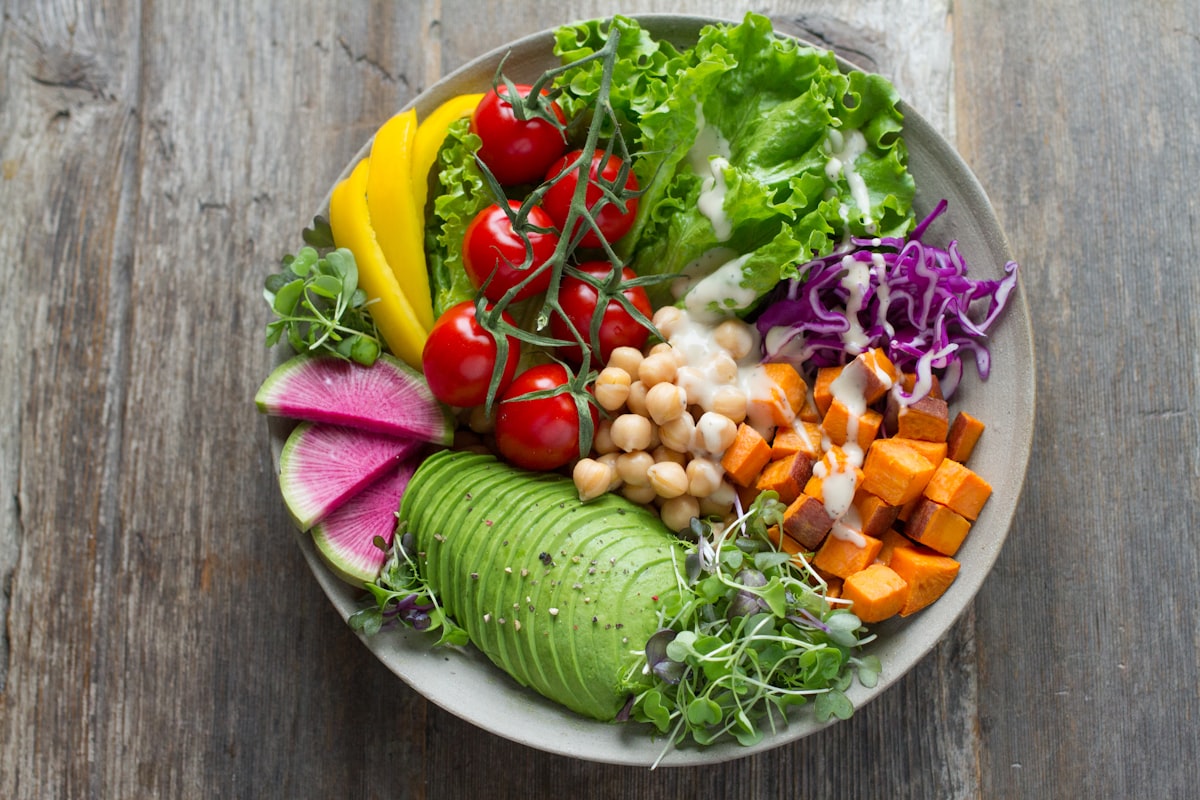
In TCM the Heart isn't just a pump. It houses the Shen — the spirit, the emotional core of a person. When the Heart is well fed, sleep comes easily, moods stay level, and the face carries that particular glow the classics call 'lustrous.' The tongue should be pink and moist; pale or dark, and the Heart is telling you something.
The classic red foods are goji berries, red dates (jujube), hawthorn berry, tomatoes, adzuki beans, dragon fruit, watermelon — and each one does something different. Goji nourishes Liver Blood and Kidney Yin; in the Five Element cycle the Liver is the Heart's mother, so Blood work always starts there. Red dates tonify Spleen Qi and rebuild the raw material the Heart needs.
Hawthorn moves Blood Stagnation, the closest thing TCM has to a gentle circulatory stimulant, and Chinese cooks have used it after heavy meals for centuries.
Modern research lines up more neatly than I expected when I first started comparing the two systems. Lycopene — the pigment behind tomatoes and watermelon — reduces LDL oxidation and improves endothelial function, and a 2016 systematic review in Nutrients tied it to lower systolic blood pressure through mechanisms that have nothing to do with its antioxidant activity.
Hawthorn has survived multiple clinical trials for mild heart failure; a 2008 Cochrane review found real gains in exercise tolerance. Red beans bring soluble fiber and resistant starch that feed butyrate-producing gut bacteria. Goji polysaccharides modulate the NLRP3 inflammasome, the pathway underneath so much chronic cardiovascular disease.
'Nourishing Heart Blood,' a colleague of mine likes to say, 'turns out to be a network of named mechanisms.' You don't need the biochemistry to get the benefit. Put something red on the plate. That's the whole instruction.
- Simmer 5-6 red dates (da zao) in your rice water or congee — it infuses the dish with gentle sweetness and Blood-nourishing properties without any added sugar.
- Hawthorn tea after a heavy meal is one of the oldest TCM digestive aids — steep 1 teaspoon of dried hawthorn berries in hot water for 10 minutes and sip slowly.
- If you have a 'hot' constitution (flushed face, easily irritated, trouble sleeping), go easy on very warming red foods like lamb and dried ginger and favor neutral-cool red foods like tomatoes and watermelon.
"The Heart governs the Blood and vessels. When the Heart is full of Blood, the face is lustrous. When the Heart's Blood is deficient, the face is pale and without radiance."
What Green Foods Actually Do for Your Liver
Most people get the TCM Liver wrong. It's not primarily the detox organ of Western biochemistry — though it does that work too. In Chinese medicine the Liver commands the free flow of Qi through the whole body. When that flow is smooth, digestion works, emotions stay even, periods don't hurt, and the eyes stay bright.
When it stalls — from stress, from suppressed anger, from too much sitting — you get the classic cluster: irritability, PMS, bloating that wanders around the abdomen, sighing, tight shoulders, that feeling of a lump in the throat.
Green enters the Liver channel, and the list of green foods is long: spinach, kale, bok choy, chard, watercress, green tea, celery, cucumber, mung beans, wheatgrass, mint, cilantro. Their shared action is to clear Heat, course the Liver, and brighten the eyes.
Celery and cucumber run cool, which makes them valuable for Liver Fire — the red-eyed, headachey, quick-to-anger pattern that shows up when years of stagnation finally catch fire. Green tea is cool and slightly bitter, so TCM practitioners recommend it in the morning and steer people away at night. Mung bean soup is still China's answer to heatstroke.
The nutrition data here is almost embarrassing in its one-sidedness. Leafy greens are the single food group most consistently associated with lower all-cause mortality in the epidemiology. Chlorophyll supports phase II liver detoxification by switching on the Nrf2 pathway, the body's master antioxidant switch.
Cruciferous greens convert glucosinolates into sulforaphane, which human trials have shown accelerates the excretion of environmental toxins like benzene and acrolein. A 2019 review in Oxidative Medicine and Cellular Longevity walked through the hepatoprotective machinery of polyphenols — suppression of NF-kB, reduced stellate cell activation, more mitochondrial biogenesis in liver cells.
One mistake I see constantly: people eat all their greens raw. Raw vegetables run cold, and cold damages the Spleen — the organ you need to process them in the first place. Lightly steamed or stir-fried, they keep the Liver benefit without the digestive cost. When patients tell me they feel 'wired' and irritable, my first suggestion is usually a week of cooked greens and less coffee.
The mood change often shows up within days.
- The most common TCM mistake with green foods: eating them all raw. Raw vegetables are energetically very cold and can damage the Spleen. Lightly steaming or stir-frying greens preserves their Liver-coursing benefit while protecting digestive Qi.
- Green tea timing matters. Drink it between 9am and 2pm — when Liver Qi is naturally most active (Liver time in the TCM body clock is 1-3am, but the day-waking Yang energy supports its function in the morning and early afternoon).
- If you feel irritable, tense, or 'wired,' try a week of increasing cooked leafy greens and celery juice while reducing coffee, alcohol, and spicy food. The effect on mood can be noticeable within days.
"The Liver stores Blood and governs the free flow of Qi. When the Liver is harmonious, the Qi flows freely, the Blood circulates without obstruction, and all the organs are nourished."
Yellow Foods for the Spleen: Digestion's Engine Room, Fueled by Gold
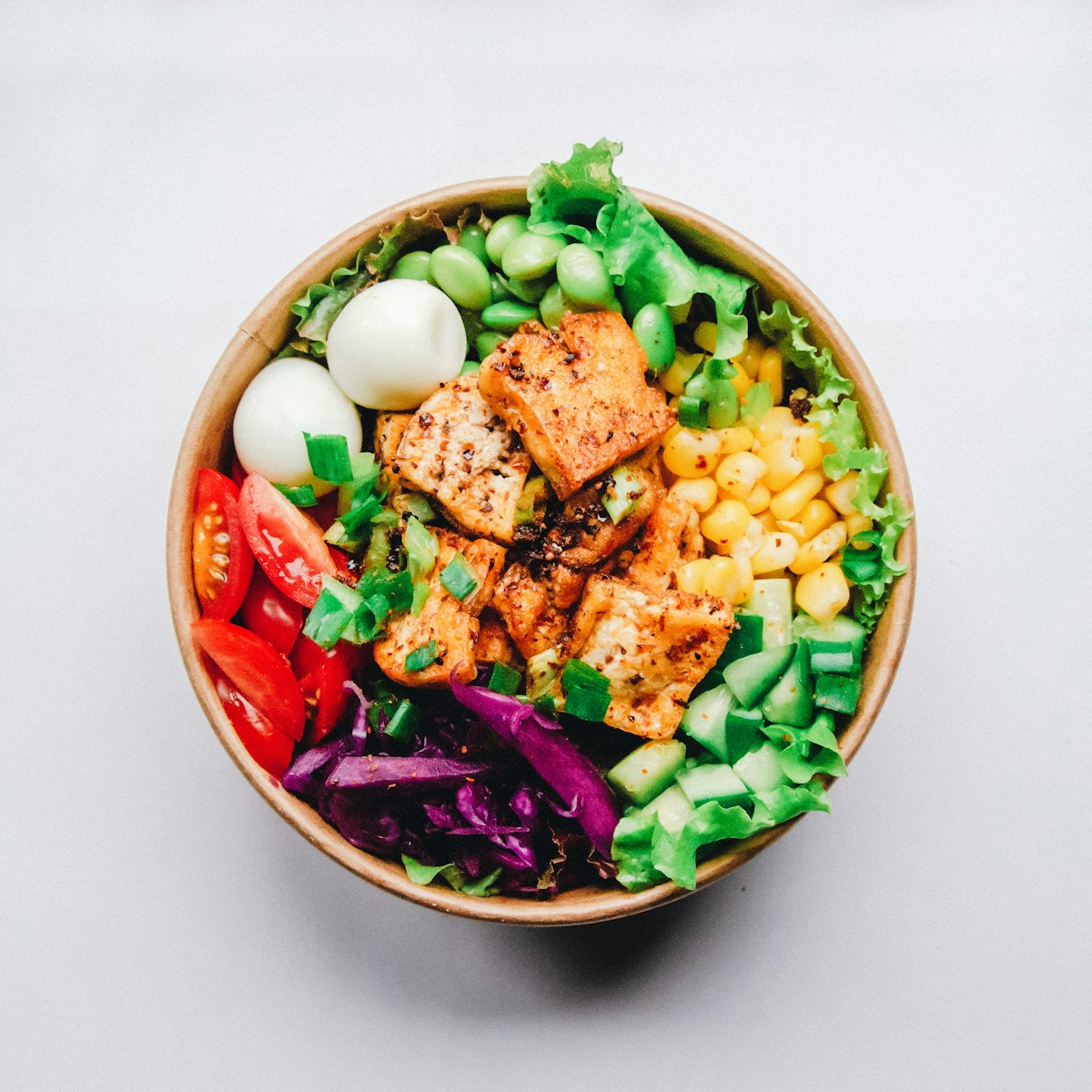
Let's get one thing straight: the TCM Spleen is not the anatomical spleen. It's the central digestive organ — the system that turns food into Qi and Blood, sends nourishment up to the Lungs and Heart, and holds Blood inside the vessels. Strong Spleen, easy digestion, steady energy, firm muscles, clear thinking.
Weak Spleen — and by the time most people reach my clinic, it is weak — means bloating after meals, loose stools, an afternoon energy crash, heavy limbs, easy bruising, and a pale tongue with scalloped edges. In my practice notes it's the single most common deficiency pattern I see, and it's usually diet-driven.
Yellow is the Spleen's color. Millet, pumpkin, sweet potato, corn, carrot, chickpea, soybean — and the heavyweight champion, Chinese yam (shan yao). Millet deserves more respect than it gets; it's the only grain that runs slightly cool, so it nourishes the Spleen without generating Dampness the way wheat does.
Pumpkin and sweet potato are warm and sweet; they're the first foods TCM pediatricians reach for with a child who isn't thriving. Chinese yam shows up in about a third of all herbal formulas — neutral, sweet, and slippery when cooked, and that mucilage is considered a physical sign of its moistening action.
The modern map of why yellow-orange foods help digestion is detailed. Beta-carotene becomes vitamin A, which maintains the intestinal epithelial barrier — the single cell layer that decides whether you absorb nutrients or leak undigested protein into your bloodstream. Soluble fiber feeds Bifidobacterium and Akkermansia, the strains most tied to barrier health.
A 2017 RCT in the American Journal of Clinical Nutrition found that daily beta-carotene-rich vegetables measurably reduced intestinal permeability in adults with metabolic syndrome. And the mannan polysaccharides in Chinese yam protect gastric mucosa in animal models while promoting beneficial gut bacteria.
The Spleen's job is extraction: pull nourishment out of food, build Blood, keep everything moving upward. Yellow foods hand it the raw materials. Start with millet congee for breakfast and see what happens to your afternoon energy.
- Millet congee (xiao mi zhou) is the ultimate Spleen breakfast. Cook 1/3 cup millet in 3 cups water for 30-40 minutes until creamy. Top with a few goji berries (red — Heart) and a pinch of black sesame (Kidney). You've just covered three organs in one bowl.
- Pumpkin should be eaten cooked, never raw. Roast it, steam it, or simmer it in congee. Raw pumpkin is too cold for the Spleen and can actually cause digestive distress in those who are already Spleen-deficient.
- If you bloat after meals and feel lethargic, try this for one week: no raw vegetables, no cold drinks, no dairy, and a warm breakfast that includes at least one yellow food. The difference can be striking.
"The Spleen and Stomach are the foundation of postnatal existence. When the Spleen-Stomach is strong, the body flourishes. When the Spleen-Stomach is weak, the hundred diseases arise."
White Foods for the Lungs: The Case for Radish, Asian Pear, and Snow Fungus
The Lungs govern Qi and respiration, open into the nose, control the skin and body hair, and run the Wei Qi — the defensive energy that guards the body's surface against whatever is going around. Strong Lungs: you don't catch things, your skin stays clear, your voice carries, breathing feels effortless.
Weak Lungs: you're the office cold magnet, skin dry or eczema-prone, voice thin, maybe a lingering dry cough or allergies that flare at the wrong season.
White foods are the Lung foods. Daikon radish, Asian pear, almonds, lotus seed, white fungus (tremella), rice, tofu, water chestnut. Daikon is pungent and cool — it dissolves Phlegm, descends rebellious Qi, opens the chest. That's why it shows up next to oily, heavy food everywhere from Japanese tempura bars to Chinese roast-meat restaurants: it cleans up the Dampness-Phlegm those foods generate.
The rough-skinned Asian pear (Ya Li, if you can find it) is cool and sweet; it moistens Lung Yin and stops a dry tickle, and it's the first thing grandmothers reach for when anyone starts coughing. Tremella — snow fungus — is essentially TCM's answer to hyaluronic acid. Soaked overnight and simmered, it becomes a silky, hydrating soup for the kind of dryness no amount of drinking water fixes.
The science is worth noting, with one honest caveat. Allicin from garlic, onion, and radish has documented antimicrobial and mucolytic properties, and a 2014 Cochrane review found garlic preparations cut common-cold incidence by roughly 60 percent versus placebo — about as close as epidemiology gets to the Wei Qi concept.
Tremella polysaccharides stimulate hyaluronic acid synthesis in fibroblasts in cell studies, which matches the 'Lungs govern the skin' teaching. Pears bring soluble fiber and sorbitol that soothe irritated mucosa.
The caveat: much of this is in vitro or small-scale. The Cochrane cold data is the strongest piece, and even it has limits. I tell patients the evidence is suggestive, not conclusive — and that a steamed pear with rock sugar is cheap, safe, and tastes good either way.
- The simplest Lung-moistening home remedy: slice an Asian pear in half, scoop out the core, fill the hollow with rock sugar or a drizzle of honey, steam for 20 minutes, and eat warm. It stops a dry cough faster than most over-the-counter syrups.
- White fungus (tremella) needs to be soaked overnight before cooking. Once rehydrated, simmer it with a few red dates and a slice of fresh ginger for 40-60 minutes — the result is a silky, hydrating dessert soup that's especially good in autumn and winter when Lung Yin is most vulnerable to dryness.
- If you have a 'Damp-Phlegm' pattern (productive cough, heavy sensation, thick tongue coat), be cautious with very moistening white foods like pear and tremella — you may need to add ginger or tangerine peel to balance the moistening effect.
"The Lung is the canopy of the organs. It governs Qi, manages respiration, and spreads the Wei Qi to the surface of the body. When the Lung is clear, the hundred vessels flow smoothly."
Black and Purple Foods for the Kidneys: What Sesame, Beans, and Mulberries Actually Do
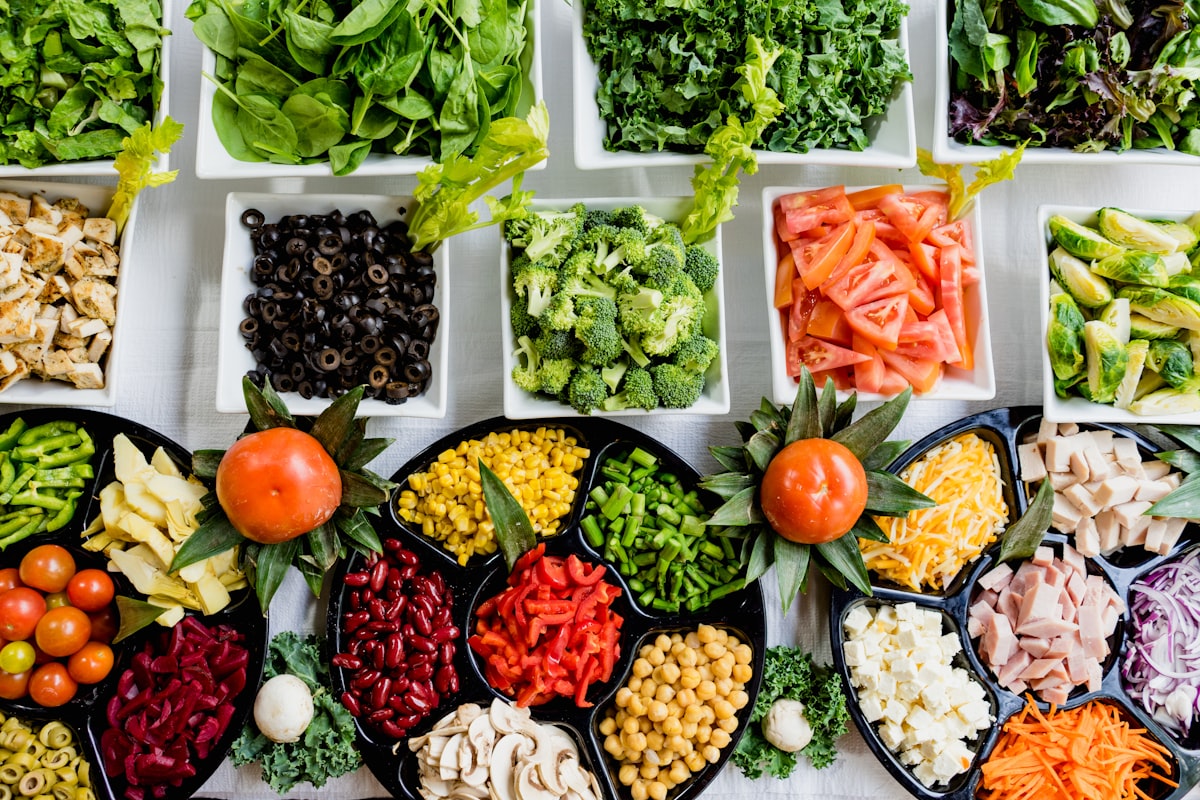
In TCM the Kidneys are the root. They store Jing — the constitutional essence you're born with, the inheritance from your parents. They govern birth, growth, reproduction, and aging. They produce marrow that fills the brain and spinal cord, control the bones, and show up in hair and teeth. The ears open into the Kidneys, which is why age-related hearing loss is read as Kidney decline.
Black and deep purple foods are the Kidney foods: black sesame, black beans, black wood ear fungus, seaweed, mulberries (sang shen), shiitake, walnuts, black rice. ' I keep a clinical file on premature graying, and the number of patients who have pulled back the silver with a daily tablespoon of black sesame in oatmeal or congee still surprises me.
Usually four to eight weeks before people start asking if it's their imagination. It's not — or at least it's consistent enough that I stopped dismissing it.
Walnuts 'grasp the Qi' — the technical term for the Kidney's job anchoring the Lung's respiration — and they show up in formulas for the classic elder combination of low back pain plus chronic cough. The modern lens on black foods is mostly anthocyanins, the pigments that cross the blood-brain barrier and concentrate in kidney tissue.
A 2019 review in Nutrients documented reduced oxidative stress in renal tubular cells, slowed progression of diabetic nephropathy, and podocyte protection. Black sesame is also one of the densest dietary calcium sources around — 975 mg per 100 g, nearly milk's level gram for gram — plus sesamin, a lignan that upregulates liver detox enzymes.
Walnuts carry the highest polyphenol load of the tree nuts and the only meaningful plant omega-3, ALA.
The most interesting overlap is reproductive. TCM says the Kidneys govern reproduction; modern research shows walnuts improving sperm quality in a 2012 RCT, black sesame supplying the zinc and selenium testosterone synthesis needs, and anthocyanins protecting testicular tissue from oxidative damage. I'm careful here — these are single studies with small samples — but the direction of agreement is hard to ignore.
Black foods don't just look dramatic. They work — and unlike a lot of 'ancient wisdom' claims, this one has the data to back it.
- A daily teaspoon of black sesame powder is the simplest Kidney investment you can make. Stir it into warm milk, oatmeal, smoothies, or congee. If you're consistently doing this for 3 months and notice nothing, then stop. But most people notice changes in hair quality, energy, and lower back comfort within 4-8 weeks.
- Black beans and black rice together make a deeply nourishing Kidney congee — soak both overnight, slow-cook with four times the water volume for 2-3 hours, add a pinch of sea salt at the end (salt is the flavor that enters the Kidneys in small amounts).
- Fear and chronic anxiety deplete the Kidneys in TCM — the emotion associated with the Kidney is fear (kong). If you're in a stressful period, increase black foods and also consider activities that nourish Kidney Yin: gentle walking, adequate sleep, and avoiding overwork that burns the midnight oil.
"The Kidneys store the essence of life. They govern water, receive Qi from the Lungs, produce marrow to fill the brain, and manifest in the hair. When the Kidneys are strong, the body is vital and the mind is sharp. When the Kidneys are depleted, aging accelerates."
Putting It Together: What a Five-Color Plate Looks Like at Breakfast, Lunch, and Dinner
Theory is satisfying. Practice is what changes your health, so let's get concrete.
A complete five-color breakfast takes about as long as cereal: millet congee (yellow, Spleen) topped with goji berries (red, Heart), a sprinkle of black sesame powder (black, Kidneys), and a side of steamed bok choy with sesame oil (green, Liver). Add a few slices of steamed Asian pear (white, Lungs) and you've covered all five organs before nine in the morning.
Lunch looks like a warm grain bowl: brown rice, roasted sweet potato cubes (yellow, Spleen), steamed broccoli (green, Liver), pickled red onion or a spoonful of goji (red, Heart), shredded daikon or a soft-boiled egg (white, Lungs), toasted black sesame or black beans on top (black, Kidneys).
Dress it with sesame oil, rice vinegar, a drop of tamari, and a thumb of grated ginger — that ginger is doing double duty as the pungent mover.
Dinner is easiest as a slow-simmered soup: chicken or tofu, carrot (yellow), spinach stirred in at the last minute (green), goji or tomato (red), daikon or lotus root (white), wood ear or shiitake mushrooms (black). Black rice on the side if you want extra Kidney support. Snacks fill the gaps — walnuts and goji berries, warm water with lemon and mint, roasted pumpkin seeds, sliced Asian pear.
The framework is forgiving on purpose. No exact proportions, no requirement to hit every color at every meal. Some days you lean into the Heart because you're emotionally stretched; other days the Spleen because digestion is slumping; other days the Kidneys because you feel gray and depleted. The goal is awareness, not perfection.
Once you start seeing your plate this way, you stop seeing food the same way — and honestly, that's the whole point.
- Print a small Five Colors wheel and tape it inside your kitchen cabinet. When you're cooking, glance at it — it's a faster reference than any recipe.
- Prep color in batches: roast a tray of sweet potato wedges, steam a batch of bok choy, cook a pot of black rice, and keep goji berries and black sesame on the counter. When colors are ready to grab, a five-color plate takes five minutes.
- If you eat out frequently, the Five Colors check is the easiest restaurant strategy there is — scan the menu for dishes that naturally include multiple colors, or order a vegetable side dish in the color you're missing.
"Heaven provides the five qi. Earth provides the five flavors and five colors. The sage harmonizes with both, nourishing the five zang organs with the colors that enter them and the flavors that replenish them."