Congee Was the First Thing I Prescribed — Before Any Herb
The first time I told a patient to eat congee, she stared at me like I'd suggested wallpaper paste. She was a 45-year-old exec with the whole textbook picture — bloating after every meal, exhaustion no latte could touch, loose stools, and a tongue with scalloped edges she'd never thought to look at. She'd tried elimination diets, pricey supplements, and a nutritionist's meal plan.
Everything made her worse, because everything was cold, raw, or complicated. Congee is none of those.
In Chinese medicine, congee — Zhou — holds a spot no other food gets. Li Shizhen's Ben Cao Gang Mu, the great 16th-century pharmacopeia, calls it the supreme food for the Stomach and Spleen: the dish that nourishes without burdening, that transforms easily, that restores the middle burner. The logic is almost embarrassingly simple.
Cook rice in abundant water over gentle heat until the grains fall apart and the starches release into the liquid, and you get a warm, soft, easily absorbed porridge that arrives at the Spleen already half-transformed. The digestive system barely has to lift a finger.
That's the whole principle of cooking as medicine, in one pot: heat and time do the transformation work a weak Spleen can't. Raw food asks the Spleen to break down cell walls, warm cold material, and sort out complex structures. Congee asks almost nothing. It's warm (the Spleen likes warmth), soft (easy to transform), and plain (one main ingredient, nothing to overwhelm the middle burner).
Modern research has wandered around to the same place: systematic reviews of rice cooking methods show that technique changes the nutritional and glycemic profile of the same grain dramatically — and long, slow, high-water cooking produces the gentlest version.
Congee adapts, too. Plain is the baseline. Ginger and scallion make it a cold remedy. Chicken and mushroom make it a Spleen tonic. Sweet potato or pumpkin makes it a warming breakfast. Goji berry and Chinese yam make it a Kidney-Spleen restorative. Same formula every time — rice, water, gentle heat, time — and the additions are the medicine cabinet.
So I now prescribe congee the way cardiologists prescribe statins: a daily baseline for anyone with a weak Spleen, and the recovery food for anyone ill, exhausted, or just off a bout of digestive trouble. The catch was always the labor. Traditional congee means hours of stirring over a low flame, watching for sticking. That's where the rice cooker stops being a convenience and starts being medical equipment.
- Congee is pre-digestion: the rice is transformed by heat and time before it reaches the Spleen — the reason it is the classic recovery food for the weak and the ill.
- The 1:8 to 1:10 ratio is the congee standard — one part rice to eight to ten parts water for the classic thin porridge; less water for thicker, more filling congee.
- Start with plain congee as the baseline, then layer additions by constitution: ginger and scallion for colds, chicken and mushroom for Spleen tonification, sweet potato for warmth.
"Congee is the food that nourishes the Stomach and Spleen without burdening them. Of all foods, it is the most easily transformed, and the most suitable for the weak, the old, the young, and the ill."
Five Rules I Use Before Recommending Any Rice Cooker
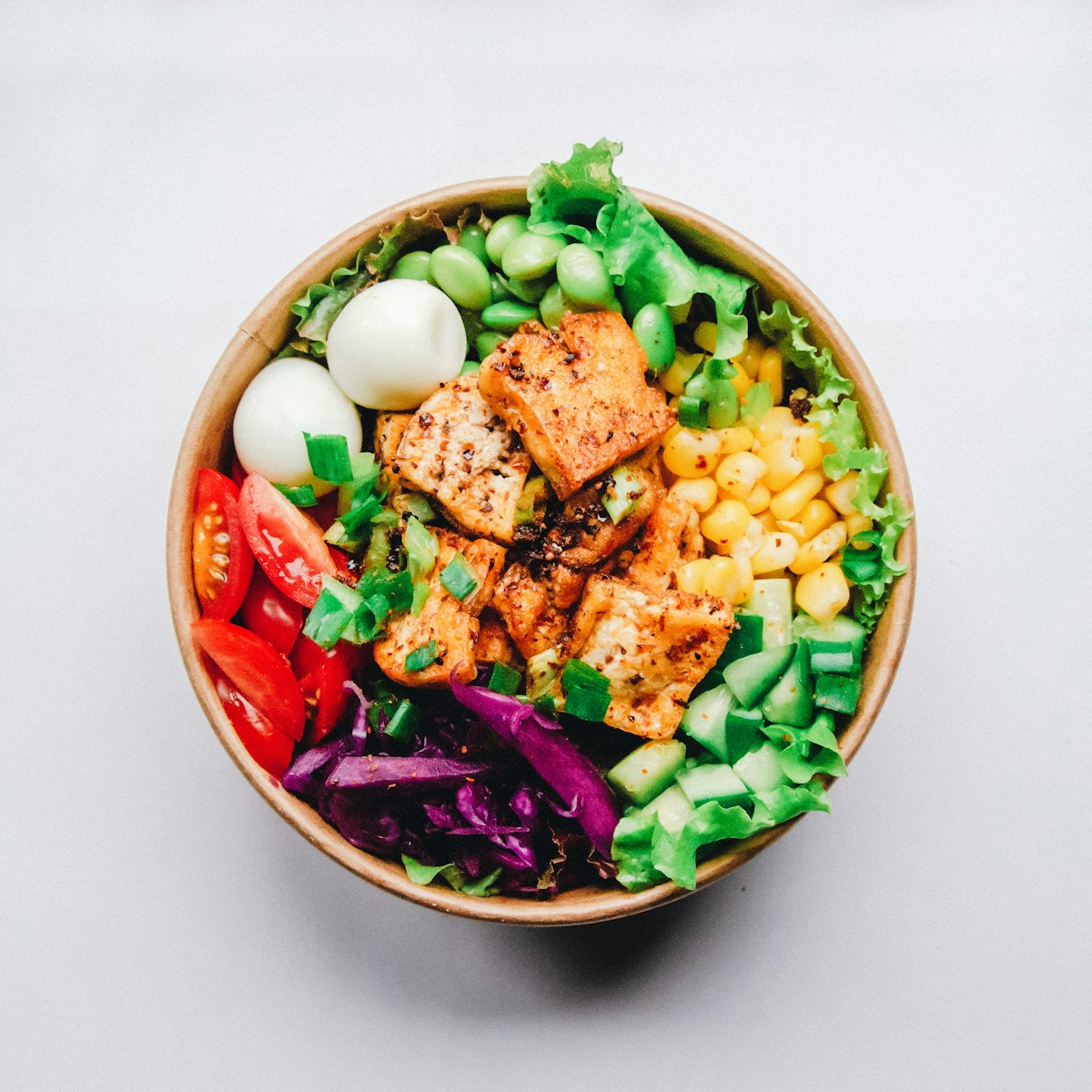
Any rice cooker on the shelf will cook rice. Very few will cook proper congee, and the difference is why this guide exists — it's also why I've sent more than one patient back to the store. Here are the five rules I run through before I recommend anything.
** The most common failure I see: a machine with a 'porridge' button that's really just a longer rice setting. It boils too hard and too fast, and you get separate grains floating in watery liquid instead of the silky, broken-grain porridge that congee is supposed to be. A true congee cycle simmers gently for 60 to 120 minutes so the starches release gradually.
Check the cooking time in the specs — 60 minutes or more is the threshold. Fuzzy logic machines are the most reliable here because the microcomputer adjusts temperature as it goes instead of following a fixed timer.
** The TCM breakfast is warm food, full stop, and the single best compliance tool I've found is waking up to congee that's already warm and ready. Load the machine the night before, wake to breakfast — the habit stops being a chore and becomes a ritual. Some machines' keep-warm dries the surface or keeps cooking the bottom overnight, so read the reviews for 'keep warm dries out' complaints before you trust it.
** In TCM the cooking vessel matters. The ideal is clay or ceramic — the traditional Sha Guo pot — because it heats evenly and holds warmth gently. Next best is a thick non-stick or stainless pot. Thin aluminum pots create hot spots that scorch the congee and leave that acrid, burnt taste TCM considers injurious to the Stomach.
A clay-pot slow cooker is the closest electric thing to the traditional vessel; for regular rice cookers, favor thick, well-reviewed inner pots.
** A ten-cup machine for a single person is a portion disaster waiting to happen. It tempts overeating, and it generates leftovers that go cold and stale — exactly the food TCM warns against. A three-cup mini enforces the moderate, freshly cooked portion the Spleen prefers. For families, a five- or six-cup machine with a congee mode is the sweet spot: two or three bowls without a surplus.
**Rule 5: keep grain flexibility.** The Spleen thrives on whole grains, and good machines handle brown rice, mixed grains, and the traditional congee grains — rice with millet, barley, or oats — without scorching. The systematic review literature backs the old claim: how you cook the grain changes what it does to your body. Whole-grain congee is the gentlest, most nourishing version there is.
Those five rules filter the market fast. The seven machines below all pass — each one for a different kitchen, budget, and kind of week.
- Check the congee cycle duration in the specs: 60-120 minutes of gentle simmering is a true congee mode; anything faster is a renamed rice cycle that will disappoint.
- Keep-warm is the compliance engine: a machine that holds congee warm overnight turns the TCM breakfast from a chore into a set-and-forget ritual.
- Match the machine to the household: a 3-cup mini for singles, 5-6 cups for families, and always a real ceramic or thick pot — the vessel is part of the medicine.
"The vessel that cooks the food is part of the food. Clay and ceramic pots hold the warmth evenly; thin metal scorches and injures the Stomach. Cook gently, in a gentle pot."
Best Overall: A Fuzzy Logic Machine With a True Congee Cycle
If I could only prescribe one machine for the rest of my career, it would be a fuzzy logic rice cooker with a dedicated congee cycle. It's the first thing I recommend to patients who commit to the daily habit, and it's the one sitting on my own counter.
What it does: fuzzy logic control measures temperature continuously and adjusts the heating instead of ticking through a fixed program. The congee mode ramps through soaking, simmering, and resting over roughly ninety minutes, and the result is the real thing — silky, creamy, grains broken down into that easily absorbed texture proper congee is known for.
Keep-warm holds it at serving temperature overnight without drying the surface or overcooking the bottom.
Using it is almost boring: rice and water the night before (1:8 for thin congee, 1:6 for thicker), press the congee button, go to bed. The lid seals well, the inner pot is thick and non-stick, and cleanup is one rinse. The texture is the differentiator — this is the machine that makes congee taste like it came off a clay pot, soft and gently sweet.
Through a TCM lens, this is the ideal cooking method translated to electricity: gentle, even, prolonged heat that transforms the rice completely, with the warmth preserved into the morning. The temperature sensing prevents the scorching that thin pots produce, which protects the Stomach from that acrid burnt quality the tradition warns about.
The price is the real barrier — $120 to $200 — though spread over years of daily use, the per-bowl cost is trivial. A few models' keep-warm runs warm enough to keep thickening the congee through a full night; a quick stir in the morning fixes it. And they're heavier and bigger than simple machines.
For daily congee eaters, Spleen Qi Deficiency patterns, and anyone who wants the traditional texture without the traditional labor, this is the one.
Best on a Budget: The One-Switch Porridge Cooker
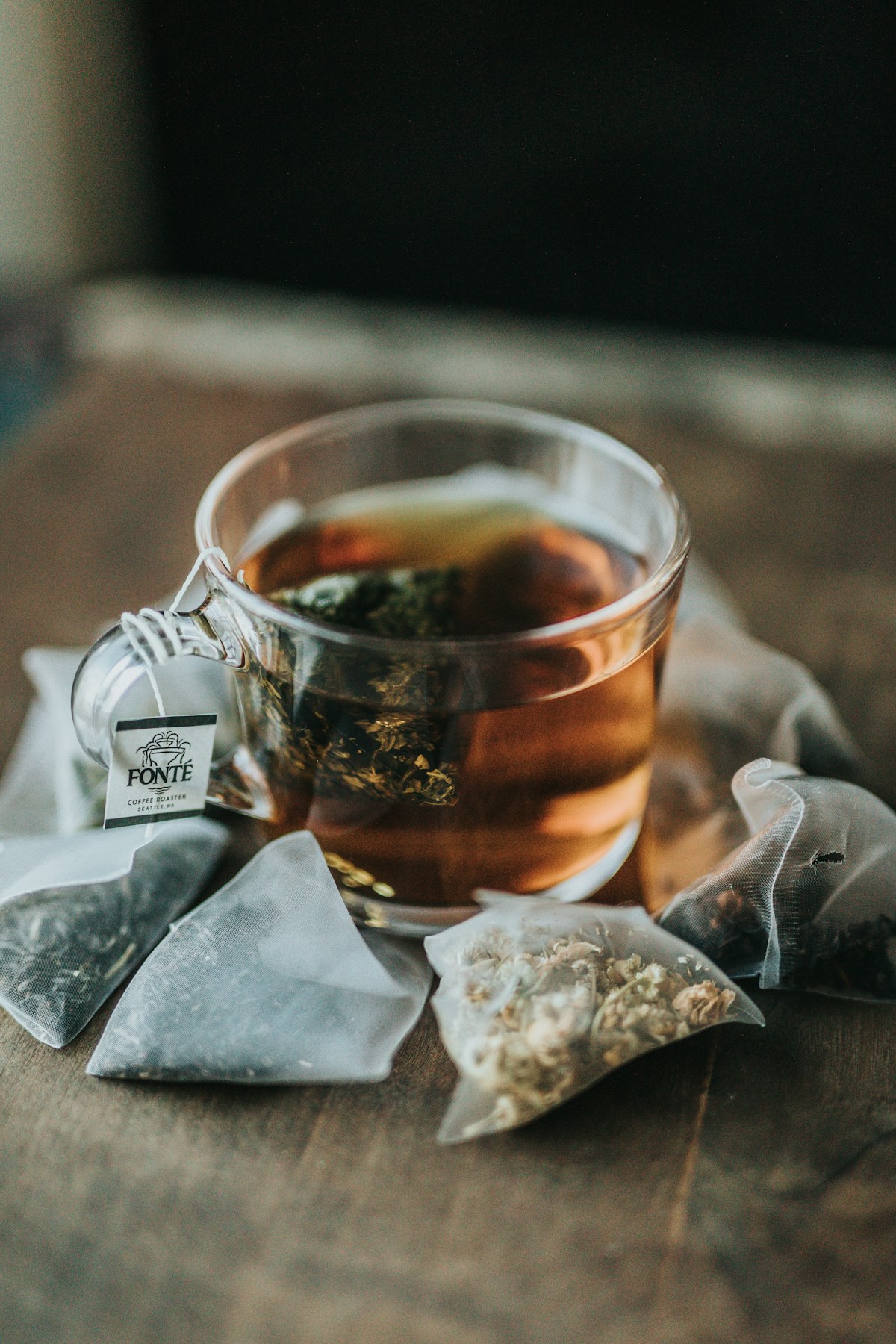
Not everyone can drop $150 on a rice cooker, and the congee habit shouldn't be gated by income. The budget end has improved a lot — a simple one-switch machine with a porridge setting now makes genuinely acceptable congee for a third of the price.
It's a basic thermostatic machine: a rice cycle and a porridge cycle, the latter running longer and at lower power — typically 50 to 70 minutes. The congee comes out soft and fully cooked, though the grains keep a bit more shape than fuzzy logic output. Keep-warm is basic but functional; some budget models dry the surface if you leave them overnight, so stir before serving.
Foolproof to the point of boring: one button, one pot. Stirring once mid-cycle meaningfully improves the texture, and that's the extent of the technique required.
It still delivers the core of the medicine — warm, soft, easily transformed food at a price that makes the daily habit sustainable. The slightly more textured porridge is still far gentler on the Spleen than cold cereal or a raw smoothie. Watch the bottom if you cook a very thick congee; the thin pot can stick. The standard 1:8 ratio is fine.
Best for first-timers who aren't sure the habit will stick, students, and anyone who wants the TCM breakfast without the premium investment. If congee becomes a daily thing, upgrading to fuzzy logic later is a reasonable reward — I've had patients do exactly that.
Fastest Congee: The Pressure Cooker for Busy Mornings
The honest objection to congee is time, and the pressure cooker is the answer I give. This is the machine for the weekday morning when congee has to exist in 25 minutes, not 90.
An electric pressure cooker with a porridge function raises the boiling point under pressure, breaking down the rice starches far faster than atmospheric simmering. Congee in 25 to 35 minutes. The sauté function also makes it a genuine one-pot meal machine: brown aromatics, add rice, water, and the rest, pressure-cook, and the whole Spleen meal comes out of one pot.
The congee is creamy and fully cooked, though the pressure process gives a slightly different mouthfeel than slow simmering — marginally less silky. I tell patients not to expect clay-pot texture here. What they get instead is chicken-ginger congee, mushroom congee, congee with vegetables and fish, all in a single cycle, on a Tuesday.
It's the one real departure from the traditional slow-cook principle. But the food is still warm, soft, and easily transformed, and the one-pot architecture naturally produces the balanced plate — grain, protein, vegetable — that the Spleen diet requires. For the patient whose alternative is a cold sandwich at a desk, pressure congee is a clear win.
Downsides: bulkier, more parts to clean, pressure release adds a few minutes, and the metal pot conducts heat more aggressively than ceramic — stir thick congee once after cooking. For busy professionals, parents, and anyone who wants one machine for congee, soups, and stews, it earns its counter space.
Closest to the Clay Pot: A Slow Cooker With a Ceramic Insert
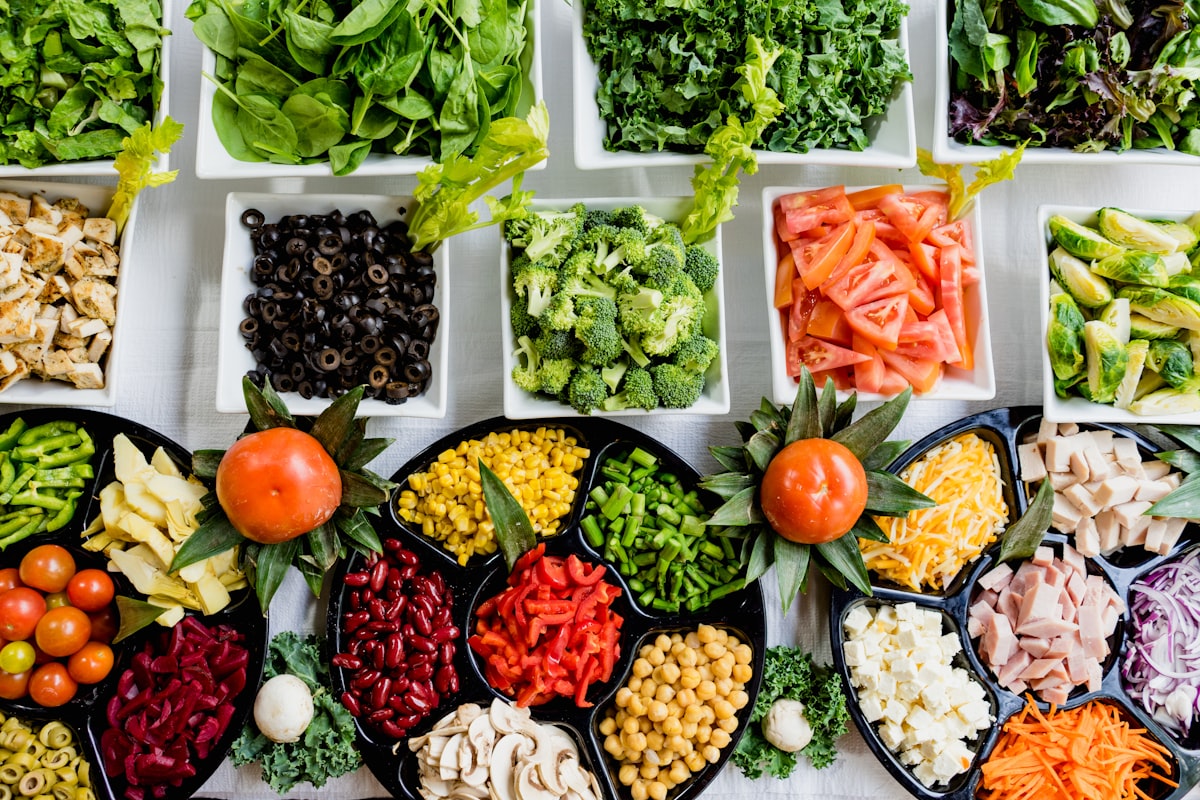
This is the traditionalist's machine, and the one I personally find most aligned with how TCM thinks about heat. A slow cooker with a real ceramic clay insert is the closest electric approximation to the Sha Guo that Chinese households have cooked congee in for centuries.
The ceramic pot heats evenly and holds warmth beautifully. Congee cooks over two to three hours at a gentle simmer with zero stirring and essentially zero scorching risk — the heat distributes so evenly the porridge cooks itself. The same pot doubles as the vessel for medicinal soups, Yao Shan, which the TCM diet uses constantly.
Set it in the evening and wake to warm congee in a pot that keeps it at serving temperature for hours. The texture is the closest to traditional clay-pot congee of anything electric: silky, creamy, evenly cooked, with that gentle sweetness slow cooking draws out of the rice. It's also the nicest thing to eat from — the ceramic holds the food's warmth through the whole meal, which is the TCM serving principle.
This is the vessel the tradition actually prescribed, and the slow two- to three-hour cook is the purest expression of cooking-as-pre-digestion: the rice transformed completely, gently, over time, exactly as the classics describe.
The trade-offs are real. It's slow — start it the night before or use a timer. The ceramic pot is heavy and fragile. Some slow cookers run hotter than ideal for congee, so check reviews for the 'low' temperature. And it's single-purpose: no rice cycle, no quick anything. For traditionalists, medicinal soup cooks, and households where the congee ritual is part of the wellness practice, none of that matters.
Best for One Person: The 3-Cup Mini
The biggest portion failure I see in practice is the oversized pot. A person living alone cooks a ten-cup machine's worth of rice, eats two servings, and lets the rest sit until it's cold, stale, and Spleen-hostile. The three-cup mini is the portion-control intervention the TCM diet needs.
It cooks one to three cups of rice or one to two bowls of congee — the Spleen-appropriate portion, automatically. The porridge setting turns out a single perfect bowl in about an hour, and the small size means faster cooking and trivial cleanup.
It lives on the countertop without dominating it, makes exactly one bowl, and rinses clean in seconds. One caveat that matters: models without a porridge setting make thin rice rather than true congee, so check the spec before buying.
The portion is the medicine here. A full bowl of warm, freshly cooked congee, eaten right away, with no leftovers to turn cold — that enforces the TCM principles of moderation and freshness at the same time. For singles and couples, this is the machine that makes the daily habit sustainable.
It only cooks small portions, so no family meals and no one-pot dinners for guests. The texture is a step below fuzzy logic. But for portion control, small kitchens, and hesitant first-time buyers, it's the right-sized start.
Best One-Pot Meal: A Steamer Basket Above the Congee
The TCM plate is grain plus vegetable plus protein, warm and balanced. This machine builds that plate in a single appliance: rice or congee cooks in the pot below while vegetables, fish, or chicken steam in the basket above, simultaneously.
The grain modes handle the whole-grain versions the Spleen thrives on — white, brown, mixed grain, congee — and the steamer provides the gentle, moist cooking method TCM prefers over frying. One button produces a complete meal: congee below, broccoli and fish above, done at the same time.
The whole-grain modes are the standout feature. Brown rice and mixed-grain congee cook properly without scorching, which is harder than it sounds — those grains need longer, more careful cycles, and most machines just burn them. You get the fiber-rich, slowly digested carbohydrates that both the modern evidence and the tradition favor.
This is the five-flavor plate automated: the warm cooked grain as the base, steamed vegetables as the buffer, protein as the anchor, in roughly the proportions the Spleen diet requires. Steaming is the most Spleen-aligned method after slow cooking — gentle, moist, non-inflammatory.
The steamer basket adds a part to clean, and steaming above the congee slightly slows the cook. The machine is bulkier than a plain rice cooker, and the steamer capacity is limited — for large families, steam in batches. For households that want the full TCM plate without juggling multiple pots, this is the one.
Best When There's No Kitchen: The Microwave Cooker
Not every kitchen has room for an appliance, and not every life has a kitchen at all. The microwave rice cooker is for the dorm room, the office, the shared house, the travel bag — and it belongs on this list because the habit matters more than the hardware.
A BPA-free plastic or silicone container with a vented lid cooks a single serving of rice or congee in 12 to 15 minutes in any microwave. Water lines are marked on the container; congee uses the higher line. The result is serviceable, soft porridge — not silky, but genuinely fine for the circumstances.
Fill, microwave, stir, eat — from the same container, which halves the cleanup. For shift workers, students, travelers, and anyone in temporary housing, this is the difference between having congee and not having congee.
The principle holds even in the microwave: warm, soft, easily transformed food, freshly cooked in the right portion. Gentle moist microwave steaming beats cold cereal or a raw smoothie by a mile, and for the person who would otherwise grab a cold granola bar, it's a clear Spleen upgrade. Minimum viable congee — and minimum viable is still medicine.
Texture is clearly a step below dedicated machines. Only single servings. Microwave wattage varies, so timing needs adjustment. No keep-warm, no timer, no grain modes. For dorm rooms, offices, and travelers, it's the machine that keeps the TCM breakfast alive.
From Machine to Medicine: How I Tell Patients to Use It
Buying the right machine is half of it. How you use it decides whether congee becomes medicine or just another breakfast. Here's the protocol I hand patients.
**The night-before ritual.** Rinse one part rice — white, brown, or a mix — add eight to ten parts water for thin congee, six to seven for thicker, press the congee cycle, and walk away. With keep-warm you wake to warm congee. It's the single highest-compliance configuration I've found: the machine removes every barrier between intention and the warm bowl.
** Plain congee is the canvas; additions are the prescription. For Spleen Qi Deficiency, a spoonful of miso stirred in at the end plus chopped greens. For cold patterns or the first sign of a cold, shredded ginger and sliced scallion cooked into the congee with a drop of sesame oil. For Kidney support, goji berries and Chinese yam simmered with the rice.
One rule: miso goes in after cooking, off the heat — boiling kills the live culture. Everything else cooks in.
**The one-pot template.** Grain as the base, vegetable steamed or simmered beside it, protein — chicken, fish, tofu, egg — and the balancing flavors: ginger for pungent, vinegar or a pickled side for sour, salt or miso for salty. It's the five-flavor plate automated, and the most practical way I know to eat the TCM diet on a busy weekday.
**The freshness principle.** The Spleen prefers freshly cooked, warm food. Cook portions you'll finish. If you must cook ahead, refrigerate promptly and reheat until steaming, not lukewarm. Cold congee that's sat around is no longer the gentle food — it's become the burden TCM warns about.
**The seasonal dial.** In summer, thinner congee with cooling additions — mung bean, lotus seed, cucumber — and lighter ratios. In winter, thicker congee with warming additions — ginger, cinnamon, sweet potato, pumpkin — and more grain for substance. The same machine delivers whichever the season calls for.
And one honest note. For the severely ill, the elderly with swallowing trouble, or anyone hospitalized, congee needs to be finer and thinner — higher water ratio, longer cooking, sometimes blended — and a dedicated slow cycle or clay pot does that best. Also: a rice cooker makes congee convenient, but congee alone treats nothing.
It's the foundation food of a Spleen-nourishing diet, and it works alongside professional care, never instead of it.
- The night-before set-and-forget is the highest-compliance pattern: rice, water (1:8), congee cycle, keep-warm — wake to the warm bowl.
- Miso goes in after cooking, off the heat, to preserve the live culture; ginger and scallion go in during cooking, as medicine that cooks into the porridge.
- Season the congee by the calendar: thinner and cooling in summer (mung bean, lotus seed), thicker and warming in winter (ginger, sweet potato, pumpkin).
"The morning congee is the day's first medicine: warm, soft, and easily transformed, it sets the Spleen's tone for all that follows."
FAQ: The Questions Patients Ask Me About Congee and Rice Cookers
**"Can a microwave rice cooker really make proper congee?"** It makes serviceable congee — soft, warm, easily digested, which is the core of the medicine. Texture is a step below dedicated machines, but in a dorm or an office it's the difference between having congee and not having it. The habit matters more than the hardware. Upgrade when circumstances allow.
"** Both have a place. White congee is the gentlest: most easily transformed, the classic recovery food, ideal for acute digestive weakness. Brown gives more fiber, more nutrients, a slower glucose response — better for daily maintenance and blood sugar stability, at the cost of a little more digestive work.
The traditional answer: white when the Spleen is weak or recovering, brown or mixed-grain when it can handle it. Many of my patients alternate.
"** Measurably, yes. Systematic reviews of rice cooking methods confirm that technique changes the nutritional profile and glycemic response of the same grain.
Cooking affects resistant starch, gelatinization, and postprandial glucose — the 2013 study found that cooling cooked rice increases resistant starch, which blunts the glucose response, while hot fresh congee sits at the opposite end: maximally digestible, maximally gentle. Both are useful in different situations.
**"Isn't congee just white carbs? "** Alone, yes — it's a high-glycemic food, and the long cooking is exactly why it's so gentle on digestion. For someone with diabetes or significant insulin resistance, the answer is the full plate, not congee alone: smaller congee portion, protein and vegetables alongside, a sour element to slow absorption, and a walk after the meal.
Congee is the Spleen's recovery food; for blood sugar it needs the buffer of a complete meal. Anyone with diabetes should run dietary changes past their care team.
**"Can a rice cooker replace my clay pot?"** For congee, a good one with a slow cycle gets close to clay-pot texture with a fraction of the labor. The clay pot stays the traditional ideal — especially for medicinal soups and the finest texture — but the rice cooker is the practical daily tool. A lot of households run both: clay pot for the weekend ritual, rice cooker for the weekday habit.
**"My congee is always too watery or too thick. "** The ratio is the dial: 1:8 to 1:10 thin, 1:6 to 1:7 medium, 1:4 to 1:5 thick. Rinse the rice first — excess starch thickens unpredictably. Use the congee mode, not the rice mode. And remember congee thickens as it rests; if it looks thin in the machine it'll be thicker in the bowl after a few minutes.
Adjust one part of water at a time; the ratio becomes automatic within a week.
- Congee thickens as it rests: if it looks thin in the machine, it will be thicker in the bowl after a few minutes — stir once before serving.
- For blood sugar management, never eat congee alone: add protein and vegetables, include a sour element, and walk after the meal — the full plate is the Spleen-and-glucose-safe version.
- The ratio is the dial: 1:8-1:10 thin, 1:6-1:7 medium, 1:4-1:5 thick — adjust one part at a time until it matches your preference.
"The same grain, cooked differently, becomes a different food — now gentle, now nourishing, now a medicine for the Stomach or a test for the metabolism. Cooking is the first pharmacy."