The Reason You Don't Eat Beans Is Sixty Minutes Long
Ask people why they don't cook dried beans and the answers converge fast. Not taste. Not price — dried beans are among the cheapest protein on the shelf, pennies per serving. Time. Black beans want ninety minutes unsoaked. Chickpeas push two hours. Kidney beans, soaked overnight and simmered patiently, still claim the whole evening, and an evening is precisely the resource nobody has on a Tuesday.
Canned beans solve the clock and create other problems — softer texture, added sodium, four times the cost per serving — but fairness requires saying they are a legitimate answer, not a moral failure. The pantry waits for a better one.
Pressure is that better answer, and it is not close. Under pressure, water boils well above its normal 100°C, and every biochemical clock in the pot speeds up. Bean cook times fall off a cliff: unsoaked black beans in 25 to 30 minutes, chickpeas in 35 to 40, adzuki in about 20. Whole grains that simmer politely for 45 minutes on the stove finish in 20 or so.
Just as important is what the sealed pot does to attention. The beans go in, a timer gets set, and the cook walks away to do something else — which is the part that actually changes behavior. A food you would only cook on a lazy Sunday becomes a food you can start at 6:40 and eat at 7:15.
This article is our shortlist: three products, one per job, plus the rules we used to choose them, the timing chart we keep on the fridge, and the settings that matter to us as a TCM-leaning publication — serving the result warm, cooking it soft, and sparing the middle burner. The data case for beans and whole grains comes first, because the tool only matters if the food does.
- Time, not taste or cost, is the real barrier to dried beans — which is why a tool that attacks time attacks the whole problem.
- Canned beans are a fine fallback; pressure cooking is the version that makes dried beans cheaper, firmer, and weeknight-possible.
"The five grains nourish, the five fruits assist, the five domestic animals benefit, the five vegetables fill."
What Beans and Whole Grains Actually Do, Per the Files We Could Check
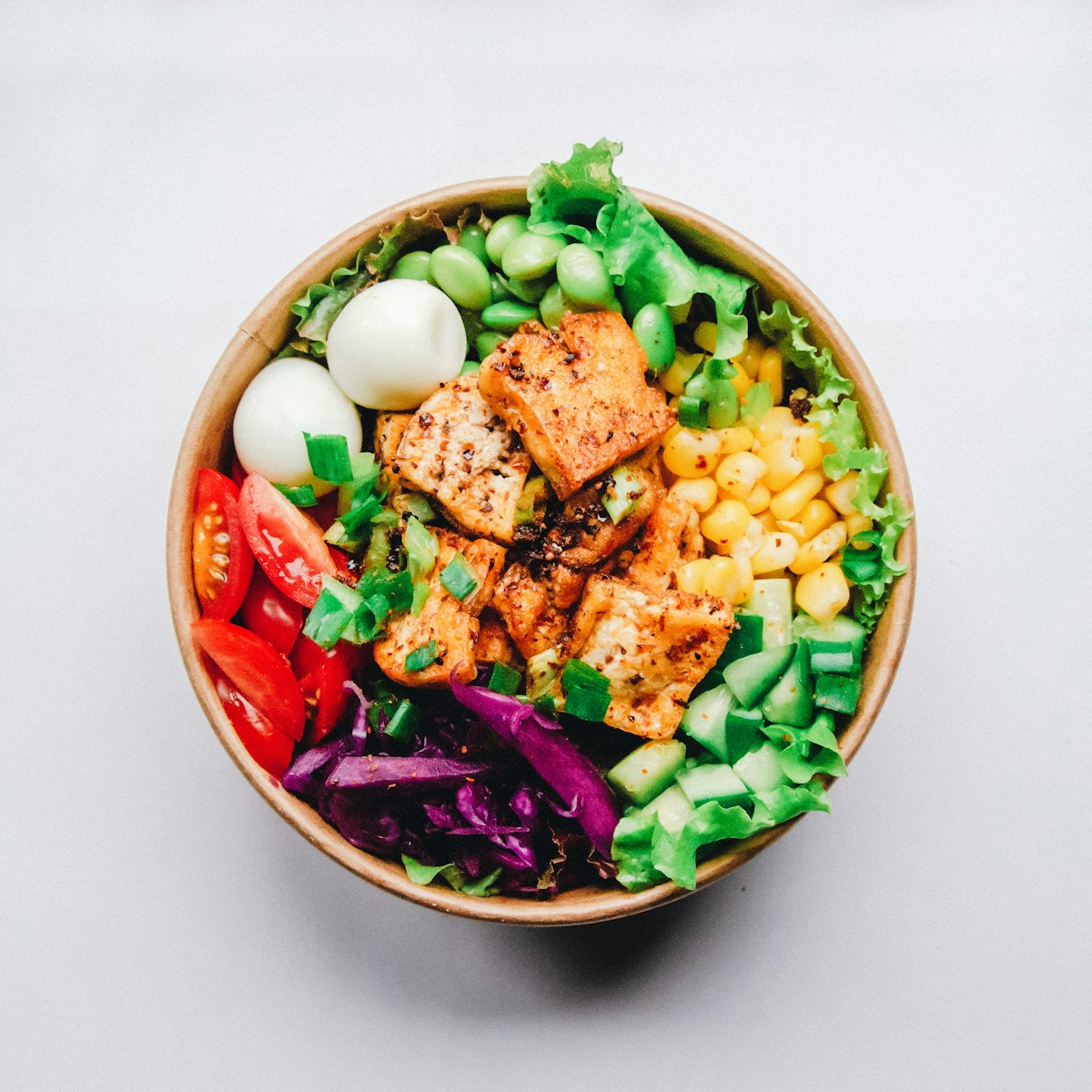
The health case rests on three kinds of evidence, and honesty requires labeling each one.
First, the long cohorts. Bazzano's team followed 9,632 American adults for an average of nineteen years in the NHANES I Epidemiologic Follow-up Study.
People who ate legumes four or more times a week ran a 22 percent lower risk of coronary heart disease than people who ate them less than once a week, and 11 percent lower cardiovascular disease risk overall — associations that held after adjustment for the usual suspects. Cohort data cannot prove the beans did it; people who eat beans differ from people who don't in a dozen correlated ways.
Still: nineteen years, nearly ten thousand people, one food category, a fifth fewer coronary events in the high-intake group. That is not nothing.
Second, the controlled trials on blood sugar. A Diabetologia meta-analysis pooled 41 randomized trials of non-oil-seed pulses — chickpeas, beans, peas, lentils. Pulses alone lowered fasting glucose and fasting insulin; as part of low-glycemic-index diets, they improved HbA1c.
A smaller randomized crossover trial from Iowa State found that adding black beans or chickpeas to a white-rice meal blunted the post-meal glucose curve at 60, 90, and 120 minutes in healthy women — twelve of them, so read it as a mechanism demonstration rather than a prescription. The traditional bean-with-rice plate, it turns out, is a glycemic strategy older than the word glycemic.
Third, the fiber and whole-grain literature we treat fully in our companion piece on wu gu wei yang: 15 to 30 percent lower mortality comparing highest to lowest fiber intake, with trials showing fiber lowers body weight, blood pressure, and cholesterol.
None of this makes beans medicine. It makes them a defensible staple — which is precisely what the Neijing called them.
- Four or more servings of legumes a week was the threshold associated with lower coronary risk in the nineteen-year NHANES follow-up.
- Beans plus rice isn't just tradition — the pairing flattens the glucose curve compared with rice alone in crossover testing.
- Evidence boundary: cohort associations and small trials, not randomized proof of disease prevention. We think that still justifies a pantry staple.
Four Rules Before You Compare Buttons
Pressure cookers all cook under pressure. The differences that matter are dumber and more permanent than the marketing. Four rules, weighted in the order we use them.
Capacity. Six quarts is the floor for a household of two or three. Bean and grain batches need headroom — legumes foam, and a pot filled past two-thirds with beans is a request for a clogged valve. Batch-cooking households should look at eight; anything smaller gets resented every Sunday and retired by spring.
Insert material. Most electric multi-cookers ship with a nonstick inner pot; the coatings are decent and they all eventually scratch. A scratched nonstick surface on a pot that lives at pressure temperatures is not something we recommend keeping, and replacements exist for most brands — budget for one, or pick a model with stainless from the start.
An all-stainless stovetop cooker sidesteps the issue entirely and browns better in the same pot.
Controls you will actually use. Manual pressure with a timer and a keep-warm function is the entire toolkit. The timer should start at pressure, not at button-press; recipes are written to the former. Wifi, app pairing, and voice control failed our Tuesday test — the night the beans matter is the night the app demands an update. Fewer radios, fewer failure modes.
Safety hardware, verified against the manual rather than the listing. A lid that locks under pressure, a primary valve plus a backup, a clear indicator pin. Modern cookers are overwhelmingly safe; the failure reports we read traced to worn gaskets and blocked valves, both preventable by the two minutes of monthly maintenance the manual describes and almost nobody performs. Be the person who performs it.
Two smaller things we weigh, briefly. Footprint — six-quart cookers hog a counter, so measure before you fall in love. And noise: a rocking jiggler valve on old stovetop designs is a relic; modern models hiss quietly, which matters more in an apartment than any spec sheet admits.
- Never fill past two-thirds — half for beans — because foam is the one hazard this appliance still respects.
- The timer that starts at pressure, not at button-press, is the feature that separates honest recipes from burnt ones.
- Budget a spare gasket and a spare stainless insert with the cooker; both cost less than one takeout meal and extend the machine's life by years.
The Three Picks, and Who Each One Suits
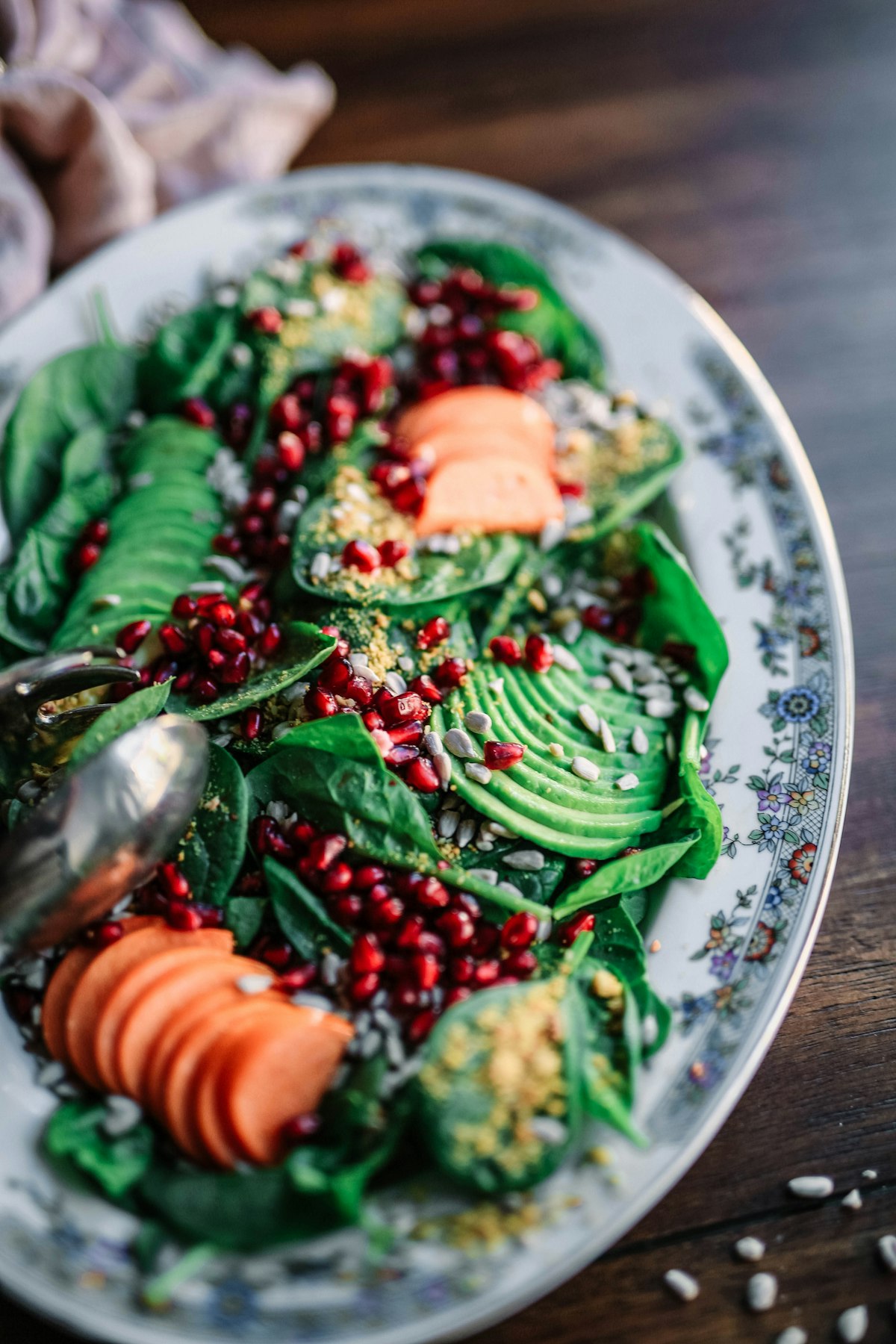
We landed on one product per job rather than a ranked list of twelve, because the jobs are genuinely different.
The electric multi-cooker is the default and the one we hand to most people. Six quarts, a stainless insert if the model offers one, high and low pressure settings, a timer that begins at pressure, and a keep-warm that holds congee or beans at serving temperature for hours without scorching the bottom. It beeps when it starts, beeps when it's done, and does not require a babysitter.
For anyone whose real obstacle is attention — and on weeknights, whose isn't — this is the machine that gets used.
The stovetop stainless cooker suits people who already cook and don't want a second brain in the kitchen. It reaches pressure faster, releases faster, sears aromatics in the same pot before locking the lid, has no electronics to die, and with occasional gasket care will outlast its owner. The cost is supervision: you manage the flame and the clock. Cooks who like process tend to love these.
Everyone else quietly stops using theirs, and a pressure cooker in a closet helps nobody's lipid panel.
The unglamorous third pick is a set of airtight containers for the grains and beans themselves. Editors argue about this one because it looks like a cop-out next to an appliance. It isn't.
The beans habit dies in the pantry more often than in the pot — grain moths arrive, bran goes rancid, a torn bag of adzuki sheds into the shelf — and a modest spend on sealed, labeled bins is the difference between a rotation you sustain and a basket of archaeology you excavate quarterly. The Neijing asked for five rotating grains. Five open bags in a cupboard is how rotations quietly become one.
- Electric for attention, stovetop for control — pick by which evening actually happens in your kitchen, not by feature list.
- The storage set is the cheapest piece of the system and the one that prevents most quiet failures of the beans habit.
Pressure Cooking, the Middle-Burner Way
The tool happens to fit the old dietary logic unusually well, and it is worth cooking deliberately rather than by accident.
Heat and softness are the Spleen's stated preferences in the classical texts — warm, fully cooked, nothing that fights back — and pressure cooking is industrial-strength tenderness. A grain that comes out of a pressure pot has absorbed water to its center; a bean yields under thumb. That is the texture the middle-burner frame calls pre-digested: food that asks little of the pot.
Cold grains straight from the fridge run against the same logic. Reheat with a splash of water and serve warm, the way the texts would have it.
The aromatics are where TCM kitchens and the pressure pot agree without trying. A few slices of fresh ginger in the bean pot is standard practice from Beijing to Boston for reasons both energetic — ginger warms the middle and cuts dampness — and culinary, since it does no harm and usually helps. Kombu in the pot is the Japanese equivalent; star anise and bay leaf show up across Chinese bean braises.
Salt goes in after the beans soften. Early salt can toughen skins, and practically speaking the pot tastes cleaner seasoned at the end.
Two mechanical notes belong in any beans-under-pressure conversation. Fill no more than half to two-thirds — legumes foam, and foam clogs valves. And choose natural release for beans and grains: quick release makes skins burst and can spray starchy foam through the valve. Natural release costs ten extra minutes and returns intact, glossy beans that look like they took all afternoon.
One reassurance while we are here: red kidney beans contain lectins that cause genuine food poisoning when undercooked — a low-simmer failure, historically. Half an hour at pressure destroys lectins completely. The old folk fear of beans was, in at least this one respect, a technology problem waiting for the right pot.
- Serve grains and beans warm and soft; the classical middle burner rewards exactly the texture pressure cooking produces.
- Ginger, kombu, bay, or star anise in the pot; salt after softening; natural release for intact beans.
- Undercooked kidney beans are the real lectin risk — pressure cooking eliminates it, which makes this the safer bean method, not a riskier one.
"The Spleen and Stomach are the officials of the granary, and from them the five flavors issue forth."
Times, Batches, and the Tuesday Test
Keep this chart somewhere visible. It is the entire learning curve.
At high pressure: millet, 8 to 10 minutes. Brown rice, 22 to 25. Steel-cut oats, 4 plus natural release, for breakfast porridge. Pot barley, 20 to 25. Wheat berries, 25 to 30. Buckwheat, 5. Quinoa, 3 — fast enough that the machine barely earns its keep. Adzuki beans, 20 to 25 soaked, about 30 unsoaked. Black beans, 25 to 30. Chickpeas, 35 to 40 unsoaked, 25 to 30 after a soak. Navy and kidney beans, 25 to 30.
Add five minutes at altitude, and remember the clock starts at pressure, not when you press the button.
Batching is where the habit compounds. One Sunday hour produces a week: one pot of beans, one of grain, cooled quickly, refrigerated up to four days, or frozen flat in portion bags that thaw under warm water in ten minutes. Day-old grain fries better than fresh — day-old brown rice with scallion and egg is the pressure cooker's greatest hit by meal count, and it costs cents.
Then the only test that matters: the Tuesday test. The best cooker is the one that runs on a tired weeknight. If the machine comes out twice a week for a month, it worked; if it migrates to the closet by February, it didn't, and no feature list changes that. Reviews — ours included — can rank specifications. Usage ranks itself. Watch your own behavior for four weeks and let it vote.
The quiet upside, once the rotation holds: pantry cost per meal drops below anything in the freezer-aisle, sodium drops with it, and the wu gu-style variety the old texts asked for stops being an aspiration and becomes five labeled bins and one beep at 7:05.
- Chickpeas are the longest bean at 35 to 40 minutes unsoaked — start them first, or soak overnight and reclaim ten minutes.
- Freeze cooked beans flat in one-cup bags; they thaw under warm water in ten minutes and reheat like fresh.
- Four weeks of honest usage data beats any review, including this one.
Who Should Skip It, and Where We Land
Honesty requires an exit column. If you already cook dried beans weekly and enjoy the simmer, a pressure cooker adds little; your pot works. If your grains arrive mostly as bread and pasta, the cooker alone won't change that — a grain sampler and decent storage might move more behavior per dollar.
If you manage kidney disease or a potassium restriction, portion guidance on legumes belongs to your nephrologist or dietitian, not to us; beans are potassium-dense, and 'eat more' is not a universal instruction.
Anyone on warfarin, or with any condition where diet interacts with medication, should treat every food-trend article — this one included — as a conversation starter with their clinician rather than an order.
For everyone else, the case is unusually boring, which is a compliment. Beans and whole grains are cheap. They survived a nineteen-year cohort and forty-one randomized trials about as well as any single food category can. They sit at the base of a dietary hierarchy that has been field-tested for two millennia.
And with pressure, they cost twenty-five minutes of mostly unattended time — less than the delivery app's wait on most nights.
The Neijing gave the legume a seat at the staple table twenty-five centuries before the NHANES data arrived to file its report. The tool does not make the food virtuous. It makes the food available: most evenings, warm, soft, in a bowl — which is where both traditions, the ancient and the statistical, seem to want it.
First pot out of the box, if you want ours: adzuki beans with a slice of ginger, over millet, eaten warm. Twenty-five minutes, most of them spent reading something else. Hard to argue with a food that uses the time better than you do.
- Kidney disease, potassium limits, warfarin — those conversations belong with your clinician, not a review page.
- Start with one pot: adzuki plus ginger over millet is a twenty-five-minute first run that exercises the whole habit.