The Machine Nobody Puts on Instagram
No one has ever looked cool on a mini stepper. The stride is short, the motion is rhythmic and faintly comic, and the machine itself is a squat metal triangle that costs about as much as a nice chair. It has survived four decades of fitness fads precisely because of what it refuses to be: it is not a bike with a subscription, not a treadmill with a firmware update, not a rower that dominates a room.
It is, instead, a machine that does exactly one thing — it makes stepping up slightly harder than stepping on the floor — and does it indoors, quietly, in a footprint smaller than a doormat. For the right kind of person that narrowness is not a limitation. It is the entire product.
The price makes the argument better than any marketing could. A serviceable stepper costs between sixty and a hundred dollars — less than two months of most boutique fitness memberships, less than many running shoes. There is no screen worth drilling into, no class library, no monthly fee whispering from an app.
That cheapness is also why the category attracts some truly bad manufacturing, and why the spec-checking section later in this guide matters more than it would for a premium product. When the margin on a machine is twenty dollars, corners get cut somewhere; our job is to tell you where they usually get cut.
Consider who the stepper actually suits. m. The person whose exercise plan has died before, killed by commutes to gyms. The beginner who needs the first month of cardio to feel almost insultingly manageable. And — the case that motivated this review — anyone building an exercise-snack habit, where the whole point is short, hard, incidental efforts scattered through a normal day.
A stepper is one of the few machines that lets you complete a genuine vigorous bout in the ninety seconds between two meetings, barefoot, in whatever you wore to bed.
What it will not do is replace strength training, and no stepper listing's claims about 'total body transformation' survive contact with the literature. We will come back to that. First, the evidence for what stepping genuinely does.
- A stepper's one-trick nature is the feature: no setup, no commute, no mode to select.
- It suits apartments, beginners, restarters, and exercise-snack habits — not anyone seeking full-body strength work.
"A machine that only rewards the disciplined hour is a coat rack. A machine that rewards the realistic day earns its floor space."
Why Stepping Fits the Two-Minute Habit
The research behind the stepper revival is not about steppers as products. It is about stepping as behavior, and it stacks three findings.
The first is the pilot intervention: sedentary middle-aged adults assigned bench-stepping programs at home or at work — stepping up and down on a platform — improved their fitness and body composition over the study period with a tool that costs almost nothing and takes no travel time.
The second is the epidemiology: the large JAMA analysis of US adults found that daily step count predicted mortality risk, and that within any given step total, higher step intensity added benefit on top. Steps taken with some authority count for more.
The third is the stair-climbing trial we covered in our companion article: three twenty-second hard stair climbs, three days a week, six weeks, measurable VO2peak improvement. The stimulus that works is brief, weight-bearing, and repeated — not long.
A stepper packages that stimulus. Each minute on a hydraulic machine at an honest pace lands in the moderate-to-vigorous band for most deconditioned users, which is precisely the zone where two-minute bouts produce a training signal without requiring a shower afterward.
In classical Chinese medical terms, this is the liu shui bu fu principle — flowing water does not rot — movement whose value lies in frequency and continuity rather than heroics, and always short of the exhaustion Hua Tuo explicitly warned against.
The honest caveat: none of these studies tested a specific commercial stepper, and no listing on Amazon is peer-reviewed. What the evidence supports is stepping behavior at sufficient intensity. The machine's job is simply to remove every excuse that stairs and weather occasionally supply.
One more piece of context belongs here, because it changes how you should use the machine. In the bench-stepping pilot work, the programs were structured — set durations, set step heights, several sessions a week — and adherence held precisely because the sessions were short enough to feel trivial. That is the pattern to copy. A stepper used in two rudderless minutes whenever you remember will do something.
A stepper used in two deliberate minutes, attached to fixed daily triggers, does what the studies describe. The difference between the two is not the machine. It is the trigger, which costs nothing and decides everything.
- Evidence supports stepping behavior — bench-stepping interventions, step intensity, brief stair climbs — not any branded machine.
- Two honest minutes on a hydraulic stepper is a real vigorous bout for most beginners.
- Frequency is the active ingredient. The machine's job is making the next bout friction-free.
Three Designs, Three Tempers
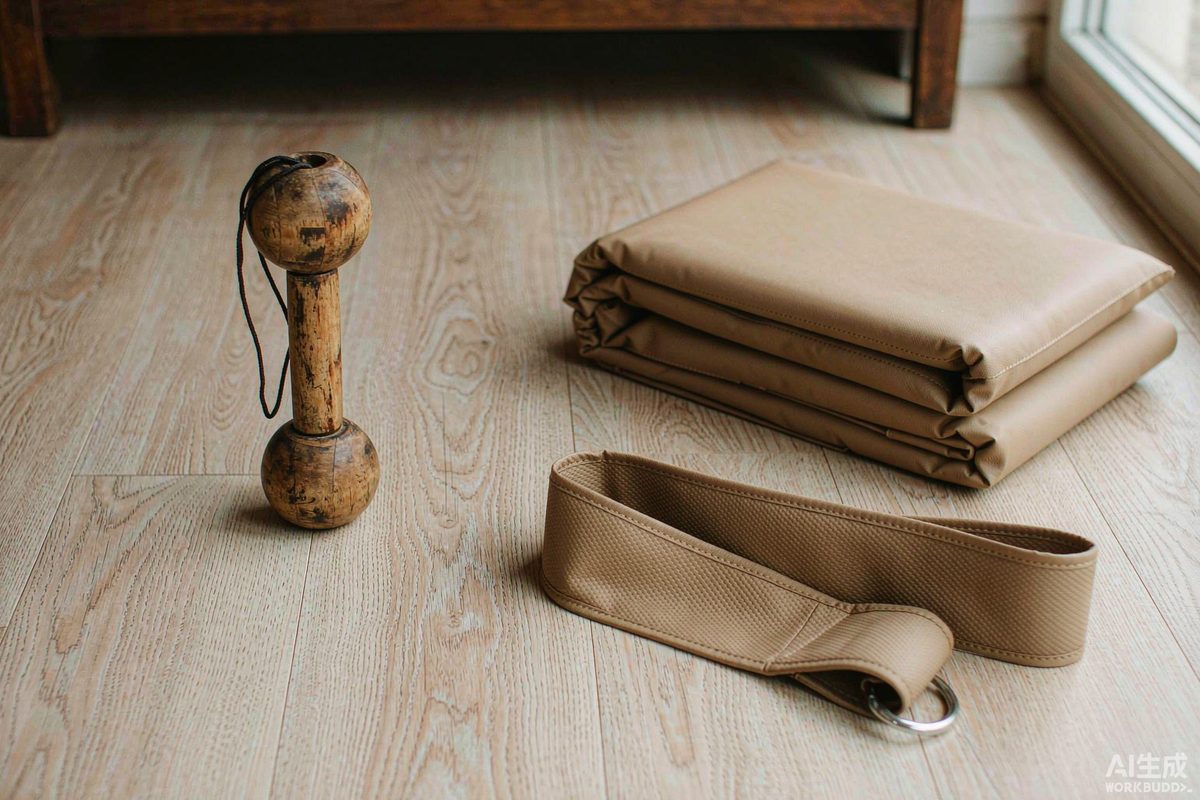
The category looks uniform from the outside and is not. Three designs behave differently enough that buying the wrong temper is the main way people end up with a clothes rack.
The hydraulic mini stepper is the classic: two footplates driven by pistons, straight up-and-down stride, quiet, stable, almost mindless. It is the best first machine because nothing about it demands skill or balance. Its ceiling is low — the fixed stride limits how hard it can push you — but that ceiling sits well above where most beginners need it for the first year.
The twist stepper rotates the stride sideways, so each leg drives down and out. The motion wakes up hip stabilizers and makes longer sessions less mentally flat, which matters more than it sounds; boredom is a documented cause of abandoned equipment. The trade is balance demand. The first week should be done within arm's reach of a wall. Anyone with significant knee instability should probably skip this design.
The step platform — the aerobic deck with stackable risers — has no mechanism at all. You set the height, you supply the effort. It is the cheapest, the most durable, the most storable, and the most versatile: stepping, step-ups for leg strength, elevated push-ups, even seated stretches across the deck. It is also the easiest to underuse, because nothing forces pace.
Discipline-sensitive buyers get more from a piston machine; self-driven buyers get more from a deck.
None of the three is objectively best. The question is which temper matches the person, and the honest answer for pure beginners is: hydraulic first, twist later, deck if budget or storage rules everything.
- Hydraulic: quietest and simplest — the beginner default with a low ceiling.
- Twist: more engaging and hip-intensive, but demands balance; start within reach of a wall.
- Step deck: cheapest, unbreakable, most versatile — and easiest to use too gently.
What to Check Before You Click Buy
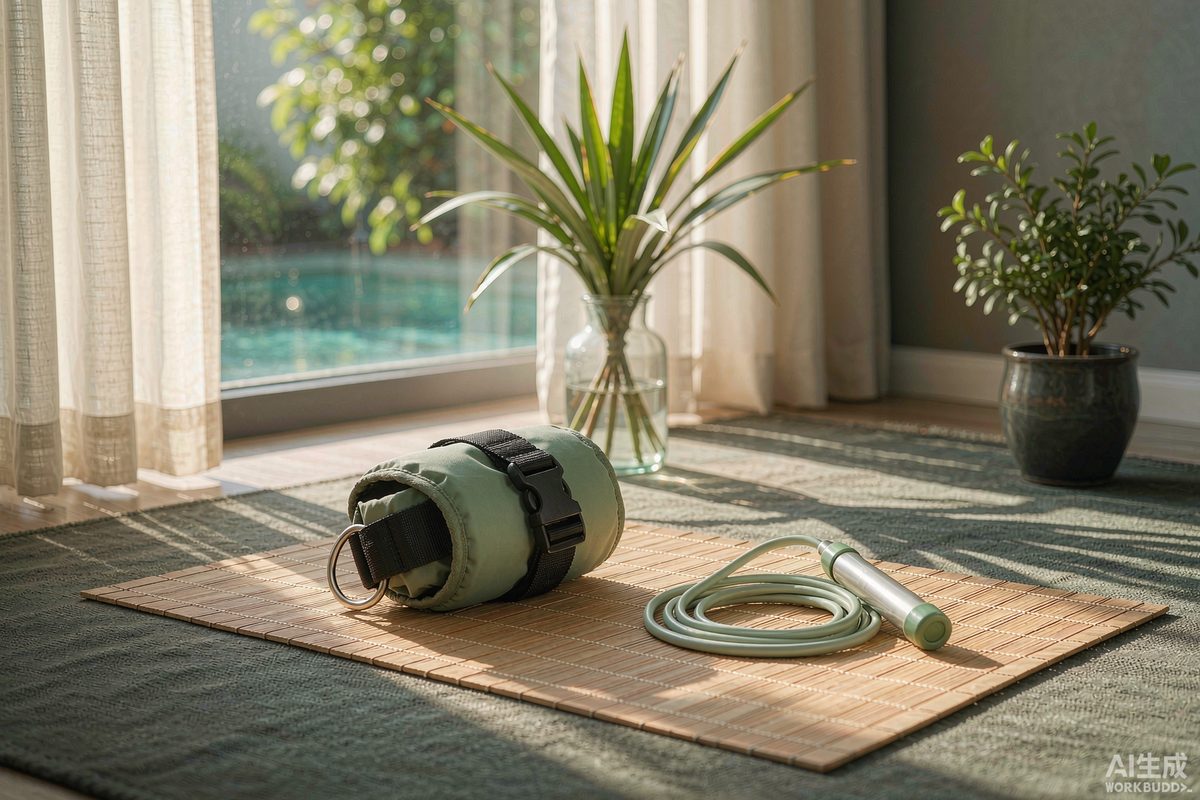
Listings for steppers blur together, so here is the spec sheet that actually predicts satisfaction, in priority order.
Rated user weight, with margin. This is the spec where budget machines cheat most often, and it governs the frame, the pistons, and the pedal play. Take the heaviest user in the house, then add thirty pounds of headroom. A machine rated near a user's exact weight will develop clunks and wobble within months.
Noise and damping. Hydraulic pistons should silence the stride. Read reviews specifically for the words 'squeak', 'oil smell', and 'apartment' — a piston that runs dry turns every session into a neighborhood announcement. The oil smell complaint, when it appears, usually dates to the first week and fades; the squeak does not.
Stride height matters more than stride width. Taller users with a short stride develop an unnatural mincing gait and quit. If you are over roughly six feet, prioritize machines advertising a taller step and read what tall reviewers say.
The extras, ranked honestly: resistance bands are genuinely useful for the two-minute upper-body pairing; an LCD that counts time and approximate steps is nice and every other metric on it is fiction; a floor mat is worth adding under any piston machine, less for noise than for protecting soft flooring from frame pressure.
And one non-spec check: where will it live? The machines that survive are the ones with a permanent, visible home — beside the desk, at the foot of the sofa. The ones stored in closets develop a mysterious silence from which they never emerge.
Two practical notes finish the checklist. First, warranty and returns: piston machines are the only design here with moving parts to fail, so favor sellers with a real warranty and free returns over the cheapest white-label listing, even at a ten-dollar premium. Read one-star reviews specifically for piston failure and pedal wobble in the first month; if that pattern repeats across unrelated reviews, believe it.
Second, try before you commit where you can — some big-box stores stock steppers on the floor, and thirty seconds of standing on one tells you more about stride height and damping than any listing page can. If trying isn't possible, buy from somewhere that returns easily and step on it the day it arrives, not the day you feel ready.
- Rated user weight plus thirty pounds of margin — the spec budget models fudge most.
- Search reviews for 'squeak' and 'apartment' before trusting 'whisper-quiet' in the title.
- Plan a permanent visible spot for the machine. Closet storage is where steppers go to retire.
The Three We Would Shortlist
Our picks appear in the product block below, and the logic behind each is short enough to state here.
The hydraulic machine with bands is the recommendation for roughly three of every four readers: it makes the first month easy, the noise is manageable, the bands add a legitimate upper-body pairing to the two-minute bout, and the price sits where regret is cheap. It is the machine we would buy for a parent who has never owned exercise equipment.
The twist stepper is the upgrade path — the right second machine, or the right first machine for someone who already walks regularly and will be bored by a pure vertical stride within a fortnight. Its display and adjustable stride give progression somewhere to go.
The step platform is the sleeper pick. No pistons to outlive, no weight-rating anxiety, a third of the price, and it does double duty as strength-work furniture. For a disciplined user it delivers the same stepping stimulus the research supports. Its only real enemy is the user's own pace setting, and its only real home is in front of a television.
Whichever you choose, the first-week protocol matters more than the model: two minutes at a conversational-adjacent pace, once or twice a day, no heroics. Add a minute every week or two, and let intensity rise only when the pace feels insultingly easy. Hua Tuo's clause still governs — labor, but never to exhaustion.
The machine rewards consistency the way the classics reward ritual: quietly, cumulatively, and over a longer span than any listing promises.
If you want the three compressed to one line each: the hydraulic machine is for almost everyone starting out; the twist is for the person who will get bored; the deck is for the person who distrusts machines.
Price stratifies them neatly — roughly sixty to ninety-five, seventy to one-twenty, and thirty-five to seventy dollars respectively — but the real dividing lines are temperament, storage, and whether your household tolerates a faint hydraulic hiss at six in the morning. Of the three, the one that earns the most use in the smallest space is, in our testing experience, still the boring hydraulic one.
Boring, in home fitness equipment, is a synonym for used.
- Hydraulic with bands: the default for beginners and gift-buyers.
- Twist stepper: the upgrade for anyone who outgrows the vertical stride.
- Step deck: cheapest and most durable — best for self-driven users and small budgets.
- Week one: two easy minutes, once or twice daily. Build minutes before intensity.
Using It Without Wrecking Yourself
Stepping is low-impact, which is not the same as no-impact, and a few form points keep it that way.
Whole foot on the pedal. The most common complaint pattern in stepper reviews — knee twinges — traces to perching on the ball of the foot with the heel hanging off. Center the foot, let the heel participate, and keep the knee tracking over the toes rather than caving inward. Stand tall; the instinct to lean on the handlebars or desk shifts work away from the legs and rounds the back into the bargain.
If you need to lean that hard, the pace is wrong, not the posture.
Shoes for piston machines, always. Barefoot stepping on a deck is fine; barefoot on pedals with moving parts is how toes meet physics. Footwear also damps the repeated compression that bare arches eventually protest.
Dosing follows the snack logic from our companion piece: brief, brisk, frequent. Two minutes after lunch, two after dinner, more on good days. Stop a session when form sours — sloppy fatigue teaches nothing useful and rehearses bad mechanics. In the classical frame this is exactly the bu dang shi ji boundary: the labor is preservative only up to the point of exhaustion, past which it becomes expenditure.
Two groups should get a clinician's nod first: anyone with significant knee or hip disease, where the repetitive flexion needs an individual judgment, and anyone with cardiovascular risk factors starting vigorous effort of any kind. Both cautions are dull and both are serious.
A final word on pairing. Stepping pairs naturally with what the day already offers. Two minutes while the coffee brews, two before the shower, two after dinner — that is six genuine minutes, and six genuine minutes daily compounds across a year into something no one would call trivial.
If you also walk outdoors, treat the stepper as the weatherproof floor beneath the habit, not a rival to it: bad-weather days, meeting-heavy days, dark winter evenings. The classical frame would call the stepper a servant of continuity — the hinge oil, not the hinge. It exists so the movement never depends on the sky.
- Whole foot on the pedal, knee over toes, no handlebar-leaning — form protects the knees.
- Shoes on for piston machines; save barefoot work for a static deck.
- End sessions when form sours. Past exhaustion, movement stops being preservative.
The Bottom Line
Strip the category to what the evidence supports and the pitch is modest and true: a stepper makes a genuine, weight-bearing, intensity-adjustable cardio bout available in ninety seconds, indoors, at a price below most monthly gym fees, with a footprint a studio apartment can absorb.
For the exercise-snack habit — the two-minute, several-times-a-day pattern that the newer research keeps rewarding — it is one of the few machines purpose-shaped for the job.
What it is not: a strength program, a bone-density protocol, or a guarantee of anything. The mortality and glucose benefits in the underlying studies attach to people who repeatedly take the efforts, month after month, and the machine in the closet contributes nothing but its shadow.
Buyers choosing between designs should match temper to temperament — hydraulic for simplicity, twist for engagement, deck for thrift and durability — and weight-rating, noise, and stride height decide satisfaction more than any feature list does.
The classical texts, as usual, compress all of this into one image. The hinge survives because it is used, not because of how it was built. Every stepper in this guide is well-built enough. The open question, as always with home equipment, is the only one that matters: will it be under your feet or under a pile of laundry by February? Choose the one small enough to stay out, and start with two minutes tonight.