A Pan That Gives Something Back
Most kitchen equipment takes. It conducts heat, holds food, and contributes nothing to what you eat. Iron is the exception, and not in a metaphorical way: cook something acidic in an uncoated iron pan for long enough and the food comes back with more iron in it than it went in with. Not a lot.
Enough to measure, and enough that public health researchers spent two decades trying to turn a cooking pot into a supplement for populations that could not get tablets.
That history is the reason this article exists, and it is also the reason to be careful. The iron pan story has been oversold in Western wellness writing in exactly the way it was overpromised in development policy — as a fix. It is not a fix. It is a small, real, conditional transfer of a mineral into food, sitting on top of whatever else the diet is doing.
The chemistry is unglamorous. Iron cookware is not pure iron; it is an alloy with carbon, and its surface is a layer of polymerized oil, then iron oxide, then metal. Water and acid reach the metal where that layer is thin, worn, or scratched. Ferric iron goes into solution, some of it binds to food acids, some of it stays available, and the dish quietly gains a few milligrams. Dry heat does almost none of this.
A steak seared in a skillet picks up less iron than a tomato sauce simmered in the same skillet, which surprises people who assume the pan works by contact.
We are going to look at what the trials actually found, including the one that failed, then at three pieces of cookware that do genuinely different jobs. If you came for permission to buy a skillet, the answer is yes, but buy it because it sears well.
In Chinese kitchens the iron wok was never a wellness object. It was the cheapest vessel that survived a wood fire, and the fact that it shed a little iron into the greens was nobody's reason for buying one. The research interest arrived much later — in the 1980s and 1990s, when public health workers in Ethiopia, Brazil, Malawi and Vietnam noticed something practical.
Households that cooked in iron had better hemoglobin than households that cooked in aluminium or clay, and nobody had to remember to take a pill. The iron is a bonus you should not build a health plan around.
- Iron transfer depends on moisture, acid and time — a long acidic simmer adds iron; a dry sear adds very little.
- The seasoning layer is what limits transfer, which is why a new or stripped pan gives off more iron than a well-used one.
"The iron is a bonus you should not build a health plan around."
What Leaches, and What Blocks It
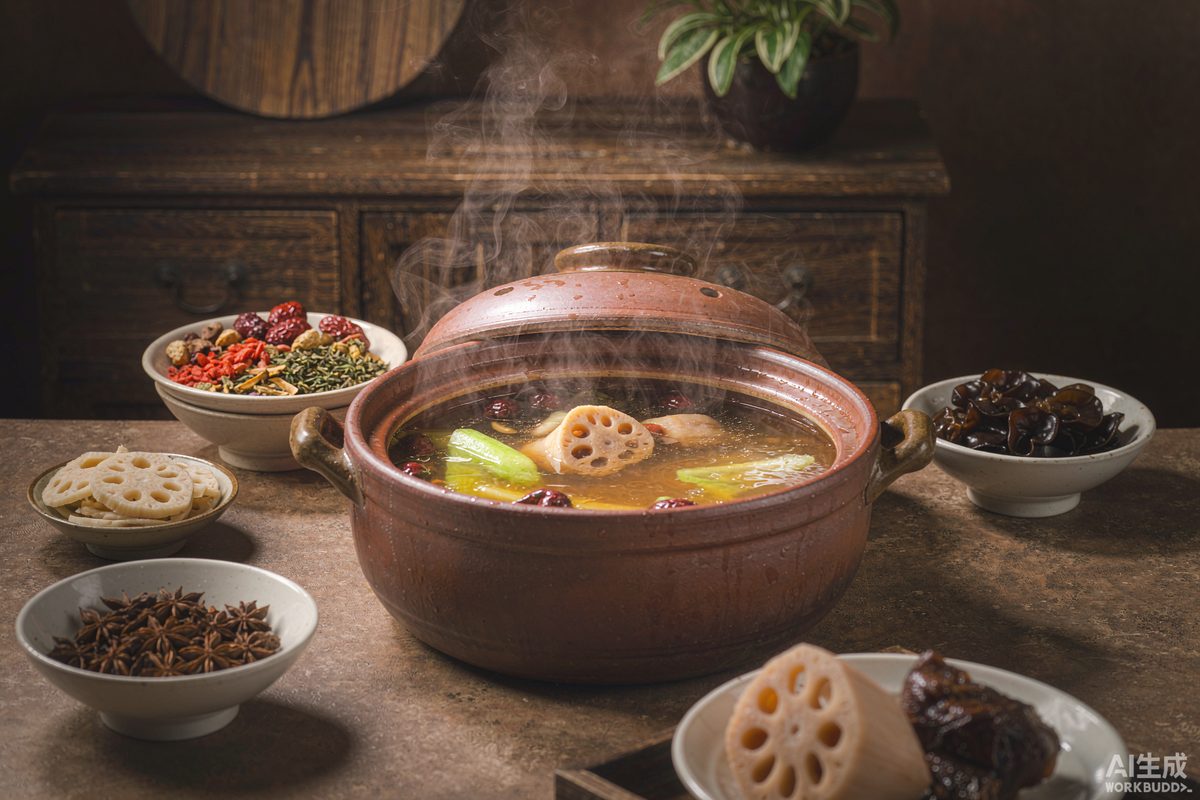
The numbers from the food-chemistry literature are more dramatic than most people expect. 22 milligrams raw. That is a five-fold jump in a dish that was already on the table. Applesauce, chili, curry, anything with vinegar or citrus in it, behaves the same way. The mechanism is simply acid dissolving surface iron; the longer it sits and the more acidic the liquid, the more you get.
Several things suppress it. A thick, well-established seasoning layer is a barrier, so a pan that has been cared for for a decade gives off less than one that has just been stripped and reseasoned. Short cooking times suppress it. Dry methods suppress it almost entirely.
And the iron that arrives this way is non-heme iron — the same category as the iron in spinach and lentils, absorbed at a fraction of the efficiency of the iron in meat, and vulnerable to the same inhibitors. If you drink strong tea with that tomato dish, some of the pan's contribution goes the way of the tea article we published alongside this one.
Which is the first honest limit. The extra iron is real and measurable in the food, but food iron content and absorbed iron are different quantities. The second limit is taste. Past a certain point, iron in a dish reads as metallic or as a grey cast to the sauce, particularly with egg dishes and with anything pale.
Cooks in iron-kitchen cultures solved this by not simmering delicate things in iron, and by keeping a second, non-reactive pot for the jobs iron does badly.
So the pan is a lever with a small range. Where the diet is iron-poor and the pot is used daily, the lever moves. Where the diet is iron-rich and the pot is used for searing, it barely engages.
There is a folk test that gets at the same thing. Wipe a paper towel across a well-used pan and it comes away dark; that is seasoning and oxide, not nutrition. The iron that matters is invisible — it sits in the sauce, and you notice it as a taste, a slight greyness, or not at all.
Cooking a lemon-heavy dish in a freshly stripped pan is the fastest way to see the effect for yourself, and also the fastest way to spend an evening reseasoning.
- Tomato sauce cooked in iron measured about 2.1 mg iron per 100 g, versus 0.44 mg in a non-iron pot — roughly a five-fold difference.
- The iron that leaches is non-heme, so it is absorbed at low efficiency and is inhibited by the same polyphenols that block plant iron.
"Food iron content and absorbed iron are different quantities."
Three Trials, One Failure, and a Review
The evidence base here comes mostly from low- and middle-income settings, where iron deficiency is common and where a pot is cheaper and more deliverable than a pharmacy. That origin shapes what the studies can tell a home cook.
A 2003 systematic review found three eligible randomized trials and concluded that food cooked in iron pots raised hemoglobin in anemic or iron-deficient people — with the effect modified by how consistently the pot was actually used, by the user's age, and by the presence of malaria or hookworm. 7 grams per deciliter from baseline and a fall in iron-deficiency anemia prevalence from 57 percent to 13 percent.
Those are large numbers for a cooking vessel.
Then came the trial that keeps the story honest. In Benin, 161 households and 339 people were randomized to cast iron pots, blue steel pots, or oral iron — actual tablets and micronutrient sachets — for six months. At the end, hemoglobin did not differ significantly between groups, and serum ferritin was significantly higher in the supplement group than in either pot group.
The authors' conclusion was blunt: no evidence that iron cooking pots are effective against iron-deficiency anemia, and open doubt about whether the iron they release is bioavailable at all.
A 2019 systematic review across low- and middle-income countries landed where reviews usually land when the underlying trials are small and messy: possible benefit, inconsistent results, weak study quality, and compliance as the dominant variable. Pots help when people use them daily for years. Pots do nothing when they sit in a cupboard because they are heavy and rust.
What that means for a kitchen in Shanghai or Sheffield is narrower than a recommendation. If your ferritin is normal, the pan is not a supplement and the trials do not apply to you. If your ferritin is low, the pan might contribute something at the margin — and a clinician, a blood test and, usually, actual iron are the things that matter.
Compliance is where these trials live or die, and it is worth picturing what low compliance looks like. An iron pot is heavy, it rusts in humid climates, and it cannot be used for everything a family cooks — sour soups pit it, and pale dishes take on a metallic edge. In the Ethiopian trial the pots were supplied and monitored; in the Benin trial adherence was measured, and the supplement arm still won.
A pot only works in the narrow case where it becomes the pot someone actually reaches for.
- In the Benin trial (339 people, 6 months), iron pots produced no hemoglobin advantage and lower ferritin than iron tablets — the supplement arm won.
- The 2003 review's Ethiopian trial (407 children, 1 year) reported hemoglobin up 1.7 g/dL and IDA prevalence falling from 57% to 13%.
"Pots help when people use them daily for years. Pots do nothing when they sit in a cupboard."
Skillet, Wok, Ingot: Three Different Jobs
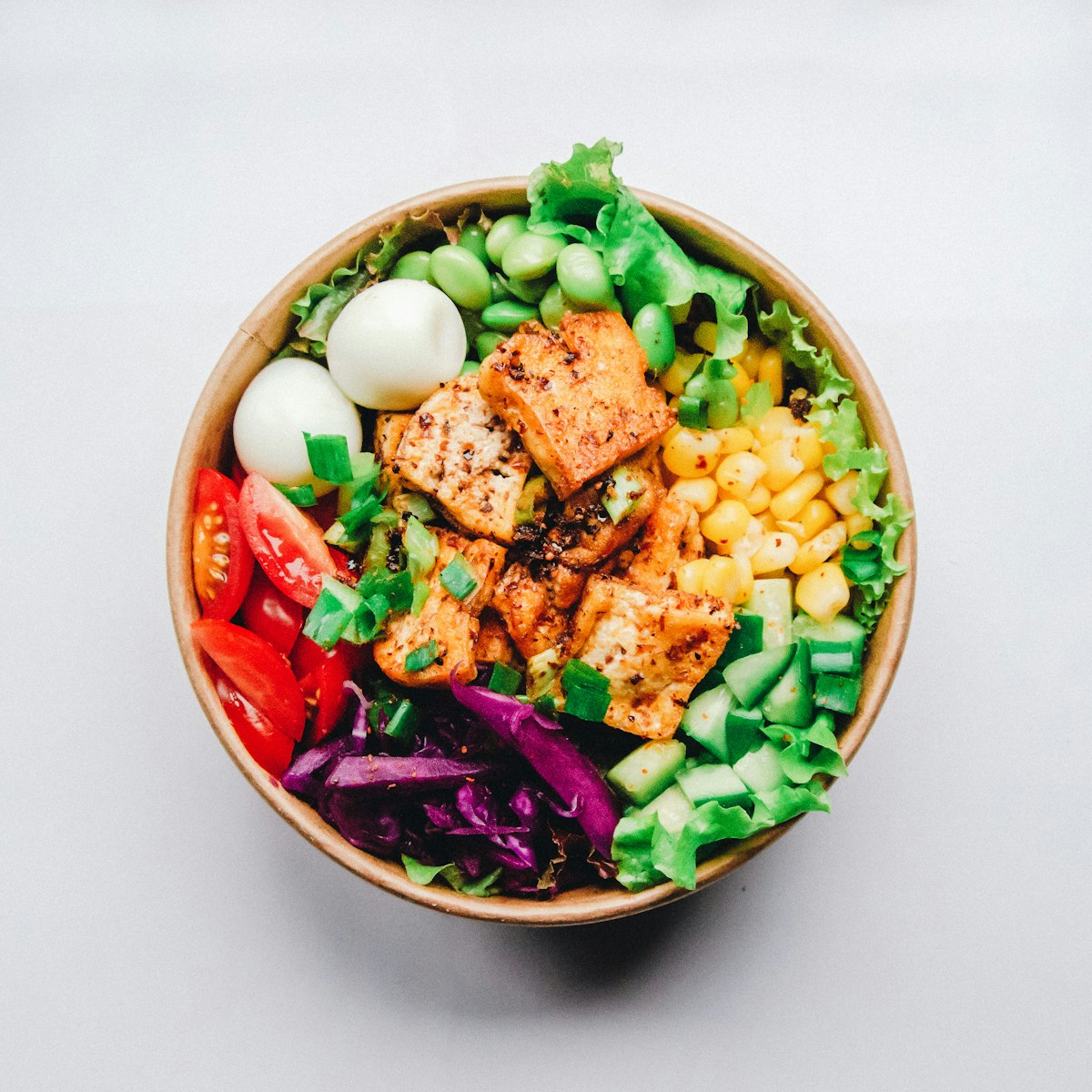
The three pieces below are not interchangeable, and choosing between them is a question about what you cook rather than about iron.
A skillet is a searing tool that can also braise. Its value is thermal mass: it does not flinch when cold protein lands on it, so you get browning instead of steaming. The iron contribution shows up in the wet, acidic, forty-minute cook — a ragù, a shakshuka, a pan of beans — and it comes with a cost, because that same cook strips seasoning and leaves you re-oiling.
Twelve inches is the size that handles a family meal; anything larger gets unwieldy on a domestic burner, anything smaller cannot brown meat properly without crowding it.
A wok is a different geometry for a different cuisine. Thin iron, high heat, constant motion. It is the piece that a Chinese kitchen actually uses daily, and the iron transfer in it is a byproduct of stir-frying with vinegar and wine rather than a design goal. Two wooden handles beat one long handle for a domestic burner, since you will lift it constantly.
A round bottom needs gas and a ring; flat-bottomed versions work on induction, with a small loss of the wok hei that comes from flame licking the sides.
An ingot is the only one of the three designed for the mineral rather than the cooking. It goes into a pot of soup or water, boils ten minutes with something acidic, comes out, gets dried. No seasoning, no maintenance beyond rust prevention, no change to how the food tastes — which is exactly why it worked in trials where heavy, rusty pots did not.
It is also the piece with the clearest evidence and the narrowest use case.
- Skillet = searing plus long acidic braises; wok = high-heat stir-fry; ingot = boiling water and soup with an acid source.
- An ingot needs an acidifier (lemon, tamarind, tomato) and a ten-minute boil to release meaningful iron, then must be dried completely.
Seasoning, Rust, and the Maintenance Nobody Mentions
Cast iron fails in two ways, and both are predictable. It rusts when it stays wet, and it loses its non-stick surface when it is used for the wrong jobs — simmering tomato for an hour, boiling water, sitting in a sink overnight. Neither is fatal. Both are annoying.
The seasoning itself is polymerized oil, not a coating applied at the factory. New pans arrive with a thin factory layer that is a starting point, not a finish. Build it by cooking fatty things: bacon, shallow-fried eggs, roast chicken.
Wash with hot water and a brush, skip the soap if you like (modern dish soap will not destroy a good seasoning, whatever the forums say, but it does strip a weak one), dry it on the burner rather than with a towel, and wipe a few drops of oil across the surface while it is still warm. That routine takes ninety seconds and is the entire secret.
Three practical warnings. Do not store acidic food in the pan — a leftover tomato curry left overnight will pit the surface and taste metallic by morning. Do not put a hot pan into cold water; thermal shock can crack cast iron, and it will certainly destroy the seasoning. And be realistic about weight. A 12-inch skillet is close to four kilos, a 32-centimeter wok around one and a half to two.
If lifting matters to you — arthritis, a small kitchen, a glass cooktop you would rather not scratch — a carbon steel pan seasons the same way at half the weight, and gives up only some heat retention.
None of this is difficult. It is just unfamiliar to people raised on non-stick, where the pan is disposable and nothing needs to be earned.
One buying decision deserves its own paragraph: bare iron or enamel. Enameled cast iron gives you the heat retention without the reactivity — no metallic taste, no stripped seasoning, no rules about tomato — and it transfers no iron at all, because the cooking surface is glass. If your reason for reading this is the mineral, buy bare.
If your reason is a pot that goes from stove to oven to table and can hold a curry overnight, enamel is the better object and the iron question is moot.
- Dry cast iron on the burner, not with a towel, and wipe a thin film of oil on while it is warm — that is the whole maintenance routine.
- Never store acidic leftovers in the pan; the surface pits and the food picks up a metallic taste overnight.
"The pan is disposable in a non-stick kitchen. In an iron kitchen, nothing needs to be earned twice."
Who Should Not Cook This Way
There is one group for whom this entire article inverts: people with hereditary hemochromatosis, and anyone else with iron overload. For them, extra iron absorbed from food is not a bonus, it is the direction they are already losing ground in.
Standard advice for hemochromatosis includes avoiding iron cookware, avoiding raw shellfish, and moderating vitamin C with meals, because ascorbate increases absorption of whatever iron is present. If that is your diagnosis, the enameled Dutch oven is not a compromise — it is the correct pan.
The same caution, milder, applies to anyone whose ferritin runs high without a diagnosis, which is a common and usually benign finding in older men and in people with fatty liver. A number is worth more than a guess here. Ferritin is cheap, it is on any standard panel, and it turns this article from an abstraction into an answer.
A third group: anyone hoping the pan will replace treatment. Iron-deficiency anemia diagnosed by a clinician needs iron, and usually a investigation into why the iron was lost — heavy periods, a bleeding polyp, celiac disease, too frequent blood donation. Cooking in iron contributes a milligram or two on a good day. It will not correct a hemoglobin of 9, and treating it as though it might delays the part that works.
For everyone else — the vast majority of readers — the honest position is that the pan is neutral to mildly positive and the decision should be made on cooking grounds. Buy it because you want a crust on your fish and a pan that will still be usable in 2050. The iron comes along for the ride, uninvited and mostly harmless.
Blood donation is the case people forget. A regular donor loses roughly 200 to 250 milligrams of iron per donation, and collection centers screen hemoglobin rather than ferritin — which means a donor can pass the finger-stick test for months while their stores slide quietly downward.
If you donate every eight weeks, a skillet is not going to cover that deficit, and it is worth stating plainly instead of letting cookware take credit it has not earned.
- Hereditary hemochromatosis and iron overload are reasons to avoid uncoated iron cookware entirely; enamel and stainless are the alternatives.
- Iron-deficiency anemia needs diagnosed treatment — a pan contributes a milligram or two, not a correction.
The Honest Ledger
Add it up and the case for cast iron is mostly a cooking case. Heat retention, oven-proof construction, a surface that improves for decades, a price per year of use that no non-stick pan survives. The mineral transfer is real, measurable in the food, and — outside of deficient populations using the pan daily for years — modest in the body.
What I would tell someone standing in a shop is this. If you cook acidic braises weekly and your ferritin is low, an iron pot is a reasonable, cheap, low-risk addition, and the wok is probably the piece you will actually use. If your ferritin is high, walk away. If it is normal, buy the pan you will enjoy cooking in and stop thinking about your blood.
The question I cannot answer is the one the trials never asked. Nobody has run a ten-year study of ordinary households cooking in iron, measuring ferritin at the end, in a place where iron deficiency is uncommon. The transfer is proven in a laboratory and a saucepan; whether it accumulates into anything meaningful over decades of home cooking, in people who are not deficient, is genuinely unknown.
Which is a strange place for a two-thousand-year-old piece of equipment to sit — useful, unproven, and still the best thing in the kitchen for a steak.
- Iron cookware earns its place on heat retention and durability; the mineral transfer is a side effect, not a reason to buy.
- No long-term study has measured ferritin in ordinary well-nourished households cooking in iron — the size of the effect over decades is unknown.
"Useful, unproven, and still the best thing in the kitchen for a steak."