The 3 PM Craving Is a Message, Not a Failure
' They say it like it's a fixed property of their personality, a character flaw stamped in at birth. I've spent years in clinic trying to convince people otherwise, and the one thing that finally lands is this — your craving is a symptom. Same category as a cough or a low-grade fever. You don't apologize for a cough. You ask what it's telling you.
Here's what the timing usually tells me. A craving that builds through the late afternoon and collapses into fatigue after the sugar wears off points, in the old system I work with, at the Spleen. Not the anatomical spleen you can have removed and still go home the same week — the Spleen of Chinese medicine, the organ-system that governs transformation.
It takes what you eat and turns it into usable energy and blood. When that engine is running low, the body reaches for the fastest fuel it knows. Refined sugar is the metabolic equivalent of tossing newspaper on a dying fire: one bright flare, then nothing.
The shame response makes it worse, because shame isn't fuel and it isn't a diagnosis. The patient I remember most clearly described her craving as 'running on fumes,' and that's exactly right. A body running on fumes doesn't need a lecture about discipline. It needs the tank filled with something that burns slowly.
Everything I write below comes from that frame: read the craving, find the pattern behind it, and give the system what it's actually short on. The craving usually quiets on its own after that — not because you got stronger, but because the message stopped needing to be sent.
- Time your craving for a week before you do anything else — the clock is diagnostic. Mid-afternoon suggests Spleen; late-evening with irritability suggests Liver.
- Write down what the craving wants specifically. 'Something sweet' is vague; 'chocolate,' 'soda,' 'bread' each point at slightly different things.
- Notice what comes after. A craving followed by a crash and brain fog reads differently than one that leaves you steady.
"The five flavors enter the five organs: sour enters the Liver, bitter enters the Heart, sweet enters the Spleen, pungent enters the Lungs, salty enters the Kidneys."
Sweet Is the Flavor of the Spleen
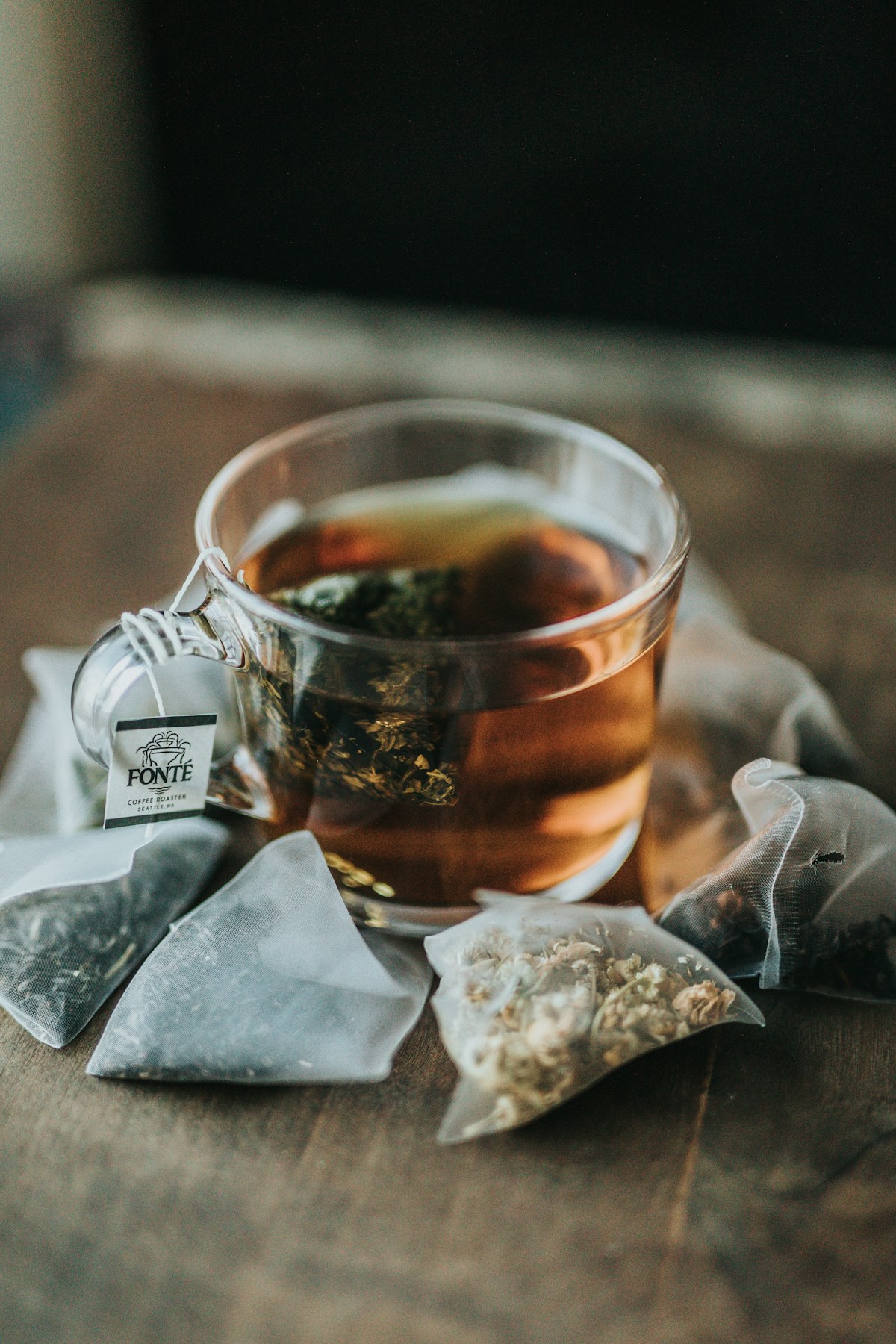
Every flavor in the classical Chinese framework is assigned to an organ, and the assignment isn't arbitrary — it's a functional map. Sweet belongs to the Spleen. The logic runs both directions. A little proper sweetness nourishes the Spleen, strengthens the middle, and softens tension; and when the Spleen is deficient, the body reaches for sweet things to prop it up.
What the tradition is describing, in language older than the word 'glucose,' is the relationship between carbohydrate and the system that turns it into usable energy. Modern endocrinology describes the same loop from the other side: low available energy drives carbohydrate-seeking behavior.
The trouble is that the tradition drew a line the modern food supply has erased. The sweet that tonifies is slow sweet — rice, sweet potato, yam, dates, cooked grains, the kind of sweetness that enters the blood gradually and nourishes flesh. The sweet that injures is fast sweet — refined sugar, syrup, the concentrated hit that arrives all at once.
Classical texts warn that excess of a flavor damages the very organ it feeds. Too much sweet overwhelms the Spleen, generates dampness, and, in a bitter irony, produces exactly the foggy, heavy, exhausted state that made you crave sweet in the first place. So the craving becomes a loop: deficient Spleen reaches for sugar, sugar further burdens the Spleen, the Spleen gets weaker, the craving gets louder.
Breaking it isn't about renouncing sweetness. It's about swapping the fast version for the slow one. That single substitution — and it's the thread running through the rest of this article — is usually the difference between fighting the craving every afternoon for years and forgetting it exists.
- Slow sweet nourishes the Spleen; fast sweet injures it. Rice, yam, sweet potato, and dates are the tonifying kind. Refined sugar is the burdening kind.
- Excess of any flavor damages its own organ — this is why the fix for a sweet craving is rarely more of the same concentrated sugar.
- When a craving keeps returning louder after every 'cheat,' read it as the loop tightening, not as a relapse to be punished.
"When the Spleen Qi is deficient, the body desires the sweet flavor, for sweetness enters the middle and supplements deficiency."
Three Patterns, Three Different Cravings
Not all sugar cravings are the same animal, and treating them as if they were is why most generic advice fails. 'Just eat more protein' works for one person and does nothing for another, because the pattern underneath is different. In the system I use, the craving is a symptom with a location and a cause, and there are three causes I see over and over. Getting the pattern right is most of the work.
The first is the exhausted Spleen — the engine that's simply under-fueled and reaching for fast energy. The second is Liver Qi stagnation — the stress pattern, where the craving shows up alongside irritability and a feeling of being wound tight. The third is dampness — the heavy, foggy state where the body mistakes congestion for hunger and eats to feel something other than stuck.
They can overlap, and they often do. A stressed person with a weak Spleen and a damp diet will show pieces of all three. But one usually leads, and the leader dictates the fix. The sections that follow take each pattern on its own, with the signs that distinguish it and the specific foods and habits that answer it. If you recognize yourself in one of them, that's your starting point.
If you see yourself in all three, start with the one that matches your worst hour of the day.
- Match the fix to the pattern, not the craving to a generic rule. Exhausted Spleen wants slow sweet, Liver stagnation wants movement and sour, dampness wants less sugar and more bitter.
- The patterns overlap, so don't force a clean label — treat the one that matches your worst, most predictable craving window.
- Track energy, mood, and craving together for a week; the pattern that explains all three is the one to address first.
Pattern One: The Exhausted Spleen
This is the pattern behind the classic afternoon slump. The person wakes with reasonable energy, makes it through the morning on momentum, and hits a wall somewhere between two and four — at which point the craving arrives with real physical urgency. It's not a whim; it's a fuel alarm.
The Spleen, under-fueled and overworked, is signaling that available energy has dropped below a threshold, and refined sugar is the fastest route back up.
The supporting signs are usually there if you look. Bloating after meals, especially heaviness that lingers. A pale, puffy tongue with scalloped edges — tooth marks around the rim, the signature of a Spleen that's been asked to do more than it can. Loose stools or a tendency toward them. Limbs that feel heavy, a preference for lying down, waking up unrefreshed.
None of these are dramatic; together they paint a clear picture.
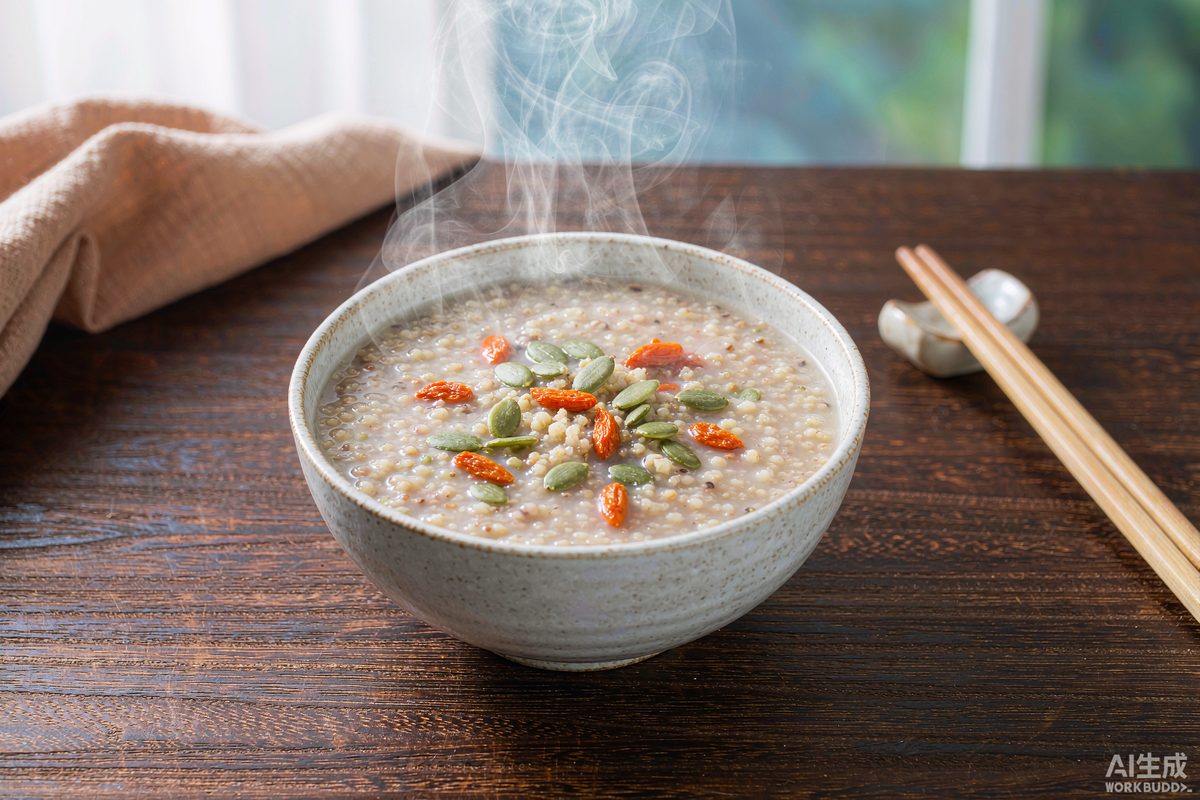
The fix is not to remove sweetness but to upgrade it. The Spleen wants sweet that arrives slowly and carries substance: cooked rice and congee, sweet potato, squash, carrots, dates, oats, millet. Eaten warm and cooked, these deliver the flavor the Spleen is asking for while actually rebuilding it. The timing matters too — regular meals, warm food, nothing raw and cold dumped into a mid-afternoon already running low.
I tell patients to think of it as feeding the craving a better version of itself. m. craving than any amount of white-knuckling at the vending machine ever will.
- Answer the craving with slow sweet before it peaks: a warm midday meal of sweet potato, rice, or squash keeps the tank fuller so the 3 p.m. alarm never fires.
- Check your tongue: pale and scalloped is the Spleen asking for help. No amount of protein-only advice fixes a tongue that looks like that.
- Eat warm and cooked through the afternoon; raw and cold food at a low-energy hour is more transformation work for an engine already struggling.
"The Spleen governs transformation and transportation, and it prefers warmth and gentleness. Feed it cooked, warm, and regular, and the craving for fast sweetness subsides on its own."
Pattern Two: Liver Qi, Pushing Sideways
This one shows up late in the day and it has an emotional edge. ' The person often describes a tightness in the chest or ribs, irritability, sighing, and a short fuse. That's the Liver, and in the five-element scheme the Liver is the one that does the pushing.
When Liver Qi stagnates — the classical name for the state stress puts the body in, where energy gets stuck instead of flowing — the Liver tends to 'overact on' the Spleen, its neighbor in the elemental cycle. Wood, in this metaphor, attacks earth. The result is a body that's simultaneously wound up and drained, craving sugar as both a sedative and a reward.
The sugar briefly loosens the knot, which is why it's so hard to resist — it's doing a real job, just badly.
The fix isn't sweetness at all, mostly. It's movement and flavor. Movement to get the stuck Qi flowing — a walk, stretching, anything that unkinks the ribs. And flavor to do the same work internally: sour, which in the classical scheme restrains the Liver and softens it, and a touch of pungent like ginger to open things up.
Sour foods — a splash of good vinegar on greens, citrus, pickled things — directly counter the push-and-grab. m. is very often a Liver that wants sour and movement and has learned to ask for sugar instead, because sugar is what's been answering the phone.
- A late-day craving with irritability, sighing, or a tight chest is Liver, not Spleen — answer it with movement and sour, not sugar.
- Keep something sour nearby: good vinegar, citrus, pickled vegetables. The sour flavor is the classical counterweight to a pushing Liver.
- Unkink the ribs before you reach for anything — three minutes of stretching the sides and shoulders changes what the body asks for next.
"The Liver governs the free flow of Qi. When it is constrained, it overacts on the Spleen and the craving for sweetness rises. Sourness restrains the Liver and soothes the middle."
Pattern Three: Dampness That Pretends to Be Hunger
The third pattern is the one that most confuses people, because it doesn't feel like hunger at all. It feels like a heaviness in the head, a fog, a vague sense of wanting *something* without being able to say what. The person opens the fridge, closes it, opens the cupboard, wanders. The craving isn't sharp; it's diffuse. And eating usually makes it worse, because the real problem isn't emptiness — it's fullness.
Stuck, stagnant fullness.
Dampness is the classical term for a state where fluids and metabolic waste have stopped moving and pooled. It comes from too much sweet and rich food, too much cold and raw food, irregular eating, and a Spleen too weak to transform what arrives. The pooled dampness then masquerades as hunger: the body reads the congestion as a signal that something's off, and reaches for the fastest comfort it knows.
Sugar, of course, feeds dampness directly — it's the most damp-generating food in the system. So the loop is tight and cruel: dampness creates the false craving, sugar worsens the dampness, the craving returns louder and heavier.
The signs are distinctive. A thick, greasy tongue coating — white or yellowish — that you'd scrape off if you could. A sense of heaviness in the body, worse in humid weather. A dull, foggy head. A craving that eating doesn't resolve. If the exhausted Spleen is a fire running out of fuel, dampness is a fire smothered by wet leaves.
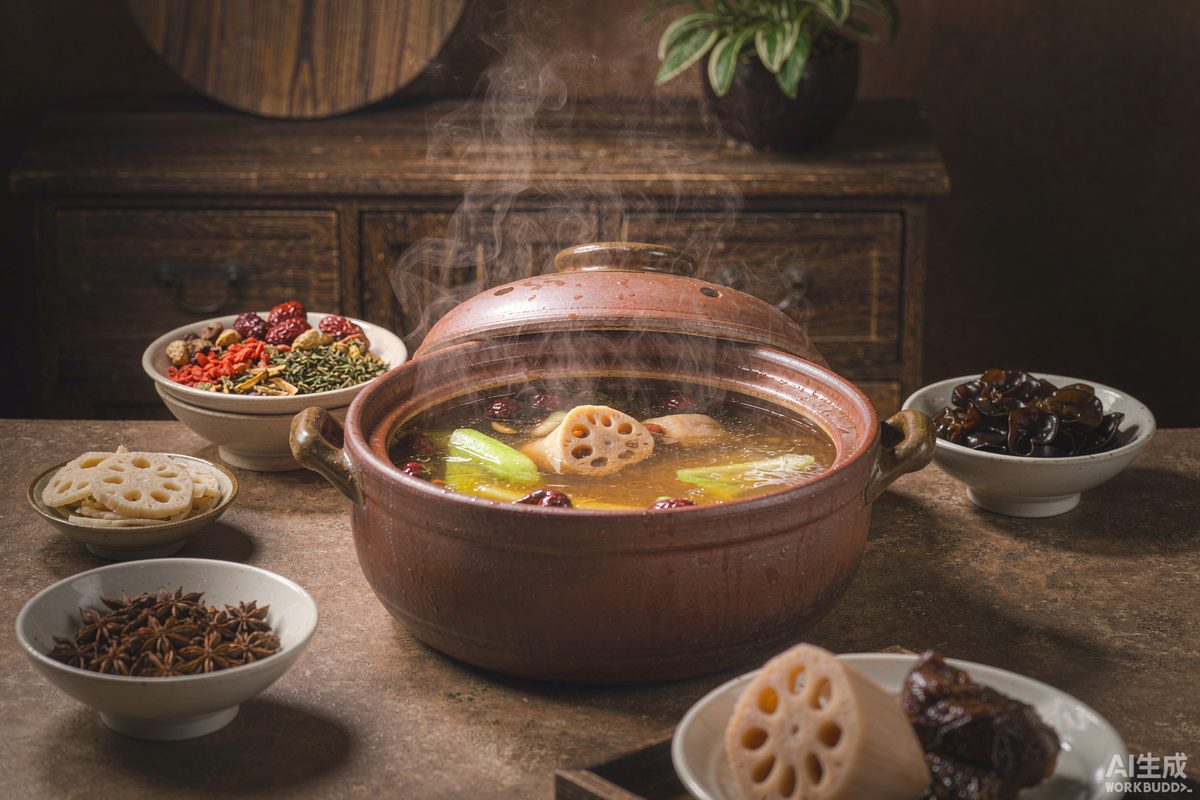
The fix is the opposite of what the craving wants: less sugar, less rich food, less cold and raw, and more of what clears damp — lightly cooked vegetables, bitter greens, warm grains, and the bitter flavor that the tradition uses to dry and drain. Bitter is the flavor of the damp-clearer, and it's the last thing a damp body asks for, which is precisely why it needs it.
- A craving that's diffuse — a vague 'wanting something' that eating doesn't resolve — is dampness, not hunger. Don't feed it.
- Check your tongue coating: thick and greasy means damp. The fix is less sugar and more bitter, the exact reverse of the craving's request.
- Bitter greens, lightly cooked vegetables, and warm grains clear damp; sugar, rich food, and cold raw food feed it.
"When dampness prevails, the head is heavy as if wrapped in cloth, and the body is weary. Sweetness breeds dampness; bitterness dries it."
Craving Versus Hunger: A Test You Can Run Today
The fastest diagnostic tool I give patients isn't a blood test or a questionnaire. It's a fifteen-minute experiment that separates real hunger from a craving, and it works because the two have different anatomies. Real hunger builds gradually, is satisfied by a real meal, and disappears after you eat.
A craving arrives suddenly, wants one specific thing, and often survives a full meal entirely — you finish dinner and still want dessert, which tells you the signal was never about calories.
The test: the next time a craving hits, offer yourself a real, warm, balanced plate — rice, cooked vegetables, some protein, a full meal. If the urge evaporates the moment you finish, it was hunger, and the lesson is simply to eat more and earlier. If the urge is still there ten minutes after a complete meal, it was never hunger.
It's a signal from one of the three patterns above, and it's telling you something specific about what the system is short on. That's the moment to read it, not fight it.
There's a second, sharper test for the sweet-specific craving. Ask what the body wants the sugar to *do*. Fill the tank? Soothe a knot? Cut through fog? The answer names the pattern. 'Fill the tank' is Spleen. 'Soothe the knot' is Liver. 'Cut through fog' is dampness. Same craving, three different jobs, three different fixes. You can't prescribe until you know which job the sugar has been hired to do.
- Run the plate test: if a full warm meal kills the craving, it was hunger — eat more and earlier. If it survives the meal, it was a signal.
- Ask what the sugar is hired to do — fill, soothe, or cut through fog. The answer names the pattern and the fix.
- Real hunger builds slowly and any food satisfies it; a craving lands suddenly and wants one thing. The speed and specificity are the tell.
What I Tell Patients to Eat Instead
The goal is never to delete sweetness from your life. It's to hand the sweet urge a version of itself that nourishes instead of depletes, and to balance it with the flavors that the other patterns are missing. That's the five-flavor logic in one sentence, and it works as a practical plan.
For the exhausted Spleen, the swap is simple: slow sweet for fast sweet. Sweet potato, yam, carrots, squash, dates, oats, millet, and properly cooked rice — warm and regular. m. alarm often doesn't fire at all. For the Liver pattern, add sour and movement: a squeeze of citrus, a splash of vinegar, pickled vegetables, and a walk when the tension builds.
For dampness, do the counterintuitive thing and add bitter — dandelion greens, bitter melon, dark leafy greens, a cup of chrysanthemum tea — while dialing down sugar and rich, cold, raw food.
One addition helps all three: a little pungent warmth. Ginger, in a slice of tea or grated into a dish, moves Qi, warms the middle, and helps the Spleen transform. It's the flavor that keeps the others moving rather than sitting. And a final note on timing, because it matters more than most people expect: eat before the craving peaks.
The body that's fed a solid warm lunch at a consistent hour doesn't hit the wall the same way. Prevention here is literally the schedule.
- Swap, don't ban: slow sweet (sweet potato, yam, dates, oats, rice) for fast sweet, warm and at regular hours.
- Match the missing flavor to the pattern — sour for Liver, bitter for dampness, a little pungent ginger for all three.
- Eat before the craving peaks. A consistent warm lunch is the single most reliable prevention I know.
"The wise physician treats what is not yet diseased. Nourish the Spleen with proper sweetness before the craving rises, and there is nothing left to fight."
A Week Without the 3 PM Fight
Nothing here requires heroism, and that's the point. The person I described at the start didn't white-knuckle her way through a sugar detox. She changed two things: she ate a warm, substantial lunch at a fixed time, built around rice and sweet potato instead of a salad and a diet soda, and she kept a small pot of pickled vegetables and a cup of ginger tea within reach for the late-afternoon stretch.
The craving didn't vanish on day one. By the end of the second week, it had simply stopped announcing itself.
That's the rhythm these patterns tend to follow — not a fight you win, but a signal that fades once the message is answered. Some people notice it as a quiet afternoon. Others as the sudden realization, somewhere around 6 p.m., that they hadn't thought about sugar all day. Either way, the sensation is less 'victory' and more 'the alarm finally stopped going off.'
An honest boundary, because I owe you one. The neurobiology of sugar is real and well documented — the studies above show that highly processed, high-glycemic foods can drive reward-circuit responses that look a lot like addiction, and that's not something a bowl of sweet potato will erase overnight.
What the TCM framework offers isn't a rival chemical theory; it's a map of why the craving shows up when and how it does, and a set of food-and-timing levers that address the conditions feeding it. Use it alongside good care, not instead of it. If cravings are severe, persistent, or tied to disordered eating, that's a conversation for a professional, not a pantry strategy. m.
vending machine fight — the one so many people carry around as proof of their own weakness — there's a quieter way out. Read the message. Feed the Spleen. Add the sour and the bitter and a little ginger. And then let the afternoon prove, all on its own, that it never needed the sugar in the first place.
- Change two things, not everything: a fixed warm lunch and one counter-flavor within reach. Small levers, consistently pulled, do the work.
- Expect the signal to fade over days to weeks, not vanish on day one — answer the message and it stops repeating.
- Severe, persistent, or eating-disorder-linked cravings belong with a professional. This framework supports good care; it doesn't replace it.