The Habit Dies on Friction, Not Taste
Ask someone why they don't eat bitter greens and the answer is rarely "I hate the taste." It's the washing. The chopping. The fact that the bagged arugula went slimy in the crisper drawer, again. Bitter foods demand a little more handling than the pre-washed, pre-sweetened stuff that crowded them off the plate, and that handling is exactly where the habit breaks.
This is the thing most "eat more vegetables" advice gets wrong. It assumes the obstacle is knowledge — as if people don't know greens are good for them — when the obstacle is friction. Every extra minute of prep, every tool that's dull or flimsy or annoying to clean, is a small tax on a tired weeknight, and the modern food supply has spent decades removing those taxes only from the foods it profits from most.
The sweetened, the salted, the pre-cut. Bitter got no such subsidy.
So the fix is not a lecture about glucosinolates. It's removing the friction. And bitter foods, it turns out, need only three cheap tools to go from a project to a reflex: a sharp knife, a salad spinner, and an infuser that actually strains. Everything else is optional.
This article is those three tools, the rules we used to pick them, and the honest limits of what any tool can do — because a salad spinner will not make you healthy, and we'd rather say that plainly than sell you a drawer of gadgets that end up in the back of the cabinet.
The data case for bitter comes first, briefly, because the tools only matter if the food does.
- The obstacle to eating bitter greens is friction — washing, chopping, cleaning — not knowledge or even taste.
- Three cheap tools remove most of that friction: a sharp knife, a salad spinner, a proper infuser.
"The pungent disperses, the sour astringes, the sweet relaxes, the bitter strengthens, the salty softens."
Why Bother: the Short Version
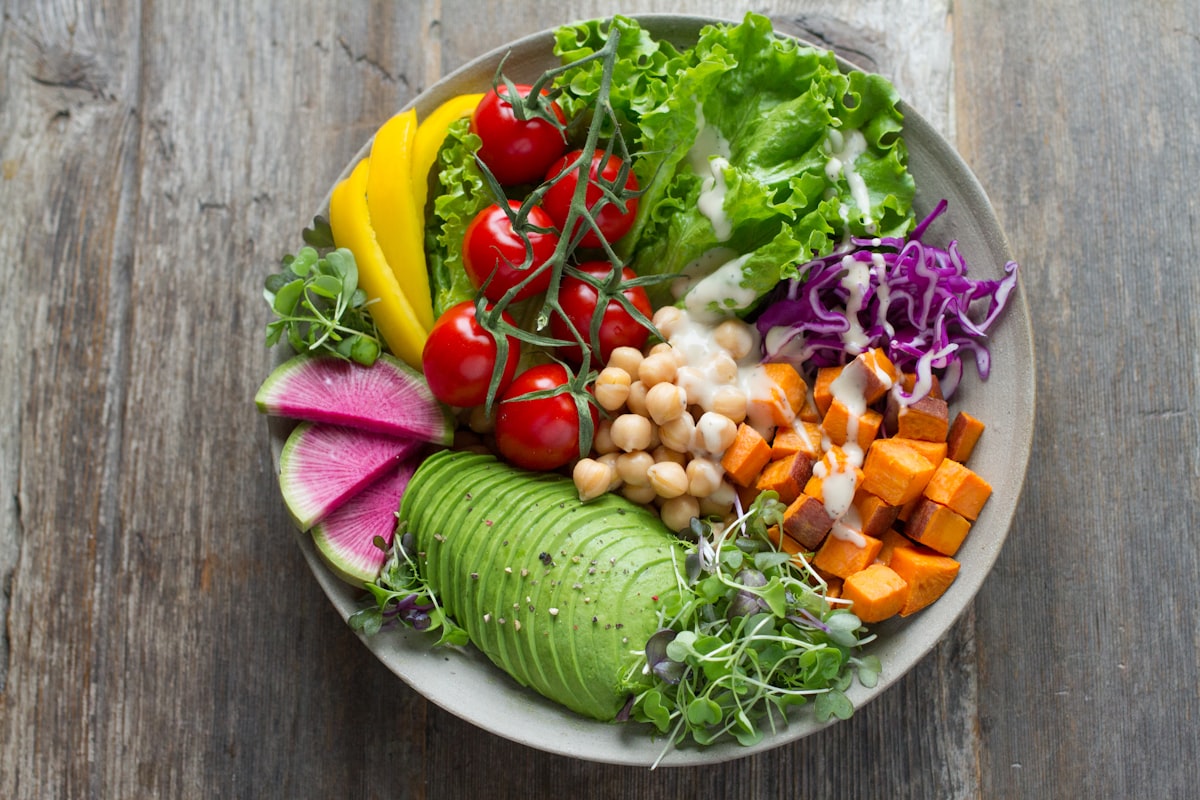
The case for bitter rests on two legs, and honesty requires keeping them separate.
The first is the old frame. Chinese medicine sorts food by five flavors, and bitter is the one that drains, dries, and firms — the flavor that clears heat and cuts through the dampness that heavy, sweet food leaves behind. It was never a garnish in that system; it was the counterweight, and its near-total absence from the modern plate is, in that frame, a genuine gap rather than a preference.
The second is the modern work. Bitter compounds in plants — the isothiocyanates in brassicas, the flavanols in cocoa, the polyphenols in coffee — are among the most studied compounds in nutrition, and the results are not flimsy.
A 2022 review in Nutrients summarized the growing evidence that brassica bitter compounds carry anti-inflammatory and chemoprotective effects, while flagging the honest catch: human responses vary widely because gut bacteria differ from person to person.
A 2017 Cochrane review of 35 trials found cocoa flavanols lower blood pressure by a small but real amount, concentrated in people whose pressure is already elevated. A 2016 meta-analysis tied coffee — the most popular bitter drink on earth — to a 44% lower cirrhosis risk per two daily cups, across 430,000 people.
None of this makes bitter food medicine. It makes it a defensible default, the flavor the old system always assumed would be present and the modern data keeps quietly vindicating. The tools below are how you get it back on the plate without turning your kitchen into a project.
- Bitter is the flavor that drains, dries, and firms — the counterweight to sweet in the five-flavor system.
- The modern evidence on bitter compounds is real but uneven: brassicas, cocoa, and coffee all show effects, with wide human variation.
- None of this makes bitter food medicine — it makes it a defensible default.
Three Rules Before You Compare Tools
Every knife, spinner, and teapot does its basic job. The differences that matter are the boring, permanent ones. Three rules, weighted in the order we use them.
Buy for the thing you'll actually cook. This sounds obvious and gets ignored constantly. If you eat greens raw, the salad spinner is non-negotiable and the knife can be modest. If you'll sauté them, the knife matters more and the spinner less. If the bitter-tea habit is your real entry point, the infuser is the star and the other two can wait.
Match the tool to the behavior you already have, not the one you aspire to.
Buy materials, not features. A knife is a piece of steel with a handle; a spinner is a bowl and a basket; a teapot is glass and a mesh. The quality of the material — high-carbon steel that holds an edge, borosilicate glass that won't crack under heat, a fine stainless mesh that strains — is the whole game. Features beyond that, on all three, are decoration. Nobody's salad spinner needs a digital display.
Buy what you'll wash. This is the rule that actually predicts survival, and it's unglamorous. The tool that's annoying to clean gets left in the sink, then the drawer, then gone. A spinner with a brake mechanism you can dunk in the sink, a teapot whose infuser basket lifts out and rinses clean, a knife that's dishwasher-safe only if you enjoy sharpening more than cooking.
If cleaning it is a chore, the friction is back, and the habit dies where it started.
- Match the tool to the behavior you already have — raw greens mean spinner, sautéed greens mean knife, tea means infuser.
- Material beats features: high-carbon steel, borosilicate glass, fine stainless mesh.
- The tool you'll actually wash is the tool you'll keep using; cleanability predicts survival.
The Three Picks, and Who Each One Suits
We landed on one product per job rather than a ranked list of twelve, because the jobs are genuinely different.
The 8-inch chef's knife is the foundation and the one we hand to everyone. Forged high-carbon stainless steel, a full tang, a weight that does the cutting for you. A sharp knife is the difference between greens that get eaten and greens that get composted: a dull blade bruises dandelion and arugula into weepy, oxidized ribbons that taste twice as bitter and look like defeat.
Thirty seconds to a clean chiffonade, a lifetime of the thing if you keep it sharp — a honing steel and an occasional sharpening is the whole maintenance program. If you own exactly one good knife, make it this one.
The salad spinner suits the raw-greens eater. Bitter leaves come in dirty, and dry leaves are what let a dressing cling. A 4-to-5-quart spinner with a pump or brake mechanism and a bowl you can serve from turns a gritty bunch into a ready salad in under a minute.
It's also the single most mocked kitchen tool, which is exactly backward — it's the tool that gets greens eaten on a Tuesday, and that's worth more than any gadget that just looks serious.
The glass teapot with a fine-mesh infuser suits the tea drinker, and it's the cheapest entry point of the three. Loose dandelion root and chrysanthemum want a fine mesh that actually strains; the cheap ball infusers dump leaf dust and clog, and a pot that's a pain to clean gets retired by March.
A clear glass pot with a removable basket lets you watch the steep, strains clean, and makes the after-dinner bitter cup as easy as boiling water. For people trying to cut an afternoon coffee, roasted dandelion in this pot is the swap that sticks.
- The chef's knife is the foundation — a sharp blade is the difference between greens eaten and greens composted.
- The salad spinner is mocked but essential for raw greens: dry leaves are what hold a dressing.
- The glass teapot is the cheapest entry point and the tool that makes the bitter-tea habit friction-free.
The Knife, Specifically
The knife earns its own section because it's the one tool here with a sharpness problem that compounds. A knife that starts dull stays dull, and a dull knife is not just slower — it's how people get cut, and it's how greens get mangled.
What to look for is short. An 8-inch blade is the workhorse length: long enough to chiffonade a pile of greens, short enough to feel nimble on garlic and ginger. High-carbon stainless is the material — it holds an edge like carbon steel without rusting like it, which matters in a home kitchen where the knife might sit wet for an hour.
A full tang, meaning the metal runs the full length of the handle, is the structural tell of a knife that won't snap at the bolster on its third year. Weight is personal: some cooks want a German-style knife with heft that falls through the food, others a lighter Japanese profile. Either works. What doesn't work is a knife that's too heavy to control or so light it requires force.
The maintenance is the part people skip, and it's the part that matters. A honing steel — that ribbed rod that comes with a block — realigns the edge between sharpenings and takes ten seconds. Actual sharpening, on a whetstone or by a pro, happens once or twice a year. The knife that gets honed weekly and sharpened yearly will still be gliding through greens in a decade.
The knife that gets neither is a spatula by month six.
One note for the bitter-food context specifically. Bitter greens are fibrous, and a dull knife tears rather than cuts — which releases more of the bitter, slightly acrid compounds and makes the whole thing taste harsher. A clean cut is literally a gentler taste.
The old texts wouldn't have said it that way, but the instruction to make bitter food pleasant rather than punishing is the same idea, two thousand years apart.
- 8 inches is the workhorse length; high-carbon stainless and a full tang are the structural must-haves.
- Hone weekly, sharpen yearly — the ten-second realignment is the whole maintenance program.
- A clean cut releases less of the harsh bitter compounds; a dull knife tears greens and makes them taste worse.
"The bitter flavor drains and dries, but a bitter food, prepared well, clears without punishing. The difference is in the hand and the edge."
The Spinner and the Teapot, the Quiet Two
The other two tools are quieter, which is exactly why they matter. Neither is exciting. Both remove a specific friction that otherwise kills the habit.
The salad spinner's job is the dirt. Bitter greens — arugula, dandelion, endive, mustard — grow close to the ground and hold grit in every fold, and a sandy salad is a one-way ticket back to the bagged stuff. The spinner does two things in one: agitates the leaves in water to release the grit, then spins them nearly dry. The dryness is the part people underrate.
Wet leaves repel dressing, so a salad made from unspun greens tastes like water with oil on top; dry leaves let a vinaigrette cling and carry. A 4-to-5-quart bowl, a pump or brake mechanism, and a bowl you can serve from are the three things to check. Beyond that, it's a bowl that spins.
The teapot's job is the strain. Loose bitter teas — dandelion root, chrysanthemum, gentian, even a pinch of dried citrus peel — want a fine stainless mesh, not a ball infuser. The balls are the failure point: they don't open fully, they dump leaf dust through the hinge, and they clog in the dishwasher. A removable basket that sits inside a clear glass pot solves all three.
You watch the steep, you lift the basket out clean, you rinse and go. For the after-dinner bitter cup, which is the lowest-effort bitter habit there is, this is the tool that keeps it at zero friction.
Both of these are under thirty dollars in their decent forms, and both will outlast the trendy appliances that cost ten times as much and do one-tenth of the work. The bitter-food habit doesn't need a spiralizer. It needs a bowl that spins and a basket that strains.
- The spinner does two jobs: it releases grit and dries the leaves, and dry leaves are what hold a dressing.
- Skip ball infusers — a removable fine-mesh basket is the whole difference in a bitter-tea habit.
- Both tools are under thirty dollars and outlast the appliances that cost ten times more.
Putting It Together: the Tuesday Version
The point of the three tools is that they compose into a habit that survives a tired weeknight. Here's the actual shape of it.
The greens path: pull a bunch of dandelion or arugula from the fridge, drop it in the spinner, rinse, spin. Thirty seconds later you have dry leaves. Chiffonade with the knife — another thirty seconds — and either dress it raw or toss it in a hot pan with garlic and oil for two minutes until it wilts.
The sautéed version is the one the old texts would nod at: cooked, warm, easy on a weak digestion, with the bitter edge softened by heat. Either way, greens go from fridge to plate in under five minutes, and that's the whole battle.
The tea path: after a heavy dinner, put a spoon of roasted dandelion root in the infuser basket, pour water just off the boil, steep three to five minutes, lift the basket. That's the after-dinner bitter cup, and it replaces the after-dinner sugar or the second coffee with something that settles rather than stimulates. The ritual is pleasant enough that people keep it without being told.
Neither path requires a recipe, a gadget beyond the three tools, or a degree in the five flavors. What it requires is the tools being there, sharp and clean and in reach — which is why the tools matter more than the willpower. Willpower is a resource that runs out by Thursday. A sharp knife and a clean spinner don't run out.
Start with one path, not both. Pick the one that matches what you already do — if you already drink tea, the teapot is the obvious first tool; if you already eat salads, the spinner. One tool, one habit, one month. Let your own behavior be the review.
- The greens path is five minutes: rinse and spin, chiffonade, dress raw or wilt in a pan with garlic and oil.
- The tea path is three minutes: dandelion root in the basket, water just off the boil, steep and lift.
- Start with one path and one tool that matches what you already do; let a month of your own behavior be the review.
Who Should Skip It, and Where We Land
An honest review has an exit column.
If you already eat bitter greens daily and brew loose tea, you own these tools or their equivalent, and nothing here adds a thing — your kitchen is fine. If the problem isn't friction but that you genuinely dislike bitter, no spinner changes that; start smaller than this article assumes, with a pinch of arugula in a salad rather than a whole bunch.
And if you take medication that interacts with bitter botanicals — bitter melon and concentrated bitter extracts can push blood sugar too low alongside diabetes drugs, and there are rare reports of liver injury — then the bitter-tea and bitter-melon end of this belongs with your clinician, not a shopping page.
The gentle greens and the occasional cup of roasted dandelion are a different, safer matter, but err toward asking when a drug is involved.
For everyone else, the case is dull in the best way. Bitter foods survived a few thousand years of dietary tradition and a growing stack of modern studies about as well as any food category can. They were never the problem — the friction was. And friction is the one thing a sharp knife, a clean spinner, and a basket that strains will actually fix.
The Neijing asked for all five flavors on the plate, and the modern palate quietly dropped one. The tools don't make bitter food virtuous. They make it easy — washed, chopped, brewed, and on the plate in under five minutes, which is where both the old texts and the new data seem to want it.
First move, if you want ours: a handful of arugula, spun dry, wilted in a hot pan with garlic and oil, eaten over whatever grain is already cooked. Five minutes, most of it spent on the tea steeping beside it. Hard to argue with a flavor that finally gets to be the point.
- Skip it if you already eat bitter greens and brew loose tea — you own the equivalent already.
- Medication interactions with bitter melon and extracts belong with a clinician, not a review page.
- First move: arugula spun dry, wilted with garlic and oil over grain, with dandelion tea steeping beside it.