The Flavor We Stopped Tasting
Count the flavors on a modern plate and you'll find about three of them doing all the work. Sweet, salty, and the savory depth we call umami run the show. Sour shows up as a garnish. Bitter is mostly gone — engineered out, bred out, and quietly replaced by the sugar and salt that move more product.
It wasn't always like this. A couple thousand years ago, in the text that anchors Chinese medicine, food was sorted by five flavors, not three, and bitter had a seat at the table. It was the flavor of the cooling, drying, settling things — the one that cut through heaviness and heat. Nobody treated it as a defect. It was a function.
The disappearance of bitter is one of the quieter stories in the history of eating. Wild plants are far more bitter than the ones we cultivate, because bitterness in a plant is often a defense — a warning to animals that something might be toxic. We spent millennia selecting away from exactly that warning. The lettuce in your salad is sweet-tasting compared to its wild ancestor. The cucumber lost most of its bite.
The modern palate, raised on this, registers bitter as a mistake, something the chef got wrong.
The odd thing is that the body never got the memo. The receptors for bitter are still there — on the tongue, yes, but also all the way down the digestive tract, where they appear to do real work regulating appetite and hormones. The old texts and the new biology look at bitter and say versions of the same sentence: it isn't just a taste. This piece is about what both of them mean by that.
- The modern plate runs on sweet, salty, and umami; bitter has been bred and processed out of most food.
- Bitterness in plants is often a defense warning, which is exactly what millennia of cultivation selected away from.
- The body's bitter receptors remain intact — on the tongue and throughout the gut.
Bitter Had a Specific Job in the Old System
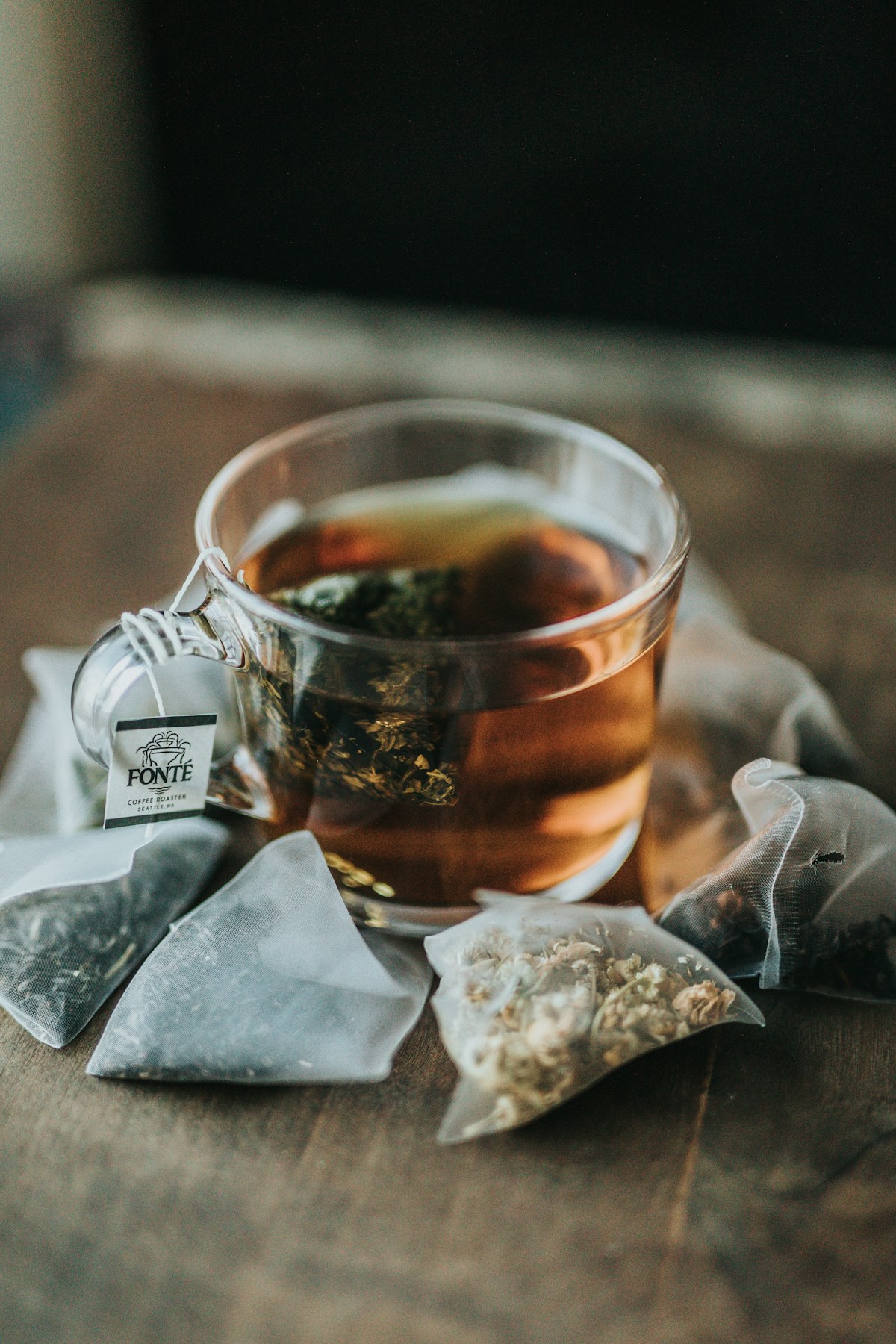
In Chinese medicine, flavor isn't decoration. Each of the five flavors has a direction it moves in and an organ it targets, and the whole system of food therapy is built on those assignments. Sweet tonifies and harmonizes. Sour astringes and holds. Pungent disperses and moves outward. Salty softens. And bitter — bitter drains, dries, and firms.
Those three verbs are the whole job description, and they answer the question of why the tradition kept bitter around when it could have followed our lead and sweetened everything. Bitterness clears heat. That's the cooling action: a bitter food pulls excess fire down and out, the way a bitter herb tea cuts the edge off a heavy, greasy meal. Bitterness dries dampness.
Where sweet, rich food leaves the system feeling waterlogged and sluggish — the state the texts call dampness — bitter acts like a drying wind, tightening and clearing. And bitterness firms, in the specific sense of the classical term jian, which describes the way certain bitter substances strengthen and consolidate rather than scatter.
The organ assignment is where it gets specific. Bitter enters the Heart, the organ the tradition associates with the fire element. A bitter substance calms an overactive, overheated Heart — the restless, agitated, can't-settle state that shows up as irritability, poor sleep, a flushed face, a mouth that tastes bitter on waking.
This is why the gentler bitters, things like chrysanthemum and lotus leaf, turn up in teas meant to "clear the heart and quiet the spirit," and why the stronger ones were reserved for genuine heat.
None of this is a claim you can file under a clinical trial. It's a framework — a way of reading the body that has held together for two millennia and that still informs how millions of people cook.
What's striking is that the modern biology, when it finally got around to looking at bitter, found the same shape of story: receptors, hormone signals, and effects on appetite and digestion that nobody predicted from the tongue alone.
- The five flavors each have a direction: sweet tonifies, sour astringes, pungent disperses, salty softens, bitter drains, dries, and firms.
- Bitter clears heat and dries dampness — the cooling, clearing action that cuts through heaviness.
- Bitter is assigned to the Heart and the fire element, calming an overheated, restless state.
"The pungent disperses, the sour astringes, the sweet relaxes, the bitter strengthens, the salty softens."
What the Five-Flavor Chapter Actually Says
The passage people reach for is short and easy to misread, so it's worth reading it straight. The Neijing lays out the flavors and their motions, then draws the line that matters for anyone eating a modern diet: bitter is the corrective to sweet.
The logic runs like this. Sweet is the flavor that nourishes, but it has a shadow. In excess, the texts say, sweet injures the Spleen and generates dampness — the heavy, congested, foggy state that shows up as bloating, sluggish digestion, a thick tongue coating, and a body that feels weighed down. This isn't a moral judgment about dessert.
It's a statement about what happens when one flavor crowds out the others, which is precisely the situation the modern food supply has engineered. We didn't stop eating sweet; we made sweet the default.
Bitter, in this frame, is the balance. It's the flavor that cuts the heaviness sweet leaves behind, that dries the dampness and clears the heat of too much rich food. The old dietary writers treated this as common sense: a meal that leans heavy and sweet wants a bitter edge — a bitter green, a bitter tea, a sliver of citrus peel — to keep it from sitting there like a stone.
You can still see the pattern in cuisines that kept their bitter foods. A fatty roast served with bitter chicory. A rich feast finished with bitter tea. The palate-cleansing course wasn't a luxury; it was the counterweight.
What's easy to miss is how ordinary this all is. The Neijing isn't prescribing rare herbs to adepts. It's describing a complete plate — all five flavors in some proportion, none of them running the table. Bitter doesn't need to dominate. It needs to be present, which is the one thing a modern diet tends not to arrange. "
- Sweet nourishes, but in excess it injures the Spleen and generates dampness — heaviness, bloating, fog.
- Bitter is the counterweight: it cuts the heaviness sweet leaves behind and dries the dampness.
- The old ideal is a complete plate with all five flavors present, not bitter dominating.
Your Gut Already Tastes Bitter, Whether You Like It or Not
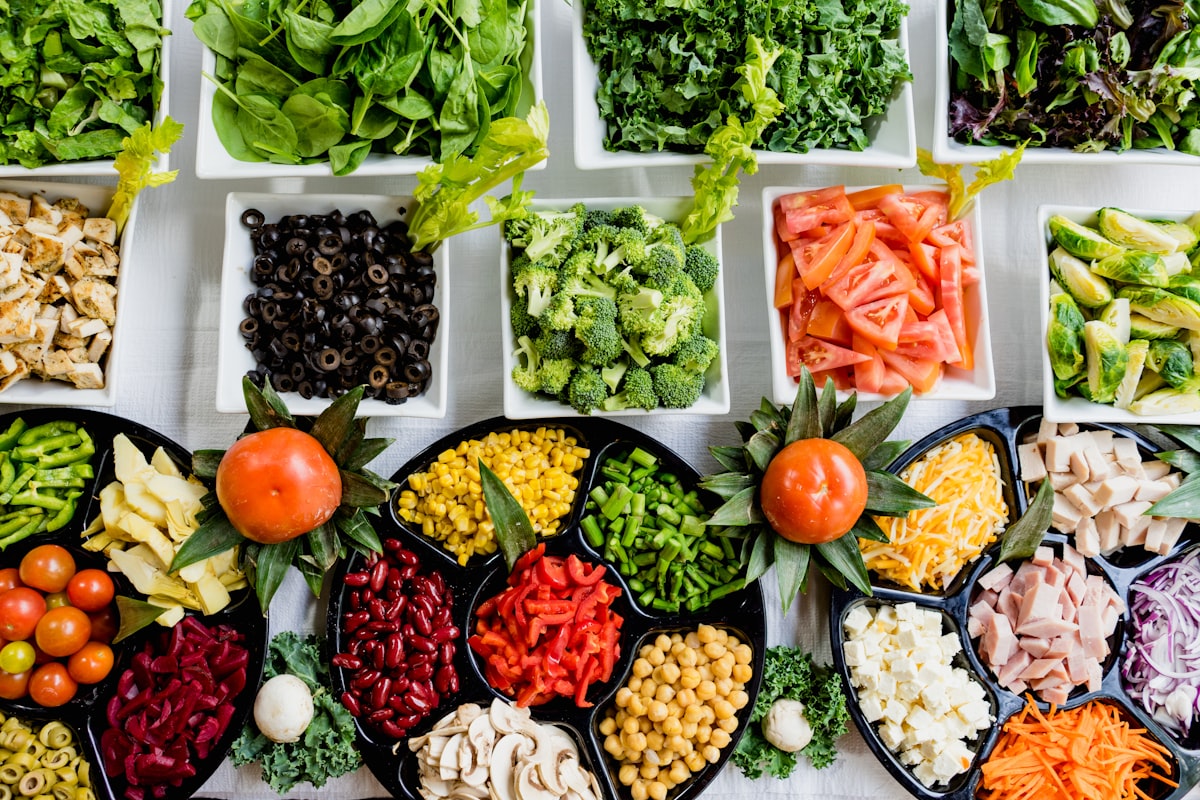
For most of the twentieth century, the scientific assumption was simple: taste happens on the tongue, and that's the end of it. Then researchers started finding taste receptors where nobody expected them — in the gut, the lungs, the pancreas — and the picture changed.
The receptors for bitter, a family of proteins called T2Rs, turned out to be threaded through the entire digestive tract, doing work that has nothing to do with whether you enjoy your salad.
The work came into focus in a 2011 study out of Leuven, published in PNAS. The team showed that the stomach and intestine carry bitter receptors, and that activating them in mice changed the release of ghrelin — the so-called hunger hormone — and altered how fast the stomach emptied. The effect ran in two directions: a brief rise in food intake, then a longer suppression, along with slowed gastric emptying.
In plain terms, bitter compounds in the gut spoke to the machinery of appetite and satiety in a way nobody had mapped before. It's a mouse study, so the translation to people is not automatic, but the finding reframed bitter from a warning signal on the tongue into a metabolic signal in the gut.
A decade later, a 2022 review in Nutrients pulled the thread into the diet that contains the most bitter compounds: the brassicas — broccoli, kale, cabbage, and their relatives. The review's title asks the question directly: is bitterness only a taste?
Its answer, built from the accumulated cell, animal, and human work, is that the bitter-derived compounds in these vegetables (the isothiocyanates) carry anti-inflammatory and chemoprotective effects, and that the bitter receptors in the gut may be part of how those effects get signaled.
The authors are careful to flag the catch: human responses vary enormously, in part because gut bacteria differ from person to person, which is why clinical trials of brassica keep coming back inconsistent.
Put the two together and you get a quiet but real convergence. The old texts treated bitter as a functional flavor that acts on the body's interior — clearing, drying, settling. The modern work finds bitter receptors doing functional things in that exact interior, regulating appetite hormones and marking the compounds we now suspect are protective. Neither side claims the other's vocabulary. They don't need to.
The bitter taste was never just a taste.
- Taste receptors for bitter (T2Rs) are found throughout the gut, not just on the tongue.
- A 2011 PNAS study showed bitter compounds in the gut altered ghrelin release and slowed gastric emptying in mice.
- A 2022 review tied brassica bitter compounds to anti-inflammatory effects, with big human variation from gut bacteria.
"Is bitterness only a taste? The gut itself carries the receptors, and the answer may run the whole length of the body."
Bitter Melon Is the Cautionary Tale
If any single food owns the modern "bitter for health" story, it's bitter melon, and its research record is exactly why this article keeps saying "honest limits." Bitter melon has been used as both food and medicine across Asia for diabetes, and the lab work is genuinely interesting — animal and cell studies show glucose-lowering activity. So people assumed the human trials would close the case. They didn't.
The clearest negative came in a 2014 meta-analysis published in Nutrition & Diabetes. Pooling four randomized trials, 208 people with type 2 diabetes total, the authors found bitter melon did not significantly lower A1c or fasting glucose compared with no treatment.
Read the confidence intervals and they span from a small benefit to a small harm — which is the honest picture: on that evidence, you cannot say it works. A 2012 Cochrane review reached the same conclusion in different words, finding insufficient evidence and flagging that no two trials even tested the same preparation.
The plant's many forms — fresh fruit, dried slices, extracts, juices — make the whole question slippery.
Then the tide turned, partly. A 2018 meta-analysis out of Mbarara, ten studies and over a thousand people, reported that bitter melon did modestly reduce fasting glucose, post-meal glucose, and A1c — while grading the underlying evidence low to very low quality. A 2024 GRADE-adherent meta-analysis found significant reductions too.
So the field is not settled; it's oscillating, and the direction of the oscillation tracks the quality of the trials more than the plant.
" It's that bitter melon is a food whose medicinal reputation outruns its evidence, and the honest thing is to treat it as a bitter vegetable that might help and might not, never as a substitute for medication. This matters beyond one gourd. It's the template for the whole bitter category: real biology, intriguing mechanisms, human results that don't yet line up. The old texts put bitter melon on the plate as food.
That's still the soundest place for it.
- A 2014 meta-analysis (208 people) found bitter melon did not significantly lower A1c or fasting glucose.
- A 2018 meta-analysis (over 1,000 people) reported modest benefit but graded the evidence low to very low quality.
- Bitter melon is a food with an outsized medicinal reputation — keep it on the plate, not in place of medication.
Coffee, Cocoa, and the Gentler End of Bitter
Bitter melon is the strong, polarizing end of the spectrum. Most of the bitter we actually encounter and enjoy lives at the gentler end — coffee, dark chocolate, cocoa, dandelion tea — and the evidence there is, by contrast, some of the most consistent in all of nutrition.
Coffee is the cleanest story. A 2016 systematic review and meta-analysis in Alimentary Pharmacology & Therapeutics pooled five cohort and four case-control studies — nearly two thousand cirrhosis cases among over 430,000 people — and found that each additional two cups of coffee a day was associated with a 44% lower risk of cirrhosis, with the effect holding for alcoholic cirrhosis and for death from cirrhosis.
It's observational, so it can't prove cause, and the authors stopped short of prescribing coffee. But a dose-response that consistent, across that many people, is about as good as epidemiology gets on a food.
Cocoa brings the randomized trials. A 2017 Cochrane review pooled 35 trials and found that flavanol-rich cocoa products produced a small but real blood-pressure reduction — roughly 2 mmHg systolic and diastolic — over two to eighteen weeks, with the effect concentrated in people whose pressure was already elevated. The review rated the evidence moderate quality and flagged the heterogeneity.
Two mmHg won't fix anyone's hypertension on its own, but it's a measurable effect from a food, which is rarer than the supplement aisle would have you believe.
Dandelion root is the humble one, with far less research weight behind it but a long folk pedigree as a bitter digestive. The point of grouping these three isn't to claim they're equivalent. It's that the bitter foods people already like are the ones with the least controversial evidence, while the bitter food with the loudest reputation — bitter melon — has the shakiest.
If you're going to bring bitter back, the path of least resistance runs through the foods you might already be drinking.
- A 2016 meta-analysis tied each two daily cups of coffee to a 44% lower cirrhosis risk across 430,000 people (observational).
- A 2017 Cochrane review found cocoa flavanols lower blood pressure by about 2 mmHg, concentrated in people with elevated pressure.
- The bitter foods people already enjoy — coffee, cocoa — carry the most consistent evidence; the loudest reputation has the shakiest data.
"Bitter enters the Heart, drains fire, and dries dampness. The gentler bitters calm where the stronger ones clear."
Bringing Bitter Back Without Suffering
The practical version is simple, and it doesn't require learning to enjoy wormwood. You reintroduce bitter the way you'd reintroduce anything the palate has forgotten: gradually, through food you can actually stand, in amounts too small to notice at first.
Start with the greens. Arugula, radicchio, endive, dandelion greens, mustard greens — these are the bitter vegetables that show up in any decent grocery, and a handful of arugula in a salad is bitter in a way almost nobody objects to.
The tradition's note is to serve them cooked or with something warm rather than raw and cold, which matches the old advice about protecting a weak digestion; practically, a quick sauté with garlic and olive oil softens the bite and keeps the greens edible for people who find them harsh raw.
Then the tea. A cup of roasted dandelion or a mild chrysanthemum tea after a heavy meal is the classical habit, and it's the lowest-effort entry point in the whole list. The bitterness is faint, the ritual is pleasant, and it replaces the second coffee or the after-dinner sugar. Roasted dandelion in particular tastes close enough to coffee that a lot of people make the switch without noticing what they've done.
Then the pantry staples with a bitter edge: cacao nibs over oatmeal, a square of genuinely dark chocolate — 80% or more — instead of milk chocolate, a strip of dried citrus peel in a braise or a cup of tea. These are the quiet ways to put a little bitter back on the plate daily without a single bite you have to brace for.
The one rule that matters more than any recipe: bitter is a garnish in this system, not a main course. The old texts never asked for a bitter feast. They asked for a plate with all five flavors in some proportion, and the modern plate is missing one. You don't need to love bitter melon to fix that.
You need to stop treating bitter as the thing that went wrong with your food, and start treating it as the thing that was supposed to be there.
- Start with bitter greens — arugula, radicchio, dandelion — ideally cooked or warm to soften the bite.
- A roasted dandelion or chrysanthemum tea after a heavy meal is the lowest-effort entry point.
- Cacao nibs, 80% dark chocolate, and dried citrus peel are the quiet daily ways to keep bitter present.
- Bitter is a garnish in this system, not a main course — the goal is five flavors present, not bitter dominant.
Where This Does and Doesn't Reach
The honest summary is short. The old texts treat bitter as a functional flavor — one that clears, dries, and settles — and the modern work finds bitter receptors doing functional things in the gut, with real if inconsistent evidence behind the bitter foods people already consume. That's a convergence worth noticing, and it's not a prescription for anything.
What it doesn't mean matters more. Bitter foods are not a treatment for diabetes, high blood pressure, or liver disease. The coffee and cocoa findings are associations and small effects, not cures, and bitter melon's record is genuinely mixed — a point worth repeating, because bitter melon is where people get hurt by overreach.
It can interact with diabetes medications and push blood sugar too low, and there are rare case reports of liver injury. Anyone taking glucose-lowering drugs, anyone pregnant, anyone with a liver condition should treat bitter melon and concentrated bitter extracts as something to run past a clinician, not a grocery freebie.
The daily, defensible version of all this is modest. Put a bitter green on the plate. Drink a bitter tea after a rich meal. Let a little darkness back into the sweet. You're not dosing yourself with medicine; you're restoring a flavor the old system always assumed would be there, and that the body — its tongue and its gut both — turns out to have been waiting for.
My grandmother would have said the bitterness is what makes it worth eating. Twenty years later, with the receptors mapped and the trials filed, I think she was right in a way neither of us had the words for.
- Bitter foods are not a treatment for diabetes, hypertension, or liver disease — the evidence is associations and small effects.
- Bitter melon and concentrated extracts can interact with diabetes drugs and lower blood sugar too far; pregnancy and liver conditions warrant a clinician's input.
- The daily version is modest: a bitter green, a bitter tea, a little darkness back in the sweet.
"The bitterness is what makes it worth eating — it clears the heat and settles the stomach. Without it, the plate is missing a flavor."