The Bone Problem Nobody Feels Until It Breaks
Bone loss is the quietest disease there is. It doesn't ache, doesn't swell, doesn't announce itself with a symptom you can point to. Most people find out they have it the hard way — a wrist that breaks on a low curb, a hip that goes in a routine fall. By the time it shows up, the thinning has usually been underway for years.
That's the whole problem in a sentence: you can't feel your bones getting lighter, so almost nobody trains them until it's too late.
Here's what actually slows the loss, and it isn't complicated. Bone is living tissue that remodels in response to load. Put stress through it — real mechanical stress, the kind gravity and weight produce — and the cells that build bone get the signal to lay down more of it. Take the load away and the opposite happens.
That's why astronauts lose bone in orbit and why bed rest melts it fast: the skeleton is a use-it-or-lose-it system. The catch is that not all exercise loads bone equally. Swimming and cycling, excellent as they are for the heart, do almost nothing for the skeleton because they're unweighted. What loads bone is impact — jumping, hopping — or resistance that pulls on the muscle attachments anchored to bone.
Walking helps some. Walking while carrying weight helps more.
A weighted vest is the tool that makes the weight part automatic. Strap a few pounds across your torso and every step you take loads your spine, hips, and legs a little harder than before. No dumbbells to grip, no kettlebell to manage, nothing to trip over. It converts a walk you were already going to take into a bone-building session.
That's the entire pitch, and the research — some of it running five years long — backs it up.
- Bone responds to load, not to just any movement. Swimming and cycling do little for bone; walking while carrying weight does much more.
- Start at 5 to 10 percent of body weight. The research uses modest loads, and the point is consistent stimulus over months, not a one-time max.
"The Kidneys govern the bones. When Kidney essence is abundant, the bones are solid and dense; when it wanes, they grow brittle."
How We Tested — and the Four Questions Every Vest Had to Answer

This wasn't a lab study. It was a few months of handing vests to real people — mostly 50 to 70, a couple with knee or lower-back histories, all of them trying to build bone and leg strength without taking up a gym habit — and watching what actually got worn.
We ran five vest styles through four questions and then checked who was still using theirs at the six-week mark, because six weeks is when the novelty dies and the truth about comfort and heat shows up.
The four questions, once more, because they're the framework. Does it load bone where it counts — does the weight sit over the spine and hips, or does it sag into the lower back? Does it stay put — does it bounce and chafe when you walk, or hold like a second skin? Can it progress — can you add weight as you get stronger, or is it a fixed paperweight?
And does it breathe — will you still wear it in August, or is it a winter-only gimmick? A vest that flunks any one of those becomes a closet hanger.
Three styles passed. An adjustable iron-rod vest for general walking, a slim breathable mesh vest for hot weather and smaller frames, and a heavier plate-carrier-style vest for the people who graduate to loaded squats and steps.
Two styles flunked: the gimmicky 'sweat vest' with a neoprene shell that promises to torch fat through heat — it doesn't, and it makes the whole thing miserable enough to quit — and the fixed-weight vest with no way to add or remove pounds, which fails on progression the moment your body adapts.
The sweat vest deserves a moment of its own because it's the most aggressively marketed and the least useful: trapping heat makes you sweat more, and the scale drops for a day from water, but it loads bone no better than a cotton shirt and feels like wearing a trash bag. Skip it.
- Run any vest through the four questions: does it load bone where it counts, does it stay put, can it progress, does it breathe? Flunk one and it's a no.
- The 'sweat vest' category is marketing, not bone-building. Trapping heat makes you sweat, not stronger, and it's the fastest way to quit in a week.
"The wise physician treats by degrees, building the root slowly so the branches may follow. What is forced grows weak; what is nourished grows strong."
The Five-Year Study That Changed My Mind
The paper that matters most here is also the oldest on the list, and I keep coming back to it. In 2000, researchers followed a small group of postmenopausal women — eighteen of them, mean age 64 — for five years. Nine wore weighted vests and did a brief jumping routine three times a week. Nine did their usual thing. 8 percent at the total hip.
Read that again. Same five years. One group stayed level, the other slid. And the vest group did it with three short sessions a week, no gym, no special skills, just a vest and some gentle hops. That's the difference between a hip that holds up in a fall and one that doesn't.
A 1998 study found something equally useful for a different reason: after nine months of weighted-vest exercise, older women showed big gains in lower-body strength (up to a third stronger), muscular power, and — this is the fall-prevention part — lateral stability, the side-to-side steadiness that predicts whether you catch yourself when you trip.
5 percent and improved ankle strength, suggesting the bone cells themselves were getting the 'build, don't break' signal.
The honest framing: these are small trials, and bone is slow. You won't see a DEXA scan move in six weeks. What the evidence supports is prevention — holding onto the bone you have, keeping the legs strong, and staying stable on your feet — rather than dramatic reversal. For most people over fifty, that's the whole game. Holding steady while everyone else slides is a win.
- The five-year study is the one to remember: vest-wearers held hip bone density steady while controls lost 4 percent. Small study, but the direction is consistent across the literature.
- Expect prevention, not reversal. Bone changes slowly, and the realistic goal is to stop the slide and keep the legs strong and stable.
"The bones are the pillar of the body. What bears weight grows dense; what is never asked to work grows hollow."
Where the Weight Should Sit — and Where It Shouldn't
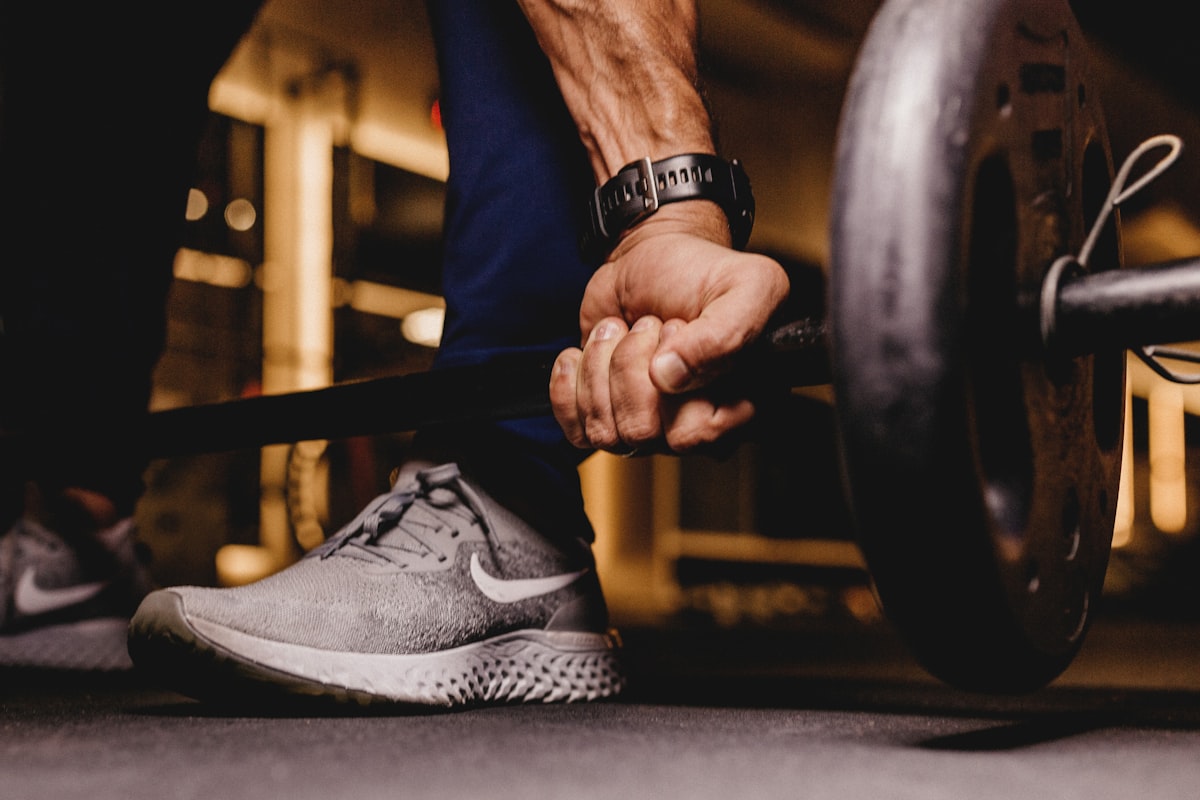
Not all vests are created equal, and the difference is mostly about where the weight lands. The spine and hips are the bones you're trying to load, so the weight needs to sit close to the torso, spread across the chest and upper back, high and snug. That keeps the load on the skeleton and off the soft tissue.
A badly designed vest does the opposite: it sags. The weight drifts to the bottom of the vest, hangs off the lower back, and pulls on the lumbar spine in exactly the way that causes soreness and makes people abandon the whole idea. You've probably seen it — the vest that rides up with every step, or droops at the front so the shoulder straps dig.
That's a lower-back strain waiting to happen, and it's the single most common reason a vest gets returned.
What to look for: weights that distribute evenly across the front and back panels, a chest strap and a waist strap that cinch the vest flat against you so it can't bounce, and individual weight pockets or rods you can add or remove a few pounds at a time. A vest that fits properly should feel like a heavy hug, not a backpack. If it swings when you walk or sags when you stand, put it back.
The whole point is to load the bones evenly, and a sagging vest loads one vertebra and a whole lot of attitude instead.
One more thing worth saying: fit matters more than total weight. A 12-pound vest that sits flat and snug will do more for your bones than a 20-pound vest that flops around, because the load is actually going through your spine instead of bouncing on your shoulders. Buy the vest that fits your torso, not the one with the biggest number on the box.
- The weight should sit high and snug across the chest and upper back, not sag into the lower back. A drooping vest strains the lumbar spine and gets abandoned.
- Fit beats weight. A 12-pound vest that sits flat loads bone better than a 20-pound vest that flops around on your shoulders.
"The Du Mai runs the length of the spine. Hold it straight and the hundred bones hang in balance; load it unevenly and pain follows."
The Heat Problem, and the Vest That Solves It
Here's the thing the marketing photos never show: a weighted vest is an extra layer strapped to your torso, and in warm weather it turns a pleasant walk into a slow roast. People quit weighted-vest programs for one reason more than any other, and it isn't soreness — it's heat. The neoprene 'sweat vests' make this worse on purpose, which is a good way to sell a gimmick and a terrible way to build a habit.
If you live somewhere hot, or you run warm, or you exercise in the afternoon, buy breathable. A mesh vest with ventilated panels lets air move across your chest and back, and a slim profile keeps the weight close without wrapping you in insulation. Yes, you lose the ability to load up 40 pounds. That's fine.
The research dose for bone is modest — 5 to 10 percent of body weight, sometimes up to 15 — and you can hit that with a 10- or 12-pound breathable vest. Consistency beats maximal load every single time in this domain, and a vest you'll actually wear in August beats a heavier vest you'll leave on the hook until October.
There's a TCM-shaped way to say this, too. Classical thinking treats excessive heat as a sign of imbalance — stagnation, agitation, the body fighting its own environment. A vest that cooks you while you move is, in that frame, working against the very calm, sustainable, root-building practice you're after. You want the exercise to feel like nourishment, not punishment.
Buy the vest that keeps you cool enough to come back tomorrow.
- Heat is the number-one reason people quit weighted-vest walking. If you live somewhere warm, buy breathable mesh and accept a lower weight ceiling.
- The research dose is modest — 5 to 15 percent of body weight — and a breathable 10-to-12-pound vest hits it fine. Consistency beats maximal load.
"Excessive heat agitates the Heart and scatters the Shen. The practice that nourishes is cool and sustainable, not punishing."
From Walking to Squatting: A Progression That Actually Sticks
The people who keep using a weighted vest are the ones who treat it as a slow progression, not a sprint. Here's the shape of it, and it takes months, which is the point.
Phase one — weeks one through four: wear the vest on your normal daily walk, starting at 5 percent of body weight. That's usually 6 to 10 pounds. Nothing else changes. You walk the same route at the same pace, just heavier. Your bones and legs barely notice the difference, and that's exactly what you want at first.
Phase two — weeks five through eight: bump the weight by a pound or two, and add a gentle stair or hill a couple of times a week. The incline plus the load is where the hips and glutes start to genuinely work. If your knees complain, back off the incline and keep the flat route — the vest still loads the spine and hips without the knee paying extra.
Phase three — month three and beyond: add bodyweight movements while wearing the vest. Squats to a chair, step-ups onto a low stair, heel raises, maybe a few gentle hops if your joints are happy. This is where the bone-building stimulus really concentrates, because loaded squats and small impacts are exactly the forces the skeleton responds to. Start with three sets of a handful of reps.
You are not training for a ruck march; you are giving your bones a reason to hold on.
At every phase, the rule is the same: the vest should feel like an assistant, not an adversary. If you're dreading it, you've added too much weight or too much heat. Dial back. The five-year study that matters didn't use heroic loads — it used consistency, three times a week, for years.
- Phase it: flat walking first, then add hills or stairs, then add loaded squats and step-ups. The bone-building stimulus concentrates in the loaded, impact-bearing movements.
- If you dread the vest, you've added too much weight or too much heat. Dial back. Consistency over years, not intensity for a week, is what the evidence rewards.
"The Spleen governs the flesh and the Kidneys the bone. Feed them gradually, a little more each day, and they grow dense together."
The Two Vests to Skip (and What to Do Instead)
Two categories flunked the four questions, and they're worth naming so you keep your money.
First, the sweat vest. It's the neoprene or rubberized shell that promises to 'amplify' your workout by trapping body heat, with the implication that more sweat equals more fat burned. It doesn't. Sweat is water, not fat, and the scale drop you see the next morning comes back the moment you drink a glass of water.
Worse, the heat makes exercise genuinely miserable, which is the fastest way to quit a habit you're trying to build. The vest loads bone no better than a cotton shirt, and it feels like a sauna you can't escape. Skip it entirely.
Second, the fixed-weight vest with no way to adjust. Maybe it's a stylish 10-pounder that can't add or remove weight, or a 30-pound monster you'll never grow into. Either way, it fails on progression, the most fundamental requirement of strength and bone training. The moment your body adapts to a fixed load — and it will, fast — the vest stops providing a stimulus and becomes a heavy decoration.
An adjustable vest costs a little more and serves for years.
The pattern is the same one we found testing home strength tools: anything that adds friction, removes progression, or solves a problem you don't have is a closet donation waiting to happen. Keep the four questions in front of you — does it load bone, does it stay put, can it progress, does it breathe — and most of the weighted-vest aisle quietly disqualifies itself.
- The sweat vest is marketing: sweat is water, not fat, and the heat is the fastest way to quit. It loads bone no better than a cotton shirt.
- A fixed-weight vest is a paperweight the moment you adapt. Adjustable is the strictly better purchase for anything you plan to use past the first month.
"The hundred diseases arise from stagnation, and the simplest cure is movement. What sits unused pools and decays; what circulates stays fresh."
A Fifteen-Minute Routine That Fits Around a Walk
All of this fits into a walk you were probably going to take anyway, plus a few minutes. That's the whole appeal of the vest: it doesn't add a workout, it upgrades one you already have.
Here's the shape. Three minutes of normal walking to warm up. Then twenty to thirty minutes walking with the vest on, at a pace where you could still hold a conversation. If you've got stairs or a hill nearby, take them once or twice. Finish with three sets of chair squats and ten heel raises — still wearing the vest — and you've loaded your spine, hips, and legs in a way that asks the skeleton to respond.
Fifteen extra minutes of effort, three or four times a week, and no commute to a gym.
Do it in the morning light if you can, for the same reason the Chinese parks fill at dawn: the body is most ready to move without strain early in the day, and a habit anchored to morning coffee or breakfast survives a Tuesday.
Log the weight and the route, because the trend over months is the entire game — you can't feel your bones respond week to week, but you can watch the vest get heavier and the stairs get easier.
The people who keep their bones into their eighties and nineties aren't the ones who trained hardest at forty. They're the ones who kept a modest load on the skeleton, a few times a week, for decades. A weighted vest is the cheapest, most boring way to be one of them — and boring, in this case, is exactly what works.
- Anchor it to an existing walk: warm up, walk loaded for twenty to thirty minutes, add a stair or a hill, finish with chair squats and heel raises while still wearing the vest.
- Log the weight and the route. Bone changes too slowly to feel week to week, but the trend over months tells you everything the DEXA scan will confirm later.
"The running water never stagnates, and the door hinge never rusts, because they are in constant motion. The same is true of the bones."