The Cheapest Gym Is Outside — Mostly
Rucking has a way of sounding too simple to need equipment. Put weight in a bag, walk out the door.
The core claim is true: a loaded walk asks nothing a sidewalk cannot answer, and the evidence base — covered honestly in the companion health article on this site — rests on weighted-vest trials that moved bone and balance in older women with a few pounds and some jumps, plus a twelve-year cohort associating plain walking with sharply lower hip fracture risk.
The gear industry then arrives with plates shaped like passports and fabrics with trademarked names, and the fair question is what, if anything, actually earns its place.
This review's answer comes from a season of walking with loads from ten to forty pounds, on pavement, track, and hills, and from the research behind each category rather than from spec sheets. Three findings shaped every pick. First, load placement beats load brand: the biomechanics literature on backpacks keeps concluding that weight carried high and close to the spine is cheaper to carry, whatever logo sits on it.
Second, downhills are where loaded walks collect their debts — a finding from the pole studies that surprised us the first time we read it. Third, and least glamorous: blisters decide adherence. The most common way a loaded-walk habit ends is not plateau or boredom. It is week one, a hot spot, and a pack that goes back in the closet.
So the three tools below are chosen as a system rather than a shopping list — one item carries the weight, one item manages the downhill bill, and one item manages the friction that ends everything else. Prices are ranges because these categories are commodities; the fit notes matter more than the model numbers.
Each entry ends with who should skip it, because a review that cannot say 'not you' is just a catalog with opinions.
One boundary up front: nothing here is medical equipment. Readers with joint replacements, spinal complaints, or osteoporosis should treat the load itself as the decision to clear with a clinician — the gear only decides how comfortably a cleared decision gets executed.
- Buy in the order your body complains: pack fit first, then socks, then poles. Most walkers need two of the three, not all.
- Total starter cost under $100 is realistic: an existing daypack, two pairs of decent socks, no plate. Upgrade only after a month of habit.
"The gear does not make the walk work. It removes the three specific reasons loaded walks fail."
The Pack: Weight You Forget You Are Wearing
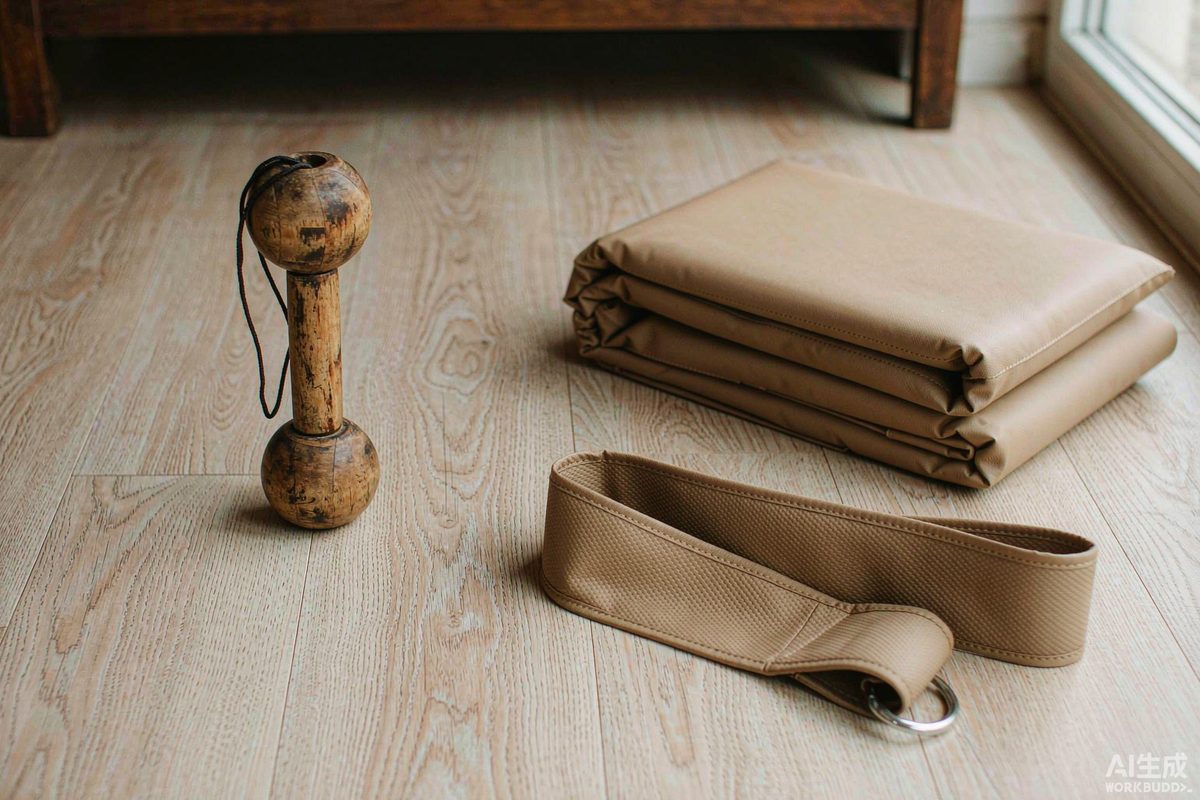
The pack is the whole intervention, which is why it goes first. A purpose-built rucking bag differs from a school daypack in exactly two ways that matter: a pocket that holds a shaped plate flat against the spine, and construction that survives the weight grinding against fabric for years.
The 2022 review of backpack ergonomics in the International Journal of Environmental Research and Public Health walks through why the placement matters — loaded packs shift the body's center of mass backward, and the compensations (forward lean, altered gait, neck and shoulder load) scale with how far the weight rides from the trunk.
A plate pocket is a commercial answer to a biomechanics finding: hold the mass high, flat, and close, and the walk costs less to walk.
Our testing notes, kept honest across four packs: the fit points that separated a keep from a return were shoulder-strap curvature over the collarbone, a sternum strap that sits low enough not to press the throat, and a back panel with enough structure that the plate cannot bow away from the spine mid-stride. None of these show up in product photography. All of them show up at mile two.
Hip belts, optional at twenty pounds, become non-negotiable near forty — the shoulders should never be the only address the weight lives at.
The plate itself is the least important purchase in the category. Steel plates are thin, dense, and priced like precision instruments; rubber-coated ones are quieter on hard floors; and bricks wrapped in a towel produce, as far as any skeleton can measure, the same stimulus. What you are paying for in branded plates is dimensional consistency with the pocket — a real convenience and a poor necessity.
Start with what you have. The pack earns its purchase once the habit has survived a month and you know which weight you actually live at.
Worth saying plainly, because the marketing will not: heavier is not the point. The vest trials that anchor the bone argument used loads most people would call modest, progressed slowly, over years. The pack's job is to make your chosen weight boring, not to make the number grow.
- Load high and tight: top of the plate level with your mid-back, straps snug enough that the pack does not sway. Sway is the enemy; it converts weight into percussion.
- Test pack fit with real weight on a hill, not empty in a store. Every flaw in strap geometry announces itself on the first climb.
"A plate pocket is biomechanics turned into a sleeve. The research asked for weight close to the spine; the industry sewed the finding shut."
The Plate Question, Settled Cheaply
Before leaving the pack category, the plate deserves its own paragraph, because it is where beginners overspend. The shaped-plate market exists for three honest reasons: dimensional fit, safe edges, and repeatable weight labeling. None of those reasons improves the physiological stimulus.
Bone and muscle register force, not branding, and the force at the end of a twenty-pound brick and a twenty-pound plate is the same twenty pounds. Our actual progression ran: rice bags in a daypack (three weeks), wrapped bricks (a month), a rubber plate bought on sale (still in use).
Nothing about the first seven weeks would have improved with the plate arriving earlier — and the rice period caught a sock problem cheaply, which is the real argument for starting ugly.
What does matter about any weight, shaped or improvised, is the failure mode. Loose contents shift; shifting weight must be corrected mid-stride, and that correction is where stumbles live. Whatever goes in the pack should be immobilized — rolled towels as chocks, a compression strap across the main compartment, zippers closed fully.
Sandbags contour beautifully and shed fine dust through cheap fabric; water bladders add weight that moves as it sloshes, which reads as less stable than it is. Bricks are the workhorse: flat, cheap, immortal, and cold enough in January to feel honest.
A note on where the ceiling should sit, since plate listings happily offer fifty-pounders. The military literature that gives rucking its vocabulary doubles civilian doses and pays for it in stress fractures and shoulder neuropathy — that data is the edge of the map, not the route.
For the bone-and-balance goals a health walker actually has, the vest trials' dose logic applies: modest load, slow progression, years of patience. A plate you cannot lift overhead without drama is a plate you will not be walking with in March.
- Immobilize the load before worrying about its shape. A shifting brick teaches your ankles things you did not ask them to learn.
- Label improvised weights with tape and a number. Progression without a written number is folklore.
"The skeleton keeps books in pounds, not brands. The plate market disagrees, which is why it is a market."
Poles: Insurance for the Downhill
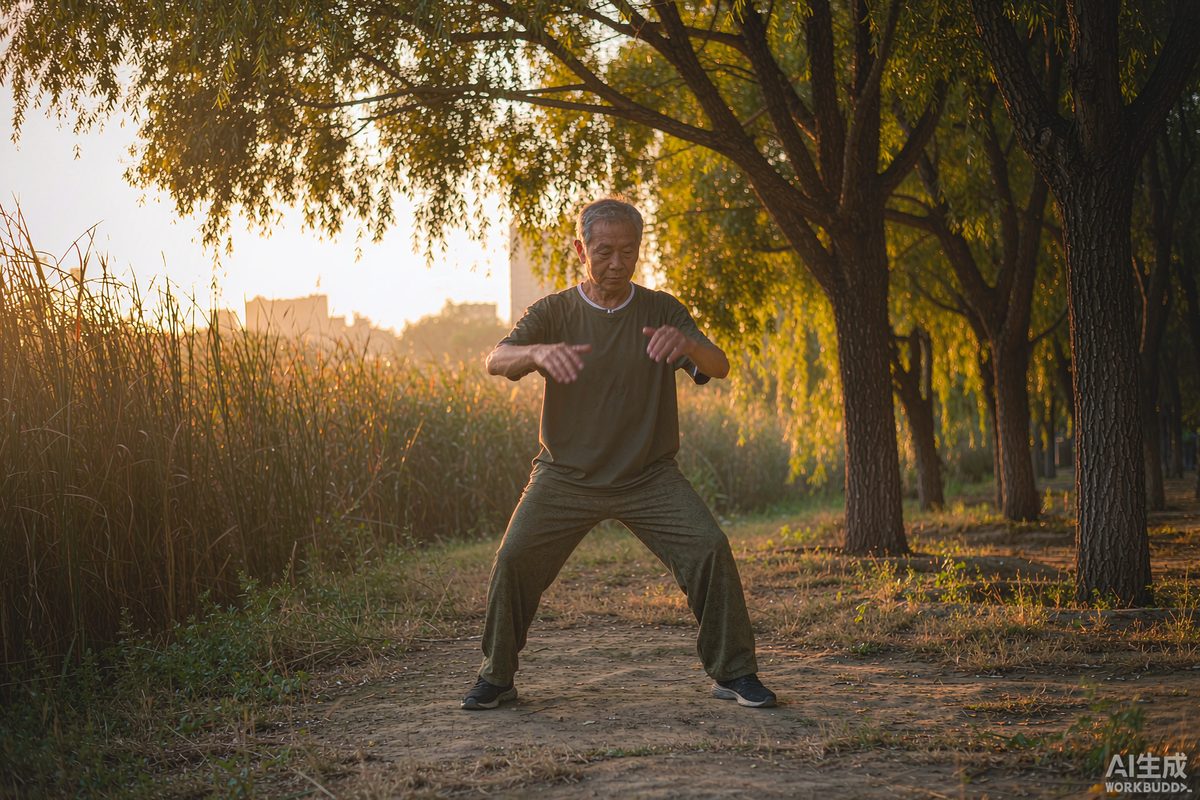
Trekking poles entered this review as a courtesy item and earned a full section on a hill. The study behind that promotion, published in Medicine and Science in Sports and Exercise, put loaded hikers down a grade with and without poles and measured what their legs absorbed: the poles took real braking load off the lower limbs during descent, the exact phase where a pack turns each step into a controlled fall.
Walkers who have done a long downhill with a twenty-pound plate already know this in their quadriceps two days later. The poles convert some of that braking bill into arm work — cheaper joints, pricier grip, a trade most knees past fifty would sign immediately.
The tradition would have approved of the mechanism if not the marketing. The Suwen's five-overexertions chapter names prolonged walking among the things that injure the sinews — sinews being the system, governed in that framework by the Liver, that the modern list calls tendons, ligaments, and fascia.
Poles are, read plainly, a way to keep walking mileage inside the measure the classics kept warning about: they let the arms share what the sinews would otherwise spend alone. The Zhen Jiu Da Cheng reaches for Kunlun, at the ankle's outer edge, when the heel and ankle have absorbed a march's worth of load; the pole reaches for the same problem from outside.
Buying guidance stays short because the category is mature. Adjustable aluminum with external lever locks, cork grips, and carbide tips covers every use a health walker has; carbon and folding designs belong to fastpackers and people who carry their gear onto planes.
Set pole length so the elbow sits near ninety degrees on flat ground, shorten by a notch for climbing, lengthen for descents — and actually make those adjustments, because poles set once and never touched are poles used at the wrong length forever. On flat pavement, skip them entirely; the honest verdict for city rucking is that poles are luggage, and luggage with tips is a hazard in a crowd.
- Adjust length with the terrain: shorter uphill, taller downhill. The twenty seconds of fiddling is the entire skill.
- On descents, plant slightly ahead and let the arms brake. If your shoulders are doing the work, the setup is right; if your knees still are, lengthen.
"Downhill is where the pack sends its bill. Poles are how the arms pay their share of it."
Socks: The Item That Ends Habits
No category in this review is less photogenic or more decisive. The systematic review of blister prevention in Wilderness and Environmental Medicine organizes the whole problem cleanly: friction blisters need shear, moisture, and repetition, and every effective intervention attacks one of those three.
A fitted merino-blend hiking sock attacks two — it manages moisture that cotton holds against the skin, and its cushioning spreads the shear that a thin sock concentrates. The review's quieter findings matter too: reducing friction at the skin-sock interface, keeping feet dry, and taping known hot spots all appear in the evidence, while most miracle products do not.
Our field notes on the category are short and firm. Cotton is disqualifying — it holds sweat, collapses into folds, and is the direct cause of the week-one failure in this article's opening story. Fit outranks brand by a wide margin: a sock that is too long folds under the arch, and a fold is a pre-scheduled blister.
The heel should cup without slack, the toe seam should sit flat, and cushioning belongs under the heel and forefoot rather than everywhere. Buy at least two pairs so the rotation is real; merino survives wash cycles better than its reputation suggests, but it does not survive dryers, and it does not survive being worn two days running.
The prevention literature adds one habit worth stealing outright: deal with hot spots at the first warning, not at the walk's end. A thirty-second pause to tape a warming heel — standard athletic tape works; the review found taping a genuinely supported strategy — converts a potential three-day wound into a nonevent.
Walkers who adopt the pause habit rarely need the second pair of anything; walkers who push through it end up owning excellent socks they associate with pain.
In the system this review proposes, socks are the cheapest item and the one with the highest failure-prevention rate. That inversion is the point. The pack carries the weight; the socks decide whether the carrying continues.
- The hot-spot pause is a skill, not a product: first tingle, stop, tape, resume. Thirty seconds now or three days of limping later.
- Retire socks when the heel lining pills or thins. A rough patch under a loaded foot is a friction generator with seniority.
"Nobody quits rucking because the plate was heavy. They quit because week one cost them a heel."
What the Backpack Research Says About Your Posture
One more finding from the ergonomics literature belongs outside the pack section, because it changes how you walk rather than what you buy.
The 2022 review summarizes a consistent pattern across load-carriage studies: as pack weight rises, walkers lean forward, shorten their stride, and increase the work of the neck and shoulder stabilizers — and the magnitude of all of it depends on how the load sits and how the straps distribute it.
Single-strap bags fare measurably worse than two-strap designs; loads that ride low or swing produce larger gait disturbances than loads held high and fixed. The body under load is not passive cargo. It renegotiates every step, and gear determines how expensive the renegotiation is.
The practical translation costs nothing. Keep the load high. Tighten the sternum strap until the shoulder blades stop doing silent overtime. Shorten your stride slightly on purpose rather than letting the weight shorten it by accident, and let the pack's weight sit through the hips whenever a belt exists to route it there.
Walkers who adopt these four habits report the same thing our testers did: past twenty pounds, technique matters as much as another fifty dollars of gear ever will.
The classical frame for this is the Suwen's running theme that form and qi support each other — posture held by structure costs the body less than posture held by effort, and anything held by effort eventually gets dropped. A load that lets the skeleton stack is a load you keep; a load that muscles must wrestle is a load you retire by autumn. The tradition never wrote about backpacks.
It wrote constantly about the difference between working with the body's grain and against it, and strap tension turns out to be a modern dialect of that argument.
There is also an honest caution here. The same literature notes that heavy or poorly fitted loads correlate with complaints in the neck, shoulders, and low back — the military experience again at civilian scale. If a walk leaves a specific joint complaining two days running, the pack's fit is the first suspect, the load the second, and your body's readiness a close third.
The order of investigation matters; most people check their resolve first, which is the one place the fault almost never is.
- Two straps always. The one-shoulder carry is fashionable, asymmetric, and the fastest route a load has to your low back.
- Post-walk soreness that lands in one spot two days running is a fit complaint, not a fitness complaint. Fix the strap before questioning the legs.
"The body renegotiates every step under load. Good gear lowers the price of the negotiation; good posture ends it early."
The Verdict, and Who Should Walk Away
The buy order, distilled from a season of walking and the studies above: socks first, always — they are the cheapest item with the highest habit-preservation rate, and the blister data says they are not an afterthought. The pack second, once a month of habit tells you which weight you actually live at, chosen by fit and plate placement rather than branding.
Poles third, and only if your routes have descents worth insuring. Total system cost lands between sixty and two hundred dollars depending on how much of it you already own, and the low end of that range produces, physiologically, most of what the high end does.
Who should skip the category entirely: walkers whose only routes are flat pavement (poles are luggage), anyone whose current daypack already fits well with a sternum strap (buy socks and stop there), and readers who wanted rucking to be complicated — the simplicity is the feature, and adding gear to it mostly adds cost to the same walk.
Who should scale it down rather than out: anyone with symptomatic arthritis, a stress-fracture history, or significant bone loss, for whom the load itself is the medical question — the gear review can dress that decision, but a clinician makes it.
And anyone over seventy should weigh the balance consideration from the companion health article: a pack that turns a stumble into a fall undoes everything the walking earned.
Compared with the weighted-vest review earlier on this site: vests hold the load against the torso for structured sessions and jumps; packs carry it while the world goes by. For bone goals pursued through structured training, the vest data remains the direct evidence.
For the walker whose real problem is that walking is the habit they can actually keep, the pack wins on adherence — and a twelve-year cohort of sixty-one thousand women suggests adherence is where the fracture protection lives.
The classics get the last word because they closed this loop first: rise early, walk broadly, keep every load in measure. The gear below exists to hold the measure longer — nothing more, and nothing that a bag of rice and a good sock cannot begin.
- Start: two pairs of merino socks, the pack you own, ten pounds. Upgrade decisions made after month one are informed; all others are just shopping.
- The vest-versus-pack choice is a goal choice: sessions and jumps point to the vest, the habit you will actually keep points to the pack.
"Buy the socks, keep the walk, add weight slowly. The rest of this review was the long way of saying that."