Why the Bag Beats the Bottle
Stress-relief products are a dishonest aisle. Candles, journals, breathing apps, weighted blankets — some of it is lovely, none of it does what a stressed body actually needs on a bad Tuesday, which is twenty minutes of hard physical work followed by a shower.
The gap between what the wellness industry sells for stress and what exercise physiology demonstrates for stress is wide enough to drive a delivery van through, and boxing gear is one of the few aisles of equipment that sits firmly on the right side of it.
The claim is not exotic. Vigorous regular exercise lowers resting cortisol and improves sleep on pooled meta-analytic evidence, and the people who manage their stress with a bag are simply running that protocol while pretending it is fun. What boxing adds is adherence, the property every other exercise recommendation quietly assumes and never provides.
Reviews of boxing-style classes and home programs keep finding participants who describe the session as the part of the day they refuse to cancel — because the work has a rhythm, a contained target, and a characteristic after-effect that people describe as having put something down.
Measured energy cost backs the enthusiasm up. When researchers compared a simulated heavy-bag workout against gaming-console boxing in young adults, the real bag produced several times the energy expenditure of the screen version — and earlier lab work had already placed a genuine noncontact boxing session alongside moderate-pace treadmill running. A bag workout, in other words, is a real workout.
It only looks like an outlet.
This guide covers the three pieces of equipment that separate a durable practice from a bruised week, in the order you should buy them. It also covers what gear cannot do: no bag fixes a life, and the injury data from competitive boxing — reviewed below — is worth reading precisely so you never cross the line this page is drawn around.
- Vigorous exercise lowers stress physiology on meta-analytic evidence; the bag is a delivery method people actually keep using.
- A real bag session measures near moderate-pace running in energy cost — screen boxing is not comparable.
- Buy in this order: wraps, gloves, then the bag. Most people invert it and regret the gloves.
"The bag never asks how my day was. That is the whole product."
The Three-Piece Kit, and Nothing More
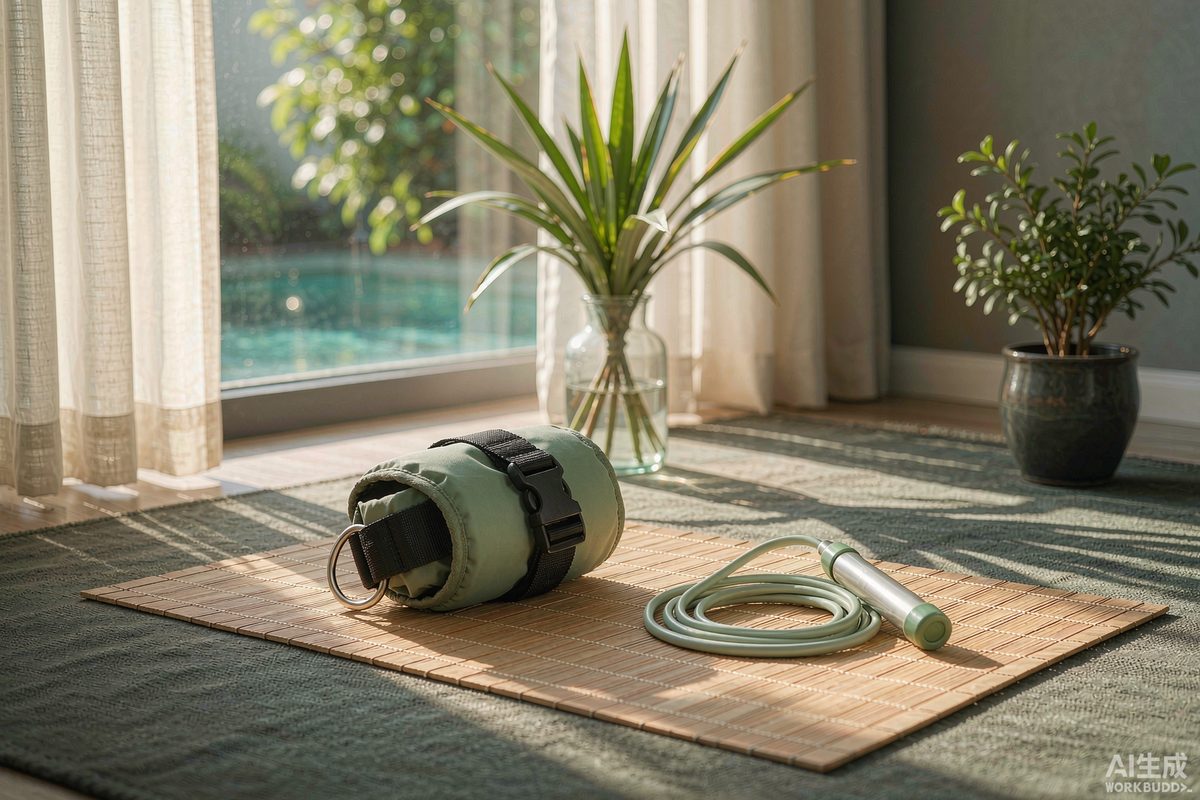
Home boxing has a beautiful property among hobbies: the complete kit costs less than a month of most fitness subscriptions, and a working version costs less than a nice dinner. Three items. Everything else sold in the boxing section of sporting-goods stores is, for the home user, decoration.
The bag is the anchor purchase. Your realistic options are a free-standing bag with a fillable base, or a heavy bag hung from a beam, stand, or wall bracket. For renters, apartment dwellers, and anyone unwilling to drive lag bolts into structural timber, the free-standing bag wins by default, and the 2020s versions are good enough that the compromise no longer stings.
Its limits are real — it moves more on impact, sways rather than swinging, and the foam column is softer than a filled leather heavy bag — but for stress rounds at amateur pace, those limits are close to irrelevant.
Gloves and wraps are the pair that protect the one body part this activity can genuinely damage: the hand. Small bones, long lever, repeated impact against resistance — the physics are unkind to beginners who skip protection, and wrist strain is the most common self-inflicted complaint in new bag owners.
The injury literature from amateur boxing, which we examine later, makes the same point from the competition side; the home translation is simpler. Wrap every session. Glove every session. No exceptions for a quick round.
Everything else — focus mitts (they need a partner), speed bags (they need platforms and months of patience), specialty shoes (they matter in a ring, not on a living-room mat) — can wait indefinitely. If a product page implies you need a four-figure rig to start hitting things, close the tab.
- Complete working kit: bag, gloves, wraps. Under $200 new, under $120 carefully used or budget-built.
- Free-standing bags suit renters and apartments; hung heavy bags suit owners with beams and patience.
- Speed bags and mitts need partners, platforms, or both — skip them until months in, if ever.
Free-Standing Bag: The Anchor Purchase
This is the decision that determines whether the habit happens, so it gets the longest section.
The modern free-standing bag is a foam cylinder on a plastic base that you fill with water or sand — the filled base, not the bag, provides stability. Fill weight is the first spec to check and the one listings most reliably fudge. A base that holds around 250 pounds of sand will stand still through honest rounds; bases that fill lighter will walk, rock, or tip when you plant a proper cross.
Second spec: the column height. Taller columns (roughly five to six feet) let taller users throw body shots and practice at a natural target height; shorter units force tall people into an apologetic crouch that ruins hip rotation, which is the entire engine of the punch.
Noise is the property everyone under-researches and everyone downstairs cares about. A free-standing bag thumps at impact, and the thump travels through floor structure.
Three mitigations, in order of effectiveness: stand the base on a dense rubber mat (an equipment mat, not a yoga mat), fill with sand rather than water (denser fill means less resonance), and punch with technique rather than anger — a crisp straight punch with a rotated hip is quieter and harder than a full-shoulder shove.
The classical framing, for those who want it: the general discharges momentum; he does not wage war on his own household.
Maintenance is minimal but not zero. Seams on fillable bases eventually weep — sand-filled bases that leak are a vacuum-day, water-filled ones just drip, another argument for sand. Foam columns compress at your favorite impact zone over years; rotating the column occasionally spreads the wear. And one honest warning from the reviews circle: the bag will spend some weeks as furniture. That is not a product failure.
A bag that waits patiently for the next bad week is doing its job.
Placement inside the room is the decision most buyers make backwards. People put the bag where the bag looks good, usually a corner facing a wall, and then spend months punching into a space that offers no footwork room and no light.
A better arrangement puts the bag three feet from any wall, angled so your working stance can circle it a few steps in either direction, with enough ceiling clearance to skip rope if the session calls for it.
Distance from shared walls matters as much as distance from your own furniture — a base that never touches drywall transmits almost nothing, while a base nudged against a wall turns the whole partition into a drum. If the room is small, angle the bag diagonally across the corner rather than square into it, and let the circle shrink to steps instead of strides.
The workout survives small rooms far better than it survives bad placement.
One more attribute worth paying for, noticed only by people who owned its absence: the target markings. Some free-standing columns print scoring zones on the foam. It sounds like a toy detail until you spend a month aiming at a blank cylinder and then switch to one with zones, at which point accuracy work stops requiring a coach's eye. Not essential. Pleasantly useful.
- Filled base weight is the spec that matters — aim high, prefer sand over water, and the bag stays put.
- Rubber mat underneath, sand in the base, clean technique: the three-part answer to neighbor complaints.
- A bag that waits quietly through your unmotivated weeks is functioning correctly.
Gloves and Wraps: Where Wrists Are Won
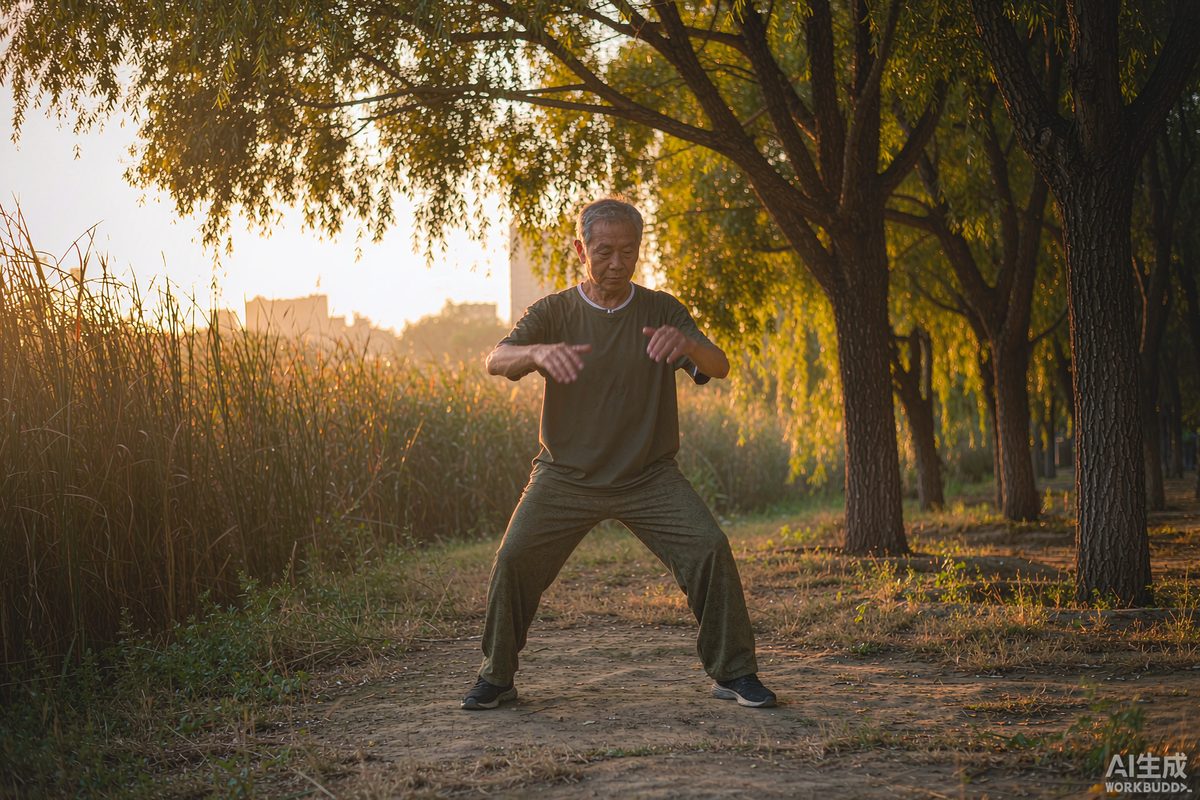
The glove's marketing promises knuckle protection. The glove's actual job is wrist integrity. A straight punch transmits force up through the second and third knuckles into a wrist that must stay locked in line; untrained wrists fold, and a folded wrist under impact is how the sprains happen. This is why the wrap-glove sequence is not a formality.
The wrap goes on first and does the fine work — binding the metacarpals and locking the wrist joint with crossing passes, so the hand arrives at the glove as a single solid unit. Semi-elastic cotton around 180 inches is the standard for good reason; a wrap that cannot make two full passes at the wrist is too short for real protection. Wash them weekly.
Used wraps are, medically speaking, a small ecology, and not the interesting kind.
The glove then does the gross work: distributing impact across the wrapped hand and adding just enough mass to slow the punch to a safe speed. For bag rounds, twelve to fourteen ounces suits most adults; heavier gloves are for sparring, lighter ones for trained hands.
The single test worth doing on arrival: cinch the wrist strap tight, make a fist, press the knuckles into a wall with moderate force — if the wrist bends, the glove's support is decorative. Replace it. A wrist injury costs more than any glove, in time and in the loss of the habit that was just starting to pay rent.
The injury data from organized boxing sharpens the point from the other direction. A 2022 systematic review and meta-analysis of injuries in amateur boxing found injury rates concentrated in competition and sparring rather than training, with hand and wrist among the commonly affected sites — evidence, from the most violent end of the sport, that the hand is where the bill arrives.
Home bag work removes the sparring entirely; it does not remove the physics. Wrap, glove, straight wrist, moderate power for the first month. The sinews harden on their own schedule, not yours.
- Wrap first, glove second — the wrap locks the wrist, the glove spreads the load.
- The wall-press test exposes a glove with decorative wrist support; fail it and return the glove.
- Amateur boxing injury data puts hand and wrist among the common sites; home bag work still obeys the same physics.
What Eighteen Minutes Looks Like
A structure, since gear without a session shape tends to become furniture.
Two minutes of easy shadow boxing or rope skipping to warm up. Then rounds: two minutes of bag work, one minute of rest, repeated three to four times — call it twelve to eighteen working minutes. Inside a round, beginners should cycle single straight punches slowly at first, then add the two-punch combination, then the three.
Power stays moderate for the first month; speed and crispness improve faster than strength, and crispness is what makes the punch quiet, safe, and satisfying. Finish with the wrap unwound, the glove aired, and two minutes of stretching the wrists, forearms, and shoulders — the places the work actually lived.
Intensity self-selects. The round structure is interval training by design: hard efforts bracketed by rests, which lets a deconditioned beginner work at a real training heart rate within their first session and lets a fit person run themselves into the anaerobic range by week three.
Research in clinical populations — including twelve-month non-contact boxing programs studied in people with Parkinson's disease — has documented that the format sustains participation over long periods, which is the property every exercise program claims and almost none deliver.
Three evenings a week is the honest dose for a stress-management practice. Daily is fine if the body agrees; the wrists and shoulders will file their opinion within two weeks, and the report is worth reading.
The wrapless option belongs here because life will eventually schedule itself against your session. Shadow boxing needs no gear at all — the same rounds, the same combinations, thrown into air, and the energy cost drops to maybe a third of bag work while the rhythm and the breathing pattern survive intact.
That matters on the evenings when there is no time to wrap and glove, or the bag is across the room and the excuses are within arm's reach. A practice that only exists in its full configuration collapses on its first disrupted week; a practice with a reduced version that still counts does not. The gear purists disagree, and they are wrong.
The person who shadows boxes in a hotel room on business travel keeps the habit. The person who needs the bag does not, and a month later the bag is a coat rack with a serial number.
The Chinese medical tradition would close the loop with its own habit: after training, when the pulse has settled, a few slow deep breaths with pressure rubbed into the point on the top of the foot — Taichong, LR3, the liver channel's source point — as a ritual of telling the general that the battle, such as it was, is over.
Whether or not you credit the meridian, the ritual has one undeniable virtue: it forces the exhale that the hour needed.
- Warm up two minutes, then three to four rounds of two minutes on, one minute off: the whole session fits a lunch break.
- Moderate power for a month — crisp beats hard while wrists and tendons adapt.
- Three evenings weekly is the working dose; let the wrists vote on adding a fourth.
Safety, Neighbors, and the Line You Do Not Cross
The line: contact. Every serious risk in this sport lives in sparring and competition, not in the bag. A 2022 systematic review and meta-analysis of amateur boxing injuries documented the burden across the sport, and the pattern in the underlying data is consistent — injury rates spike in bouts and sparring, while conditioning work is comparatively benign.
Nothing in this guide, and nothing in the stress-relief use case, requires an opponent. Someone selling you the idea that home training leads naturally to sparring is selling a gym membership.
Within non-contact training, the risks are the unglamorous orthopedic ones already covered: the folded wrist, the compressed knuckle, the shoulder that got angry before the rotator cuff was ready. All three respond to the same discipline — wraps every time, straight wrists, months of moderate power.
Add the cardiovascular caveat that applies to any vigorous exercise: heart conditions, uncontrolled blood pressure, or chest symptoms on exertion mean a clinician signs off first. Bruising on the knuckles despite gloves suggests mechanics, not toughness; fix the punch, do not admire the bruise.
Then the social layer, which no spec sheet covers. Bags thump. Rubber mats and sand-filled bases mute most of it; apartment acoustics vary more than any buyer expects, so for upper-floor living, an early conversation with the downstairs neighbor is cheaper than any returned base.
Punch in reasonable hours — the workout energizes some people and others report it belongs to their evening, not their morning; the tradition that named liver qi would say the discharge belongs at the end of the day that caused the pressure. Try both and let your own sleep report decide, since sleep, not the workout, is the outcome that everything else in this guide is ultimately aimed at.
A word on the gloves' second life, which buyers forget until month three. Training gloves absorb sweat the way sponges do, and a glove that dries slowly becomes a smell you will negotiate with for years. The cheap fixes: open the wrist wide after every session, stand the gloves mouth-up in moving air rather than sealed in a gym bag, and consider glove deodorizer inserts if your training room runs humid.
Wraps go in the wash weekly, gloves air out daily, and neither habit costs more than a minute. Equipment hygiene sounds like a footnote until the first summer, at which point it quietly separates the gear that lasts from the gear that gets abandoned in a closet. Stress relief that you avoid touching is not stress relief.
- Competition and sparring carry the real injury burden; home bag work removes exactly that and keeps the physiology.
- Cardiovascular clearance first for heart conditions, uncontrolled blood pressure, or exertional chest symptoms.
- Rubber mat, sand fill, decent hours, one honest conversation with the neighbor — the social spec sheet.
Who Should Skip It, and What It Will Not Do
Honest limits, since this page sells equipment and deserves to be trusted.
Skip the bag entirely if you have an unhealed hand, wrist, or shoulder injury, severe osteoporosis (repetitive impact against resistance is the wrong stimulus), or a skin condition on the hands that wraps would worsen. Rethink it if your goal is strength — bag work builds power endurance in the trunk and shoulders, not maximal strength; heavy resistance training remains the only thing that does that.
It will not spot-reduce anything, a claim no honest review should print in 2026, and it will not substitute for the walking, sleep, and diet base that stress physiology actually rests on. Think of it as one sharp instrument in the drawer, not the drawer.
The evidence boundaries deserve their own sentence: the cortisol and sleep benefits cited here come from exercise research broadly, the boxing-specific mood and adherence findings are observational and small-trial sized, and the energy-expenditure comparisons rest on studies old enough to vote.
The Parkinson rehabilitation work is the strongest new evidence for the format, and it studies a clinical population — encouraging, suggestive, not automatically transferable.
None of that weakens the basic case, which has never needed exotic claims: this is vigorous, rhythmic, self-reinforcing exercise with a complete kit under two hundred dollars, and for a particular kind of stressed person it is the exercise that finally sticks.
The old texts had a version of the same recommendation with no equipment at all — move the body, sound the breath, let what has risen come down. The bag is simply the version of that instruction with a target. Whether the target is foam or air matters far less than whether the pressure gets its door. That part was never for sale anyway.