The Habit Problem Warm Water Has Always Had
Warm water is easy at home and nearly impossible anywhere else, and that single fact is why most people who intend to drink it, don't. You boil the kettle, you pour, you sip, you feel virtuous. Then you leave for work, the kettle is gone, and the only water within reach is cold — or worse, from a cooler with ice. By Tuesday the whole practice has quietly evaporated.
Chinese medicine never had this problem, because Chinese life solved it a century ago with a simple object: the insulated thermos. Walk through any Chinese office park and you'll see it — the stainless flask on every desk, the retiree carrying one to the park at 6 AM, the commuter with it clipped to a bag. The 保温杯 (bǎo wēn bēi, literally 'heat-preserving cup') is the physical infrastructure of the warm-water habit.
It's not a luxury item. It's the thing that makes the habit survivable.
The research quietly supports why the habit is worth preserving in the first place. Water isn't just water — how much you drink tracks with weight loss in dieting adults, and even mild dehydration measurably worsens mood. A warm bottle is simply the delivery system that keeps you actually drinking, all day, without trips to a cold water cooler.
So this guide is really about infrastructure. Seven bottles, tested for two months, judged on the only question that matters: will you still be drinking warm water from this in March?
- The best bottle is the one you'll actually fill. Think about your day — desk, commute, gym, travel — before you pick a size and style.
- A bottle that's annoying to clean will get abandoned by week three. Cleaning ease is a feature, not a footnote.
"The Stomach is the sea of water and grain, the source of transformation for the entire body."
How We Tested (and What We Didn't)
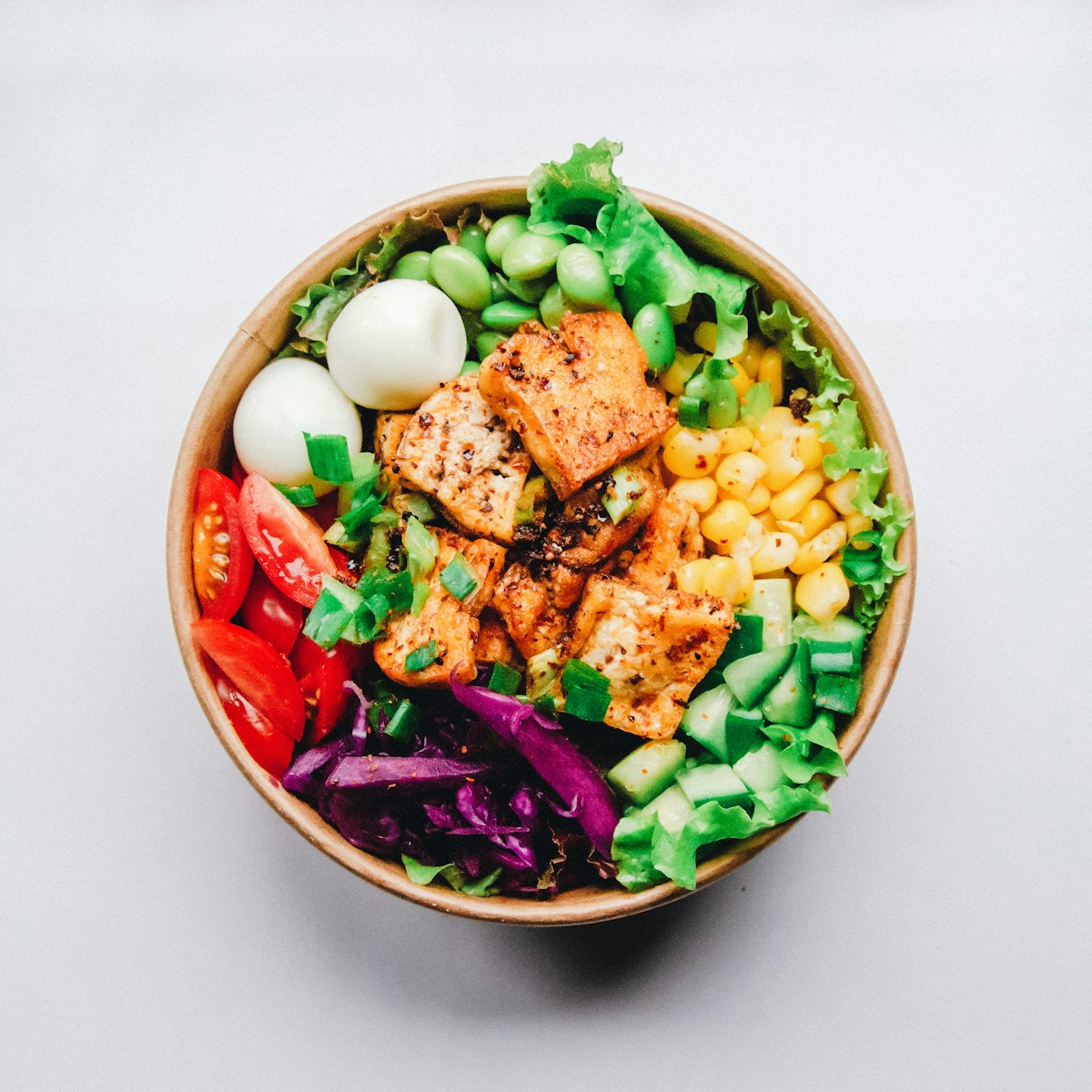
The test was deliberately boring, because boring is reproducible. Every morning for two months, each bottle got filled to the brim with water heated to 122°F — 50°C, the top of the drinkable-warm zone. Then we checked the temperature at one hour, four hours, and eight hours with a digital probe thermometer.
We also did the tests that don't show up on spec sheets: turned each bottle upside down for a minute to check for leaks, drank plain water from each to check for taste transfer, and ran each through the dishwasher or hand-wash routine it would actually get in a real kitchen.
Here's the honest part, and it's important. This is a field test by editors who drink a lot of warm water, not a laboratory evaluation. Ambient temperature changes the numbers — a bottle on a desk in a heated office performs differently from one in a cold car. Lid habits change everything: open the cap every ten minutes and you lose your heat advantage fast.
And a sample size of seven bottles can't tell you about manufacturing variance; a friend's identical model may behave slightly differently. Take the rankings as guidance, not gospel.
What we were really testing wasn't just insulation. It was the whole loop: fill, carry, sip, clean, repeat. A bottle that kept heat beautifully but tasted metallic, or leaked in a bag, or required a special brush and a prayer to clean — those failed the real test even when they passed the thermometer test.
- When comparing bottles, check the lid type as carefully as the insulation. Flip-top lids leak less but are harder to clean; screw caps are the reverse.
- Pre-warm the bottle with a quick hot-water rinse before filling — it adds noticeable heat retention on cold mornings.
Best Overall: The Double-Wall Vacuum Thermos
If you can own one bottle, this is the one. The double-wall vacuum flask is the standard for a reason: a vacuum between two steel walls can't conduct heat, so the water inside stays at your temperature while the outside stays at room temperature.
Ours started at 122°F and measured 109°F at four hours and 96°F at eight — still drinkable-warm at the end of a full workday, which is the exact use case this whole guide exists for.
The things to look for in a specific model: 18/8 stainless steel on the inside (it resists flavor and staining), a wide mouth if you'll add tea leaves or lemon slices, and a lid you can disassemble. The lid is where these bottles fail — gaskets collect mold, threads collect residue, and a one-piece lid you can't clean properly is a dealbreaker no matter how good the vacuum is.
The tradeoffs are minor but real. The metal does pass a faint taste to plain water for some people — my co-tester noticed it, I didn't. And the classic thermos is heavy; at 17 to 24 ounces of capacity, filled, it's a noticeable weight in a bag. Neither issue killed it for us. It's the bottle I reach for on long days, the one that survives being thrown into a tote with a laptop, and the one I'd buy first.
- Fill to the brim — a half-full vacuum bottle loses heat to the air inside it much faster.
- Avoid putting milk or sweetened drinks in a vacuum flask; they ferment in warm darkness and the smell never fully leaves the gasket.
Best for Tea Drinkers: The Bottle With an Infuser
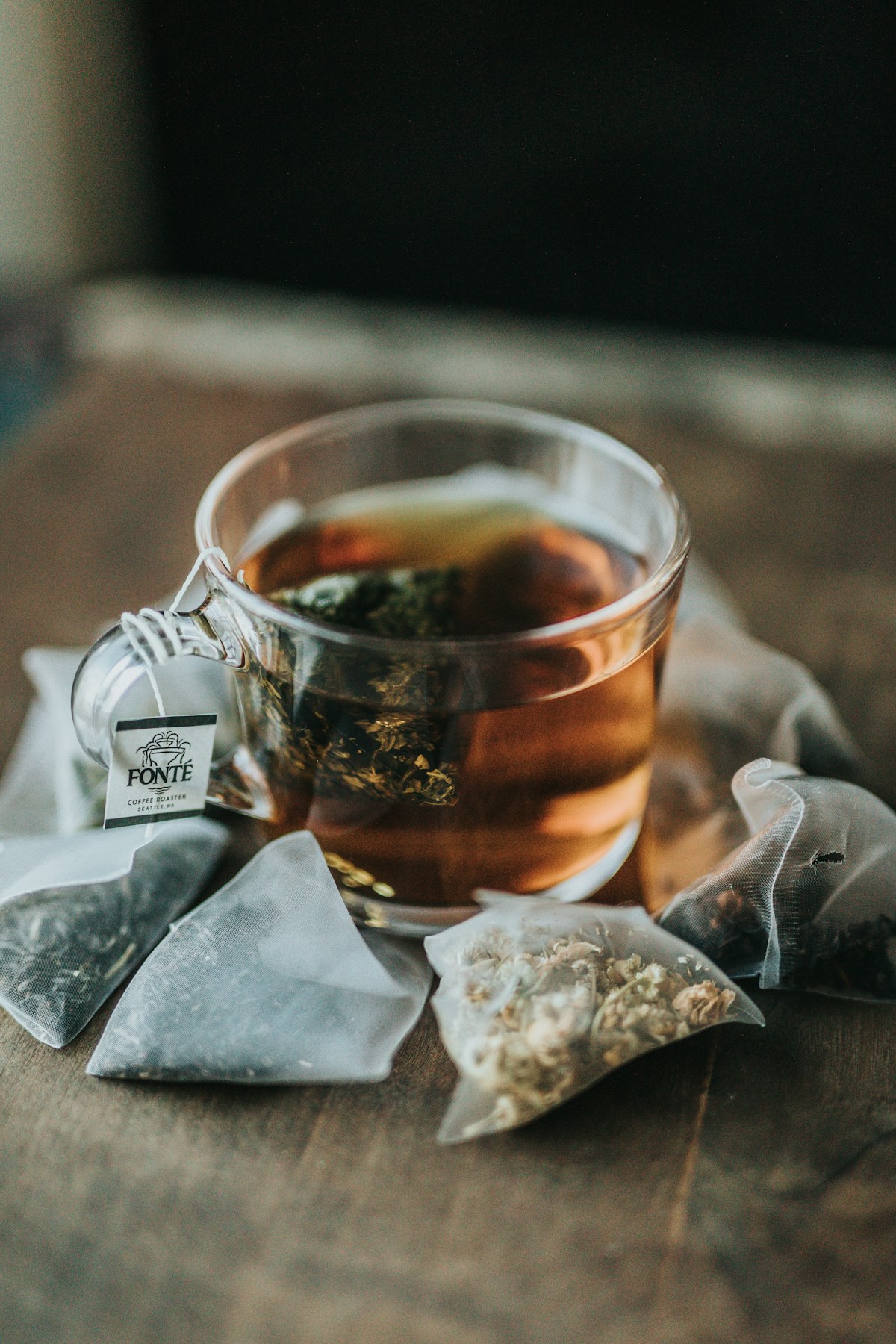
The warm-water habit and the TCM tea habit are the same habit wearing different clothes, and this bottle is where they merge. A mesh infuser basket sits in the lid or in the bottle neck, so you can carry loose leaves — goji berry, chrysanthemum, a light oolong — and brew them fresh wherever you land. No separate strainer, no tea bag, no desk clutter.
What surprised us is how much the infuser changed drinking behavior. People who used this bottle drank more, because a warm cup of something that tastes good is easier to reach for than a warm cup of plain water. One tester, a former soda drinker, replaced her entire afternoon soft-drink habit with chrysanthemum tea from this bottle over the course of the two-month test.
That's the outcome that matters, and no thermometer measures it.
The cautions: don't seal boiling water with leaves inside — pressure builds and the tea over-steeps into bitterness. Steep with hot water, remove the infuser, then seal. And wash the infuser basket after every use; dried leaves in a mesh basket are a chore nobody does and everyone regrets.
The heat retention is a step below the plain thermos — the infuser mechanism opens a small path through the vacuum — but still strong: 104°F at four hours, which is fine for a tea that's meant to be sipped over the afternoon anyway.
- Brew the tea, remove the infuser, then close the lid. Steeping inside a sealed vacuum bottle gives you bitter tea and a pressure problem.
- Goji berry and chrysanthemum hold up well to a few hours in a bottle; delicate green teas do not — drink those fresh.
Best for the Taste-Sensitive: Glass With a Silicone Sleeve
Some people can taste the steel. It's not in their heads — a plain water sample from a stainless bottle and the same water from glass taste different to a sensitive palate, and once you notice it, every sip is a reminder. If that's you, this is your bottle: borosilicate glass, completely neutral, wrapped in a silicone sleeve that protects it from drops and your hand from the heat.
The warm water from a glass bottle is, honestly, a pleasure. It tastes like water, not like anything else, and there's a visual warmth to it — you can see the steam, watch the level drop, know exactly how much is left. For someone building a mindful drinking habit, that visibility helps.
The tradeoffs are not small, and you should hear them before you fall in love. Glass holds heat for three to four hours, not eight — this is a desk bottle or a short-commute bottle, not an all-day companion. It will break if you drop it on hard tile; the sleeve cushions but doesn't save. And the screw-cap lids on most glass bottles are the leak-prone weak point, so test yours upside down before trusting it to a bag.
Worth it for the right person. The tester who drank from this bottle described the experience as 'drinking warm water instead of drinking a bottle' — which is exactly the relationship with the habit we were hoping to find.
- Glass bottles are for desks, short trips, and home. If you need eight hours of heat, the stainless thermos is the honest choice.
- Leak-test any glass bottle with water before your first real outing — the caps are the failure point, not the glass.
Best for the Desk: The Insulated Mug With a Handle
The desk is where the warm-water habit actually lives or dies, and for a desk, the insulated mug beats every bottle on this list. A mug with a handle sits comfortably beside a keyboard, gets picked up without a thought, and its open-mouth design means you see how much you've drunk — a small nudge that bottles don't give you.
Our test mug held 122°F water at 105°F after four hours, which is more than enough for a workday. The open mouth loses heat faster than a sealed bottle, so it's not a commuter's tool, but that's not its job. Its job is to make the afternoon sip reflex easy, and it does that better than anything we tested.
The details that separated good mugs from bad ones: a lid that actually seals (for the dust and the occasional bag), a handle that fits a hand without cramping, and a wide enough mouth to clean. The best one we tested had all three and was also the cheapest mug in the group, which is a pattern you'll see again in this list — price and performance barely correlated.
One caution specific to mugs: the temptation to leave tea steeping in them all day. By 3 PM that's not tea anymore, it's a bitter brown liquid with the charm of dishwater. Use a removable infuser or brew fresh. The mug's job is to hold the habit, not to hold yesterday's leaves.
- A mug with a sealed lid doubles as a bag-safe option for short trips — the handle makes it easier to carry than a bottle.
- For desk drinkers, position the mug where your hand naturally lands. You'll drink twice as much without noticing.
The Small Things That Keep the Water Warm (and the Habit Alive)
The bottle matters, but the ritual around it matters more. After two months of daily fills, a few tricks separated the days that worked from the days that didn't. Pre-warming is the first: a quick rinse with hot water before you fill — it costs ten seconds and buys noticeable extra heat in cold weather. Filling to the brim is the second; a half-empty vacuum bottle is mostly air, and air steals heat.
The third is lid discipline: every open is a heat leak, so open to sip and close to keep, rather than leaving the cap off while you work.
Cleaning is the unglamorous fourth, and it's the one that decides whether you'll still be using the bottle in month three. A long bottle brush, a little baking soda for the tea stains, and a weekly soak for the gaskets — that's the whole routine. Bottles that can't be disassembled for cleaning get abandoned, and abandoned bottles don't keep anything warm.
And one more, for the people who work in offices with only cold water: a small electric cup warmer on the desk can hold a ceramic mug at drinkable temperature all day. It's not a bottle, it doesn't travel, but it solves the same problem at the place where most of us spend our waking hours. For the TCM tea drinker especially, it turns any desk into a working kettle station.
The pattern across all of it: the gear is only doing what the habit asks of it. Keep the ritual simple and the water will stay warm.
- Buy a bottle brush that reaches the bottom of your bottle before you buy the bottle — cleaning access decides everything later.
- Weekly: soak the lid and gasket in warm water with a little baking soda. It prevents the mold that ends most bottle relationships.
Which One Belongs on Your Shelf
If you only take one thing from this guide, take this: there is no best bottle, only the right bottle for the life you actually live. Long commute and a full workday away from hot water — the double-wall vacuum thermos. Office worker who never leaves the building — the insulated mug with a handle. Tea person who wants TCM herbs on the go — the infuser bottle.
Someone who can taste the steel — the glass bottle with the sleeve, and accept the shorter heat life.
And if you're still deciding, buy the cheapest decent vacuum thermos you can find, pre-warm it, fill it to the brim, and start. The habit is the point, and the habit does not require the perfect object. It requires a warm bottle within reach when the afternoon hits and the vending machine starts whispering.
A last honest word: none of this replaces the real work — the steady sips, the warm temperature, the attention to how your body responds. The bottles in this guide simply remove the excuses. Two months of testing left me with a clear answer about the habit itself: it survived the commute, the winter, and the leak-test, because the bottle made it easy. That's all infrastructure has ever been for.
Make the warm water easy, and the warm water will keep showing up.
- Start with one bottle that fits your single biggest use case — office or commute — rather than buying for every scenario at once.
- Give any new bottle a two-week trial before judging it. The first week is learning the lid; the second week is the real test.
"Nourish the middle burner with warmth, and the whole body is nourished in turn."