The Portion Problem Is a Design Problem
Ask people to eat a little less and you are asking them to make hundreds of small decisions at the worst possible moment — tired, hungry, standing over the stove. The classical texts put this failure mode in writing two thousand years ago. 'When food and drink are doubled beyond measure, the intestines and stomach take the injury,' says the Suwen, and the injury it names is not about any particular food.
It is about volume delivered faster than the middle burner can process it.
The modern trial literature has landed somewhere surprisingly compatible: the cheapest way to eat less is not deciding less, it is deciding earlier — before the meal, at the level of the vessel. Shrink the plate, divide it, or swap the bowl for a smaller one, and the adjustment happens in the kitchen where nobody is hungry yet, instead of at the table where everyone is.
This article reviews the three tools that implement that idea: the divided portion plate, the color-coded container kit, and the small ceramic bowl set. One is the research version, one is the portable version, one is the tradition's own version. All three are cheap enough that the real question is not price but fit — which one matches the meal your household actually eats.
- Every tool in this review works by the same mechanism: it moves the portion decision upstream, before hunger starts voting. If a tool requires decision-making at the table, it is the wrong tool.
- None of this replaces slowing down. The portion tools set the amount; pace sets the experience. They stack.
"Willpower is a bad servant at dinner time. Geometry is a better one."
What the Trials Say About Shrinking the Vessel
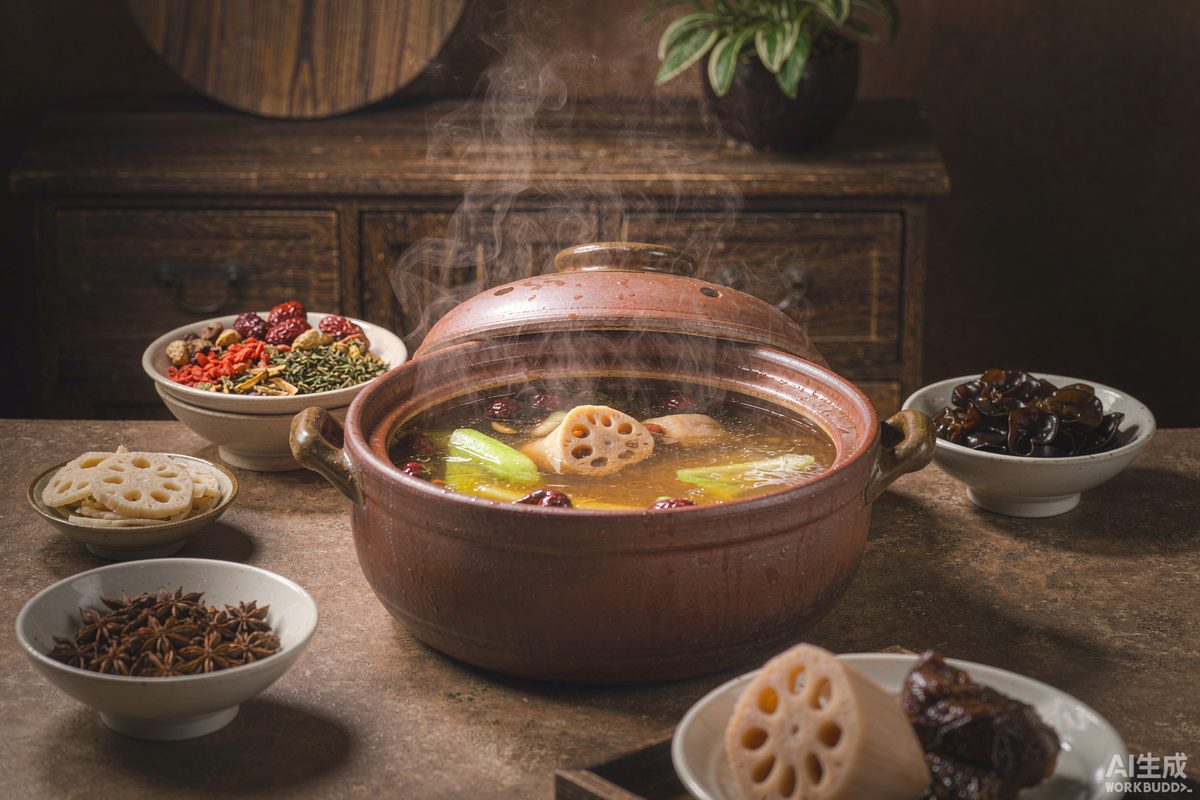
The strongest single piece of evidence is a 2015 Cochrane review that pulled together the studies on portion, package, and tableware size for food, drink, alcohol, and tobacco. Its conclusion is blunt: people reliably select and consume more from larger vessels, and the effect is consistent enough that the authors suggested the size of tableware could be a public-health lever.
The honest caveat came from the same authors — much of the included evidence was low-certainty, short-duration laboratory work, and real-world effect sizes are more modest than the headline suggests.
On plates specifically, the trials are smaller but they exist. A 2015 randomized trial in Trials paired a portion control plate with telecoaching for weight management and tracked outcomes over six months, finding the plate-plus-coaching group lost more weight than the comparison group.
A 2014 study in Nutrition Journal ran a three-month program using a Japanese-style healthy plate in overweight and diabetic adults and reported meaningful weight reduction over the intervention.
Read together, the honest summary: vessel size is one of the better-evidenced environmental levers in eating behavior, the divided plate has direct randomized support, and nobody should expect miracles from crockery. The plate does not fight appetite. It removes the fight.
- The Cochrane review's own framing is worth keeping: expect modest, consistent effects, not transformation. A tool that quietly shaves ten percent off most dinners is doing exactly what the evidence supports.
- The plate trials all paired the plate with some coaching or instruction. Pairing yours with one rule — half the plate is vegetables, always — keeps you inside the tested territory.
"The vessel decides first. The person decides second, and mostly ratifies."
How We Picked These Three
The criteria, stated plainly so you can disagree with them.
First, the tool had to implement the tested mechanism — pre-commitment of portion size at the vessel level — rather than adjacent gimmicks: portion scales, calorie counters, smart plates with Bluetooth. Those are decision tools, and the trials support geometry, not more arithmetic.
Second, it had to survive daily use for a year. Divided plates that stain, container lids that warp after three dishwasher cycles, bowls that chip in the cabinet — all of these were disqualifying, because the entire value of these tools is that they stop being decisions. Anything that breaks becomes a decision again.
Third, it had to fit the Chinese dietary structure this site writes from: a meal of several small dishes, grain as the base, vegetables as the bulk, warm and soft preferred. A tool that fights that meal shape gets abandoned by April. All three picks below passed all three tests, for different households — and the differences between them are about where and when your portion problem actually happens.
- Buy for the failure mode you actually have, not the one that sounds most impressive. Desk-lunch eaters need the containers; home-cook families need the plates or the bowls.
- One set of any of these is enough. The tool that gets used daily beats the system that gets admired monthly.
"A good portion tool is not a diet product. It is a piece of furniture for meals."
The Picks and the Tables They Fit
The divided portion plate is where most people should start, because it is the exact instrument the trials used: half the plate marked for vegetables, quarters for protein and grain, no counting involved. Families cooking a standard protein-plus-sides dinner get a balanced meal by construction, and children — who respond better to plate structure than to lectures — absorb the ratio without being told.
The trade is visual. Some tables never stop feeling like a clinic.
The color-coded container kit solves the meal that happens away from your table. Desk lunches, commutes, the cafeteria portion arms race: pack the containers the night before and the decision is closed before hunger wakes up. It is also the quiet winner for anyone whose evenings run late — leftovers boxed immediately into portion-sized vessels never get the chance to become second helpings eaten standing up.
The small ceramic bowl set is the oldest of the three and the most livable. A 250-milliliter bowl refills by decision; a large plate empties by momentum. Four small dishes also recreate the traditional meal's architecture — grain, soup, greens, something braised — and slow the pace as a side effect, because moving between bowls takes longer than sweeping one plate.
This is the pick for tables that already cook well and just want the amounts to settle themselves.
- Run a two-week single-tool trial before buying anything else in the category. Most households find one mechanism covers ninety percent of their portion drift.
- The bowls pair naturally with chopsticks, and the two together slow the meal further — the pacing benefit arrives free with the portion benefit.
"The best portion tool is the one your household stops noticing, because it has become simply how dinner is served."
Using Them With a Chinese-Medicine Meal Structure
The tools slot into the classical meal template without friction, because the template already contains them in spirit.
The Suwen's first chapter names the ideal as food and drink taken with measure and rhythm — 食饮有节 — and both halves map onto hardware. Measure is the vessel: the divided plate's zones, the container's fixed volume, the small bowl's ceiling. Rhythm is the structure around it: three anchored meals, the midday meal the fullest, dinner early and light.
A portion plate inside that rhythm does what the granary officials of Suwen Chapter 8 were imagined to do — issue rations in proper measure instead of accepting whatever the cart happened to dump.
One traditional practice belongs in the same toolkit. The tradition treats the feeling of being about seven-tenths full — 七分饱 — as the correct stopping point, on the theory that the Spleen needs slack to transform the load. The portion tools are, functionally, machines for manufacturing 七分饱: each one ends the meal a little before the eye would have.
Pair the last bite with a warm palm pressed below the sternum at Zhongwan for two minutes — the Zhen Jiu Da Cheng's settle-the-middle-burner point — and the meal closes on a ritual instead of a rummage through the fridge.
- Serve the vegetable compartment or vegetable bowl first, while appetite is highest. The tradition sequences the easy bulk first; the portion tools just give that sequence walls.
- If a meal must stretch late, put the container lid on immediately after serving rather than after eating. The stored leftovers are the portion control; the lid is the willpower.
"Seven-tenths full is not a feeling to find. It is a boundary to build."
Honest Limits of Crockery
What these tools cannot do, stated at full volume.
The evidence for vessel size is real but modest, and the Cochrane authors downgraded their confidence in much of it. The plate trials measured weeks-to-months outcomes with coaching attached; no trial shows a portion plate alone producing durable weight loss over years.
People with binge-eating patterns in particular may find rigid portion structures backfire — a fixed amount can become a trigger rather than a boundary, and that situation belongs with a professional, not a plate.
The tools also do nothing about what is served. A divided plate of fried food is still fried food, and a small bowl of ice cream refilled four times is a decision problem the bowls cannot fix. And they do not address emotional eating: no compartment holds a boundary against a bad day.
The classical texts were clearer-eyed about this than the gadget market is — the Suwen treats overconsumption as one cause among many, alongside irregular rhythm, worry, and overwork, and a bowl is not a prescription for any of those.
Anyone managing diabetes, kidney disease, pregnancy, or a prescribed eating plan should treat these tools as something to fold into professional guidance, not a substitute for it. Educational content only, as always here; we are not medical doctors and this is not medical advice.
- If strict portions make you anxious rather than relieved, that is data. Looser tools — the small bowls over the divided plate — are usually the better fit, and worth saying out loud.
- Track adherence, not weight, for the first month. Whether the tool is still in use after thirty days predicts everything; the scale that early predicts nothing.
"No vessel outperforms the food on it. The tool adjusts the volume, not the verdict."
Where to Start
One tool, one meal, two weeks.
If you cook most dinners at home, start with the divided plate or the small bowls — the bowls if your table cares how things look, the plate if it does not. If your portion problem lives at a desk or in a commute, the container kit is the only one of the three that travels with you, and it should be first.
Households that want everything at once should resist the urge: buy one, use it until it is boring, then consider the second.
The measure the Suwen asks for was never about weighing rice. It was about a table arranged so that the right amount is the amount that happens — the vessel small enough, the meal slow enough, the rhythm regular enough that the middle burner finishes its shift with slack. Two thousand years later, the trial literature keeps rediscovering versions of the same arrangement, now with randomization.
The crockery is cheaper than the research. Start with one plate.
- Set a two-week calendar note before the tool arrives. Abandonment is the default failure mode, and the note is what converts a purchase into a habit.
- After the first month, keep whichever tool you stopped thinking about. The one that disappeared into routine is the one that worked.
"Buy one vessel. Let it run the experiment for a month. The data will be at the table."