Why Guessing Fails
Start with the spread, because the spread is the whole problem. In cool weather, an average adult might lose half a liter of sweat an hour. The same adult, doing the same workout in July humidity, can pass two liters an hour without noticing anything except heat.
Physiology reviews put the performance cost of dehydration at just over 2% of body weight — about a kilogram and a half for a typical man — and note that thirst only arrives once the deficit is already underway. You are steering by a gauge that reads low.
The gear industry responds to this by selling enthusiasm: bottles with Bluetooth, hydrogen infusers, alkaline pitchers, towels embedded with cooling yarn and marketing. Almost none of it addresses the actual problem, which is arithmetic. You lose a measurable amount of water and salt. You need to know roughly how much, and you need to put it back — water plus sodium, not water alone, or the refill doesn't stick.
So this list is built like a lab, not a shelf. Two tools to measure the loss, three to close it, one to make closing it easier in the heat, and a final section on products that either duplicate something you already own or solve problems you don't have. Total cost for the core kit: about sixty dollars. Under half of that, if you skip the extras.
The classical angle gets one paragraph up front because it earned it. Sun Simiao, the seventh-century physician whose regimen texts read like a diary of practical longevity, kept circling one idea: constancy beats intensity. Gear, in that spirit, is only good if it lowers the friction of showing up tomorrow. Everything below is judged by that standard, not by how it photographs.
- The problem this kit solves is arithmetic, not enthusiasm: know the loss, replace water plus sodium.
- Judge every purchase by Sun Simiao's standard — does it make tomorrow's session easier to show up for?
Step One: Weigh the Loss
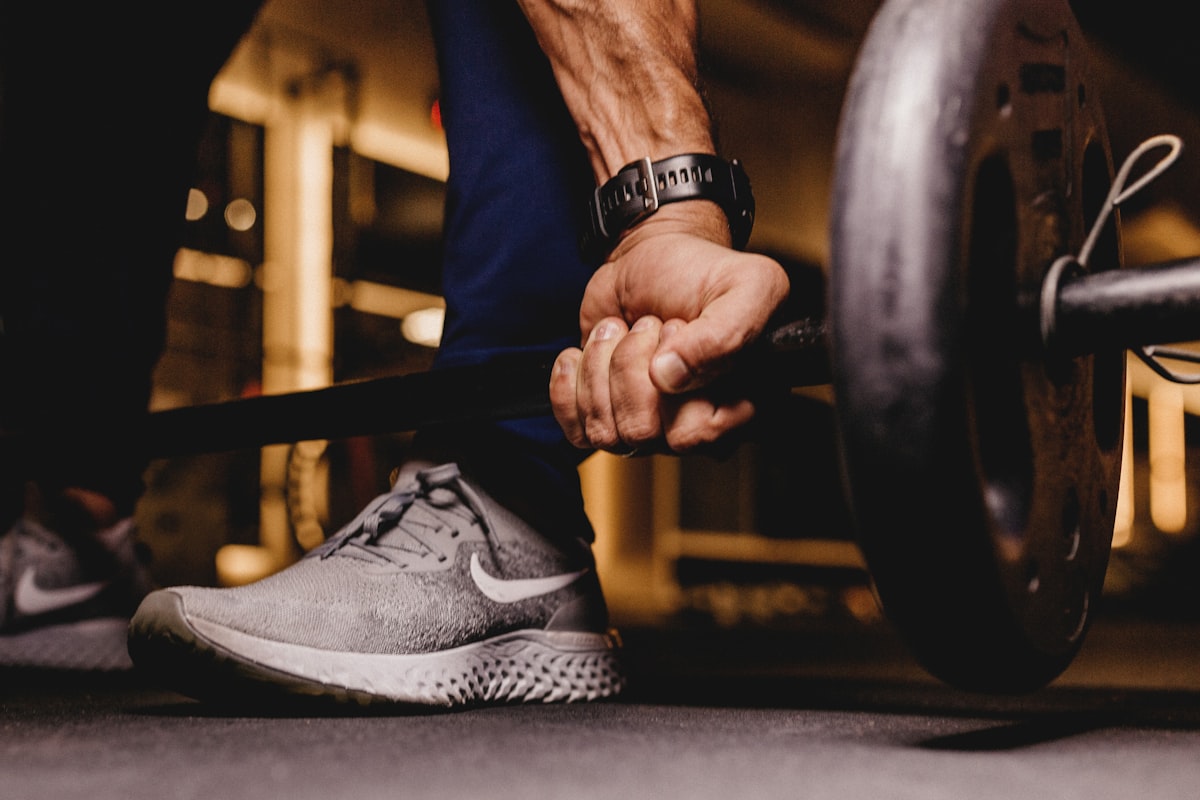
Before any product earns a recommendation, here is the measurement that makes the products meaningful. Sports scientists call it the sweat-rate test, and it requires no equipment beyond a decent scale and a note on your phone.
Weigh yourself in light clothes, right before a session. Do the workout as you normally would, keeping track of every milliliter you drink. Weigh yourself again immediately after, same clothes, towel-dried. 3 liters. Divide by the session length in hours and you have your personal rate.
Run the test three or four times in the conditions you actually train in, because heat and humidity will swing the number more than fitness will.
The reason this matters is that the whole hydration industry is calibrated to an imaginary average person, and you are not that person. A colleague on our team ran the test for a month and discovered her hourly rate on summer evening runs was 1.7 liters — double what she assumed from general advice. Her fix wasn't a product at all. It was moving the run to 6:30 AM, which cut the rate nearly in half and cost nothing.
Traditional physiology reaches the same conclusion by a softer road. The Neijing's chapter on the movement of water describes drinking as a process the Spleen and Stomach must actually work to distribute — fluid taken in is processed, sorted, moved. A deficit you never measured is a deficit the body quietly absorbs, drawing from reserves it would rather keep. Measure first.
It is the cheapest thing on this list and the only one that changes what all the others are for.
- Sweat rate = (pre-weight − post-weight) + fluid drunk, divided by session hours. Run it 3–4 times in real training conditions.
- Retest the number when the season turns; heat swings the rate more than fitness does.
The Scale: Sixty Seconds of Truth
Item one is whatever accurate digital scale you can get. A basic bathroom model with 100-gram resolution does the job; a kitchen scale works too if you weigh in light kit and stay still.
It does not need Bluetooth, does not need to estimate body fat, and in fact the fancy body-composition scales are worse for this purpose — their impedance readings shift with hydration state, which is precisely the variable you are trying to isolate. A dumb, honest scale is a feature.
8 liters an hour. Spinning classes and hot-weather running commonly hit 1 to 2. Sauna sessions can strip a liter in twenty minutes, which is worth knowing before, not after. Individual results vary enormously — two training partners of the same size and pace can differ by a factor of two, which is exactly why the scale beats any chart.
The habit that makes it stick: keep the scale next to the door you leave to train through, and the measurement collapses into your normal routine. The week it takes to learn your numbers is the highest-return hour of equipment shopping in this entire article. Everything else on this list either serves that number or is decoration.
- Skip the body-fat smart scales for this job — hydration shifts their readings; a plain accurate scale tells the truth.
- Expect roughly 0.3–0.8 L/hour for indoor gym work and 1–2+ L/hour for hot or intense sessions; partners at the same pace can differ twofold.
A Bottle With Numbers On It
The second measuring tool costs ten dollars and fixes a failure mode the scale can't see: pacing during the session itself. A marked bottle — volume graduations, or time stamps printed down the side — turns mid-workout drinking from a vibe into a count.
You glace at it at the half-hour mark and know you're behind on the plan while there is still time to catch up comfortably, instead of discovering the deficit after, in the shower, when the headache moves in.
The pacing target research lands on, for most temperate-weather training, is 400 to 800 ml an hour — enough to hold the deficit under the 2% line without overdrinking. In heat, run the top of the range and add sodium (next section).
The bottle markings make the range visible: one big bottle is an hour, two is a long session, and a mouthful now and then adds up faster than most people think when they can see the level against a line.
Size and shape notes from the team's months of use: 750 ml to 1 liter is the right capacity — anything bigger becomes an arm workout and anything smaller means refilling mid-session. A wide mouth is easier to fill from a fountain and to drop ice into.
Soft squeeze bottles drink faster mid-interval than rigid ones, which matters more than it sounds; a bottle you can drain in four gulps gets used, and one you have to nurse gets ignored.
One design trap worth naming: some marked bottles print cheerful hourly deadlines ('8 AM! 9 AM! 10 AM!') calibrated to a full day's intake from sunrise. Fine as a nudge for office days, irrelevant for training. Volume graduations age better than time guilt.
- Pace to 400–800 ml per hour in temperate weather; hold the top of the range in heat and pair it with sodium.
- 750 ml–1 L, wide mouth, soft squeeze body — these three features predict whether the bottle actually gets used.
Electrolyte Packets That Lead With Sodium
This is the only consumable on the list, and the only item where the research is unambiguous. After meaningful sweat loss, water alone is the wrong drink.
Sodium is what sweat carries away in meaningful amounts, and rehydration studies consistently find that replacing volume without sodium leaves the blood diluted — thirst switches off before the deficit is closed, and the kidneys promptly urinate out a chunk of what you just drank. Sodium in the drink keeps it in the body.
Kenefick's review frames the practical rule: in long or hot sessions, plan the refill rather than trusting thirst, and the plan needs salt in it.
What to look for on the label, because the category is full of sugar-free fashion products that under-deliver exactly where it matters: sodium content first. A serious sports mix carries roughly 300-500 mg of sodium per 500 ml serving; 'light' versions with under 200 mg are flavored water with good PR.
Some glucose is not the enemy — the gut's sodium-glucose co-transport is the same mechanism oral rehydration solutions have used for decades, and modest sugar speeds sodium uptake. What you don't need is 30 grams of it per serving; dessert dosing is a different product for a different job.
Single-serve packets over tubs, decisively. The tub lives on the kitchen shelf; the packets live in the gym bag, the bike jersey, the carry-on. The best electrolyte product is the one present at the moment of need, and packets win that contest every time. Cost per serving runs from about fifty cents to a dollar fifty — the expensive ones buy flavor variety, not better physiology.
The classical frame, briefly, because it is almost too neat: the Tang-dynasty heat-recovery formula Sheng Mai San pairs sweet and sour — ginseng with ophiopogon and schisandra — precisely for the after-heavy-sweating state, sweetness to rebuild fluid, sourness to hold it in. A salty-sweet drink after a hard summer session is doing the same job with different chemistry. The instinct is old. The packets are just new.
- Buy on sodium, not flavor: 300–500 mg per 500 ml serving is the working range; sub-200 mg 'light' mixes under-deliver.
- Some glucose helps sodium absorption; 30 g per serving is dessert, not hydration.
- Packets beat tubs — the product that's in your gym bag is the one that works.
An Insulated Bottle You'll Actually Drink From
The quiet finding in the hydration literature is that humans drink more when the drink is cold. Not slightly more — cold fluids are simply more palatable mid-effort, and voluntary intake rises accordingly, which matters because voluntary under-drinking is the default failure mode of every long session.
An insulated stainless bottle that keeps water cold for hours isn't a comfort purchase; it's a consumption hack dressed as one.
The specifications that matter are few. Double-wall vacuum insulation is the only technology that works; everything else is marketing. One liter is the practical size — enough for a full temperate-weather hour without a refill, small enough that you'll carry it.
A lid you can drink from without unscrewing doubles actual use in practice; straws and spouts each have partisans and the evidence for either is exactly zero.
Worth one honest caveat: ice-cold is ideal in heat and slightly counterproductive in winter training, where most people instinctively drink barely at all from a bottle that has gone the temperature of the gym floor. Room-temperature water in cold months, cold water the rest of the year — the bottle does both, which is the entire argument for spending the extra ten dollars over a plastic one.
What insulation does not do: replace sodium, pace you, or measure anything. It serves the plan the scale and the marked bottle set up. On its own it's a nice bottle. In the system it's the difference between the planned 1.5 liters you meant to drink and the 900 ml you would have managed warm.
- Cold drinks raise voluntary intake — insulation is a consumption tool, not a comfort splurge.
- 1 L, double-wall vacuum, drinkable lid. Nothing else on the spec sheet changes outcomes.
A Cooling Towel for the Second Half of Summer
The last worthwhile purchase addresses the loss from the other side: sweat less, and there's less to replace. Evaporative cooling towels — the PVA or microfiber kind that stay noticeably cold when wet and snapped through the air — work by the same physics as sweat itself, water evaporating off a surface and carrying heat away.
Draped around the neck between intervals or across the shoulders on the walk home, they blunt the heat load enough that many people report the second half of a summer session feels meaningfully different.
The claim to be wary of is temperature. These towels cool skin a few degrees via evaporation; they do not refrigerate your core, and no peer-reviewed evidence ties them to performance gains. What they do is make heat more tolerable, and tolerable is the difference between finishing the planned session and cutting it short. In training, as in everything, adherence is the active ingredient.
Cost is almost nothing — ten to fifteen dollars — and the failure mode is mild: they get grimy, they need washing, the super-chilled magic fades after a season. Rinse after use or they will smell like a gym locker within a week; that's the entire maintenance manual.
A traditionalist would file this one under summer regulation, and there is classical precedent for treating heat protection as part of training rather than an accessory to it. The old texts treat the summer months as the season when yang naturally moves to the surface and the body is already spending fluid faster.
Helping that along with less sweat rather than more is squarely in the spirit of han he zai li — the winter motto, admittedly, but its logic runs all year: the reserve is the point. Protect it from both ends.
- Cooling towels work by evaporation — a few degrees of skin relief, not core cooling. Buy on price; the mechanisms are all identical.
- Rinse after every use or it becomes a smell problem within days.
Skip These: Three Shelves Worth Leaving Behind
The honest section. Half of this product category is solution in search of a problem, and three shelves in particular deserve to be named.
Smart bottles that glow and log your sips. The pitch is habit-forming tech; the reality is that the habit they form is charging the bottle. Nobody's sweat rate improved because a cup sent them notifications. If you need reminders to drink, the marked bottle does it with no battery, and if you don't, the intelligence is noise. The fifty-plus dollars buys a battery anxiety subscription.
Alkaline and hydrogen water. 5 that neutralizes what you drink before it goes anywhere. Blood pH is regulated to within a whisker by the lungs and kidneys regardless of beverage. Hydrogen water is the newer pitch: molecular hydrogen as antioxidant, early-phase studies with tiny sample sizes, and no outcome evidence that survives contact with a systematic review. Beautiful bottles, though. That's the product.
Sweat-activated 'detox' gear — sauna suits, 'ionic' foot baths, detox patches that turn brown on contact with the same fluid whether worn on a foot or held over steam. Sweat's contents are mostly water and salt; the liver and kidneys do the detoxifying, at rates no towel or patch accelerates. The brown stain on the pad is chemistry performing for a camera. Skip with confidence.
Every dollar not spent here is a dollar the scale, the marked bottle, and the packets can have.
- Smart bottles form one habit: charging. The marked bottle forms the one that matters.
- Alkaline and hydrogen claims die at the stomach and in the systematic reviews, respectively.
The Minimum Kit
Condensed to a shopping list, with prices, in the order the evidence ranks them.
The scale, twenty to thirty-five dollars — the measurement everything else serves. The marked bottle, ten to twenty — pacing you can see mid-session. The electrolyte packets, fifteen to thirty for a season's worth — sodium where and when the deficit happens. That trio is the kit; the whole thing is under sixty dollars and it covers the measure-plan-refill loop completely.
The insulated bottle and the cooling towel are situational upgrades: the first pays off immediately if you train in heat, the second if you train in heat and hate it.
Order of operations matters more than brand choices. Run the sweat-rate test for a week. Learn your hourly number in the conditions you actually train in. Set the bottle pace against it, arm the long sessions with sodium, and close whatever gap remains after with the 150% rule — replace about half again what you lost, over the following hours, with some salt in it.
The TCM frame would call that restoring what labor drew from the body before the next labor asks for more. The physiology frame calls it rehydration with sodium. Same afternoon, same broth.
The last tool, as with everything in this series, is the log: three lines in a notes app per session — rate, conditions, how you felt an hour later. Patterns surface within a fortnight, and they are personal in a way no product page predicts. Some people discover their afternoon training was mispriced all along. Some discover they were fine and the headache was lunch. Either way, the ledger starts telling the truth.
- Core kit under $60: scale + marked bottle + sodium packets. Insulated bottle and cooling towel are heat-specific upgrades.
- Close post-session deficits with the 150% rule — about 1.5 L of sodium-containing fluid per liter lost, spread over the following hours.