What the Aisle Is Actually Selling You
Walk down the recovery section of any sporting goods store and you'll find a wall of products that all promise, in slightly different fonts, the same thing: faster recovery. Rollers, guns, sleeves, boots, creams, stones, straps. The implication is that there's a purchase you can make that will let you train harder, more often, and hurt less. It's a compelling promise. It's also mostly unearned.
The honest framing is simpler and less flattering to the category. Recovery is overwhelmingly driven by sleep, food, and time. The tools in that aisle operate at the margins — they can move stiffness around, they can feel good, a few of them can measurably nudge soreness down a bit, but none of them are doing the actual rebuilding. If your sleep is short and your food is scarce, no tool in the store fixes it.
That doesn't make the tools worthless. It makes them what they actually are: small, sometimes pleasant, occasionally useful adjuncts. The trick is telling the few that earn their keep from the many that don't.
The evidence base is thinner than the marketing implies. Foam rolling has the most research behind it, and even there the findings are modest. Percussive massage guns — the category that exploded in the last decade — have comparatively little rigorous work supporting their big claims.
Compression garments have been studied heavily and the results are genuinely mixed, with meta-analyses disagreeing on whether they help strength recovery at all. This is worth sitting with: for a category this large, the scientific confidence is strikingly low.
So what follows is an honest sort, not a shopping list. Each tool gets what the evidence actually supports, what it doesn't, and who — if anyone — should bother buying it.
- Recovery is mostly sleep, food, and time. Every tool in the aisle operates at the margins of that, not instead of it.
- For a category this big, the scientific confidence is strikingly low — foam rolling has the most research, and even its effects are modest.
The Foam Roller: The One Tool With a Real Evidence Base
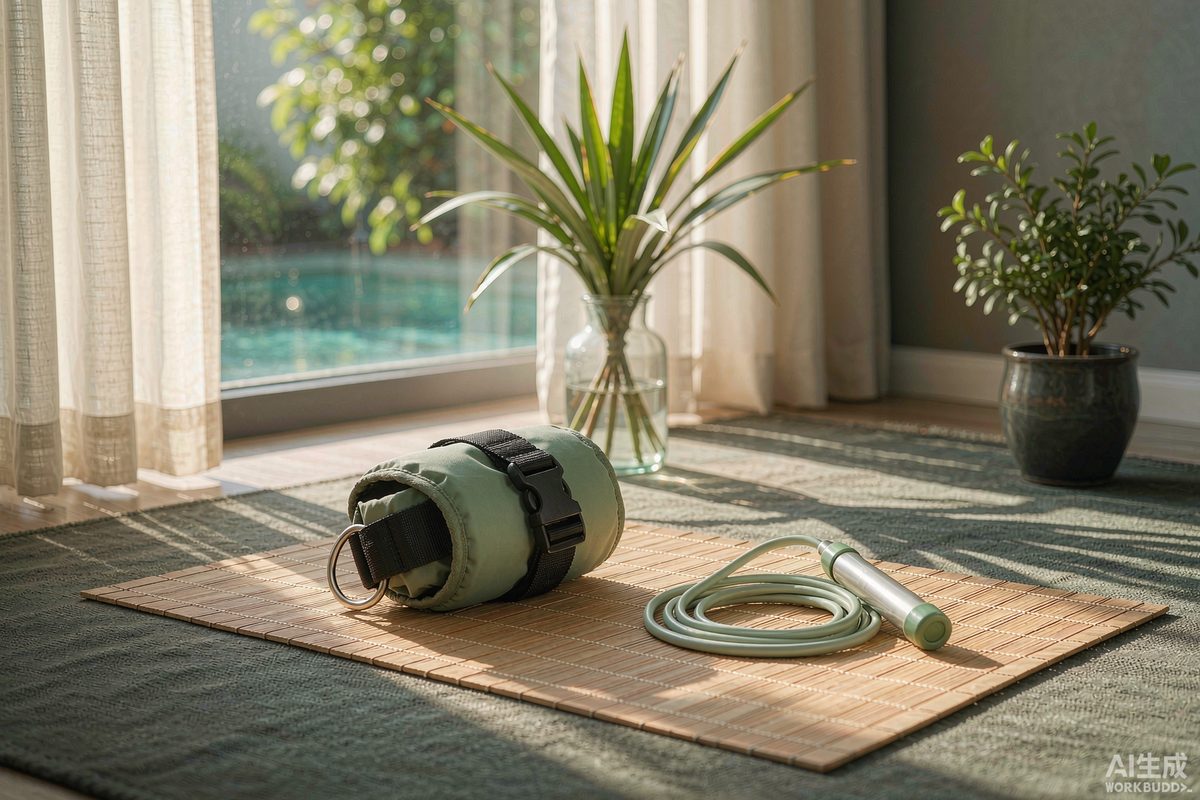
If you buy one recovery tool, it's this. Not because foam rolling is a miracle, but because it's the only thing in the category with a genuine body of research behind it — and the cheapest entry point by a wide margin.
What the evidence says. A 2019 meta-analysis in Frontiers in Physiology pooled twenty-one studies and found that foam rolling has small, mostly modest effects: a slight improvement in sprint performance and flexibility when used before exercise, a small attenuation of soreness and strength loss when used after.
The effects are real but not large — the kind of thing that matters at the edges of a training program, not the kind of thing that transforms one. A 2015 trial in the Journal of Athletic Training found that twenty minutes of rolling after squat-induced soreness reduced muscle tenderness and preserved some dynamic performance.
So the honest summary is: it helps a bit with soreness and stiffness, and it's cheap and easy. That combination is enough.
What it doesn't do. It doesn't break up "fascial adhesions" the way the marketing claims — that's a catchy but largely unproven mechanism. It doesn't meaningfully accelerate muscle repair or restore strength faster. And the idea that more pressure equals more benefit is wrong; grinding on a knobby roller until you're bruised is more likely to irritate than to help.
How to use it. Slow, steady passes over the big muscles — quads, hamstrings, glutes, calves, upper back — spending thirty to sixty seconds per area, staying on the muscle belly and avoiding bones and joints. It should be uncomfortable in a dull, tolerable way, never sharp.
A minute or two per leg after a session is plenty; there's no evidence that twenty minutes is better than five, and the twenty-minute protocol in the studies is a lab artifact, not a prescription.
The TCM read. Rolling is, mechanically, a rough cousin of the manual stimulation along the channels that the classics describe — moving stagnant Qi and Blood through the tissues so the soreness doesn't sit and stiffen. The old texts talk about the sinews being nourished by Blood that reaches them; when a muscle is tight and sore, that flow is sluggish, and the pressure of rolling is a blunt way to push it along.
It's a metaphor layered on top of a mechanism we're still working out, but the practical advice lands in the same place: move the tissues, gently, and the stiffness lets go faster.
- Slow passes, thirty to sixty seconds per area, staying on muscle bellies and off bones and joints. Dull discomfort is fine; sharp pain is not.
- There's no evidence twenty minutes beats five. A minute or two per leg after a session is plenty.
"When the flow of Blood and Qi is obstructed in the sinews, there is stiffness and pain; when it moves freely, the limbs are light and at ease."
The Percussive Massage Gun: Pleasant, Pricey, and Under-Studied
The massage gun is the category's great success story — a handheld percussion device that delivers rapid, repetitive taps to a muscle, and a marketing machine that convinced millions of people their workouts are incomplete without one. It is genuinely pleasant to use. Whether it does much beyond feeling pleasant is a more open question than the box suggests.
What the evidence says. Less than you'd hope. A handful of small studies suggest percussive massage may improve short-term range of motion and perceived stiffness, but the work on actual recovery — strength restoration, soreness reduction over days — is sparse and mixed.
Where it has been compared directly against foam rolling for delayed-onset muscle soreness, the picture favors the roller for measurable stiffness and tone outcomes. The guns are newer, the research hasn't caught up, and what exists doesn't yet justify the price premium or the grander claims.
What it does do. It feels good, and "feels good" is not nothing. A few minutes of percussion on tight traps or a tired calf before bed can be a genuinely relaxing ritual, and there's a real argument that anything that gets you to lie still, breathe, and attend to your body for ten minutes is doing recovery-adjacent work — the parasympathetic side of the ledger, the Yin half of the equation.
Who should buy it. People who want the ritual and can afford it, and who understand it's a comfort purchase, not a performance investment. If you're choosing between a massage gun and better sleep hygiene, the sleep wins, and it's not close.
The TCM read. Percussion along a sore muscle is a modern, mechanized version of the percussive techniques in some manual therapy traditions — and, at a stretch, of the tapping and patting used in some qigong self-massage routines to wake up the surface and move stagnant Qi. But the honest framing is that the tradition's deeper tools for stagnation were herbal and needling, not mechanical vibration.
The gun is a convenience, not a classical instrument.
- The evidence for performance recovery is thin. Treat a massage gun as a comfort ritual that may help stiffness, not a scientific recovery accelerator.
- Between a massage gun and better sleep, the sleep wins, and it isn't close.
Compression Sleeves: The Most Contested Tool in the Category
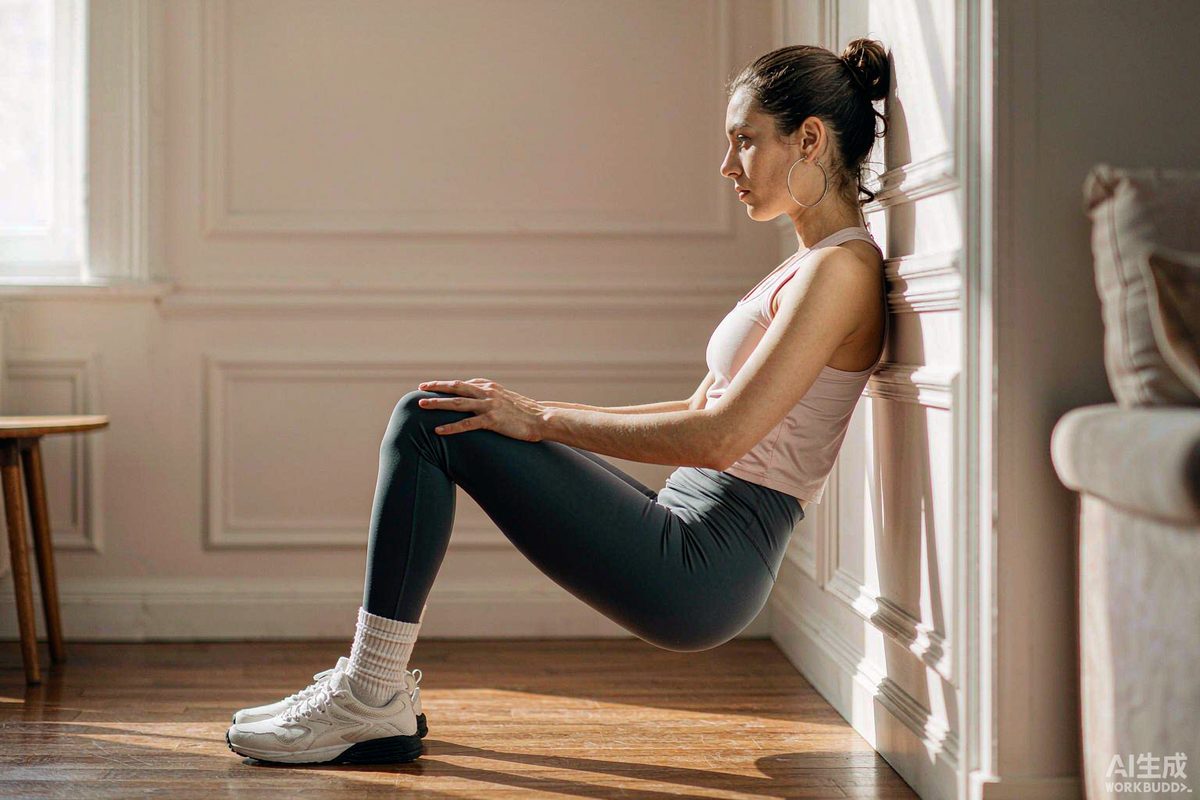
Compression garments are where the recovery research gets genuinely messy, and they're worth understanding precisely because the marketing is so confident while the science is so divided.
What the evidence says — both directions. A 2013 meta-analysis in the British Journal of Sports Medicine pooled twelve studies and found compression garments had a moderate effect on reducing soreness, strength loss, power loss, and creatine kinase after damaging exercise. So far so good.
But a 2022 meta-analysis in Sports Medicine, using what its authors argued was a more accurate statistical model, concluded that compression garments do not meaningfully speed strength recovery at all, across any time window. Two meta-analyses, two conclusions. That's not unusual in a young field, but it means the confident claim on the package is not backed by consensus.
Where the dust settles, for now. Compression probably does something for perceived soreness — the subjective "how much does it hurt" number — even in the skeptical analyses. Whether it restores measurable strength faster is genuinely unclear, and the 2022 review is a strong argument that it doesn't. For a lifter chasing performance, that's a weak reason to buy.
For someone who's on their feet all day, travels a lot, or has legs that feel heavy and achy, the compression and support can be genuinely comfortable, and comfort is a legitimate thing to buy.
What it doesn't do. It's not doing the deep-tissue repair the marketing implies, and it's not a substitute for the actual recovery levers. Wearing sleeves while you sleep, in particular, is a ritual with almost no evidence behind it beyond the placebo.
The TCM read. There's a loose classical echo in the old practice of binding and wrapping — supporting a weak or achy limb, holding warmth in, keeping cold and draft out. The texts are full of injunctions to protect the limbs from wind and cold, especially when they're depleted from use. A compression sleeve that keeps a tired calf warm and supported is doing a small, mechanical version of that.
It's a modest claim, and it's the honest size of the benefit.
- Two meta-analyses disagree on whether compression restores strength. It probably helps perceived soreness; it probably doesn't speed measurable recovery.
- Buy compression for comfort — travel, long shifts, achy legs — not as a performance investment.
Cold, Heat, and the Rest of the Drawer
The remaining tools — ice baths, heating pads, creams, percussion accessories — deserve a quick, honest pass, because they're common enough that people ask.
Cold. Ice baths and cold plunges are having a cultural moment, and the physiological story is real: cold constricts blood vessels, dulls pain, and bluntly reduces inflammation. The catch is that inflammation is part of the adaptation signal, and there's a credible argument that routinely blunting it after training blunts the very gains you trained for.
The pragmatic middle: use cold for acute pain or a genuinely brutal session when you need to function the next day; don't make it a daily ritual if your goal is long-term adaptation. And never confuse it with sleep, food, and time, which it can't replace.
Heat. A hot bath, a heating pad, a warm compress — these have the opposite profile, and the classical tradition leans heavily on them. TCM's answer to soreness is more often warmth than cold: warm the area, move the Blood, relax the sinews. A warm soak the evening after a hard session is one of the oldest recovery practices there is, and unlike the ice bath, there's little downside beyond the water bill.
Creams and topicals. The menthol and capsaicin creams create a warming or cooling sensation that distracts from soreness — a mild, transient comfort, not a treatment. Some contain ingredients with actual local effects, but the category is dominated by sensation. Fine to use, cheap to try, low expectations.
The unifying point: none of these is a lever. They're dials you can turn for comfort, and comfort matters, but it's a different category from recovery. Keep them in their place.
- Routine cold plunges may blunt the very adaptation you trained for, since inflammation is part of the growth signal. Save cold for acute pain.
- TCM's default answer to soreness is warmth, not cold — a warm soak the evening after a hard session is one of the oldest recovery practices there is.
How to Pick Without Getting Picked Clean
By now the shape of the advice should be clear, but here it is as a decision procedure you can actually run, because the aisle is designed to make you spend before you think.
Start with the three levers, and audit them first. Before you buy anything, write down your sleep hours, your protein and total food intake, and whether you actually take rest days. If any of those three is broken, fix it first — it's free, and it'll do more than every tool in the store combined.
Buying a recovery gadget to paper over a five-hour sleep habit is the category's most common and least productive purchase.
If the levers are solid and you still want a tool, buy the foam roller. It's the cheapest thing in the category, it's the most-studied, and its modest effects are at least real. Skip the knobby, spiked, and vibrating versions — they're a tax on enthusiasm, not an upgrade. A plain high-density cylinder is the honest version.
Only then consider the rest. A massage gun if you want the ritual and can afford it. Compression sleeves if you travel or stand all day. Heat for the evenings. Skip the rest unless you have a specific reason and the disposable income to spare.
And here's the quiet truth the aisle doesn't want you to notice: the best recovery purchases aren't in the recovery aisle at all. A good mattress. Blackout curtains. A food you'll actually cook. A standing-post habit. The things that move the needle are the things that help you sleep deeper, eat enough, and actually rest — and those are mostly bought outside the store, or not bought at all.
- Audit sleep, food, and rest days before buying anything. A recovery gadget can't paper over a broken lever.
- The best recovery purchases aren't in the recovery aisle: a good mattress, blackout curtains, food you'll cook, a standing-post habit.
"The sage in ancient times did not treat those already ill but treated those not yet ill; they governed what was not yet disordered. Treating disease after it has arisen is like forging weapons after the war has begun."
The Drawer I'd Build If I Were Starting Over
People always want the list, so here it is — the whole thing, my honest answer to "what should I actually buy."
One plain foam roller. Six years, a crack, and still the only thing in my drawer I reach for weekly. Buy the dense one, not the fancy one.
One pair of compression socks, if you fly or stand all day. For the comfort, not the science.
One heating pad or a bathtub you'll actually use. Warmth is the classical answer and it has no real downside.
And then: nothing else. Not the gun (borrow a friend's and feel the novelty wear off), not the boots, not the sleeves for sleeping, not the vibrating roller, not the cold plunge tank that costs as much as a used car. The money those would cost, spent instead on a better mattress or a few months of real food, will do more for your training than all of it combined.
There's a line in the Inner Canon that keeps coming back to me when I look at that drawer: the sage treats what is not yet disordered. The best recovery isn't a product you buy after you're wrecked. It's the boring discipline of sleeping, eating, and resting before you ever need the product. The tools are the finish. The levers are the engine. Spend your money, and your attention, accordingly.
- My actual drawer: one plain foam roller, one pair of compression socks, one heating pad — and nothing else earns its keep.
- The money you'd spend on the fancy tools does more for your training if it goes to a better mattress and real food.