Two Sleeps, Not One
The prescription is called 子午觉 — zi-wu jiao, the Zi-Wu sleep — named for two of the twelve two-hour watches into which classical Chinese medicine divides the day. The Zi watch runs from eleven at night to one in the morning. The Wu watch runs from eleven in the morning to one in the afternoon. The instruction attached to those two hours is blunt: be asleep during the first, be resting during the second. 子时大睡,午时小憩.
Big sleep at Zi, small nap at Wu. A long sleep aligned with darkness, a short one at midday, and the day's energy ledger balanced between them.
Most modern sleep advice treats the nap as an optional accessory, a weekend luxury at best. The classical framing is stranger and more interesting. Wake and sleep are tides of one system. Defensive Yang Qi, the Wei Qi, patrols the surface of the body by day; at night it sinks inward to nourish the interior, and consciousness follows it in. Noon is the crest of the outward tide — Yang at full height, about to turn.
Midnight is the flood of Yin. Both hinges, the tradition says, cost you if you spend them upright and busy: burn through the noon crest and the afternoon belongs to fog and friction; refuse the midnight dive and no amount of weekend recovery buys the night back.
You can set all of that aside as pre-scientific poetry and something survives: the schedule it produces matches what chronobiology laboratories have measured for decades. Humans are biphasic by default. Alertness dips hard in the early afternoon whether or not you ate lunch, and the strongest, least negotiable sleep window sits in the hours around midnight. The old rule puts one sleep on each of those curves.
This article walks the whole doctrine. What actually happens at the Wu hour, what controlled studies say about nap length, what a twenty-three-thousand-person Greek cohort found about siestas and hearts, where the evidence turns muddy, and how to run the thing inside a working day that was never designed for it.
The Afternoon Dip Was Never Only About Lunch
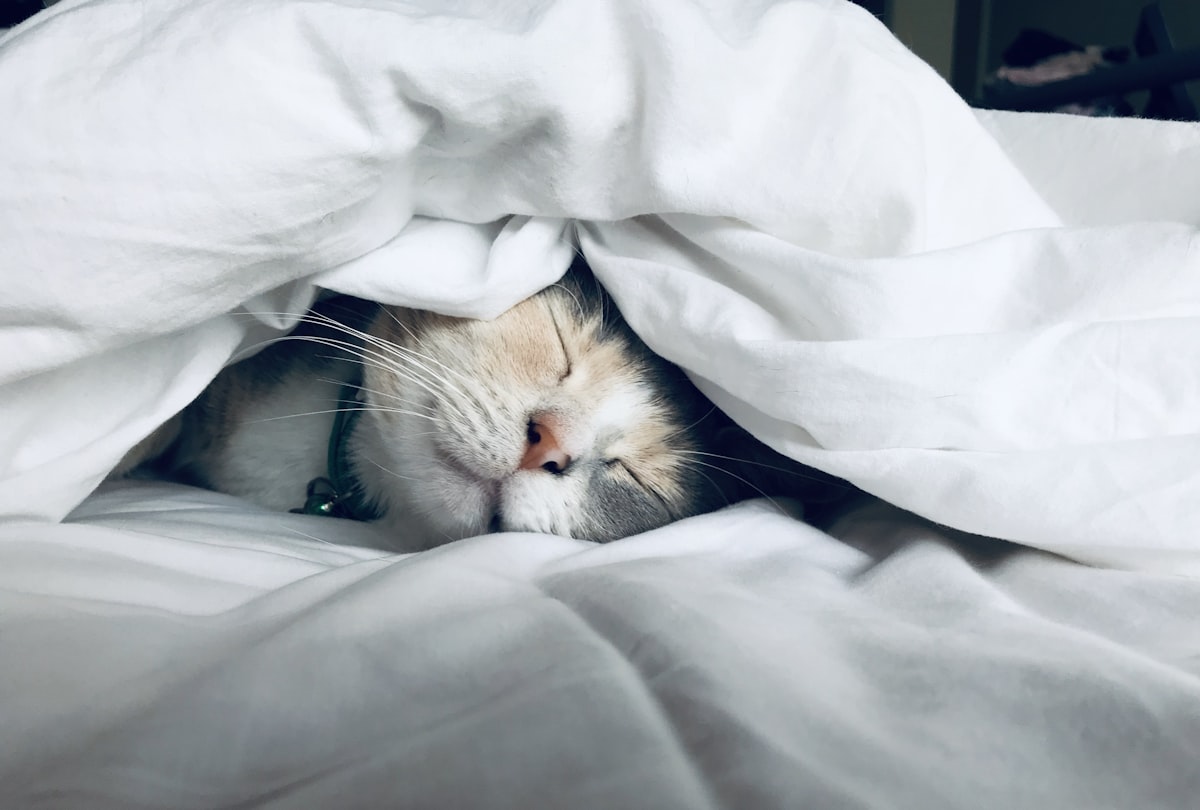
Everyone blames the sandwich. The sandwich is mostly innocent. Researchers have run the classic experiment — keep people awake through the early afternoon with no lunch at all — and the dip still arrives, right on schedule, somewhere between one and three. Alertness sags, reaction times stretch, and the effort needed to stay on task quietly doubles.
The same curve shows up in shift-work accident data, where the two peaks for human-error crashes are the deep of night and, at a distance, mid-afternoon.
What is happening is a second, smaller version of the nighttime drop in core body temperature. Across twenty-four hours, temperature does not sit flat; it rises through the morning, peaks in early evening, and falls toward its nadir near four or five in the morning.
Folded into that arc is a shallow secondary dip in the early afternoon — a remnant, several sleep researchers argue, of the biphasic sleep pattern humans held before electric light and nine-to-five schedules pushed the midday sleep out of respectable life.
Cultures that never fully suppressed it built vocabulary around it: the Spanish siesta, the Italian riposo, the Chinese 午休 that still closes schools and shops for a stretch of early afternoon in many cities.
The Wu watch — eleven to one — sits slightly ahead of the measured dip, which usually bottoms out between one and three. Close enough. The tradition placed its small sleep on the same stretch of clock the physiology would eventually chart, and it did so with no laboratories at all.
One honest qualification: the dip is not the same weight for everyone. Well-slept people on a stable schedule feel it as a gentle thinning of attention. People running on five or six hours feel it as a wall. And a heavy or large lunch adds a real metabolic load on top — the meal is an amplifier, not the cause. If your afternoons feel like wading, the first variable to check is the night before, not the menu.
Ten Minutes Beats Half an Hour
The most useful nap study ever run was small, careful, and slightly counterintuitive. Amber Brooks and Leon Lack at Flinders University restricted people to about five hours of night sleep, then handed them afternoon naps of five, ten, twenty, or thirty minutes, against a no-nap control. Every participant tried every condition. Then the team measured alertness, fatigue, and cognitive performance for hours afterward.
The ten-minute nap won outright. It improved every outcome measured, immediately, and the benefits held for as long as 155 minutes — the whole afternoon, in effect. The twenty-minute nap also helped, but its improvements took about 35 minutes to show up after waking, a delayed fuse.
The thirty-minute nap did something worse: it produced a stretch of grogginess right after waking — sleep inertia, the heavy-headed hangover of dropping into deeper sleep and getting yanked back — before its benefits eventually arrived. Five minutes did almost nothing.
Field data from the margins agrees. NASA's famous cockpit-rest studies found that a planned 26-minute nap for long-haul pilots improved performance by double digits and cut dozing on the flight deck dramatically — but note the word planned.
The nap was scheduled, capped, and taken before exhaustion arrived, which is precisely how the classical tradition frames the Wu rest: a small deposit made at the hinge of the day, not a debt repaid after collapse.
Translate it into a lunch break and the arithmetic is kind. You do not need a bed, a dark room, or an hour. Ten to twenty minutes of sleep — or even quiet, eyes-closed rest if sleep will not come — lands most of the benefit with almost no inertia, provided you cap it.
The moment a 'quick nap' drifts past thirty minutes, you have bought yourself a slow, foggy re-entry and, if it ran late enough, a night of harder sleep onset. The nap that helps is the one that ends on purpose.
Running a Wu-Hour Nap in a Working Day
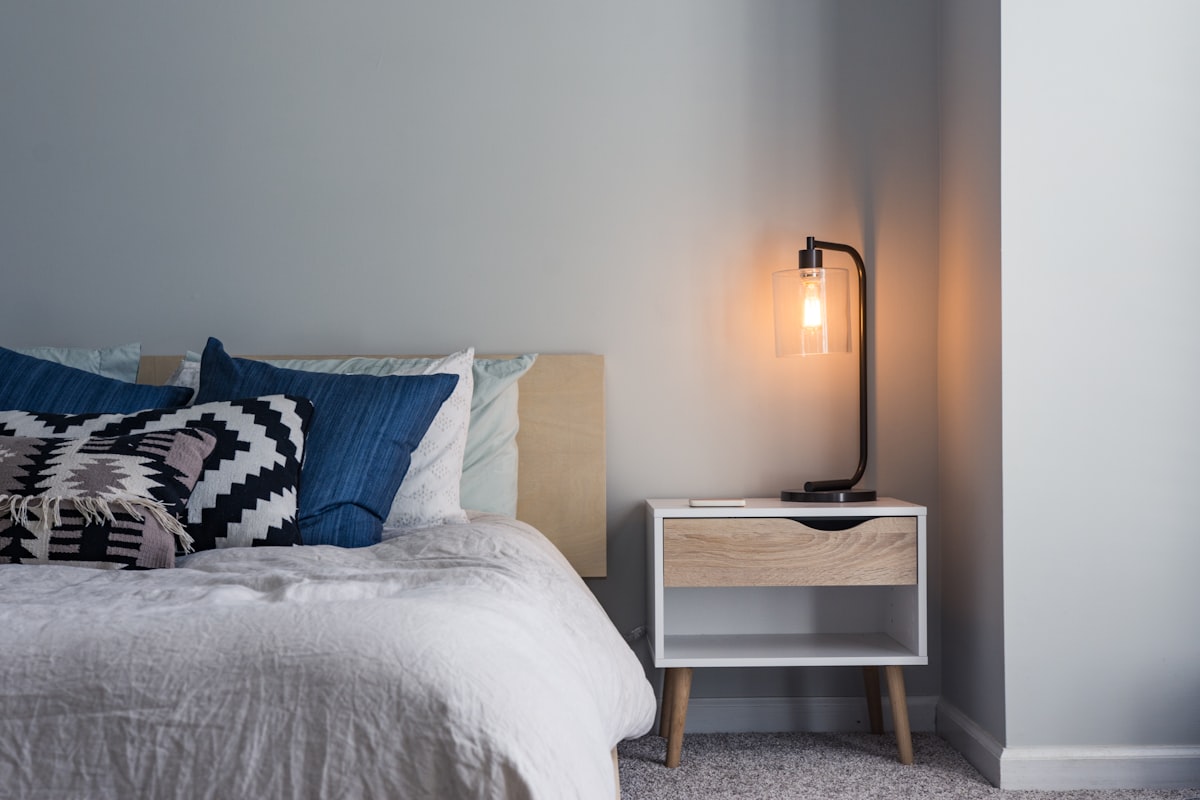
Knowing the optimal dose changes nothing unless the dose fits inside your actual Tuesday. Most readers of this site do not control their afternoons; they control a lunch break and maybe a parked car. So the practical version of the Wu-hour rest is deliberately small and portable. It needs four things: a timer, something to darken, somewhere to recline, and permission — the last one being the scarcest.
Set the timer for twenty minutes, not thirty. If you fall asleep within ten, you still bank a full brief nap; if you lie awake the whole time, you have still dropped arousal a level or two, which is not nothing on a stressed afternoon. Lie down if you can — a couch, a floor, a reclined seat — because slumping forward over a desk fights the neck and delivers maybe a third of the value.
Eyes closed, mask or sleeve over them if the room is bright, phone on do-not-disturb and face down where you cannot see notifications arrive.
Two cautions belong here, and they matter more than any tip. First, timing: keep the nap between roughly 1:00 and 2:30 PM. A five o'clock nap is a bedtime leak; it drains sleep pressure the night still needs. Second, diagnosis: if you regularly cannot fall asleep at night, skip midday napping entirely for now.
Naps and insomnia draw on the same reservoir of sleep pressure, and an insomniac who naps at noon is lending the night's fuel to the afternoon. There is also the honesty clause from the research side — if the need to nap is new, heavy, and daily, that is a symptom to raise with a doctor, not a habit to optimize.
If sleep will not come, do not chase it. The classical formulation never demanded unconsciousness at noon; it asked for stillness. Closed eyes, slowed breath, a body horizontal for twenty minutes — the physiology of that is closer to the nap's benefit than most people assume.
- Set a timer for 20 minutes, placed across the room so getting up is part of waking.
- Aim the nap between 1:00 and 2:30 PM — later naps start stealing sleep pressure from the night.
- Recline if at all possible; a U-shaped pillow in a car seat or office chair beats a desk slump.
- Darkness first, silence second — a contoured eye mask does more for a short nap than earplugs for most people.
- No sleep tonight? Then no nap experiment this week. Protect the night's sleep pressure first.
"Big sleep at the Zi hour, small rest at the Wu hour — the day has two doors, and both are meant to be used."
What the Greek Cohort Actually Found
Every few years a headline rediscovers the siesta study: regular naps cut heart deaths by more than a third. The study is real and worth reading closely. In 2007, Androniki Naska and colleagues reported on 23,681 Greek adults from the EPIC cohort — all healthy at enrollment, no history of heart disease, stroke, or cancer — followed for an average of about six and a third years.
That is 133 coronary deaths to analyze and, importantly, detailed data on diet, exercise, smoking, and activity to adjust for.
66 — a third lower than non-nappers after adjustment. 63. And the effect concentrated sharply in working men, whose reduction reached 64 percent, while retirees showed a weaker signal. The authors' own interpretation was cautious and specific: in a healthy person, a midday siesta may act as a stress-release valve, and the occupational pattern — strongest benefit for those bearing job stress — fits that reading.
Now the boundary line, which the headlines never carry. This is observational. People who nap systematically in a Mediterranean cohort are not interchangeable with people who do not; habits travel with income, culture, workload, and a hundred unmeasured things.
The analysis adjusted for the big confounders, but adjustment is not randomization, and later studies in other populations — particularly older cohorts — have found napping associated with worse outcomes, not better. Both sets of findings can be true, because a planned 20-minute noon rest and an hour of daytime dozing driven by a sick body are different animals wearing the same word.
One coincidence we enjoy too much to omit: the Neijing's organ clock assigns the Heart — the organ of Fire — to the Wu hour. The Greek endpoint was coronary mortality. The tradition pointed its midday rest at the heart two thousand years before the cohort. That is not evidence. It is a tidy rhyme, and we are honest enough to say so.
The Nap Paradox, Stated Honestly
Here is where this topic gets uncomfortable, and where a lot of wellness writing goes quiet. Sleep researchers have a name for the problem: the nap paradox, laid out plainly in Janna Mantua and Rebecca Spencer's 2017 review.
On one side, the benefits are solid — midday naps reliably improve alertness, memory consolidation, executive function, emotional regulation, and even prepare the brain to learn new material, and those benefits show up in people who slept a full night beforehand.
On the other side, frequent napping, especially in older adults, keeps turning up in studies associated with worse outcomes: cognitive decline, hypertension, diabetes, higher mortality.
How can the same behavior sit on both ledgers? Several partial answers. Reverse causation is the leading one — illness causes fatigue, and fatigued people nap, so the nap may be the smoke, not the fire. There is also an inflammation hypothesis: some data link frequent napping to elevated C-reactive protein, a general marker of inflammation, though the direction of the arrow is unresolved.
And there is the dose problem again: the longevity-friendly studies describe brief, early, deliberate naps, while the worrying studies tend to capture long, late, or compulsive daytime sleep.
Mantua and Spencer's conclusion deserves quoting in spirit if not in full: it may be premature to prescribe naps as a health enhancer. We agree, and we will not pretend otherwise. What the evidence licenses is narrower: a short, early, intentional rest is a reliable tool for afternoon alertness, and the siesta cultures that practice it show some encouraging heart-health signals.
What it does not license is promising that naps will extend your life.
And a boundary we would rather state once, clearly, than dance around: if daytime sleepiness is new for you, heavy, and arriving whether or not you slept, treat the nap question as a medical question. Sleep apnea, thyroid problems, depression, and medication effects all announce themselves through afternoon exhaustion first. The nap is for the healthy-afternoon dip.
It is not a diagnostic tool, and it should never become a way of not noticing what your body is trying to report.
The Zi Half of the Bargain
A noon nap article that never mentions the other half would be selling the smaller product. In the classical ordering, 子时大睡 is the headline — the big sleep at the Zi watch, eleven to one at night — and 午时小憩 is its junior partner.
The Neijing's account of why is the Wei Qi tide we opened with: at nightfall the defensive Yang sinks from the surface into the interior, consciousness goes with it, and the hours around midnight are when the dive is deepest. Miss the dive — push the Yang to keep running screens, conversations, or worries at eleven, midnight, one — and the tradition says you are spending Yin you cannot easily earn back.
The organ-clock layer goes further: the Zi watch belongs to the Gallbladder, the following watch to the Liver, and the classical texts describe these as the hours when bile is decided and blood is stored — the Liver storing and cleansing the blood during sleep, so that waking function has something to draw on. We present that as the tradition's own model of night work, not as verified physiology.
What modern sleep science puts on the same stretch of clock is different in mechanism and similar in verdict: the deepest, most slow-wave-rich sleep clusters early in the night, growth hormone pulses ride that sleep, and a consistent lights-out time anchors the whole circadian system more than any other single habit.
Which brings the two halves together. A twenty-minute noon nap is a genuine tool, and it is also — arithmetic is unforgiving here — about one twenty-fourth of what a five-hour night is missing. Naps do not repay sleep debt; they trim the interest. The person we worry about is not the one adding a Wu-hour rest to a decent night, but the one using it to make a chronically short night feel survivable, week after week.
The classical rule never offered that trade. It asked for the big sleep and the small rest, in that order, and it would have regarded the second as a poor excuse for dodging the first.
"To skip sleep at the Zi hour drains the Yin; to skip rest at the Wu hour injures the Yang."
Start With the Noon Half
Grand scheduling theories fail on Mondays. So the practical end of this article is one assignment, this week, once: pick a lunch, put the phone in a bag, set a timer for twenty minutes, close your eyes, and see what happens. Expect nothing the first three times.
Dropping arousal on purpose is a skill, and like all skills it starts out clumsy — you will rehearse your inbox, hear every pipe in the building, and check the timer twice. The editor whose log opened this article needed nine days before a nap happened without negotiation.
There is something worth noticing in how normal this is elsewhere. Chinese schools still build 午休 into the day as a matter of course, heads down on desks after lunch; Spanish towns still pull their shutters for the early afternoon, though the siesta retreats a little more each decade under the pressure of modern office hours.
Two large civilizations looked at the same afternoon curve the labs would later chart and reached the same verdict: you do not defeat the dip, you rest through it.
Whether a modern workplace can ever allow that is a fairer question than any of the physiology. The evidence says the tool works; the calendar says most of us get fifty minutes, one of which involves eating. So start with what fits. Twenty minutes, early in the noon stretch, eyes closed, no apology. And tonight, the other half of the rule: lights out on purpose, at a time that makes the Zi watch yours.
The nap is the junior partner. Let it stay one — and let the afternoon prove it to you, one timer at a time.