A Category Built Around One Sentence
The sentence, from our companion health article: an urge to move the legs that shows up at rest, worsens at night, and grants relief only while the moving lasts. Restless legs syndrome, in practice, is the reason this hardware exists.
People who pace their hallway at eleven each night eventually go looking for something that lets them sit through a film, and the market has answers — air-compression boots, pressure socks, heated wraps, magnesium creams, vibrating pads, plus a long tail of gadgets promising electromagnetic miracles.
Sorting that shelf honestly requires saying up front what the evidence supports, because the honest answer is unusual for a product category: one device type has a genuine blinded trial behind it, one has a decent randomized study with a twist, and the rest run on plausibility and ritual.
That is not a complaint, exactly. Sleep hardware has always sold a mixture of mechanism and ceremony, and the classical tradition we keep returning to on this site would shrug at the distinction — the Suwen's chapter on regional treatments insists that therapy is matched to person and circumstance, never one method for all, which is close to a license for individual experimentation as long as nobody overpays for it.
So the plan for this piece: each pick gets the evidence it actually has, the specs that matter, and the failure modes we would want to know before clicking buy. Where a tool's story is weaker than its marketing, the gap gets stated in plain words.
And because two of the three picks apply pressure to legs, the standard medical caveat arrives early rather than late: circulation conditions, heart failure, and pregnancy all change the calculus, and a two-minute question to a clinician is cheaper than any mistake.
A word on how we tested what could be tested: the compression massager that started this whole investigation ran its cycles on our own reviewer's legs for two weeks (borrowed, then returned), and the notes from that fortnight — noise level, sleeve fit on two different calf sizes, how the controller survived being knocked off a nightstand — are folded into the spec comments below.
What we could not test, we traced to the trials instead. That division of labor is deliberate: comfort is testable at home; efficacy claims are not, and pretending otherwise is how a $120 device ends up as the most expensive laundry rack in the house.
- None of these tools treats the causes of restless legs — the iron story and the medication review in our companion article sit upstream of everything here.
Air Boots: The Best-Evidenced Hardware in the Drawer

The 2009 Chest trial deserves its paragraph. Thirty-five people with restless legs, randomized to a real pneumatic compression device or a sham, wearing the hardware at least an hour daily before their usual symptom onset. Neither the participants nor the outcome assessors knew who had the working unit.
After a month, severity scores in the treatment group had dropped from an average of about 14 to about 8 on the standard scale, sleepiness and fatigue improved, and — the detail that keeps the study quotable — complete relief showed up in a third of the treatment group and zero of the sham group. Small trial, real signal, decent controls.
The consumer versions of this idea are the sequential leg massagers: sleeves with air chambers that inflate in waves from ankle to knee, squeeze, release, and repeat. Our pick above follows the trial's recipe — sequential chambers, a session before the trigger hour, sized by calf measurement.
The vascular theory underneath is sensible: drain the pooled venous blood that accumulates during a day of sitting, and the evening stillness has less to complain about. It also rhymes, independently, with the observation that restless legs travels with venous insufficiency more often than chance would predict.
Now the footnotes. Thirty-five participants is a pilot with confidence, not a proof with certainty; no independent replication of that scale has made the rounds since; and the devices in the trial were medical units, not consumer boots, so the translation assumes a decent consumer version can approximate the cycle. The pump makes noise — run the session while reading, an hour before bed.
And the contraindication list is not decorative: anyone with a history of deep vein thrombosis, severe arterial disease, or heart failure needs medical clearance before any compression, because squeezing legs is only benign when the plumbing upstream can handle it. On daily practicality: the consumer units divide into hose-and-pump designs and cordless sleeve designs, and the trade is exactly what you would guess.
Hosed units hold pressure more consistently and cost less; cordless ones let you pace the kitchen while the sleeves cycle, which matters more than it sounds, because the urge to move does not respect a charging cable.
Whichever style you choose, check the sleeve's upper edge — a stiff band digging into the back of the knee for an hour is the complaint that shows up most in otherwise positive reviews, and it is a sizing problem wearing a comfort costume.
- If you buy one, run the trial honestly: one hour daily, before your usual symptom window, for a month — then compare against your symptom diary before deciding it failed.
Socks With Numbers On Them
Compression stockings are the low-tech cousin, and their trial comes with a twist worth retelling. The 2024 study enrolled 63 pregnant women with restless legs — a population where the syndrome is common and drug options are deliberately scarce. One group wore graduated compression stockings from morning until bedtime for three weeks; the control group wore identical-looking placebo stockings with no real pressure.
Both groups improved, which is the twist: the ritual of putting something on your legs each morning, with the expectation attached, does measurable work. But the graduated group improved more on the symptom scale, and faster — benefits appeared within roughly four days against about five for placebo.
The protocol detail that matters most is timing. These are daytime tools. Pressure applied while upright means less venous pooling by evening, which is the entire mechanism; wearing them in bed accomplishes little and the trial knew it. Readers who buy compression socks and report no difference often turn out to be wearing them at night — a costly misunderstanding that five minutes of label reading prevents.
Specs are less negotiable than most sock categories. The graduation needs a printed millimeter-of-mercury rating (15-20 mmHg is the standard over-the-counter band), the length needs to cover the calf, and the sizing needs to come from a calf circumference chart rather than shoe size — the two most common failure modes, sagging and denting, are both sizing failures.
Comfort note for warm sleepers: synthetic-heavy pairs run hot, and a merino blend costs a little more and complains less. Two pairs minimum; you will be wearing them daily, and the wash rotation is the habit that survives contact with real life. A fair question from the skeptical reader: if a placebo sock did nearly as well as the real one, why pay for the graduated version at all? The honest answer has two layers.
Statistically, the graduated pair beat the placebo on the symptom score, and the gap, while not enormous, was consistent. Practically, the placebo effect is not a refundable deposit — it delivered real improvement to real people, and the graduated sock layers its mechanical contribution on top of whatever the ritual contributes. You are buying both.
That is unusual in a product category and worth saying without embarrassment: in this aisle, the ceremony and the mechanism arrive in the same box, and the trial measured them arriving together.
- Put the socks on in the morning before getting out of bed if you can — legs are least swollen then, and the graduated profile does its best work from the first hour upright.
Heat: The Cheapest Experiment You Will Run
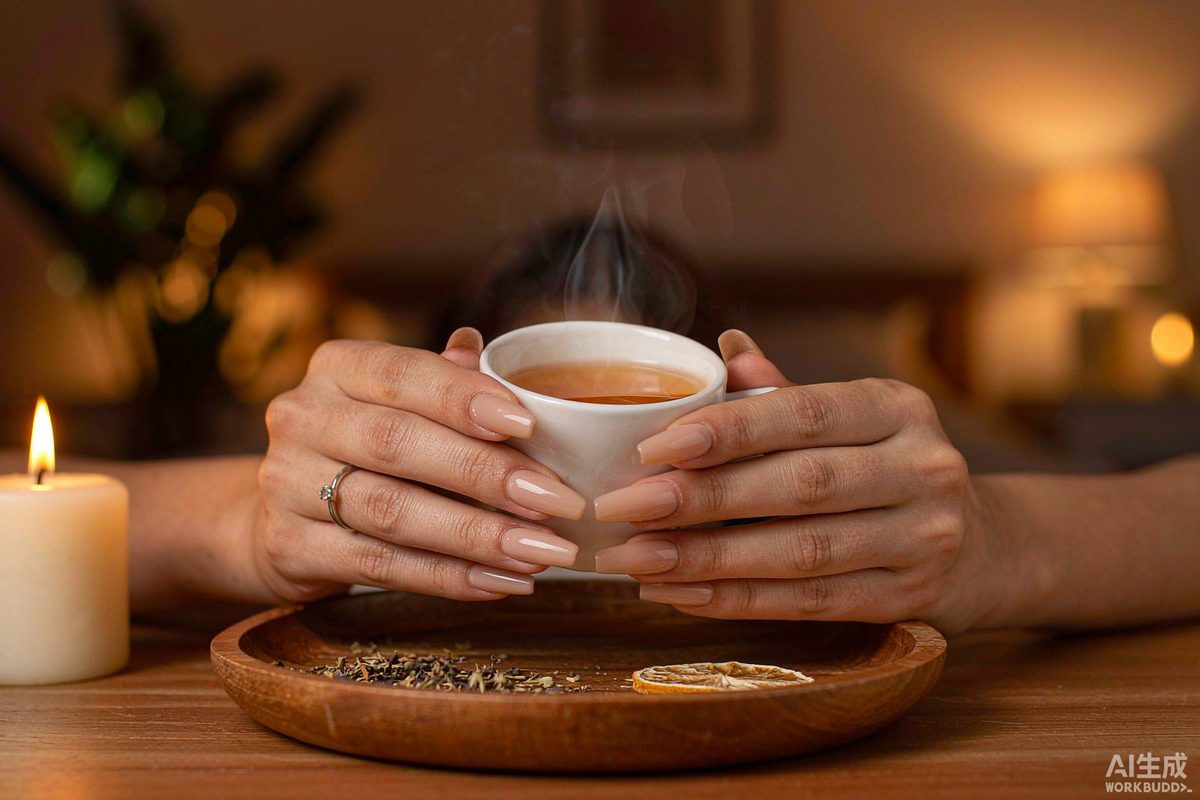
Temperature is where this category gets honest about individuality. The descriptive literature on restless legs records both camps in nearly every survey: patients who describe a warm bath as the most reliable quieting trick they own, and patients who report that heat makes the buzzing worse and that cool — a cold floor, chilled sheets, a frozen water bottle under the arch — is what settles them.
No biomarker predicts which camp anyone joins. The only published method is the two-week trial, on yourself, with tracking.
Hence the heated wrap: the least expensive way to run that experiment properly. A flexible electric wrap around the calves, three heat settings, a 20-minute auto-shutoff, tested nightly against a cool alternative for a fortnight. The winner earns a permanent slot in the wind-down; the loser goes in the closet without guilt.
Thirty dollars is a fair price for that information, which is more than can be said for most thirty-dollar sleep purchases.
What heat is not: treatment. No trial has shown electric warmth changing restless legs severity scores, and the warm-bath reports in the clinical literature are patient descriptions, not endpoint data. There is a published study of near-infrared light showing symptom improvement, but that is a different physical mechanism from a heating element, and no amount of marketing language converts one into the other.
If a heated wrap product cites infrared studies at you, the citation is doing decorative work.
One safety line belongs here because electric bedding is where people get casual: never fold a heating wrap back on itself while powered, never use one with numbness you cannot feel past, and the auto-shutoff is not a suggestion — it is the difference between a wind-down and a burn.
- Run the heat-versus-cool trial against your symptom diary, not your memory. Two weeks, alternating nights, one line per night. Memory will swear both worked.
Magnesium Creams, Sprays, and the Fine Print
The magnesium shelf deserves its own section because its evidence has been quietly repurposed.
The serious study behind the claim — a 1998 open pilot in the journal Sleep — gave oral magnesium to ten people with mild-to-moderate restless legs or related periodic leg movements, and after four to six weeks, leg movements associated with arousals dropped significantly and sleep efficiency improved from about 75 to 85 percent.
Encouraging, with two caveats the supplement industry's packaging tends to drop: ten people, and no placebo arm. Open pilots run hot by design — expectation is uncontrolled — and the authors said so themselves in the paper.
Then the leap: the products on the shelf are mostly topical. Lotions, oils, sprays applied to the skin, sold under the umbrella of that oral study. Transdermal magnesium absorption is a genuinely unsettled question, and no trial of magnesium cream or spray in restless legs has surfaced that we can point to.
The honest position: the oral evidence is small and old; the topical evidence is essentially absent; and the two are sold as interchangeable when they are not the same experiment.
Where does that leave the buyer? If you enjoy the massage ritual that applying a lotion imposes — five minutes of kneading the calves before bed — you are buying the massage with a mineral attached, and the classical tradition would not sneeze at kneading as therapy. If you want the compound itself, that is a conversation with a clinician about oral dosing and your kidneys, not a checkout decision.
What we would not do is stack a cream, an oral supplement, and a fortified drink and call the combination evidence-based; the doses stop being knowable. There is also a quieter reason the magnesium shelf keeps growing: restless legs self-treatment is desperate work, done at midnight, and a lotion is the cheapest thing within reach that feels like doing something.
Sympathy for the impulse is warranted — this site's editors have made similar midnight purchases — but the pattern to avoid is the supplement ladder, where each disappointed product is replaced by a stronger claim and a higher price instead of a ferritin test. One jar, one honest two-week trial, one line in the diary.
If the legs still vote against it, the answer was never in the jar, and the bloodwork conversation waits.
- If you try oral magnesium at all, do it with medical sign-off — especially with kidney issues — and give the 1998 study's own framing more weight than the label's.
What We Would Not Buy
Some shelf-clearing, in the spirit of saving you returns. First, the sedating antihistamine sleep aids that lurk beside the leg gadgets in the same aisle: diphenhydramine and doxylamine are recurrent offenders in restless legs reports, and a tablet taken for sleep can light the legs up precisely when you wanted them quiet. Check the label of anything sold as nighttime relief.
Second, the miracle-tier electronics — electromagnetic field pads, ionic foot detox trays, vibrating platforms promising cellular restoration. None cites restless legs trial data because none has it. The vibrating pad tier is a special case: strong vibration feels dramatic, and dramatic can be a distraction ritual, but there is no evidence tier between anecdote and invoice.
Third, the leg-elevation wedge marketed at restless legs specifically. Elevation is a sensible maneuver for genuine venous pooling, and pillows exist for that, but passive elevation without compression does little for most people's symptoms — the air-boots trial worked by active cycling, not by propping.
If you already own a wedge for reflux, feel free to keep using it; buying one for the legs is a solution in search of a problem.
Finally, the bar of soap between the sheets. We mention it because patients mention it, affectionately, and because its persistence in an evidence-free state is a useful calibration: rituals can be real for the person running them even when the mechanism is fiction. If a bar of lavender soap in the foot of the bed costs two dollars and your evenings improve, the tradition has no complaint.
Just do not let anyone sell you a twelve-dollar artisanal version with a mechanism story attached. One more category edge deserves a mention: weighted blankets keep surfacing in restless legs forums, and they are a genuinely mixed case.
Deep pressure is soothing for many sleepers and this site has reviewed weighted blankets on their own merits, but the restless-legs-specific reports split — some readers describe the weight as calming, others as one more thing pressing on legs that want to move. If you already own one, let your diary rule.
If you are buying one specifically for this condition, borrow before you buy; the return shipping on a twenty-pound disappointment is its own small penalty.
- Before any gadget purchase, run the free interventions from the companion article: an iron test, a medication review, scheduled daytime walking. Hardware works best on top of those, not instead of them.
How to Sequence the Purchases
If the whole category is on the table, order matters more than quality. Start with the compression socks — cheapest, best-tolerated, with the only randomized evidence that runs day-to-day, and a four-day feedback loop that makes them the fastest experiment to evaluate. Wear them days, off at bedtime, symptom diary in hand. Two weeks in, you will know whether venous pressure is your lever.
Second, the heated wrap trial, heat against cool, another two weeks. This costs almost nothing and settles the temperature question permanently, which is worth having settled before anyone upsells you a $200 temperature-regulating mattress pad.
Third, and only if symptoms are persistent and the diary shows real nightly disruption, the pneumatic massager — the biggest spend, backed by the best trial in the category, and worth running for a full month exactly as the study structured it: an hour before the trigger window, daily, no skipped nights in the evaluation fortnight.
Buy from a retailer with a real return window; hoses and controllers are the failure points, and a month of use is what reveals them.
And beneath all three, the upstream items from the companion article stay non-negotiable: ferritin on file, medicine cabinet reviewed, movement scheduled before the evening. The classical brief for every device on this page is the same two-thousand-year-old sentence — the foot, given blood, can step.
The hardware's job is modest by comparison: keep the evening still enough, and comfortable enough, that the blood the body has can finish its work. Some nights, that turns out to be the whole game. And if every experiment above comes back flat — no sock, no wrap, no air boots moves the needle — that is a finding too, not a failure.
Persistent nightly symptoms that shrug off a fair trial of three interventions are exactly the picture that warrants the prescription tier: newer medications, supervised iron infusions, and a sleep-medicine workup that can rule out the secondary causes this article could only name. The tools in this piece are the opening moves.
The point of running them in order is not to avoid the specialist — it is to arrive at the specialist's office with data, a diary, and a shortlist of what has already been tried, which is how the appointment turns into a plan instead of another beginning.
- Track every purchase against the same two-week symptom diary. The diary is the only referee that does not work on commission.