The Nine-Hour Hangover
There is a particular morning state that follows a ten-hour night: the body heavy, the head wrapped in gauze, the will to stand up arriving late and unconvincing. People who sleep seven hours rarely meet it. People who sleep through two alarms know it well. The common name is sleep inertia, and its cruel joke is that it tends to visit precisely those who gave sleep the most.
Oversleeping is an awkward topic in a culture that treats sleep as a scarce resource to be hoarded. Most public advice concerns getting enough — seven to nine hours for adults, as the standard ranges go — and the advice is right, as far as it goes. A large share of adults run short, and the costs of that shortage show up in everything from driving records to glucose tolerance.
But the research record has a second tail, and it has been visible for a long time. In study after study, the people reporting the longest habitual sleep do not outperform the middle of the distribution. They sit at the other end of the U, carrying risks that look uncomfortably like the ones short sleep carries, plus a few of their own.
This article is about that other tail. What actually happens in a body that stays horizontal for ten hours — to the sleep itself, to the waking brain, to the day's energy. And what a line written some two thousand years ago, jiu wo shang qi, 'prolonged lying damages the qi,' was noticing about the same phenomenon without polysomnography, cohorts, or a word for REM.
One distinction before anything else. A ten-hour night after a hard week is not the subject here. Neither is the long sleep of a teenager mid-growth-spurt, or of someone fighting an infection. The subject is the habitual pattern — most nights, for months — of sleeping well past what the seven-to-nine range describes, and feeling worse for it.
- A ten-hour night after a short week is recovery; ten hours most nights for months is the pattern this article examines.
- The research on sleep duration is U-shaped: both tails carry risk, and the long tail has its own distinct story.
"Sleep does not follow the arithmetic of money. More deposited does not mean more earned."
What the Big Cohorts Found
3 million adults. Short sleep — habitually under about six hours — predicted higher all-cause mortality, as expected. So did long sleep, habitually nine hours or more, and the association on that side was if anything steeper: roughly a thirty percent elevation in risk relative to the seven-hour middle. The authors were careful, famously careful, about what that means.
But the shape of the curve has held up across populations.
Eight years later, a larger systematic review by Masahiro Jike and colleagues examined long sleep specifically, across dozens of studies and outcomes. Habitual long sleep was associated with higher rates of obesity, type 2 diabetes, hypertension, cardiovascular disease, stroke, and depressive symptoms — a list that overlaps heavily with the short-sleep list, which is one of the quiet puzzles of the field.
Both ends of the curve point at similar diseases.
Now the honest part, which the papers themselves insist on. These are associations, not experiments. Nobody randomized people to ten hours for a decade, and nobody will.
Illness plausibly drives long sleep rather than the reverse — cancer, depression, and inflammatory disease all spend energy and invite bed — and the meta-analyses that tried to strip out early follow-up periods found the long-sleep signal weakened, though it did not vanish.
A third possibility is that long sleep is a marker rather than a mechanism: the number on the questionnaire tells you something about the sleeper's health that the sleep itself does not cause.
So the honest reading is this: habitual long sleep is a reliable flag, not a proven poison. The rest of this article is about what that flag might be made of — the machinery inside the pattern that could do real harm, and the parts that are only symptoms wearing its face.
- Pooled cohorts link habitual nine-plus-hour sleep with roughly thirty percent higher all-cause mortality than the seven-hour middle.
- Reverse causation is a live explanation — illness invites long sleep — and stripping early follow-up weakens the signal, though not to zero.
Sleep Inertia, Purchased at Retail
Wake from deep sleep in the middle of a cycle and the brain does not come online all at once. Reaction time drags, memory fumbles, mood sits somewhere flat and gray. This is sleep inertia, it is measurable in a lab within minutes of waking, and its intensity depends heavily on where in a sleep cycle the alarm caught you.
A waking out of slow-wave sleep produces the worst of it; a waking from light sleep near the cycle's edge, the mildest.
Here is where sleep duration turns against itself. A seven-and-a-half-hour night holds roughly five sleep cycles, and the final one is dominated by light sleep and REM, when slow-wave pressure has been mostly spent.
Stretch the night to ten hours and the extra time is spent in cycles with increasingly strange architecture — shallow sleep, long REM stretches, and fragmented dips back toward slow waves the body no longer smoothly needs. The probability of an alarm landing on deep sleep or its ragged edge goes up, and with it the probability of waking into full inertia.
A 2019 review of sleep inertia research in Nature and Science of Sleep lays out the mechanism and its open questions; what is already clear is that longer, later sleep is a known recipe for groggier mornings.
There is a second cost inside the same wall clock. Every hour of late-morning sleep is an hour of daylight the retina never registered, and light is the strongest signal the circadian clock accepts. The ten-hour sleeper wakes to a sun already high, with a body clock that received its morning stamp hours late — then wonders why bedtime that night feels misplaced and sleep arrives ragged.
The extra hours purchase morning grogginess now and slightly misaligned nights later. Not a great exchange rate. Most people shopping for more energy in bed are being sold the one product on the shelf that produces less of it.
- Sleep inertia is worst when the alarm lands in slow-wave sleep — a risk that grows the longer the night stretches.
- Late waking delays the day's light signal, nudging the circadian clock and setting up a ragged bedtime hours later.
"The extra hours buy morning grogginess now and misaligned nights later. Not a great exchange rate."
Time in Bed Is Not Time Asleep
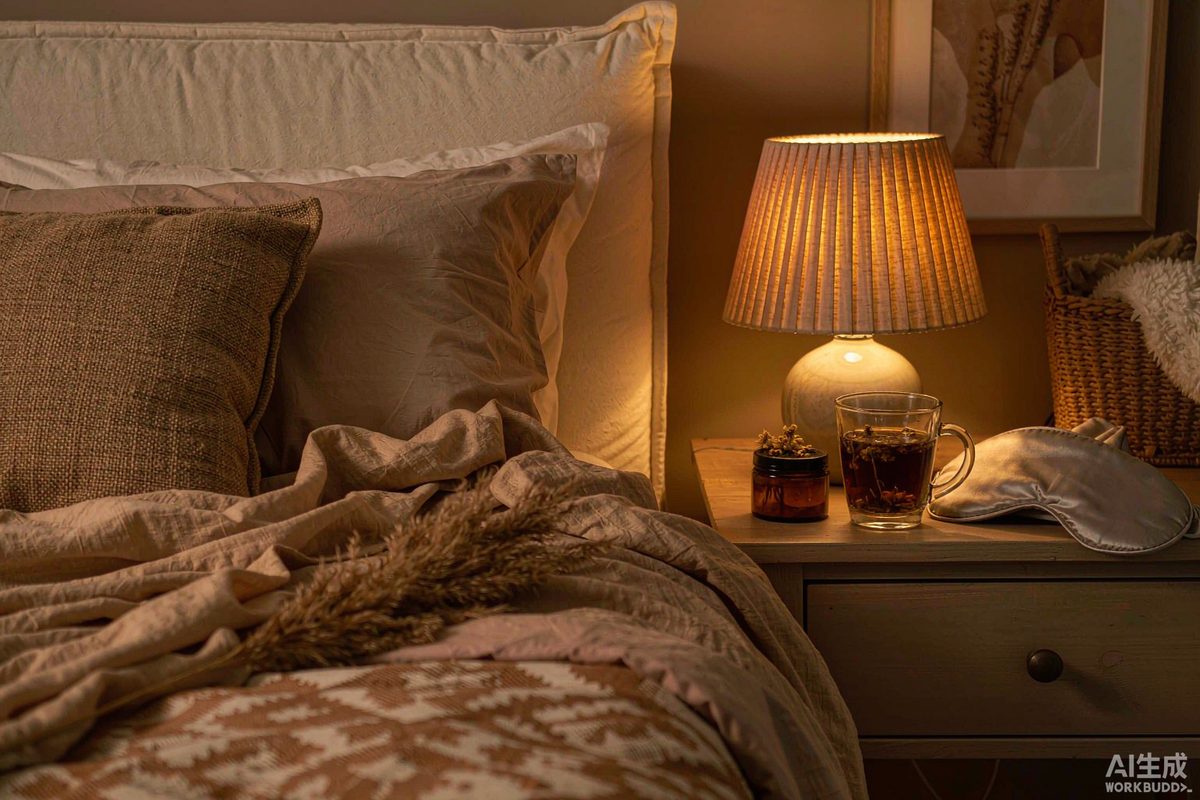
Questionnaire studies measure reported sleep, but the number people write down is really time in bed, and the two diverge in a way that matters here. A person who climbs in at 11 and reads for an hour, dozes, surfaces at 3, dozes again, and finally gives up at 7:30 will report eight hours. Their actual sleep may be six.
Fragmented sleep is precisely the kind that makes people extend their hours — the body, unsatisfied, negotiates for more raw time to harvest the rest it missed.
This reframes a slice of the long-sleep data. Some of the people sleeping longest may be sleeping worst: bodies spending nine or ten hours in bed to collect seven mediocre hours of sleep, apnea fragmenting the night so thoroughly that no alarm feels survivable.
In those cases the long duration is the symptom, the poor quality is the disease, and advising shorter nights would be as backwards as telling a person with a limp to walk faster.
The 2007 Whitehall II analysis of over ten thousand British civil servants captured one edge of this: civil servants who increased their sleep over the follow-up years — often toward the long end — carried higher mortality than stable seven-hour sleepers, a signal the authors discussed with the same caution about underlying ill health that the later meta-analyses echoed.
Mood weaves through the same knot, in both directions. Depressive episodes commonly feature either insomnia or hypersomnia, and long sleep is one of the signal symptoms of atypical depression — the form that does not look like sleeplessness at all.
Meanwhile sleeping far past one's norm feeds the low mood it accompanies: mornings lost, daylight missed, the small arithmetic of an emptied-out day compounding into something heavier.
None of this means the hours themselves are innocent. It means the pattern deserves a diagnosis of attention before a prescription of either guilt or more bed. Fragmented sleep, unrefreshing nights, and ten-hour horizontal days point somewhere specific, and the next section follows where the classical texts pointed it.
- Reported sleep duration is really time in bed; fragmented sleepers extend hours to harvest the rest they keep missing.
- Long sleep can be a symptom — of apnea, of atypical depression — and needs a reading before any advice applies.
Jiu Wo Shang Qi: The Strain of Staying Down
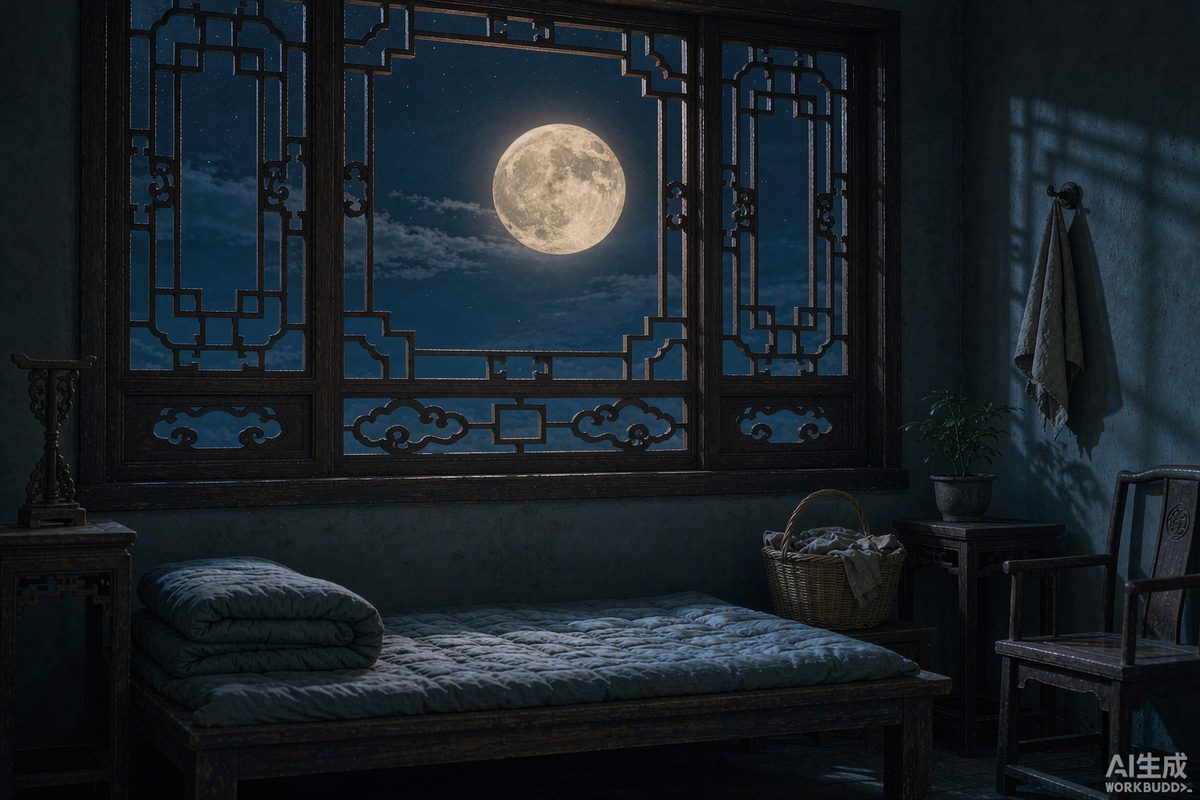
Chapter 5 of the Suwen lists five strains — five ordinary behaviors that become injuries through sheer duration: prolonged standing damages the bone, prolonged sitting the flesh, prolonged walking the sinews, prolonged looking the blood. And one more: jiu wo shang qi, prolonged lying damages the qi.
In a text that spends most of its energy warning against excess effort, the entry for excess rest is easy to skim past. It should not be. The tradition counted horizontal hours among the things that wear a person out.
The logic runs through yang qi, the body's active, warming, transformative current. Yang qi is not a stored substance in this framework; it behaves more like a current that strengthens with use and thickens into stagnation with disuse.
It has a daily arc — the Suwen's third chapter describes it born at dawn, flourishing at midday, weakening at dusk — and the morning portion of that arc is described as dependent on rising, on the body's vertical return to the world. To stay horizontal through the hours when yang is meant to unfold is, in this grammar, to smother a fire that wanted air.
The result is not restored energy but the heavy, unfresh state the classical texts called qi trapped and damp — tiredness that sleep does not touch.
The dampness detail deserves a modern squint. The tradition tied prolonged lying to the middle burner, the spleen's work of transformation and transport, the machinery that turns food and air into usable energy.
Leave the machinery idling — body horizontal, limbs unused, digestion slow — and the system grows sluggish and wet, in both its metaphors and its felt experience: that bloated, leaden, un-refreshed quality of a day that started at noon. However imprecise the vocabulary, the observation is precise: the body's energy production is not passive.
It is coupled to movement, posture, and light, and a body kept from all three comes back with a smaller return than the hours put in.
The Neijing never argues with cohorts or hazard ratios. It argues with the same everyday evidence that produced them: watch enough people long enough, and the ones who lie the most do not bloom.
- The Suwen files prolonged lying among the five strains — excess rest damages the qi the same way excess labor damages the body.
- Yang qi was understood to unfold at dawn; lingering horizontal through that arc was seen as smothering the day's energy at its source.
"The tradition counted horizontal hours among the things that wear a person out. The entry is easy to skim past. It should not be."
Why the Body Does Not Bank Rest
The modern picture agrees with the classical one on a point neither field always advertises: sleep is not a savings account. The body runs two clocks, not one — the homeostatic sleep pressure that builds with hours awake, and the circadian rhythm that sets when sleep lands well. Rest is harvested when the two align, not when the total hours max out.
The practical consequence is that extra hours mostly overflow. Sleep pressure from a normal sixteen-hour day fills roughly seven to nine hours of high-quality sleep; beyond that, the harvest thins. The ninth and tenth hours of a weekend lie-in are not the equal of the fourth and fifth.
They are shallower, more fragmented, and stamped at the wrong circadian time — which is why they rarely feel like the sleep they technically are.
They also shift the schedule. A Tuesday wake at 6:30 followed by a Sunday wake at 10 puts the body clock through a weekly jetlag that researchers measure in the misalignment of meal times, light exposure, and melatonin onset — the pattern has its own literature and its own costs. , then Monday morning badly served by an alarm set for a clock their body no longer believes.
None of this argues against recovery after genuine deprivation. A short week repaid with one long night is fine, and the body takes the repayment without complaint. The failure mode is the standing arrangement: treating the bed as a place of residence rather than a tool used on schedule.
The classical regimen for spring put it in four characters — rise early, walk in the courtyard — and the reasoning underneath holds in any season: the day's energy unfolds from the act of getting up.
- Extra hours overflow: the ninth and tenth hours of a lie-in are shallower and circadian-misplaced, not better sleep.
- A 6:30 weekday wake and a 10 a.m. weekend wake is a weekly jetlag the body pays for every Monday.
When Long Sleep Is a Message
Some long sleep is not a habit to fix but a message to read, and the reading belongs with a clinician. The pattern that deserves a professional look: unrefreshing sleep no matter how long, daytime sleepiness that no night repairs, and hours that have crept upward over months without a decision.
Obstructive sleep apnea sits at the top of the list. Repeated airway collapses fragment sleep into shreds, and the body's response is to demand more bed — nine, ten hours, none of it restorative. Snoring, witnessed pauses in breathing, morning headaches, and dry mouth are the companions to check for.
Untreated apnea carries cardiovascular costs of its own, which makes it doubly important that it not be mistaken for a benign love of sleeping in.
Depression is the second entry, particularly the atypical form whose signature is hypersomnia rather than insomnia — sleeping twelve hours and waking heavier. Hypothyroidism belongs here too: a thyroid running slow produces exactly the tired-but-sleeping-plenty picture, usually with cold intolerance and weight creep alongside.
So do certain medications, anemia, and, rarely, true hypersomnia disorders in which the sleep drive itself is pathologically strong.
The boundary this article works inside is worth stating plainly. Nothing here diagnoses any of these. The workable at-home distinction is between pattern and event: someone recovering from a hard season, sleeping long for two weeks, is an event, and time will close it.
Someone who has slept ten hours most nights for six months, wakes unrefreshed, and cannot say why — that person should make an appointment, and mention the hours explicitly, because sleep duration is the kind of detail appointments skip unless someone says it aloud.
- Unrefreshing nine-plus-hour sleep with snoring, witnessed pauses, or morning headaches deserves an apnea screen, not a firmer mattress.
- Hours creeping upward over months, especially with low mood or cold intolerance, is a clinician conversation — say the hours out loud.
Getting Out Is the Hard Part
The fix for excess lying is not a lectureship about discipline. It is a smaller set of moves, and they cost nothing.
The anchor is a fixed wake time — one wake time, seven days a week, within about half an hour. This single habit stabilizes the circadian clock, which then pulls bedtime earlier on its own, which shortens the night, which improves the sleep inside it. Most other interventions rearrange furniture; the fixed wake rebuilds the foundation.
Choose the time from the weekdays, not the weekend, and let Saturday absorb the loss.
The second move is leaving the bed on first waking. Not at the second alarm, not after a negotiation. Feet down, curtains or daylight next, water before phone. The classical instruction — rise and walk in the courtyard — compressed this into a ritual: vertical, then moving, then outdoors.
Twenty minutes of morning light in the eyes anchors the clock roughly ten times more strongly than any evening dimming routine does, and movement adds its own wake signal on top.
Third, cap the time in bed near the hours actually slept. If seven and a half is the harvest, seven and a half is the reservation — bed for sleep, and the rest of the flat for living. A chair by a window beats a fourth hour of dozing for anyone who wants the morning back.
Whether any of this repairs the health outcomes the big cohorts flagged — that question remains open, and honestly so. Shortening the hours has not been trialed as a treatment the way exercise has. What it reliably repairs is nearer and more certain: the mornings. The gauze lifts, the will to stand arrives on time, and the day starts when the day starts. That much is not a wager on meta-analyses.
It is visible by the end of the first week.
- One fixed wake time, seven days a week, does more for energy than any change to bedtime.
- On first waking: feet down, daylight, water — the Suwen's 'rise and walk in the courtyard' in modern clothes.
"Whether shorter nights repair the cohort risks stays unproven. What shortens them repairs the mornings — visibly, by week's end."