The Phone Wins Because Nothing Else Shows Up
Strip the 12:47 AM scroll down to its parts and a blunt picture appears: the phone is not winning against your better judgment. It is winning by default, because at bedtime it is the only candidate on the ballot. It is the reading material, the alarm clock, the notepad, the last conversation partner, and the morning's first contact.
Every plan to 'just go to bed earlier' runs into the same wall — the bedroom still contains exactly one interesting object, and it weighs 170 grams.
The research side has caught up to this arrangement. A randomized pilot from 2020 took 38 college students and told half of them, for four weeks, to stop using their phones in the thirty minutes before bed. The restricted group fell asleep faster, slept longer, reported better sleep quality, showed calmer pre-sleep arousal, and even posted small improvements in working memory and mood.
Thirty-eight people is a pilot, and this site will not pretend otherwise — but it is the most direct experimental test available of the simplest intervention in sleep hygiene, and the direction of every outcome pointed the same way.
What the trial also demonstrates, less obviously, is the shape of the real problem. 'Stop using your phone for thirty minutes' is a subtraction, and subtractions do not survive without replacements. The students had instructions and a study structure holding the gap open. At home, alone, at the end of a tired day, the gap gets filled by the default candidate again — unless the default has competition.
That is the entire theory behind this article: not better apps, not screen-time limits buried in settings, but physical objects whose whole job is to give the last half hour something else to be.
A useful frame from the behavioral literature: friction, not preference, decides most of what happens in the last hour. The phone requires nothing — no lamp, no book, no chair; it arrives in your hand already warm from the day. The alternatives all cost a first move. The tools reviewed below are, in a strict sense, friction reducers for the losing side of that contest.
Each one makes the non-phone option cost a little less at exactly the hour when every cost feels heavier.
- Before buying anything, do the zero-cost version for one week: phone charges in the kitchen. The tools below exist to make that arrangement permanent, and to fill the gap it opens.
What the Evidence Says About Evening Swaps
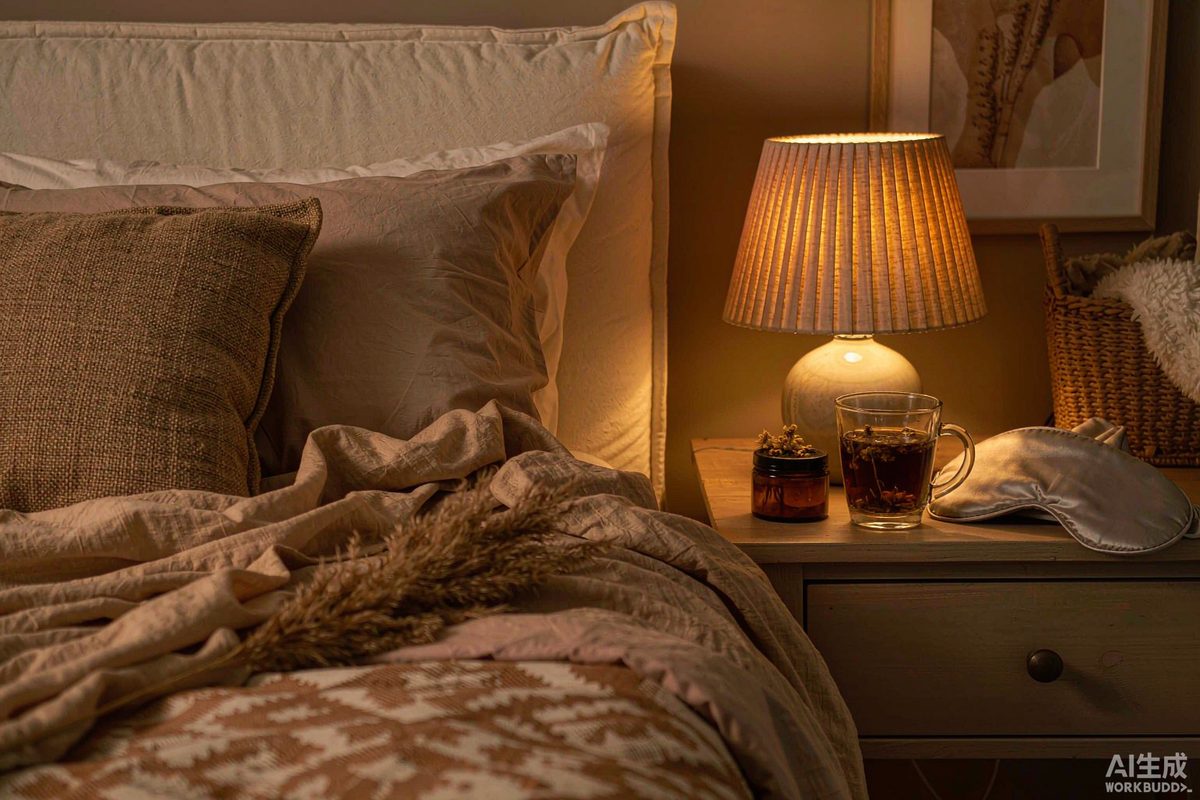
Two studies anchor the swap logic, and they point at different layers of the problem.
The Belgian survey — 844 adults aged 18 to 94, Exelmans and Van den Bulck's work from 2016 — is the layer everyone knows: six in ten adults took a phone to bed, and messaging or calling after lights out predicted worse sleep quality, more insomnia symptoms, and more fatigue on the Pittsburgh and Bergen scales.
Worth noting the age wrinkle: in younger adults, heavier bedtime phone use tracked with later rise times and more fatigue; in the oldest group, with shorter sleep. And worth noting what the authors blamed — not light alone, but arousal. A conversation at 1 AM wakes the mind up regardless of what color the screen glows.
The light layer has experimental teeth. Chang's inpatient study at Brigham and Women's compared four hours of reading on a light-emitting tablet against a printed book in twelve adults under lab control: the tablet group's melatonin dropped, their circadian clocks shifted later, sleep latency stretched by roughly ten minutes, REM shrank, and next-morning alertness sagged.
Twelve people, tightly controlled, published in PNAS — small but mechanistically clean.
The honest reading, then: paper reading in dim warm light is the best-evidenced bedtime activity on the menu, and the phone is the worst-evidenced one, with the caveat that lab conditions are not living rooms and effect sizes in the real world will be messier. The three picks below are hardware for the gap between those two facts.
One more caveat belongs on this stack: the survey evidence is self-reported, and people are famously poor at estimating their own screen hours — the numbers usually come out low when measured against logged data. The lab work has the opposite weakness, being unrealistic in the direction of cleanliness: four hours of mandated reading is nobody's actual Tuesday.
Between the two sits the pilot trial, real-world enough to trust on direction, too small to trust on size. That triangulation — survey, lab, pilot — is as good as this area currently gets.
Pick One: The Amber Clip-On Book Light
The first object exists to make paper reading possible in a dark bedroom, which is the swap the evidence favors most. A clip-on book light is a better buy here than a bedside lamp for one reason: directionality.
The lamp lights the room and everything in it, including the sleeping partner and the ceiling, which invites negotiation; the clip light puts a warm pool on the page and nowhere else, and the rest of the room stays dark enough that the body's own descent continues underneath it.
The amber question deserves precision, because product pages muddy it. The Chang study's problem device emitted blue-rich LED light directly toward the face. The fix in hardware terms is a source that is genuinely warm at the diode level, dim, and aimed at paper.
Some cheap 'amber' lights are white LEDs behind an orange film, which is close enough for most people's purposes but not identical in spectrum; genuine amber diodes cost little more and remove the doubt. Two brightness levels matter more than any marketing spec — low for novels, medium for anything with small print.
Failure modes, from owner reports and our own handling: sub-$8 units flicker or die within a few months, so treat price as a warranty proxy; stiff clips can crease paperback spines, so look for a padded or wide clamp; and USB-C rather than micro-USB saves one more cable from the drawer. What this pick is not: a productivity tool.
Its job is to be slightly boring, and to make the alternative to the phone cost zero willpower after 11 PM. If the book is good, the light did its work the moment the pages outnumber the pixels.
Practical placement notes from living with one. The clip works best on the book itself rather than the headboard, because a headboard mount ties reading to a fixed posture, and a fixed posture invites the couch, and the couch invites the television, and the evening is lost in a way no tool predicts. A padded clip also survives being knocked off the nightstand, which will happen.
Battery life on decent units runs twenty to thirty hours — a few weeks of ordinary reading — so charging it becomes part of the same monthly ritual as the toothbrush. One quiet benefit nobody markets: a single-page light makes it obvious when you have read enough, because eye strain arrives honestly instead of being masked by a bright screen that never asks you to stop.
Pick Two: The Battery Analog Alarm Clock
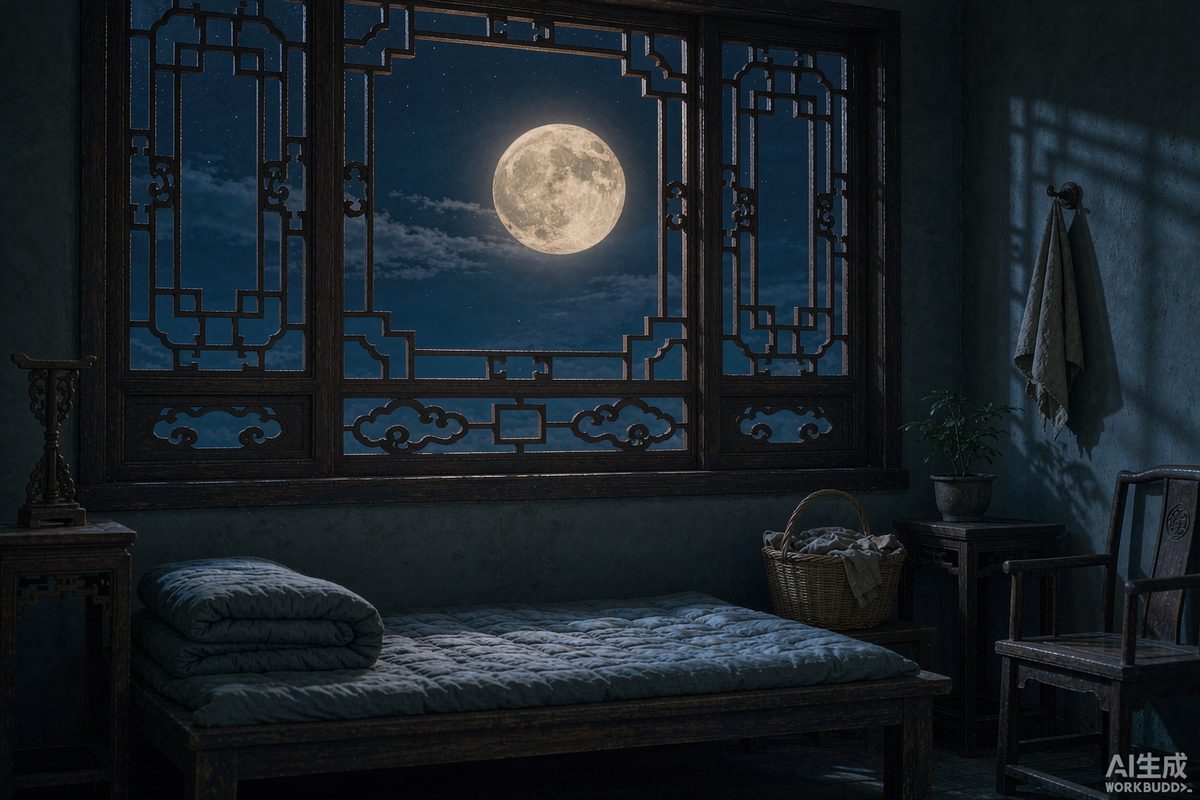
The second object is the keystone, and it is the least impressive thing this site has ever recommended. A battery-powered analog clock with a silent sweep movement, a dimmable face, and a crescendo alarm does one job that the phone has been doing badly: it tells you when to get up, and then it has nothing further to say.
That single delegation is what makes the phone's relocation out of the bedroom permanent rather than aspirational.
The mechanism is worth spelling out, because it is more than symbolism. As long as the phone is the alarm, it has a legitimate residence on the nightstand, and a legitimate residence means arm's reach, and arm's reach means the 2 AM time-check that historically becomes twenty minutes elsewhere.
Surveys of bedtime phone use keep finding the same pattern — the device comes to bed for one purpose and stays for all the others. Remove the cover story, and the phone has no more business in the room than a toaster.
Buying notes, in order of importance. The sweep movement must be genuinely silent; a ticking clock in a dark bedroom is the kind of mistake that ends with the clock in a closet by Thursday. A dimmable or fully darkable face matters for the same reason — some models glow like emergency exits. Battery operation beats corded for nightstand minimalism.
And a light button, pressed by feel, beats turning on a lamp at 3 AM. The honest costs: you will set the alarm by hand each evening like it is 1994, travel requires remembering it, and couples on different schedules need two. All tolerable. The alternative costs more.
Logistics make or break the relocation, so the kitchen needs a landing: a charger that lives there permanently, ideally on a counter shelf away from the stool you sit on. If the household shares the worry, a cheap charging stand by the entry door works the same way — the phone checks in when the keys do.
Mornings change too, and this is the part nobody warns you about, in a good way: without the feed, the first fifteen minutes of the day are just coffee and weather and whatever you actually think about. The notifications arrive in one lump when you pick the phone up, and almost none of them matter as much in daylight as they seemed designed to at midnight.
Pick Three: The Nightstand Journal That Ends the Day on Paper
The third object serves the ruminators, and it is the cheapest. A notebook and a fine-liner pen, kept physically on the nightstand, for one ritual: before the light goes off, write down whatever the mind is still turning over — tomorrow's errands, the unresolved conversation, the 2 AM worry — in two lines or fewer, close the notebook, light out.
The research rationale is the replacement-behavior point from the pilot trial: phone-free wind-downs hold when the gap has content, and for a large share of people the thing keeping them scrolling is not entertainment but an unfinished mind. The classical rationale is older.
The Suwen's chapter on emotional causes names prolonged thinking — si — as a mechanism that knots the qi: attention looping, everything tightening, nothing moving. A two-line brain-dump is the cheapest unknotting technology ever devised, which is presumably why versions of it appear in everything from CBT-I protocols to the agenda-hygiene advice in every productivity book ever written.
The tradition did not have notebooks on nightstands. It had the same observation.
Product specifics, briefly, because the category is simple: lay-flat binding so the page does not fight you in low light, paper dense enough that the pen does not ghost through, a size that stays open on its own, and a pen that writes on the first stroke without warm-up scribbling.
A separate pen matters more than it sounds — hunting for a working pen is exactly the kind of friction that ends a ritual in its first week.
The honest boundary: this only works small. Two lines, not three pages. The night the journal becomes an assignment, the phone wins by forfeit — and it will not even feel like a loss.
Variants, for people who bounce off the worry-dump framing. Some nights the two lines are tomorrow's first three actions, written as verbs — call the dentist, move the laundry, email the school — which offloads the planning loop that otherwise rehearses itself against the ceiling.
Other nights it is a single sentence of what went right, the gratitude-journal version, which works better than its reputation suggests on the specific nights when the scroll is being used as mood repair. The pen matters less than the smallness. If two lines become four, cut back to one.
Assembling the Thirty-Minute Off-Ramp
Hardware alone does nothing; the arrangement does the work. The version that the pilot trial and the practical logic both support takes about thirty minutes and looks like this.
The sequence starts earlier than bedtime — that is the entire point. When the kettle goes on (or the decaffeinated tea, or whatever your version is), the phone's evening ends: it goes to its charger in the kitchen or hallway, plugged in by an outlet that is not beside the bed. This is the if-then from the companion article on this site — one decision, made once, written down if your household needs the paperwork.
The alarm clock takes over the waking job. From here the half hour runs itself: thirty minutes of paper reading under the amber light, or fifteen minutes of reading and two lines in the journal for anyone whose mind runs hot at night.
Three failure patterns deserve advance warning. First, the 'check one thing' exception — the single most common collapse, and the reason the charger lives outside the room rather than on a nightstand shelf. Second, weekend drift, which is fine; the goal was never an imposed bedtime, and two nights a week at midnight is a different animal from seven.
Third, the first three nights feel wrong — restless, slightly bored, aware of the missing phone the way an amputee notices the limb. That is the adjustment period, and per the trial it reverses within the month.
None of this requires believing willpower is a muscle or that screens are poison. The claim is smaller and sturdier: give the last thirty minutes a shape and a floor plan, and the decisions stop being nightly negotiations. The phone is not banned. It is just, for one half hour, outvoted.
A word on cost arithmetic, because it belongs in the decision. The three tools together run well under the price of one month of most sleep-tracking subscriptions, contain no battery-draining radio, and never ask to be updated. The comparison is slightly unfair — the app measures sleep and these objects change it — but that is precisely the argument: measurement was never the missing ingredient.
- Write the if-then sequence on the journal's first page: 'kettle on, phone to kitchen.' The cue should live where the habit does.
- Keep the journal ritual to two lines. Volume kills the habit faster than difficulty ever does.
- Judge the trial at two weeks, not two nights — the pilot data and every honest first-person account agree the early nights feel worse.
Who Should Spend Their Money Elsewhere
The honest exit, for the readers these tools cannot serve.
If falling asleep stays hard even on nights when the phone charged in the kitchen and the evening ran its sequence, the problem was probably never procrastination.
Chronic insomnia — lying awake most nights for a month or more, regardless of evening behavior — responds best to cognitive behavioral therapy for insomnia, CBT-I, which outperforms sleep medications in the longer term and is the recognized first-line treatment. A bedroom full of paper and amber light does not touch it.
Similarly, loud snoring with daytime sleepiness points at sleep apnea screening, not retail therapy, and the same goes for restless legs, medication side effects, and mood disorders wearing sleeplessness as a disguise.
And a category of reader needs no tools at all: the person who genuinely enjoys their late-night hours, has no daytime cost, and reads this article as a curiosity. The research links late bedtimes to insufficient sleep on average, but averages are not verdicts, and the revenge framing exists precisely because reclaimed time is not always stolen.
If the nights are yours, functional, and paid for on time in the morning — nothing here is owed.
For everyone else, the bet this article makes is small and boring: that the gap between knowing and doing is mostly a floor-plan problem, and that three objects costing less than one month of a sleep-app subscription can hold the floor plan in place. The phone will still be there in the morning, fully charged, full of everything it was full of at midnight. It can wait. That was always the arrangement it offered you.