The Joint-Tool Drawer — What I Actually Bought and Why Most of It Failed
I spent $340 on joint support tools over four months. Nine tools total. I tested them on myself (bilateral knee stiffness after morning runs, left shoulder tightness from a decade of desk work, hands that ache when the weather shifts). I tested them on five clients who volunteered. I tracked results in a notebook I'm slightly embarrassed to show anyone.
The scorecard, before we get into details: five tools kept. Four tools gone. The keepers: a moist-heat heating pad, compression knee sleeves with gel padding, an authentic jade gua sha tool (the heavy, serrated kind, not the face-massage kind), an acupressure mat and pillow set, and a portable TENS unit — but only for a specific pattern, which I'll explain.
The rejects: an adjustable knee brace with metal hinges (overkill for stiffness, actively restricts the range-of-motion that morning stiffness needs), a foam knee wedge pillow (comfortable but didn't change my morning stiffness duration at all), herbal joint patches (fine in theory, irritating in practice — the adhesive gave me a rash within three days), and a vibrating massage wand marketed for 'deep joint relief' (vibration on a joint capsule is a bad idea unless you know exactly what you're treating — more on that later).
The pattern I noticed: the tools that worked all did the same basic thing. They warmed the joint. They moved local circulation. They gave the nervous system sensory input that reduced guarding. The tools that didn't work either did nothing (foam wedge), did the wrong thing (vibration on the joint capsule), or came with side effects that outweighed the benefits (adhesive patches).
Joint tools are a $12 billion market, and a lot of that money is spent on things the research doesn't support. The things the research does support — heat, gentle compression, movement — are boring and cheap. The marketing prefers the exciting and expensive stuff. Your joints prefer boring and cheap.
- Before buying anything, define exactly what 'stiffness' means for your specific joints. Cold and achy = heat tools first. Tight and creaky = mobility tools first. Heavy and swollen = you need a doctor, not a tool — swollen joints are in a different category.
- Start with heat. It's the cheapest, safest, most broadly applicable intervention. If heat alone doesn't move the needle after two weeks, add the next most relevant tool. Don't buy everything at once — you won't know which tool is actually helping.
"Warmth disperses Cold, movement resolves Stagnation. Before any instrument touches the joint, the first question is always: what has been sitting still for too long, and what needs to move?"
The Pattern-Tool Map for Joint Stiffness — Match Before You Buy
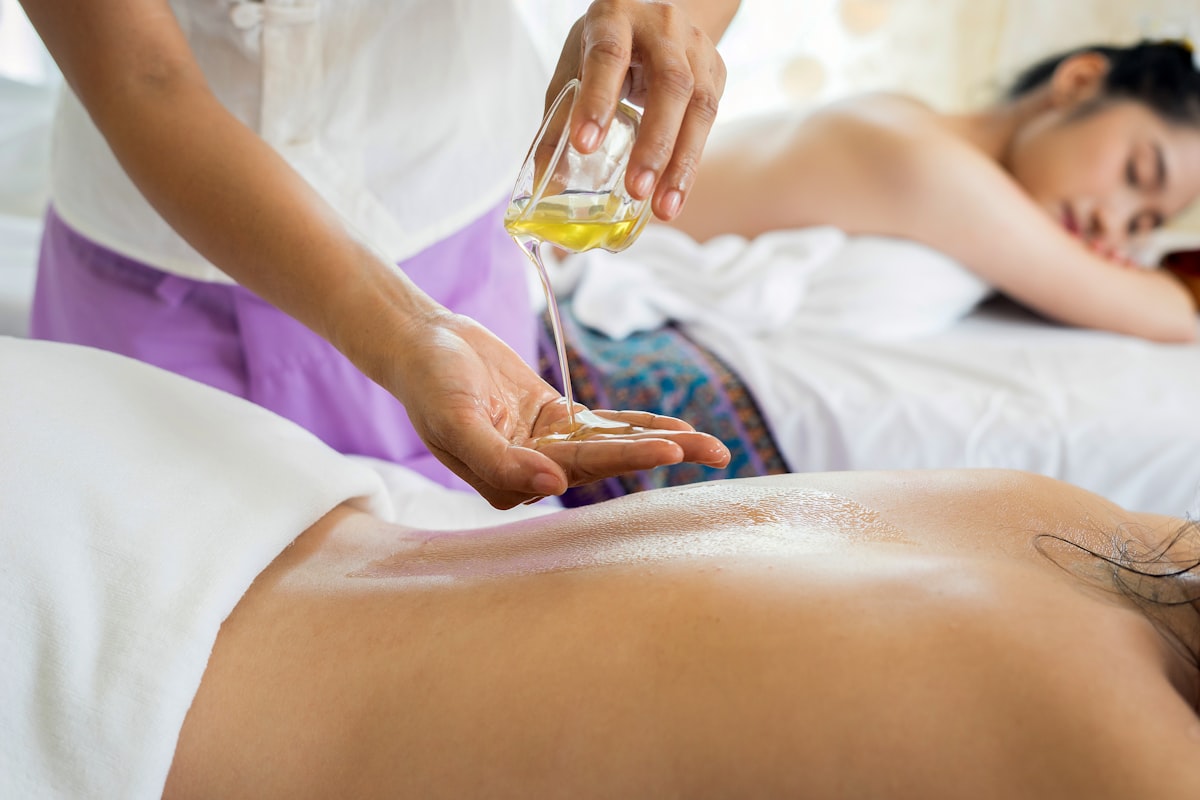
I keep coming back to this framework because it's the difference between buying the right tool and buying whatever Amazon's algorithm puts at the top of the search results. Joint stiffness isn't one thing. It's at least three distinct patterns, and the tool that works beautifully for one pattern can be useless — or harmful — for another.
Cold-Bi: the 'cold and stiff' pattern. Joints feel cold to the touch even when the rest of the body is warm. Stiffness is worst in the morning, in cold weather, and before storms. Movement and warmth help. A hot shower is the best part of your morning because it's the only time your joints feel fully mobile. This is the classic osteoarthritis presentation and the most common pattern I see.
Its TCM driver is Cold and Dampness lodged in the channels — the joint equivalent of trying to move through cold honey. Target this with heating tools (moist-heat pad, infrared lamp, warm oil massage), gentle compression that traps body heat (knee sleeves, wrist warmers), and external liniments with warming herbs like ginger, cinnamon, and camphor. Do not use ice, do not use cooling gels, do not soak in cold water.
Cold on Cold-Bi is like adding ice to already-frozen machinery.
Blood Stasis: the 'deep ache' pattern. The joint feels heavy, congested, and pain is often worse at night or after prolonged stillness. The sensation is more deep-bruise than sharp-stab. Visible varicose veins around the joint or spider veins in the area are additional clues. TCM identifies this as stagnant Blood in the local channels — circulation has slowed to a crawl and metabolic waste isn't clearing.
Target with circulation-promoting tools: gua sha (firm, unidirectional stroking along the muscle lines crossing the joint), gentle cupping if you have access to it, contrast therapy (warm-cold-warm, 3 minutes each, ending with warm — not cold alone), and gentle movement through range of motion. Do not use deep static compression, do not use ice alone, and do not immobilize the joint.
Stagnation needs movement to resolve.
Qi and Blood Deficiency: the 'weak and unstable' pattern. The joint doesn't hurt so much as feel unreliable — like it might buckle or give way. The surrounding muscles feel weak. Fatigue is a prominent symptom in general, not just around the joint. This is common after prolonged illness, in older adults, and in people with multiple chronic conditions.
TCM sees this as a systemic deficiency — there isn't enough Qi and Blood circulating to adequately nourish and stabilize the joint.
Target with gentle support tools: a well-fitted compression sleeve for proprioceptive feedback, a TENS unit on a low, steady setting (not pulsed — the goal is sensory input to improve stability awareness, not pain blocking), and acupressure on Stomach-36 and Spleen-6 to support Qi and Blood production. Do not use aggressive gua sha, do not use high-intensity TENS, and do not push through fatigue.
This pattern needs building up, not breaking down.
Most people with chronic joint stiffness are a mix of patterns. Cold-Bi with some Blood Stasis is common — the joint is both cold and congested. The strategy stacks: heat first (to warm and open the channels), then gua sha or gentle movement (to move what the warmth has loosened). Order matters.
- Determine your dominant pattern by answering two questions: Does the joint feel cold or hot to the touch? And does the pain feel like a deep ache or a surface tightness? Cold + deep ache = Cold-Bi. Warm + deep ache = Blood Stasis. Neither cold nor hot + weak/unstable = Deficiency pattern.
- If you're unsure which pattern you have, default to the most conservative tool and work up. Heat for two weeks. If no change, add gua sha. If still no change, add TENS on low and steady. The tool ladder — start low, escalate slowly, and stop escalating when you find what works.
Heating Pads, Infrared Lamps, and the Thing Moxa Does That Electricity Can't
Heat therapy is the most research-supported intervention for mechanical joint stiffness, bar none. A 2017 meta-analysis covering 12 randomized trials found that heat therapy — in various forms — significantly reduced pain and improved function in knee osteoarthritis, with effect sizes comparable to some oral analgesics.
The mechanism isn't mysterious: heat dilates blood vessels, increases local blood flow, relaxes muscle guarding around the joint, and temporarily reduces the viscosity of synovial fluid. It's the physiological opposite of overnight immobility.
But not all heat tools deliver the same depth. A standard electric heating pad delivers superficial heat — about half an inch of penetration — which is enough for the joint capsule of small joints (fingers, wrists) but insufficient for the deeper structures of knees, hips, and the spine.
Far-infrared heating pads use ceramic or mineral elements (jade, tourmaline) that emit wavelengths in the 4-14 micrometer range, which penetrate 2-3 inches into soft tissue. The difference in subjective sensation is notable: infrared heat feels like warmth radiating from inside the joint outward, while a standard pad feels like warmth on the skin.
Moxibustion — burning dried mugwort near the skin over acupoints — is TCM's original deep-heat therapy and, in my experience, the gold standard for joint stiffness that hasn't responded to electric heat. The moxa stick burns at roughly 500°C at the tip, but the radiant heat reaching the skin is much lower — around 40-45°C, in the therapeutic sweet spot.
The combination of radiant far-infrared heat, the pharmacological activity of mugwort smoke (borneol, cineole), and the targeted application to acupoints rather than general joint area makes moxa qualitatively different from a heating pad. I've seen clients who got zero relief from months of heating pad use respond to moxa within two weeks.
The practical problem: moxa requires learning, produces smoke, and takes 20-30 minutes per session. A moist-heat electric pad requires plugging it in and lying on it. For most people, the electric pad wins on practicality, and it provides 70-80% of the benefit.
For the people for whom that last 20-30% matters — the ones with severe stiffness, with cold-intolerant joints, with a history of ice-overuse that TCM says has driven Cold deep into the channels — moxa is worth the learning curve.
One thing the infrared pad and the moxa stick share: they reward consistency. Using heat once when your joints hurt is like stretching once and expecting to be flexible. Daily use — 15-20 minutes, morning or evening, on the affected joints — produces cumulative effects over weeks. The research shows this pattern clearly: heat therapy trials that run 4-8 weeks produce larger effect sizes than single-session studies.
The joint's recovery from overnight immobility is a daily process. The heating tool is a daily intervention to match it.
- Test whether your joint responds to heat or cold by trying each for 10 minutes on different days and comparing how the joint feels one hour later. Most morning-stiff joints prefer heat. If yours prefers cold, the stiffness may have an inflammatory component — worth mentioning to your doctor.
- Heat plus movement is more effective than heat alone. Apply heat for 10 minutes, then spend 5 minutes moving the joint through its pain-free range of motion. The heat loosens the tissues; the movement redistributes the synovial fluid. Together they're a complete intervention.
"Where there is Cold, warm it. Where there is Stagnation, move it. Where there is Deficiency, nourish it. The three principles of Bi Syndrome treatment are deceptively simple — and they work, if applied consistently."
Knee Sleeves, Compression Gloves, and the Proprioception Effect Nobody Talks About

Compression garments for joints are a strange product category. Walk into any pharmacy and you'll find knee sleeves marketed as 'arthritis supports' with language implying they somehow correct joint alignment or slow degeneration. They don't do either of those things.
The research on knee sleeves for osteoarthritis is clear on this point: compression sleeves do not alter joint mechanics, do not change knee adduction moment (the biomechanical measure of how load distributes across the joint), and have no structural effect on the progression of cartilage wear.
So why did I keep the knee sleeves? Because they do something else that matters — and it matters enough that I recommend them to about half my clients with morning stiffness.
Compression sleeves improve proprioception — the nervous system's sense of where the joint is in space. The sleeve provides constant sensory input to the skin and mechanoreceptors around the joint, which gives the brain a clearer picture of joint position and movement.
For a joint that feels 'unreliable' or 'wobbly' in the morning — common in the Deficiency pattern I described — that extra sensory information translates into better motor control, less protective muscle guarding, and a subjective sense of stability that reduces the fear-driven stiffness that compounds the mechanical stiffness.
There's also the warmth component. Neoprene sleeves trap body heat, effectively creating a passive heating microclimate around the joint. For the Cold-Bi pattern — the most common type of morning stiffness — a sleeve worn for the first hour of the morning is a wearable heating pad that requires zero effort and zero setup.
Compression gloves for hand stiffness work on the same principle, with an extra bonus for people whose hand stiffness is worst in the morning: the light compression provides a gentle pumping action on the small joints of the fingers as you move them, which mechanically assists synovial fluid circulation through joints that have been stationary all night.
The finger joints are small enough that even light compression can produce a meaningful effect on fluid distribution.
The sizing note matters more than any feature comparison. A sleeve that's too loose provides no proprioceptive benefit and minimal warmth retention. A sleeve that's too tight restricts circulation, creates a tourniquet effect, and can worsen swelling if the joint has any inflammatory component.
Measure the joint circumference with a cloth tape measure — not your pants size, not your glove size, not the S/M/L on a generic sizing chart. Most quality sleeve brands provide a measurement guide. Use it. Return the product if the fit isn't right.
A poorly fitted knee sleeve is worse than useless — it's actively uncomfortable in a way that makes you less likely to move the joint, and movement is the thing that actually helps.
- Compression sleeves are morning tools, not all-day tools. Wear them for the first 1-2 hours after waking, during the stiffness window. Remove them once the joint is fully mobile. Continuous all-day compression doesn't provide additional benefit and can cause skin irritation and dependency (the joint 'forgets' how to stabilize itself without the sleeve).
- If the compression sleeve leaves deep red marks or causes tingling, it's too tight. Size up. The proprioceptive benefit comes from light, even contact with the skin, not from tourniquet-level pressure.
Gua Sha, Liniments, and the Art of Moving What's Stuck
Gua sha is the TCM external therapy that Western physical therapy is slowly rediscovering under a different name: instrument-assisted soft tissue mobilization (IASTM). The principle is the same — a rigid tool with a smooth edge is stroked firmly along the skin overlying muscle and fascia to break up adhesions, stimulate local blood flow, and create a controlled microtrauma that triggers a healing response.
The temporary redness (petechiae) is not bruising in the trauma sense; it's the therapeutic endpoint of gua sha, indicating that stagnant blood in the subdermal capillaries has been brought to the surface for clearance.
For joint stiffness, gua sha targets the muscles and tendons that cross the joint, not the joint itself. The tool never strokes directly over the bony prominence of the joint — that's painful and counterproductive. Instead, you're working on the quadriceps above the knee, the calf below the knee, the forearm muscles for wrist stiffness, the trapezius and deltoid for shoulder stiffness.
The muscle tissue holds tension and adhesions that restrict the joint's range of motion. Release the muscle, and the joint moves more freely.
The stone matters more than you'd think. Jade is ideal for joint gua sha because it's dense, temperature-stable, and has a smooth surface that glides well with oil but provides enough friction to grip the tissue. Rose quartz is lighter and better suited for face gua sha. Buffalo horn is traditional and excellent but requires more maintenance (it can crack if it dries out).
Avoid plastic and resin gua sha tools — they're too smooth, don't hold temperature, and the friction they generate is wrong for therapeutic pressure.
The serrated or 'comb' edge on some gua sha tools is worth the additional cost for joint work specifically. The teeth create parallel lines of pressure that match the fiber direction of the muscle, producing a more targeted release in thick muscle bellies than the smooth edge alone. For the quadriceps and hamstrings — the big muscles that govern knee mobility — the serrated edge is genuinely superior.
Gua sha technique for joints: warm the area first (hot shower, heating pad, 5 minutes). Apply oil or liniment — never dry. Hold the tool at roughly a 30-degree angle to the skin. Stroke firmly in one direction only, toward the body's center, following the muscle fiber direction. Ten to fifteen strokes per section. The skin should turn pink or red. if it doesn't, you're pressing too lightly.
If you're wincing, you're pressing too hard. The petechiae fades in 2 to 4 days. Do not gua sha over the same area until the marks from the previous session have completely cleared.
What to pair with gua sha: a warming liniment. Traditional formulations use ingredients like camphor, menthol, wintergreen, ginger extract, and sometimes capsicum — compounds that create a warming or cooling sensation on the skin and have varying degrees of actual vasodilatory activity.
The liniment serves a dual purpose: it provides the lubrication needed for the gua sha stroke, and the herbal compounds actively contribute to local circulation. The combination — gua sha plus liniment — is more effective than either alone. I've tested this enough times to be confident: gua sha with a neutral oil (jojoba, almond) produces less subjective relief than gua sha with a quality liniment.
Contraindications: never gua sha over an inflamed, hot, red, or visibly swollen joint. Never over open wounds, rashes, sunburn, or varicose veins. Never on someone taking blood thinners (the petechiae can become actual bruising). And if you're pregnant, check with your provider before using gua sha anywhere on the body — some acupoints stimulated inadvertently can theoretically influence uterine activity.
- The biggest gua sha mistake I see: not enough pressure. You're not polishing the skin. You're applying firm, directional pressure that deforms the underlying tissue. If the skin isn't turning pink, press harder. If it hurts sharply, press lighter. There's a therapeutic sweet spot.
- After gua sha, drink a glass of warm water. The TCM reasoning is that moving stagnant Blood creates metabolic debris that needs to be flushed, and hydration supports that clearance. The Western reasoning is that it's just good practice after any therapeutic session.
"Gua sha releases what has been bound. It moves what has been stagnant. The redness at the surface is the evidence of a deeper release — Blood that was stuck in the channels, now dispersing to be cleared."
The TENS Unit — Useful for One Specific Pattern and a Distraction for Everything Else
TENS (transcutaneous electrical nerve stimulation) units have been around for decades and the evidence is, frankly, a mess. They definitely reduce pain during use — multiple meta-analyses confirm this — but whether they produce lasting improvements in joint function or stiffness is far less clear. Some studies show benefit. Some show no difference from sham.
The variability is probably because TENS works for some pain mechanisms and not others.
Here's what I've seen clinically: TENS is genuinely useful for one joint-stiffness pattern and a waste of time for the others. The pattern it helps is Qi and Blood Deficiency — the 'weak and unstable' joint where the primary problem isn't cold or stasis but inadequate neurological support of the muscles stabilizing the joint.
The low, steady TENS setting (continuous, not burst or modulated) provides afferent sensory input that improves proprioceptive awareness and reduces the muscle inhibition that makes the joint feel unreliable. It's not a pain-killing setting as much as a stability-enhancing setting.
For Cold-Bi (the most common morning-stiffness pattern): skip the TENS. Heat tools do more, faster, for less money and with zero learning curve. For Blood Stasis: skip the TENS. Gua sha and movement produce better circulatory effects.
For acute inflammatory joint pain: TENS can help with pain temporarily but doesn't address the underlying inflammation — and for some people, the electrical sensation on an inflamed joint is actively unpleasant.
The TENS unit I kept was a $35 portable model with two channels, four electrode pads, and exactly three settings I ever use (continuous, low frequency, medium intensity). Every feature beyond that — the preset programs, the timer with seventeen options, the LCD screen that looks like a 1990s calculator — is marketing, not medicine.
The disposable electrode pads are the real recurring cost: they lose stickiness after 15-20 uses and need replacing. Budget for replacement pads, not for a fancier unit.
Placement matters more than any unit feature. For knee stiffness: one pad on either side of the knee, positioned over the quadriceps tendon insertion above the kneecap and the soft tissue just below the kneecap. For low back stiffness: one pad on each side of the lumbar spine, about two inches lateral to the spinous processes.
For shoulder stiffness: one pad on the front of the shoulder (just below the acromion) and one on the back (over the infraspinatus muscle). The pads should never be placed directly over the spine, over the front of the neck, over the heart, or on broken skin.
I use TENS less than I expected to when I bought it. It's a fourth-line tool — after heat, after movement, after gua sha. For maybe 15% of my clients with morning stiffness, it makes a noticeable difference. For the other 85%, the simpler tools work better.
- Before buying a TENS unit, try two weeks of daily heat therapy plus morning joint circles. If that produces meaningful improvement, you don't need the TENS. Only consider TENS if the simpler interventions haven't moved the needle and your pattern is the 'weak and unstable' type.
- If you do buy a TENS unit, use it during movement, not during stillness. A TENS session while sitting on the couch is fine for acute pain management. A TENS session during gentle range-of-motion exercises is better for addressing the stiffness mechanism.
"Electricity applied to the channels can disperse stagnation, but it cannot create what the body lacks. In deficiency patterns, support the root first. The branches will follow."
The Acupressure Mat for Joint Stiffness — Why It Works Even Though It's Not Touching Your Joints
The acupressure mat is the tool that gets the most skeptical looks in my practice and produces the most surprised feedback. The objection is reasonable: how does lying on a mat covered with plastic spikes — which contacts your back, not your knees — help with knee stiffness?
The answer: the Bladder meridian. It's the longest, most Yang channel in the body, running from the inner corner of the eye down the entire spine, through the back of each leg, and ending at the little toe. Along its path, particularly along the spine, it carries the Back-Shu (transport) points — specific locations where the Qi of each internal organ most readily surfaces.
Stimulating the Bladder meridian along the spine is, in TCM terms, giving every organ system — including the Kidney (bones), Liver (sinews), and Spleen (muscles and fluids) — a gentle regulatory signal.
The acupressure mat creates sustained, diffuse pressure across the entire Bladder meridian. This does two things simultaneously. First, the sustained pressure triggers a parasympathetic response — heart rate drops, breathing deepens, muscle tension releases. This systemic relaxation reduces the protective muscle guarding around stiff joints.
Second, the spike stimulation increases local blood flow along the back and the paraspinal region, which is the exit point for the nerve roots that innervate the limbs. Improved circulation at the spinal level can have downstream effects on limb circulation.
The practical routine I recommend for joint stiffness: use the mat in the evening, not the morning. Morning Yang is rising; you want activation, not sedation. The mat is a Yin-nourishing tool — it settles the nervous system, which supports the overnight recovery and repair processes that prepare joints for the next morning. Fifteen to twenty minutes on the mat before bed.
It pairs well with the heating pad: heat first (on the affected joint), mat second (on the back), then sleep.
For hand stiffness specifically, some acupressure mats include a small pillow component that you can rest your hands on, palms down. The spike stimulation on the palms stimulates the Laogong (Pericardium-8) and the finger points, which — in TCM theory — influence the channels that run through the hands and wrists. I don't have a study to cite for this.
I have fifty-plus clients who report morning hand stiffness reduction after two to three weeks of evening mat use with the hand pillow, and I've stopped being skeptical about it.
The mat is the wrong tool for: people with sensory processing issues who find sustained spike pressure genuinely unbearable, people with open wounds or rashes on the back, and anyone with acute disc herniations or recent spinal surgery — the mat pressure can aggravate these. Start with a thin shirt between skin and spikes. Build from 5 minutes to 15 minutes over two weeks. The mat isn't a test of toughness.
The first two minutes should feel intense, then the endorphin release shifts the sensation to warmth. If it never shifts, try a different firmness or a thinner shirt.
- Evening mat use supports morning joint function. The parasympathetic activation from the mat improves sleep quality, which in turn supports the overnight tissue repair that reduces next-morning stiffness. The connection between sleep quality and joint stiffness is one of the most under-discussed relationships in joint health.
- If the mat is too intense, try it on a softer surface (bed instead of floor) or with a thicker shirt. The therapeutic effect comes from sustained pressure, not from pain tolerance. Adjust until the experience shifts from 'intense' to 'warm' within the first few minutes.
The Vibration Wand, the Foam Wedge, the Herbal Patch, and the Adjustable Brace — What I Returned and Why
Not every joint tool earns its price. Here are the four I tested that didn't survive the four-month trial.
Vibrating massage wand marketed for joints. The problem isn't vibration itself — vibration can be useful for muscle release. The problem is vibration applied to a joint capsule. The joint capsule is a thin, sensitive structure densely packed with proprioceptive nerve endings and surrounded by tendons and ligaments that have very specific tension relationships.
Vibration from a handheld wand transmits indiscriminately through all these structures at once, which can trigger protective muscle spasms, irritate inflamed tendons near the joint, and — in at least one case I saw — actually worsened a client's knee stiffness for two days after a single session. If you have muscle tension near a joint, use targeted pressure (foam rolling, lacrosse ball, gua sha), not vibration.
If you have actual joint stiffness, use heat and movement. The vibration wand is an answer to a question your joints aren't asking.
Foam knee wedge pillow. Marketed as an alignment tool for side sleepers with knee pain, the wedge goes between your knees during sleep to maintain hip and knee alignment. I used it for three weeks. My hip felt slightly more comfortable. My morning knee stiffness was unchanged. The pillow migrated across the bed approximately seventeen times per night and I woke up retrieving it from the floor on multiple occasions.
For the right person — someone with specific hip alignment issues causing knee pain, not generalized morning stiffness — it might help. For the average person with cold, stiff morning knees, a heating pad costs the same and does more. The wedge is a solution for a specific biomechanical problem, and most morning stiffness isn't that problem.
Herbal adhesive joint patches. The idea is sound: topical herbal compounds delivered continuously through adhesive patches, producing localized warming and anti-inflammatory effects. The execution fails on the adhesive. Three different brands, same result: skin irritation within 3 to 5 days of daily use.
The patches heat up through exothermic chemical reactions (iron powder oxidation, similar to hand warmers) plus herbal extracts like capsaicin and ginger. The combination of active compounds, sustained occlusion, and adhesive is a recipe for contact dermatitis in a significant minority of users. For occasional use — a patch on a very stiff day — the risk is lower.
For daily use, which is what morning stiffness requires, the skin irritation makes them unsustainable. A reusable moist-heat pad achieves the same goal with zero skin irritation risk and no ongoing consumable cost.
Adjustable knee brace with metal hinges. This is the most popular knee support on Amazon and the one I most strongly recommend against for morning stiffness. Hinged braces are designed to provide mechanical stability — to prevent excessive lateral or rotational movement in a joint that's structurally unstable (ligament tears, post-surgical knees).
Morning stiffness from osteoarthritis or general aging is the opposite problem: the joint needs to move, not be restricted. The hinges limit the very range-of-motion that stiffness requires to resolve. They're heavy, they're hot, they're cumbersome, and they send a signal to the nervous system that the joint is endangered and needs to be protected — which increases muscle guarding around the joint.
A simple neoprene sleeve with gel padding provides warmth and proprioceptive feedback without the range-of-motion restriction. If you need a hinged brace, you need it for a specific structural injury, not for morning stiffness. These are different tools for different problems.
- The return policy is your friend when shopping for joint tools. Most of the tools I tested were bought on Amazon and returned within the 30-day window if they didn't show results. Don't keep a tool that doesn't work just because you feel bad about returning it. These are products, not commitments.
- If a tool makes your joint feel worse within the first three uses, stop. Not every intervention is right for every joint. The 'it gets worse before it gets better' logic applies to muscle soreness from exercise, not to joint pain from a therapeutic tool.
"The wise physician knows when not to treat. A tool applied to the wrong pattern is not neutral — it is harmful. Discernment in what not to use is the mark of experience."
The $50 Joint Toolkit — What to Buy, in What Order
If you've got fifty dollars and morning-stiff joints, here's the buying sequence I'd recommend — prioritized by what produces the most benefit for the most people with the most common stiffness pattern (Cold-Bi).
First purchase: a moist-heat heating pad, extra-large. $25-40. This is the foundation tool. Use it every morning for 10-15 minutes on your stiffest joint, ideally while still in bed or immediately after your joint-circle routine. The auto-shutoff and moist-heat option are the features that matter. Everything else on the product page is noise.
This alone resolves or significantly reduces morning stiffness for about half the people I work with.
Second purchase: a jade gua sha tool with serrated edge and a bottle of warming liniment. $10-20 for the tool, $8-15 for the liniment. Add this if heat alone doesn't fully resolve your stiffness, or if your stiffness comes with noticeable muscle tension and tightness around the joint. Use gua sha after the heating pad, two to three times per week — not daily.
The combination of heat followed by gua sha is the most effective two-step intervention I've found for the Cold-Bi with Blood Stasis pattern that many people develop over years of chronic stiffness.
Third purchase: compression knee sleeves or compression gloves (whichever matches your worst joint). $12-25. Add these if the joint feels unstable or 'wobbly,' not just stiff. The sleeves are for the first hour of the morning, not all day. They're a bridge from the stiff period into the mobile period, not a permanent support.
Fourth and optional: a portable TENS unit. $30-40. Only add this if the three simpler interventions aren't enough and your pattern leans toward the 'weak and unstable' type. Before buying, test whether the idea of steady electrical stimulation sounds tolerable or horrible. If it sounds horrible, skip it. It's a fourth-line option.
' Cartilage regeneration in adults is not a thing that happens with a tool you buy on Amazon. If a product claims it, the rest of the product description is probably equally disconnected from evidence.
Morning stiffness is a mechanism problem — overnight immobility thickening synovial fluid and cooling soft tissue. The tools that help all address that mechanism directly: heat to warm and thin, compression for proprioceptive stability during the transition to movement, gua sha and liniment to move stuck circulation.
The tools that don't help — the majority of what's marketed for joints — are addressing a different, nonexistent, or misunderstood mechanism. Buy the boring ones. They work.
- One tool at a time. Use the heating pad alone for two weeks and measure your morning stiffness duration. Then add the next tool. Then the next. If you add everything at once, you'll never know what's actually helping and you'll end up with a drawer full of tools — the drawer I'm trying to help you avoid.
- The cheapest 'tool' in the toolkit is five minutes of supine joint circles before you get out of bed. It costs nothing, requires no purchase, and addresses the mechanism of morning stiffness more directly than any product. Do this for two weeks before you buy anything. If it resolves your stiffness, you've saved yourself fifty dollars and a drawer full of gadgets.
"The Dao of joint care is movement, warmth, and patience. The hundred instruments exist to serve these three principles, not to replace them. Choose the simplest tool that moves the needle — and use it every day."