The Load Problem, Stated Plainly
Some bodies cannot lift heavy, and the list is longer than most gym culture admits. A knee eight weeks out of surgery. A shoulder that files complaints at anything past a soup jar. A spine with opinions. A seventy-year-old whose physician has said, reasonably, that maximal loading is not where they should start.
For all of these people, the strength literature has an uncomfortable message: light loads taken to genuine failure build muscle, but most people cannot or will not take light loads to genuine failure, and half-hearted light sets build approximately nothing.
Blood flow restriction is the field's engineering answer to that dead end. Narrow cuffs or bands compress the top of the working limb, slow the blood leaving the muscle, and let a set with thirty percent of your max arrive at the internal chemistry of a much harder set.
The trials behind the method are covered in our companion piece on the training itself; this review is about the hardware, because the hardware is where the category quietly betrays you. The difference between a cuff and a tourniquet is calibration, and most of what this category sells is uncalibrated.
The classical tradition supplies the framing better than the marketing does. The Suwen states that the feet receive blood and are able to walk, the palms receive blood and are able to grip — function runs on perfusion. The cuffs borrow against that principle and repay it the moment they come off, as the Lingshu describes the settled state: when the channel's road is open, blood and qi move.
Every product below is judged by how well it keeps that loan short and documented.
One scope note before the reviews. This piece covers the hardware for people who have already decided the method suits them; the training itself, its physiology, and its trial record are covered in our companion article. The two pieces were written to be read in either order — the evidence here supports the picks, and the picks here support the protocol the evidence used.
One more practical note before the picks, and it concerns timing within the week: cuffed sessions pair poorly with the day after heavy leg training, because the metabolic cost stacks onto muscles already rebuilding. Spacing them at least a day apart, or using them as the lighter day's work itself, is how the rehab clinics schedule them — and clinics, unlike Instagram, have outcomes data.
- BFR solves a real problem — light loads made genuinely expensive — but only when pressure is controlled and the protocol is strict.
- The gear is where the method gets misapplied. Calibration is the difference between a stimulus and a tourniquet.
"The method borrows against circulation. Good hardware keeps the loan small, documented, and repaid on schedule."
What the Trials Say Before You Buy Anything
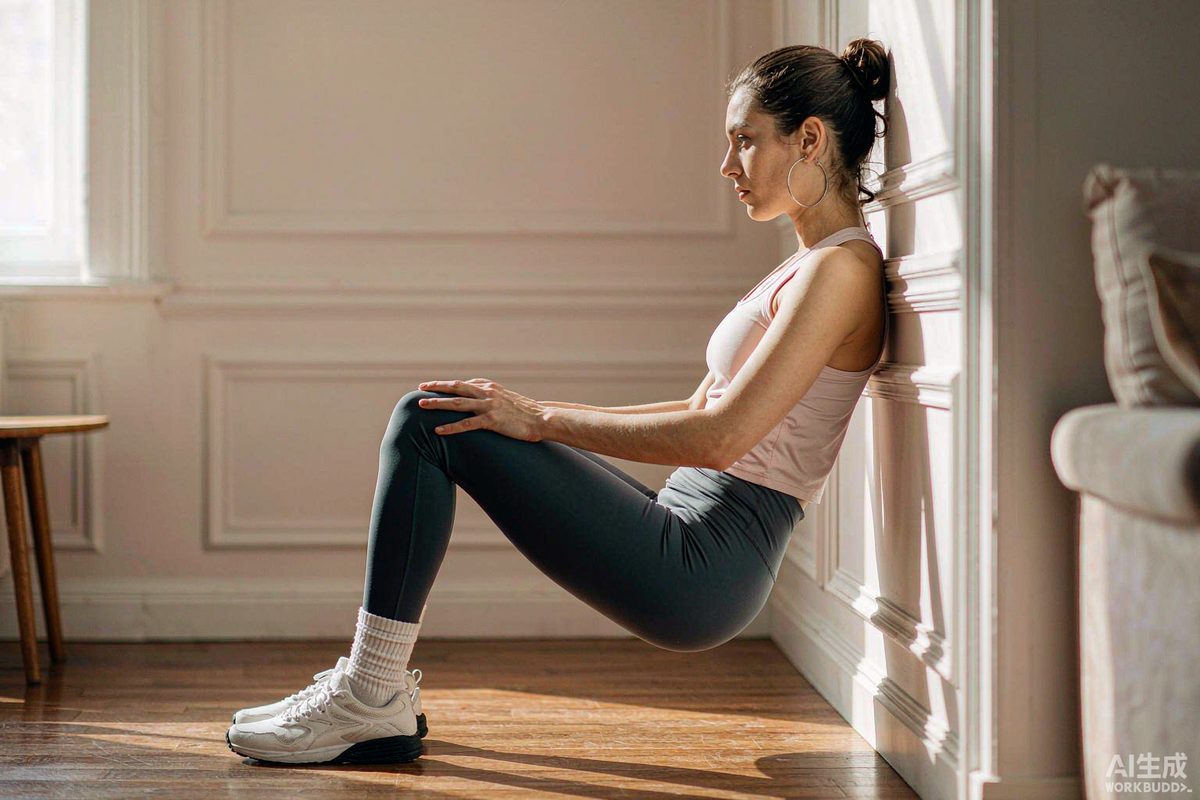
Three findings shaped every pick below. First, the walking trial. Abe and colleagues had older adults walk twenty minutes on a treadmill with pressure belts above the thighs, five days a week for six weeks; the cuffed walkers gained thigh muscle size, knee strength, and functional test performance that the uncuffed walkers did not.
It is the cleanest demonstration that this method does not require a gym — a walk becomes training when the limb's plumbing is gently constrained.
Second, the tendon result. A common objection holds that low-load training, cuffed or not, cannot strengthen tendons the way heavy work does.
Centner and colleagues tested that directly over fourteen weeks and found that low-load training with restriction improved Achilles tendon stiffness and size about as much as high-load training did — an early but consequential finding, since tendon capacity is exactly what older and post-injury trainees are most worried about.
Fourteen weeks is also worth noting: this is a slow-adapting tissue, and anyone buying cuffs for a four-week window is misreading the timeline.
Third, the population that most needs this gear got its own meta-analysis. Fabero-Garrido and colleagues synthesized trials in healthy adults over sixty and found that low-load training with restriction beat ordinary light training on both strength and hypertrophy, while landing close to — though slightly below — conventional heavy training on strength.
Read those three studies together and the category's promise holds, with one condition visible in all of them: every trial calibrated its pressure and enforced its protocol. The gear reviews below are, in effect, a search for the home versions of those two conditions.
A fourth finding shaped the pricing logic, though it comes from our own use rather than the literature: the method's cost is mostly adherence, not hardware. The sessions are short and the equipment is small, which sounds like a recipe for consistency and is actually the opposite — gear this portable gets skipped this easily.
Every pick below was filtered for objects that create a small fixed ritual rather than a project, because the trials' supervised consistency is exactly the thing a home setup has to manufacture on its own.
- Cuffed walking built muscle and function in older adults in six weeks — no gym required, just consistent pressure.
- Every positive trial used calibrated pressure and a strict 30-15-15-15 protocol. The hardware below is judged on how close it lets you get to both.
"The trials calibrated their cuffs and kept their clocks. Most home setups do neither, and the results show it."
Elastic Bands: The Cheap Entry With a Gauge Problem
The elastic wrap is where almost everyone starts, because ten to thirty dollars is an easy experiment and the category's Instagram presence is built on them. We will not pretend the wraps do nothing — applied sensibly, they slow venous return enough to make light sets expensive, and plenty of trainees have gotten real work done with them.
But the design has a structural flaw the price tag hides: the only pressure gauge is your own pull, and your own pull is exactly the thing that cannot be trusted in a fatiguing set. A wrap that felt right at repetition five has tightened further by repetition twenty as the muscle swells beneath it, and the direction of that drift is toward full occlusion, numbness, and a session that ends badly.
The buying criteria, such as they are: choose width over tightness — a wider wrap needs less tension to work, which buys margin against over-tightening; choose fabric that grips itself reliably over slick material that walks; and size the arm band separately from the leg band rather than sharing one length between limbs that have nothing in common proportionally. Then impose rules the product cannot enforce for you.
Toes and fingers stay warm and pink. Sensation returns within seconds of release. The wrap never stays on between exercises. Any tingling means the set is over, not that the method is kicking in.
Who should skip this category entirely: anyone with a clot history, vascular disease, uncontrolled blood pressure, pregnancy, or blood thinners — the trial evidence that makes this method respectable screened those conditions out, which means it says nothing reassuring about them. Everyone else: the bands are a legitimate on-ramp, priced accordingly, with a ceiling you should be aware of before you buy.
Two final notes on the category itself. First, sizing runs small — the same wrap sold as one-size-fits-all will sit at genuinely different pressures on a slim forearm and a thick thigh, which is a design flaw rather than a fitting challenge, and the honest response is buying separate leg and arm wraps rather than sharing.
Second, durability is mediocre across the board; elastic fatigues, and a wrap that has lost its snap has lost its calibrated-ish feel, so plan on replacing them within a year or two of regular use. At fifteen dollars that is tolerable. Just do not let a dead wrap masquerade as a working one.
- Elastic wraps work but drift tighter as the set progresses — wider wraps at lower tension give you margin.
- Hard stops: tingling, coldness, discoloration, or marks that linger after release. Each one means the pressure is wrong, not that you are adapting.
"The band's only gauge is your own hand, and your hand gets less trustworthy every repetition."
Pneumatic Cuffs: Pressure You Can Actually Set
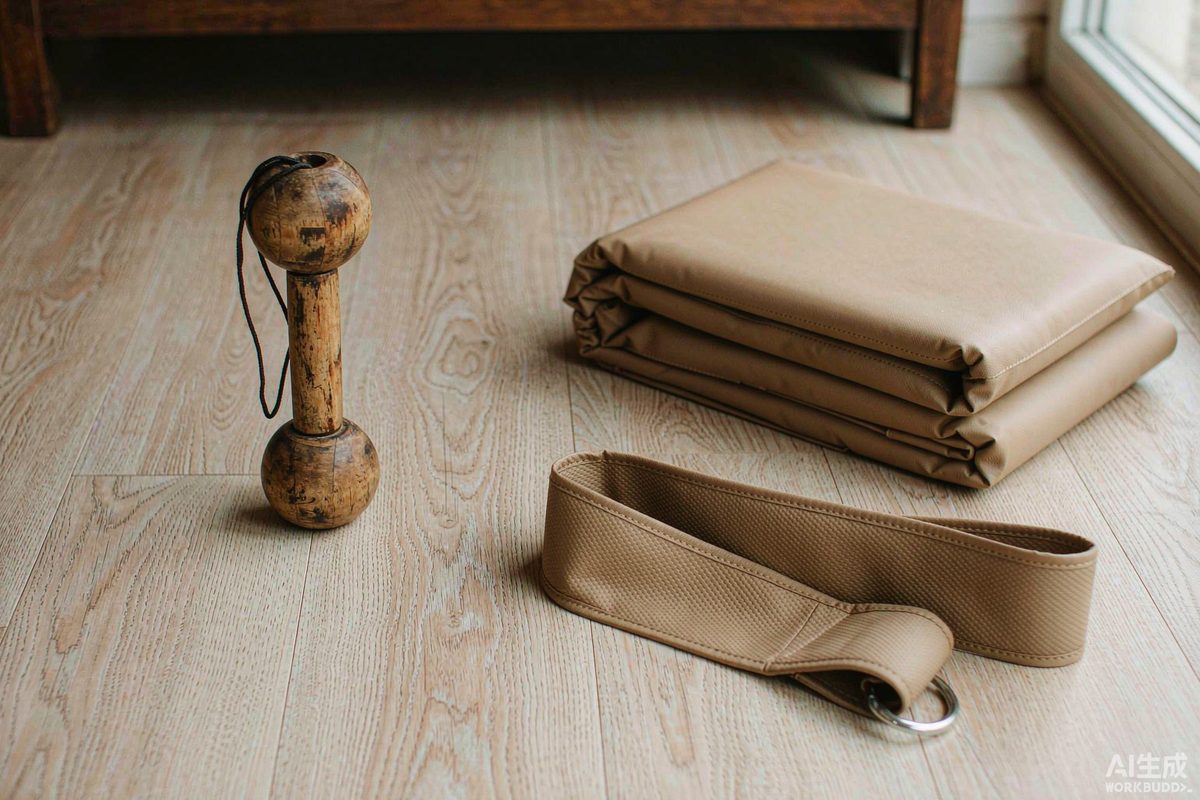
The pneumatic system is the version the trials actually used, and after a season with both categories we can report that the price gap buys exactly one thing — repeatability — and that repeatability turns out to be most of the benefit.
A cuff with a dial and a hand pump lets you write down a number, train at it, and return to it next session, which converts your training from a series of sensations into a series of records.
The 2022 meta-analysis in older adults found that higher, individually calibrated cuff pressures produced greater strength gains than ordinary light training — calibration was not a nicety in that data; it was a variable that moved the outcome.
Within the category, three specifics separate the systems worth owning from drawer furniture. A gauge that reads while inflated, so drift is visible mid-set rather than discovered afterward. A leg cuff meaningfully wider than the arm cuffs, because thighs and upper arms have different tissue depths and different occlusion pressures, and a one-width-fits-all kit is quietly optimizing for neither.
And a pump-and-lock mechanism operable one-handed, because you will be strapping these on tired. Prices run from roughly eighty dollars for a single-limb kit into the low hundreds for multi-cuff sets; the multi-cuff versions matter only if you plan to train both legs in one session, which, in fairness, most walking-based protocols do.
The honest demotion: if you are disciplined, healthy, and price-sensitive, a well-used elastic wrap at sane tension delivers most of this value. The pneumatic system buys the margin that discipline provides manually. We think the margin is worth it for anyone planning months of training — the same argument as buying a food scale after a year of eyeballing portions.
- Buy for repeatability: a live gauge, limb-specific widths, one-handed operation. Everything else in the category is decoration.
- Record the pressure number next to your exercises in the log. A setting you cannot reproduce is a setting you never had.
"The pump buys repeatability, and repeatability is most of the training effect the trials reported."
A Timer Does the Third Job
Nobody photographs this purchase, which is a shame, because it enforces the part of the method most often botched. The trial protocols are unbending about structure: thirty repetitions, three sets of fifteen, thirty seconds of rest, cuffs inflated the whole time.
Miss the rest windows by even a little and the metabolites the cuff has been accumulating get a head start on clearing, and the set you just did bought less than the number on the dumbbell suggests. Rest ninety seconds — the length of one distracted phone check — and the session starts resembling ordinary light training with accessories.
The arithmetic of failure is human and predictable. Counting thirty slow repetitions while your quadriceps burn is the kind of working-memory task people get wrong at the best of times, and by the third set they are guessing. Resting exactly thirty seconds requires either a metronome discipline nobody brings to a workout or a device that beeps.
Hence the pick: a programmable interval timer with a large display and a loud alarm, configured once for the 30-15-15-15 scheme and ignored thereafter.
Selection criteria are short. Programmable intervals, not just stopwatch mode. A display angled and sized to read from the floor, because the timer will live on the floor. An alarm audible from another room, since BFR sessions are quiet affairs and headphones defeat the purpose. Battery life measured in months, not workouts — a timer that needs charging is a timer whose excuse to skip arrives built in.
And one design note from use: a physical button beats a touchscreen at rep thirty, when your hands are occupied and your attention is elsewhere.
- The 30-second rest window is load-bearing. Miss it consistently and cuffed light training degrades toward ordinary light training.
- Configure the timer once for 30-15-15-15 and stop counting in your head — working memory is the first casualty of a hard set.
"The cuffs create the stimulus. The timer keeps it inside the parameters the studies actually used."
Rules Worth Reading Twice
Because this category's failure modes are physical rather than financial, the usage rules outrank the product picks, and they come mostly from the consensus safety guidelines the field's researchers published in 2019.
Pressure belongs to the individual: the trials calibrated to each person's limb occlusion pressure, and while home users cannot measure that precisely, the practical translation is a cuff that feels firm without killing the pulse downstream — the limb stays warm, pink, and capable of light sensation throughout.
Duration belongs on a leash: sessions are short, bands come off between exercises in most clinical protocols, and nothing about this method rewards leaving a limb compressed while you answer emails.
The exclusion list is the paragraph to photograph. Deep vein thrombosis history, peripheral arterial disease, uncontrolled hypertension, pregnancy, recent surgery in the limb being wrapped, active infection, cancer under treatment, anticoagulant medication — each of these is a conversation with a clinician before any inflation, not a footnote.
The trial populations that produced the good results were screened by professionals; that screening, not luck, is part of why their adverse events stayed rare.
And a rule about escalation, learned expensively: the method's sensation — burn, swelling, fatigue — sits close enough to genuine warning signs that the distinction has to be memorized before the first session. Burn in the muscle belly is the design. Tingling past the cuff, coldness, color change, or sharp pain under the band are the exit. Write the exit list down if you have to.
It is the cheapest insurance this category sells, and unlike everything above, it is free.
A word on progression, since the guides rarely cover it. Pressure does not need to climb the way barbell weight does; the sensible progression is adding load slightly, or adding a set, while the cuff setting stays recorded and stable.
Chasing ever-higher pressures is the one direction of progression with a real downside — the margin between a strong stimulus and full occlusion narrows as pressure climbs, and nothing in the trial record suggests the higher pressures build more muscle than the standard range. Boring, repeatable, moderate: the progression advice for cuffs reads like the progression advice for most training, and for the same reasons.
- Warm, pink, lightly sensate is the target limb state. Tingling, cold, or discolored means stop, unwinding fully before deciding anything else.
- If any condition on the exclusion list is yours, the screening that made the trials safe excluded you. Get a clinician's read first.
"Burn is the design. Tingling is the exit. Memorize the difference before the first set, not during it."
The Honest Ledger
The category's claims, weighed against the trials: real, bounded, and dependent on execution. Cuffed low-load training does build muscle and strength in populations the heavy bar excludes — the older-adult meta-analysis, the walking trial, and the tendon study all say so, and the clinical rehabilitation literature said it first.
It does not out-train heavy lifting for maximal strength in healthy people, and no reading of the evidence supports the reels that claim otherwise. The gear itself is the least standardized part of the whole method: the trials used calibrated pneumatic systems on screened populations, while the marketplace sells elastic bands whose pressure is a mood.
Our picks are ranked by honesty rather than excitement. The timer first, because it enforces the protocol and costs the least. The pneumatic cuffs second, for anyone committed to months of training and to numbers they can repeat. The elastic bands third, as a screened trainee's cheap on-ramp, bought with eyes open about drift and over-tightening.
A season in, our own corner runs cuffs and timer; the bands survived as the travel option, which is, we suspect, their durable niche.
If the whole category collapses to a single recommendation for a hesitant buyer, it is this: run two weeks of light sessions with strict thirty-second rests and a cheap timer, no cuffs at all, and observe honestly how consistent you were. The adherence that two weeks reveals is a better predictor of results from this method than any spec sheet, and it costs twelve dollars to find out.
One closing note from the classical side, offered as perspective rather than mechanism. The Suwen's line about feet and blood and walking is a statement about dependence — function runs on circulation, always has.
The cuff is a modern, measured, temporary interruption of that supply, and the tradition's own texts on stagnant blood read like a caution written for exactly this century: the pooling is tolerable only because it ends. Every safe session in this category honors both halves — the constraint that works, and the release that makes it training instead of harm.
When the cuff comes off and the warmth floods back, the Lingshu's description of the open road is as accurate as anything in the physiology papers: the channel clears, and blood and qi move.
- Ranked for honesty: timer first, pneumatic cuffs second, elastic bands as a cautious on-ramp — not a full kit.
- Real but bounded: valuable where heavy loads are out of reach, not a replacement for them. The method's safety record lives in screened populations; replicate the screening.
"The constraint is only half the method. The release is what makes it training."