Replacing a Ritual Takes Equipment, Apparently
There is a school of thought that says swapping a nightcap for herbal tea is a downgrade in a teacup — less alcohol, less ceremony, less occasion. We held a version of that view too, until a colleague who had actually made the swap showed us why hers worked: she had rebuilt the ritual, not just substituted the drink. The kettle was right, the pot showed off the flowers, the cup was one worth holding.
Nothing about it felt like a penalty.
That reframed the whole test. The gear is not an accessory to a bedtime herb; in practice it is the ritual, because nobody sustains a nightly wind-down built on a chipped mug and water boiled twice. So we set up three brewing paths — a variable-temperature gooseneck kettle, a glass teapot with a proper infuser, and a lidded ceramic mug — and lived with each for several weeks of ordinary evenings.
The criteria were narrower than you might expect. Quiet above all: a kettle that roars at night undoes what the herbs are for. Heat that lasts, because a slow cup goes cold mid-pour. Cleanup low enough that a tired person still bothers. And a small thing that turned out to be large — each setup had to make the pause feel earned rather than assigned.
Before the gear, a word on what is actually in the cup, because the honest version is quieter than the marketing. Herbal tea at bedtime is a modest, gently supported ritual — the trials behind chamomile show real but small effects, more on anxiety and subjective calm than on measured sleep. The warm drink, the held cup, and the fifteen screen-free minutes carry much of the load.
Pick your gear accordingly: you are furnishing a ritual that happens to involve plants.
Who this is for also shapes what follows. If you already own a kettle that holds temperature and a mug you love, buy nothing — read the herb section and stop. This review exists for the person standing in the kitchen at nine with a tea bag that tastes like warm water and a habit that has not yet become a ritual. Small purchases, made once and made sensibly, in service of an evening that repeats every night.
That person sat in the room for every week of the testing below.
- Set a caffeine curfew, not just a bedtime rule: green, black, and oolong all count against it, roughly eight hours before lights-out.
- Brew for the pause, not the pharmacology. If the setup makes you want to linger, it is the right one.
"When the mind is calm and without desire, true qi follows obediently, and the essence and spirit are guarded within."
What the Chamomile Trials Actually Found
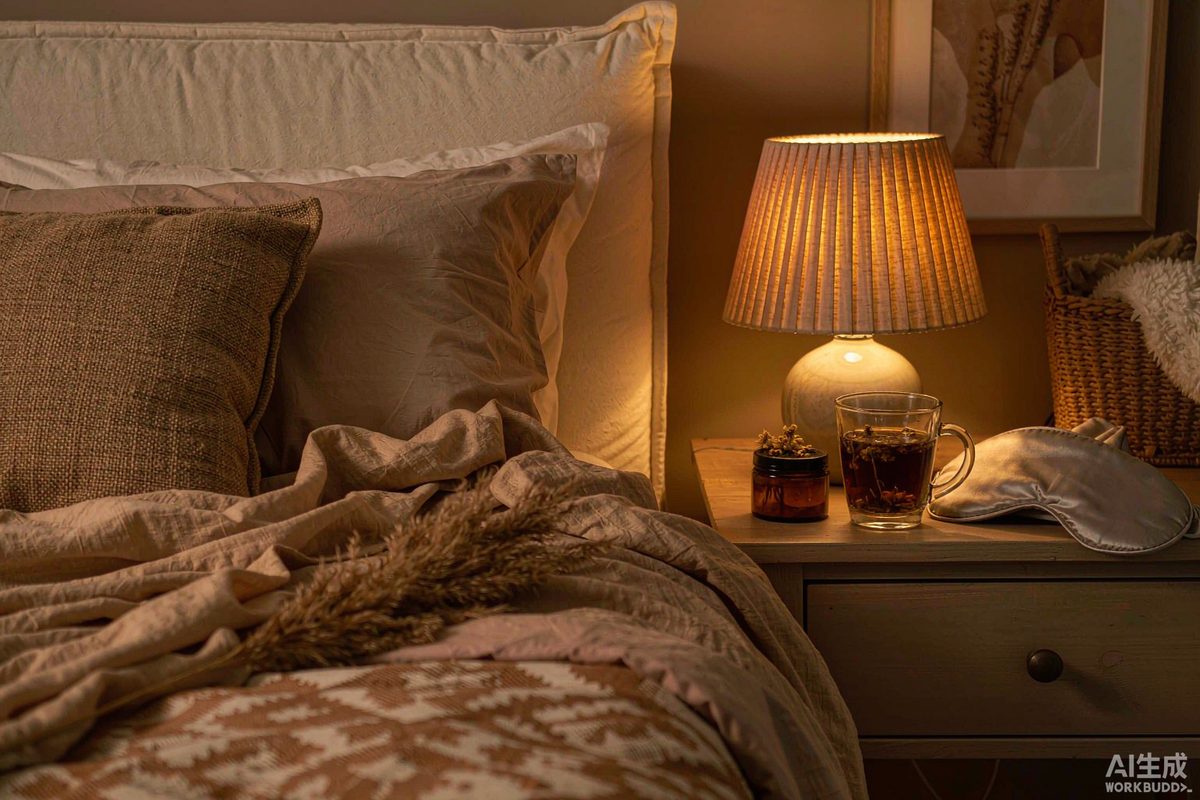
Chamomile is the best-studied bedtime herb, and its trial record is worth reading closely, because it is more encouraging than skeptics claim and less than tea companies imply. A 2011 randomized placebo-controlled trial gave a standardized chamomile capsule to adults with chronic primary insomnia for eight weeks.
The objective sleep measures — the wrist-actigraphy numbers — moved only modestly and did not separate cleanly from placebo. Subjective measures fared better: participants reported improved daytime functioning, less fatigue, and a general sense of sleeping better than the capsule had strictly proven.
A 2017 clinical trial in older adults used four weeks of chamomile extract and found better sleep-quality scores than placebo, and a 2019 systematic review pulling together the chamomile trials concluded that the strongest, most consistent signal was against anxiety — state anxiety especially — with insomnia results mixed and sleep quality somewhere in between.
Read those three findings together and a reasonable summary emerges: chamomile reliably takes an edge off the evening, sometimes improves how sleep feels, and does not demonstrably rebuild sleep architecture.
That last clause matters for expectations. If your problem is a racing mind at ten o'clock, a quiet ritual with plausible anxiolytic support is a reasonable tool. If your problem is insomnia three nights a week for a year, no tea fixes it, and the first-line treatment is a therapy called CBT-I, not a teapot. We will say this again at the end, because gear reviews have a way of forgetting it.
What the trials do not test — and cannot — is the ritual value, which is precisely where the equipment below earns its keep.
Two practical notes from running the brewing alongside the reading. First, the trials used measured extracts — capsules in the hundreds of milligrams — so a single cup is a gentler exposure, and nobody should map trial numbers onto a mug one to one.
Second, the anxiety effect is the more useful target anyway: most people's bedtime problem is not falling asleep but putting the day down, and that is the outcome chamomile's evidence supports best. It quietly reframes what 'worked' should mean for an evening brew.
The Precision Pour: Variable-Temperature Gooseneck Kettle
Delicate flowers punish carelessness. Chamomile, lavender, lemon balm, and most of the herbs suited to evenings prefer water in the 70-80 degree Celsius range; a rolling boil dumps 100-degree water onto them and pulls out the bitter compounds alongside the pleasant ones. The difference is not subtle.
In side-by-side tasting during week one, the same chamomile brewed at a full boil tasted like hay with an edge, while the 75-degree brew was rounder and faintly sweet. '
The gooseneck kettle is the tool for holding that line. You set a temperature, it stops there, and the hold function keeps it there — no re-boiling, no thermometer hovering over a stovetop at the end of a long day.
The narrow spout pours slowly and quietly — quietly above all, since several of the kettles we rejected did everything else right and then bellowed like a breaking train at 9:40 PM, which is a design failure in this specific category even if the spec sheet never lists noise.
The costs are honest ones. This is the priciest option by a wide margin, it lives on a counter rather than in a cabinet, and it invites gear-nerd behavior — one of our testers now owns a scale and logs steep times, which is either enlightenment or a warning depending on your household. The kettle earns its place if you drink evening herbs several nights a week and care about flavor.
If you brew twice a month, it is a beautiful overreaction.
- Start at 75 degrees Celsius for chamomile and most flower blends; drop to 70 for green-adjacent herbs, and save full boils for roots and seeds.
- Descale monthly if your water is hard — the temperature accuracy quietly drifts otherwise.
The Theater Option: Glass Teapot with a Fine Infuser
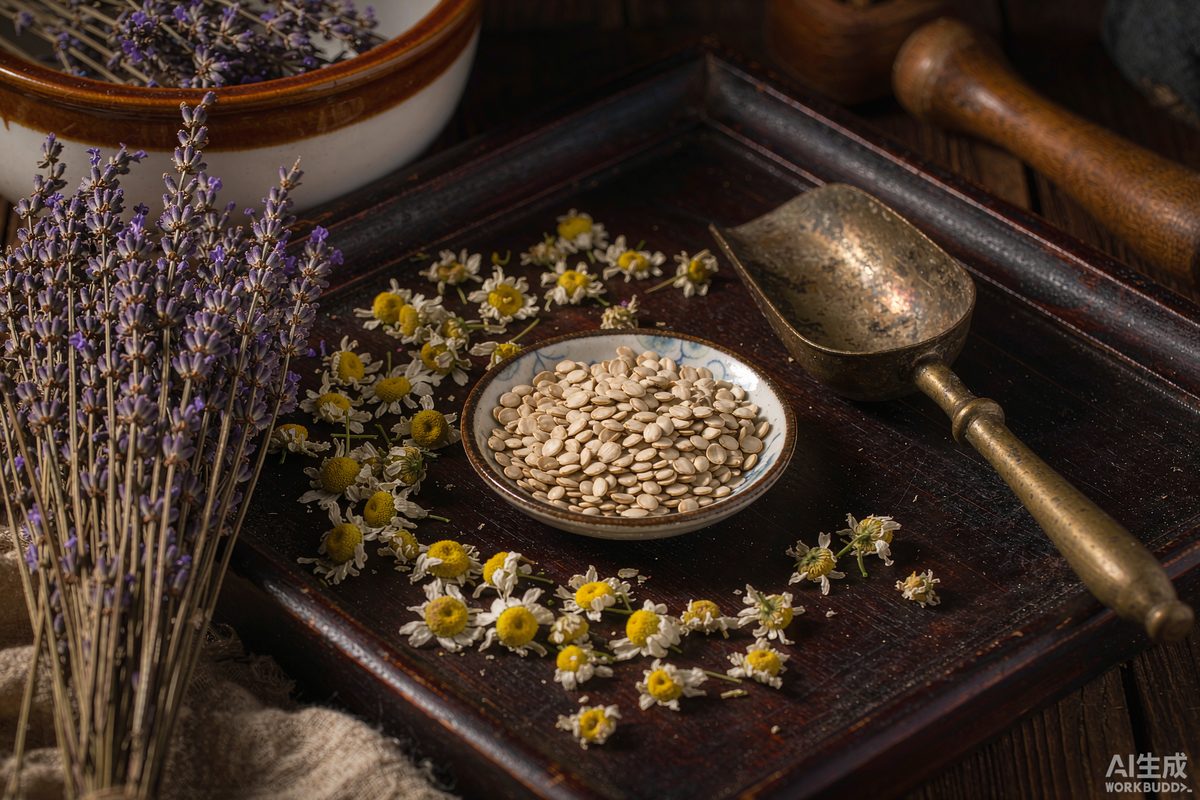
Half the wind-down is watching something happen slowly, and the glass teapot delivers that in a way no mug can. Flowers unfurl. The water shifts color from nothing to amber to gold. Our suan zao ren blend, brewed in glass, put on a small show every night for five weeks, and nobody in the office got tired of it — which is the strongest evidence we collected that the ritual value here is real rather than imagined.
Practically, you want borosilicate glass (stovetop-safe on low heat, and it survives a cold counter under a hot pour), a removable stainless steel infuser basket with a fine mesh, and a capacity of 600 to 900 milliliters — enough for two cups or one generous, unhurried one. The removable basket is not negotiable.
The first teapot we tested had a built-in coarse strainer, and by minute ten every cup had loose flowers drifting in it, which turns drinking into a filtering chore and the last cup into sludge. A lift-out basket ends the brew cleanly when the color is right.
The weakness is heat: open glass loses warmth fast, and our pot was lukewarm by the fifteen-minute mark. That is a feature if it paces you to drink while warm, a flaw if you nurse slowly. Pair it with the kettle above for a full evening theater, or accept the cooling curve as part of the ritual's timer.
Fragility is real — this is the option with a shorter expected lifespan in a house with cats, and one of ours did not survive the test period. The replacement cost, fortunately, is modest.
- Lift the infuser out at the color you like, not the clock. Herbs over-steep quietly and turn bitter without changing appearance much.
- Check the mesh size before buying: under roughly 0.3 mm holds small flowers and cut leaf; coarser baskets leak dust into every cup.
"Sour jujube seed, sour and neutral in nature: it settles the knotted qi of the chest and abdomen, and long use brings peace to the five zang organs and a quiet spirit."
The Sleeper Favorite: Lidded Ceramic Infuser Mug
The cheapest setup won the test, which our budget-averse editor announced with visible delight. The category is simple: a ceramic mug with a stainless infuser basket that sits inside while herbs steep and lifts out when the brew is done, and a ceramic lid that goes on top during the steep. That lid, it turns out, is the quiet genius of the design.
It holds heat, keeps the aromatics in the cup instead of drifting across the room, and doubles as a coaster when flipped — a small kindness to nightstands everywhere.
Ceramic is the reason this beats every double-walled metal mug we tried. The cup warms in your palms and stays that way for a long time, which matters more than the spec sheet suggests; warm hands are half the nightcap's appeal, and our testers kept reaching for the ceramic one without being asked to. Heat retention through the drink itself ran comfortably ahead of the glass teapot.
Cleanup is one piece, rinsed in ten seconds — on tired nights this was the setup that actually got used, while the more photogenic options waited in the drying rack.
The limits are honest ones. No theater, no shared pot, no flower show. If part of your wind-down is brewing for a partner, this serves one. And the infuser basket in cheaper models can be shallow, so fill it generously but expect one good steep rather than a second pour. For most people, most nights, that is not a limitation.
It is the whole product: a warm, lidded, sensible cup that shows up at nine-thirty and asks for almost nothing in return.
One comparison we ran that the market does not bother with: these mugs against plain teabags in an ordinary cup. The difference was larger than expected, and mostly about temperature — a teabag mug loses steam in minutes, while the lidded ceramic held a drinkable temperature past the twenty-minute mark in our timing. If the wind-down is meant to be slow, the container has to keep up.
Fast cups quietly train you to gulp, and gulping is the opposite of the ritual.
- Steep covered. The lid keeps volatile aromatics in the cup — with it off you are brewing the room's smell, not the tea's.
- Buy for heft: a mug that feels substantial in the hand is doing part of the ritual work. Thin, light ceramic underperforms here for reasons no one can quite justify.
What to Put in the Cup: Old Herbs and New Labels
The gear is settled; the contents deserve their own honesty. Chamomile carries the modern evidence base, thin but real, as covered above. Lemon balm and lavender have smaller trials behind them and long traditional use. From the classical Chinese cabinet, two herbs stand out for the evening.
Sour jujube seed — suan zao ren — is the oldest named bedtime herb in the materia medica tradition, cited in the Shennong Bencao Jing for settling the spirit, and it remains the anchor of classical formulas for restless sleep; it is usually simmered as a decoction or ground and steeped, since seeds give up their content slowly.
Poria — fu ling — shows up beside it in those same formulas, a bland, mild fungus used to drain dampness and calm the spirit at once; it brews pale and tastes faintly of nothing, which is not an insult in this company but a fair warning.
A practical evening blend that worked for our testers: one teaspoon chamomile, half a teaspoon lemon balm, a few slices of dried jujube fruit for body. Steep covered at 75 degrees for five to seven minutes. Simple, widely available, and forgiving of imperfect water.
Now the cautions, taken seriously because herbs are chemistry too. Start one herb at a time so an upset stomach has an obvious suspect. Chamomile crosses-reacts for some people with ragweed allergies — itching or swelling means stop.
If you are pregnant, taking blood thinners, sedatives, or managing a condition, check with a pharmacist or physician before adding concentrated herbal habits; traditional use is a starting point for that conversation, not a substitute for it. And label-read the blends: 'bedtime tea' is marketing, not an ingredient list.
- One new herb at a time, three nights minimum, before judging or blending.
- Ragweed allergy family: chamomile can cross-react. Any itching or swelling ends the experiment.
- On medication — especially sedatives or blood thinners — clear new herbs with a pharmacist first.
Honest Limits, and One Last Pour
Everything above should come with the same footnote, so here it is in plain text. Tea is not treatment. The chamomile trials show modest effects on subjective calm and sleep quality, not the transformation that marketing implies, and none of the gear below changes the pharmacology by a single degree — it changes the ritual, which is a real but different good.
If sleep is a chronic problem, the evidence-based first move is CBT-I, and a clinician beats a teapot every time. We would be selling rather than reviewing if we implied otherwise.
The gear comparison, honestly restated: the gooseneck kettle wins on precision and belongs to nightly brewers who care about flavor; the glass teapot wins on occasion and pays for it in fragility and cooling; the lidded ceramic mug wins on sheer reliability and cost, and it is what most of our testers kept reaching for by week four. Buy one, not three. The point was never the equipment.
Which leaves the last pour, and the reason the whole test started. The nightcap worked because it was an occasion — a marked edge to the day, warm glass in hand, ten minutes of nothing. That can be brewed without the ethanol, and once the kettle is quiet and the cup is warm and the phone is in the other room, it becomes an open question whether the original drink was ever doing the heavy lifting.
Our colleague says she stopped missing the wine by the second week. She does not miss the 3 AM wake-ups at all.
A closing practical note for households rather than individuals: the ritual scales. Two mugs, one pot, the same quiet kettle — the wind-down described here is easier to keep with company than alone, and the accountability is nicer than any tracker. Whoever said the pause matters more than the drink never said the pause had to be solitary.