The Aisle Is Designed to Confuse You
Walk the supplement aisle and you'll find fifty bottles all promising the same thing in slightly different fonts. Glucosamine. Chondroitin. MSM. Turmeric. Curcumin. Collagen. Hyaluronic acid. Boswellia. Eggshell membrane.
Each one is 'clinically studied,' each one is 'the one doctors recommend,' and none of them will tell you that the effect they're promising is, at best, modest — and that the two most effective interventions for joint pain aren't sold in the aisle at all.
Let's get that out of the way first. The single most evidence-backed treatment for knee osteoarthritis pain isn't a pill. It's exercise — specifically, strengthening the muscles around the joint — and, for people carrying extra weight, losing it. Every pound of body weight lost takes roughly four pounds of force off the knee with each step.
A Cochrane review and a string of trials keep landing on the same conclusion: movement and strength work beat or match what most supplements can do. That's not exciting to sell, so the bottles get the shelf space and the pills get the hope.
The supplements do have a role. Just a narrower one than the label claims. Here's the honest map of the three you'll actually see everywhere, what the real trials found, and what's worth your money.
- Set expectations before you spend: even the best joint supplement is a slow, modest aid, not a painkiller. If you need relief this week, you're shopping for the wrong tool.
- The two free interventions — strength training and, if relevant, weight loss — outperform the paid ones. Do those first, then decide if a supplement still feels worth it.
"Treating disease after it has arisen is like forging weapons after war has begun. The wise physician strengthens the sinews before they fail."
Glucosamine and Chondroitin: The Veterans

Glucosamine and chondroitin have been the default joint supplement for thirty years, and for a reason: they're the actual building blocks of cartilage. Glucosamine is an amino sugar that feeds the synthesis of glycosaminoglycans — the molecules that give cartilage its spongy, shock-absorbing structure.
Chondroitin sulfate is one of those glycosaminoglycans itself, a long sugar chain that helps cartilage hold water and resist compression. MSM, the third member of the usual trio, is an organic sulfur compound that shows up in connective tissue.
The logic is sound: supply the raw materials, support the repair. The problem is that cartilage is slow, avascular tissue, and swallowing its building blocks doesn't mean they arrive at the knee in useful form. Some of the dose is broken down in the gut. Some circulates. '
Part of the mess is historical. Early European trials of glucosamine sulfate, many funded by manufacturers, showed impressive reductions in pain and joint-space narrowing. North American trials, run more independently, found weaker effects.
The disagreement was eventually traced to a few things: the form used (sulfate versus hydrochloride), the funding source, and — quietly — the fact that pain trials are noisy, because placebo responses are huge and real. Different populations, different expectations, different results.
What's consistent across the mess: these are safe supplements. Side effects are rare and mild, mostly stomach upset, and they're dramatically safer than the long-term use of prescription NSAIDs they're often compared against. And there's a subgroup of people — typically with moderate-to-severe knee osteoarthritis, not mild creakiness — who seem to get a real, if partial, reduction in pain and stiffness.
The trick is knowing whether you're in that subgroup before you hand over forty dollars a month. That's what the big trial tried to answer.
- Glucosamine sulfate, not glucosamine hydrochloride, is the form with the most positive trial data. Check the label — the two are not interchangeable.
- If you try it, commit to a genuine 12-week trial and track pain on a simple 0–10 scale twice a week. A supplement that takes months to work can't be judged in a week.
- Expect variation between brands and batches. The supplement aisle is lightly regulated, and two bottles of 'glucosamine' may contain meaningfully different amounts of the active compound.
What GAIT Actually Found
The GAIT trial — the Glucosamine/chondroitin Arthritis Intervention Trial, published in the New England Journal of Medicine in 2006 — is the study everyone cites and almost nobody has actually read. It was big and clean: 1,583 people with painful knee osteoarthritis, randomized to glucosamine alone, chondroitin alone, the combination, celecoxib (a prescription anti-inflammatory), or placebo, followed for 24 weeks.
The headline result, the one the 'supplements are useless' crowd loves: in the full group, the combination didn't beat placebo by a statistically significant margin on the main pain measure. Glucosamine alone didn't either. Chondroitin alone didn't either.
The placebo response was huge — around 60% of people on the sugar pill reported meaningful improvement — which is normal for pain trials and which makes it genuinely hard for any treatment to look good.
But there was a subgroup, and this is the part the headline dropped. Among people with moderate-to-severe pain at the start — not the mild creakiness most of us have — the glucosamine-chondroitin combination beat placebo by a wide margin, a 79% response rate versus 54%. For that slice of people, the veterans actually worked.
Celecoxib worked too, with the usual stomach and cardiovascular cautions that come with prescription NSAIDs.
So the honest translation: if your knee pain is mild or occasional, glucosamine and chondroitin are probably not going to do much for you. If it's moderate-to-severe osteoarthritis, the combination is a reasonable, safe thing to try — with the understanding that even then, roughly one in five people won't respond. It's not a scam. It's not a miracle. It's a coin with better odds for the right person.
- Match the supplement to your pain level, not your hope level. Mild, occasional creakiness is the group where glucosamine/chondroitin did worst in GAIT.
- Celecoxib and other NSAIDs aren't 'just stronger supplements.' They carry real risks with long-term use — a reason many people look at the natural options first, even if the effect is smaller.
"Know the pattern before you prescribe the remedy. What strengthens one patient leaves another unchanged — the art lies in matching the medicine to the person."
Curcumin: The Underdog With Better Data
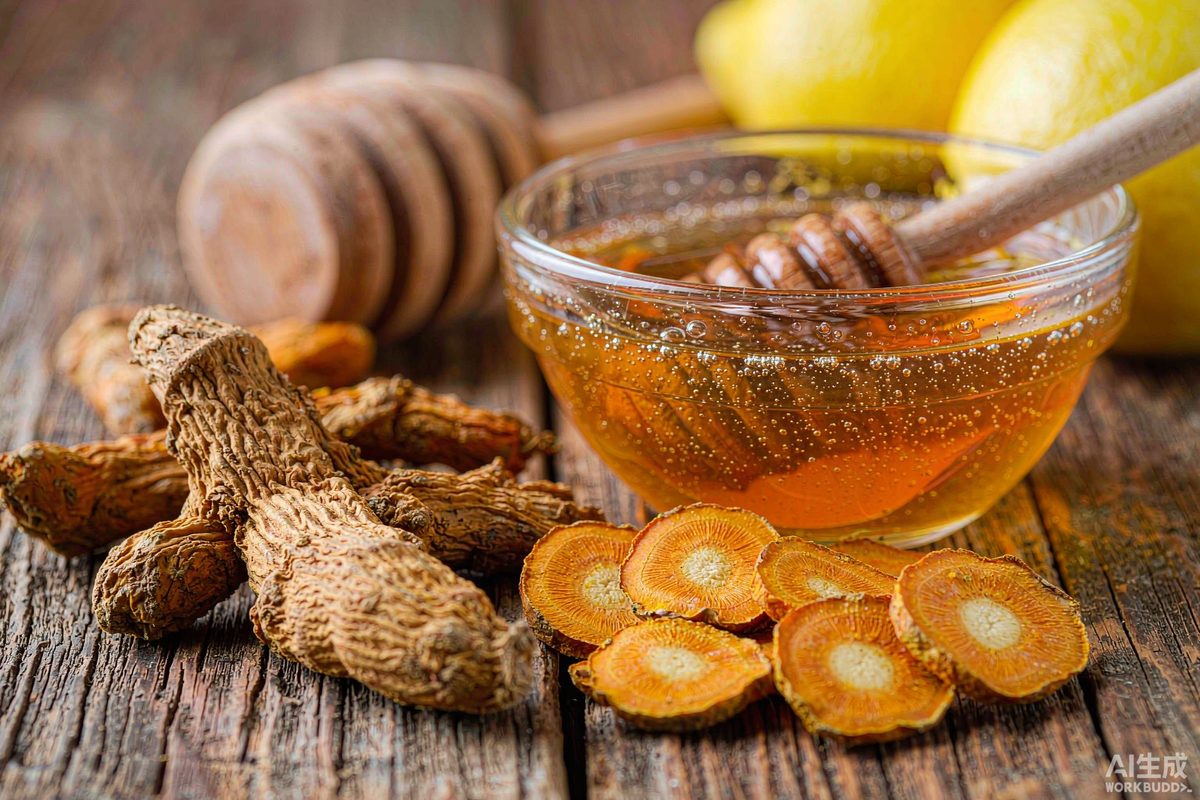
Curcumin is the part of turmeric that gives it its yellow color and most of its biological activity, and it quietly has the best modern evidence of anything in the joint aisle.
The reason it isn't more famous is twofold: turmeric is a kitchen spice, so nobody's built a billion-dollar brand around curcumin the way they have around glucosamine, and plain curcumin is so poorly absorbed that early studies using raw turmeric got weak, inconsistent results.
The absorption problem has a fix. Pairing curcumin with piperine, a compound in black pepper, raises its bioavailability dramatically — by twentyfold in some measures. The better studies use a curcumin extract with enhanced absorption, and that's where the results get interesting.
The standout is a 2014 randomized trial out of Thailand, published in Clinical Interventions in Aging, that put 367 people with knee osteoarthritis on either a curcumin extract or ibuprofen for four weeks. The curcumin matched ibuprofen on pain and function — walking distance, stiffness, stair climbing — with fewer stomach complaints.
That's a remarkable result: a spice-derived compound holding its own against a standard anti-inflammatory drug on hard, functional endpoints.
The mechanism is plausible and well-mapped. Curcumin blocks several of the inflammatory pathways that drive osteoarthritis — COX-2, prostaglandins, and the cytokines that keep cartilage-damaging enzymes switched on. In TCM terms, turmeric has always been classed as a Blood-moving, Wind-Damp-dispelling herb — the classical category for exactly this kind of stiff, inflamed joint pain.
The old materia medica and the modern pharmacology, for once, point at the same target.
The caveat: curcumin is anti-inflammatory, not regenerative. It won't rebuild cartilage. What it does well is quiet the inflammation that makes a worn joint hurt and swell — which, for a lot of people, is the difference between using the stairs and avoiding them.
One more note on safety, because potency cuts both ways. Curcumin is generally well tolerated, but it can thin the blood, it can raise the stakes for anyone already on anticoagulants, and it can aggravate gallbladder issues in a small number of people. ' If you take blood thinners, or have gallstones, or are planning surgery, this is the one to clear with your doctor before starting. That's not alarmism.
It's the honest boundary on the best tool in the aisle.
- Bioavailability is the whole ballgame. A curcumin product without black pepper extract or another absorption enhancer is a weaker product, often at the same price.
- Curcumin is anti-inflammatory, so it works fastest of the joint supplements — you may feel it in weeks, not months. Judge it on a 4-week trial.
- It can interact with blood thinners and affect gallbladder function in some people. If you're on medication, ask before adding it — this one is potent enough to matter.
Collagen: A Lovely Theory, Thinner Evidence
Collagen peptides are the current darling of the joint-supplement world, and the pitch is genuinely elegant. Cartilage is mostly collagen — type II specifically — so why not eat collagen and let the body rebuild? The marketing writes itself, and the products are flying off shelves, mostly as hydrolyzed powders you stir into coffee or smoothies.
Here's where the theory hits reality. When you swallow collagen peptides, your stomach breaks them into individual amino acids — glycine, proline, hydroxyproline — before they're absorbed. There's no guarantee those amino acids get reassembled into knee cartilage rather than skin, or muscle, or burned for energy.
The body does seem to do something useful with them: a 2008 study in Current Medical Research and Opinion followed athletes with activity-related joint pain and found that 10 grams a day of collagen hydrolysate reduced pain, and a 2023 meta-analysis of randomized trials leaned positive on collagen peptide for knee osteoarthritis pain. The effect, though, was small — real but small.
The honest framing: collagen is safe, it's easy to take, and it may shave a bit of pain and stiffness for some people. ) and what the studies show (a modest reduction in symptoms, sometimes) is the widest of anything in the aisle. If you like it and can afford it, fine. If you're expecting a structural repair, you'll be disappointed.
There's a TCM echo worth noting too. The classical texts treat joints as nourished by Liver Blood and Kidney essence, and they favor slow, food-based tonics — bone broths, marrow, and collagen-rich cuts of meat — over concentrated extracts. A pot of slow-cooked bone broth is, in a very literal sense, the original collagen supplement. It's also cheaper than the powder.
- Type I and III collagen (the common powder) is mostly for skin, tendon, and ligament. If the goal is cartilage, type II is the theoretically relevant form — but the evidence for both is modest, so manage expectations either way.
- The commonly studied dose is about 10 grams of hydrolyzed collagen a day, and studies run 24 weeks or longer. This is the slowest of the three to show anything.
The Supplements I'd Skip
Not everything on the shelf earned a spot in this article. A few products show up constantly and, in my read of the evidence, don't justify the money — either because the evidence is too thin, or because the dose that works isn't the dose on the label.
Hyaluronic acid pills. Hyaluronic acid is the star molecule in synovial fluid, and injecting it directly into a knee joint has real, if debated, benefit. Swallowing it is a different story — the molecule is large and largely broken down in the gut, and oral trials have been inconsistent. The injection works locally. The pill is mostly a way to spend money on a molecule you can't get to the joint by mouth.
Eggshell membrane. A niche ingredient with a couple of small, industry-adjacent trials and a lot of confident marketing. The logic — eggshell membrane contains collagen, glucosamine, and hyaluronic acid all in one — is clever. The evidence base is a fraction of what glucosamine alone has. Skip it until someone runs a trial you'd actually trust.
Boswellia (frankincense extract). This one is more interesting than the other two — it's a genuine anti-inflammatory with some decent osteoarthritis data, and it fits squarely in TCM's Wind-Damp-dispelling tradition. The problem is standardization: the active boswellic acids vary wildly between products, and dosing is all over the map. It's not a bad idea so much as a hard one to buy correctly.
If you find a well-standardized product and your stomach tolerates it, it's defensible. It just didn't make my top three.
The pattern across all three: a plausible molecule plus a thin evidence base plus confident packaging. The three I covered first — glucosamine, curcumin, collagen — all have at least one solid trial behind them. These don't. That's the difference.
- Ask one question before any purchase: what's the biggest, cleanest trial behind this ingredient? If the answer is 'a small study funded by the manufacturer,' keep walking.
- Oral hyaluronic acid is the clearest case of a great molecule in the wrong form. The injection targets the joint; the pill targets your wallet.
How to Read the Label Without Getting Taken
Once you've decided an ingredient is worth trying, the label is where most of the money gets wasted. Here's what to actually look at.
First, the form. Glucosamine sulfate, not hydrochloride — the sulfate form carries the positive trial data, and a shocking number of cheap products quietly use the hydrochloride because it's cheaper. Curcumin with an absorption enhancer — piperine from black pepper, or a phospholipid or nanoparticle formulation — not raw turmeric powder.
Hydrolyzed collagen peptides, not gelatin, because hydrolysis breaks the protein into the small peptides the studies actually used. The form is the dose, in a very real sense.
Second, the dose per serving, checked against what the trials gave. Glucosamine studies mostly used 1,500 mg a day. Chondroitin, 1,200 mg. Curcumin, the 2014 trial's extract was equivalent to roughly 1,500 mg of curcuminoids daily — and if a product lists 'turmeric root 500 mg' instead of 'curcuminoids 1,000 mg,' it's mostly fiber, not active compound. Collagen, around 10 grams.
A serving that's a third of the studied dose is a serving that won't reproduce the studied result.
Third, third-party testing. Supplements are lightly regulated, and independent audits — USP, NSF, ConsumerLab — are the only real check that what's on the label is in the bottle. It's not glamorous, but it's the difference between a supplement and a gamble.
And a note that crosses over with the TCM framing: source and additives matter. Shellfish-derived glucosamine is a problem if you're allergic. A curcumin capsule padded with rice flour and flow agents is still mostly rice flour. Read the 'other ingredients' as closely as the active ones. The cheapest bottle is rarely the cheapest per effective dose.
None of this makes a mediocre ingredient great. But it makes a decent ingredient deliver what the studies promise — and that's the whole game, because a well-chosen supplement at the studied dose is the only version worth your money.
- Check dose-per-serving against the studied dose before checking price. A 'bargain' bottle with a quarter of the studied dose is the most expensive purchase in the aisle.
- Look for a third-party testing mark (USP, NSF, or ConsumerLab). It's the only real assurance that the label and the bottle agree.
- Read 'other ingredients.' A curcumin capsule padded with filler is mostly filler — pay for the curcumin, not the rice flour.
A Protocol That Isn't Embarrassing
So what do you actually do with all this? Here's a plan that doesn't overpromise and doesn't waste your money — the version I'd give a friend.
Start with the free stuff, because it's the most effective. Strength work for the muscles around the joint, two or three times a week — wall sits, straight-leg raises, and shallow squats for knees, or whatever the equivalent is for your problem joint. If you carry extra weight, a slow, sustainable drop takes real load off the joint every single step. These two move the needle more than any bottle.
Then, if you want a supplement on top, pick for your pattern. Joint pain that's inflamed — swollen, warm, worse after activity — is where curcumin shines, and it's the fastest and best-evidenced of the three; a 4-week trial tells you if it's working.
Joint pain that's moderate-to-severe osteoarthritis, the structural kind that's been there for years, is the glucosamine-chondroitin subgroup from GAIT; give it a full 12 weeks. And if you just want a gentle, easy daily addition and you're honest with yourself that it's a maybe — that's collagen, in the 10-gram hydrolyzed dose, with a 6-month horizon and modest expectations.
Don't stack all three on day one. Add one, track it, judge it, keep or drop it. That's the whole discipline: one variable at a time, with a number attached, over a real timeframe. It's less exciting than a cabinet full of bottles. It's also the only way you'll ever know what, if anything, is actually working.
- Run one supplement at a time with a 0–10 pain log twice a week. If the number hasn't moved in the product's trial window (4 weeks for curcumin, 12 for glucosamine, 24 for collagen), stop buying it.
- Remember the placebo effect is real and strong — about 60% of GAIT's placebo group improved. That's not a reason to skip treatment; it's a reason to track honestly so you're not paying for it.
"The hundred diseases arise from stagnation, and the hundred cures begin with movement. The medicine that moves the Qi and Blood is the root; the herb is only the branch."