The Kitchen Drawer of Broken Promises
The drawer under her counter is a small museum of hope, most of it expired. A copper bracelet that left a green ring on her wrist and a dent in her expectations. Two tubes of hand cream promising "cartilage support" from ingredients that can't cross the skin, let alone rebuild a joint. A grip trainer with a spring so resistant she couldn't close it once — still in its box, like a test she'd already failed.
And a pair of compression gloves, good ones actually, buried at the back because nobody told her when or why to wear them.
This is the hand arthritis market in miniature. Billions of dollars a year, an audience of people whose hands are quietly failing them, and a product category that mostly sells comfort rather than function. The tools that actually work — heat, gentle resistance, light compression — are boring, cheap, and rarely marketed with the confidence of the copper bracelets. The tools that don't work arrive in beautiful boxes.
Six weeks ago I pulled everything out of that drawer, added the common tools we hadn't tried yet, and set up a fair test. Seven tools total: a paraffin wax bath, therapy putty and an egg exerciser, compression gloves, a rigid thumb splint, acupressure finger rings, a spring grip trainer, and a copper bracelet.
Same hands, same kitchen, same real tasks — the jar, the button, the paring knife, the knitting needles, the pen. I tracked what each tool did to the morning stiffness, the grip, and the pain, week by week.
The scorecard, before the details: four tools kept, three retired. What separated them wasn't price or packaging. It was whether the tool addressed the actual mechanism of a stiff, aching hand — cold, stillness, and weakness — or just promised to. The four that stayed all do one of three simple things: they warm the joint, they move it, or they load it. The three that went back in the drawer did none of them.
- Before buying anything, ask what the tool actually does to a joint. Warm it, move it, or load it — if the answer is none of the three, it's probably comfort, not treatment.
- One tool at a time. Use the paraffin bath alone for two weeks and watch the morning stiffness. Then add the next. Buying everything at once is how you end up with a drawer you can't remember filling.
"Where there is Cold, warm it. Where there is Stagnation, move it. The hundred instruments exist to serve these two principles, not to replace them."
The Three Levers of a Stiff Hand — Match the Tool to the Problem

Every hand arthritis tool, whatever the packaging claims, works — or fails — through one of three levers: heat, movement, or load. If you can name which lever a tool pulls, you can predict whether it's worth the money. Most of the products in that kitchen drawer pulled none of them.
Heat is the first lever, and for most people it's the most reliable. A stiff hand is usually a cold hand. Synovial fluid thickens as it cools, blood vessels constrict in the fingers, and the soft tissue around the joint tightens — so the first movements of the day have to push through a gel instead of a slick. Heat reverses all three. It thins the fluid, dilates the vessels, and loosens the sinew.
It's why my mother-in-law instinctively soaks her hands at the sink before the coffee pot, and it's the lever with the cleanest clinical backing in the hand osteoarthritis literature.
Movement is the second lever, and it works because cartilage has no blood supply. The joint can only feed itself by being loaded and unloaded — squeezed and released, like a sponge drawing water. A hand kept still is a hand slowly starving its own joints. Range-of-motion work, done daily and gently, runs that pump.
This is the lever most people resist, because a stiff joint hurts a little to move, and the instinct is to protect it by holding it still. That instinct is backwards. Stillness is what made it stiff.
Load is the third lever, and it's the difference between a hand that merely feels better and a hand that actually gets stronger. The small muscles around the joint — the intrinsics in the palm, the flexors and extensors in the forearm — are the joint's natural shock absorbers. Osteoarthritis weakens them; loading them back up, gently and progressively, rebuilds the support the joint is missing.
Resistance training is the most consistently positive finding in the hand osteoarthritis trials, and it's the lever almost nobody pulls at home because it looks like work.
The seven tools I tested each pull at least one of these levers — or none. Knowing which is which is the whole game.
- Diagnose the hand before you buy: cold and stiff at the sink means heat is your first lever. Fine-grip failing and hands weak means load. Don't buy a load tool for a heat problem.
- A tool can pull more than one lever — putty loads and moves, paraffin warms and loosens. The best buy is the one that pulls the lever your specific hand is missing.
"Warmth disperses Cold, movement resolves Stagnation, and use restores what disuse has weakened. The order matters: warm first, then move, then load."
Paraffin Bath — the One Tool I'd Buy First
If you have forty dollars and one stiff, aching hand, spend it on the paraffin bath. This was the tool that produced the most visible change in six weeks — and the only one my mother-in-law now uses without being reminded.
The mechanism is heat, but heat delivered better than a pad ever manages. Paraffin is warmed to around 52°C and holds that temperature against the skin far longer than water or a heating pad, because the wax insulates as it coats. You dip the hand, the wax forms a warm glove, and the small finger joints — the exact ones that go stiff and cold — sit in sustained, penetrating warmth for fifteen minutes.
The result is a hand that comes out genuinely loosened, fluid thinned, sinews relaxed, ready to move.
The clinical support is real. A 2013 single-blinded randomized trial put 56 patients with hand osteoarthritis through paraffin bath therapy five times a week for three weeks, against a control group. The paraffin group showed significant, lasting reductions in pain and improvements in function at the twelve-week mark. That's a rare combination in this product category: a home tool with an actual trial behind it.
What to look for in a unit: adjustable temperature, because a fixed-temp bath runs too hot for thin, older skin and you'll burn rather than soothe; an auto shutoff, because you will forget it's on; and a capacity big enough to fully submerge both hands if possible. The wax itself needs replacing occasionally, which is a small ongoing cost — budget for it the way you'd budget for coffee.
The one caution, repeated because it matters: paraffin is for cold, stiff, achy joints. If a joint is hot, red, swollen, or freshly injured, heat is the wrong direction — that's inflammation, and warmth will feed it. For the common garden-variety stiff hand, though, this is the closest thing to a first-line home treatment the category has.
- Use it first thing, before the morning hand exercises. Paraffin then movement is the single most effective two-step sequence I tested — the heat loosens, the movement redistributes.
- Aim for 51–54°C. Warmer isn't better for thin skin; you want sustained gentle heat, not a scalding. If it's uncomfortable, the temperature is too high, not the therapy too weak.
"Warm the channels and the Blood moves freely; the cold joint loosens, and the grasp returns. This is the first principle of treating the hands."
Therapy Putty and the Egg Exerciser — the Load Lever Nobody Pulls
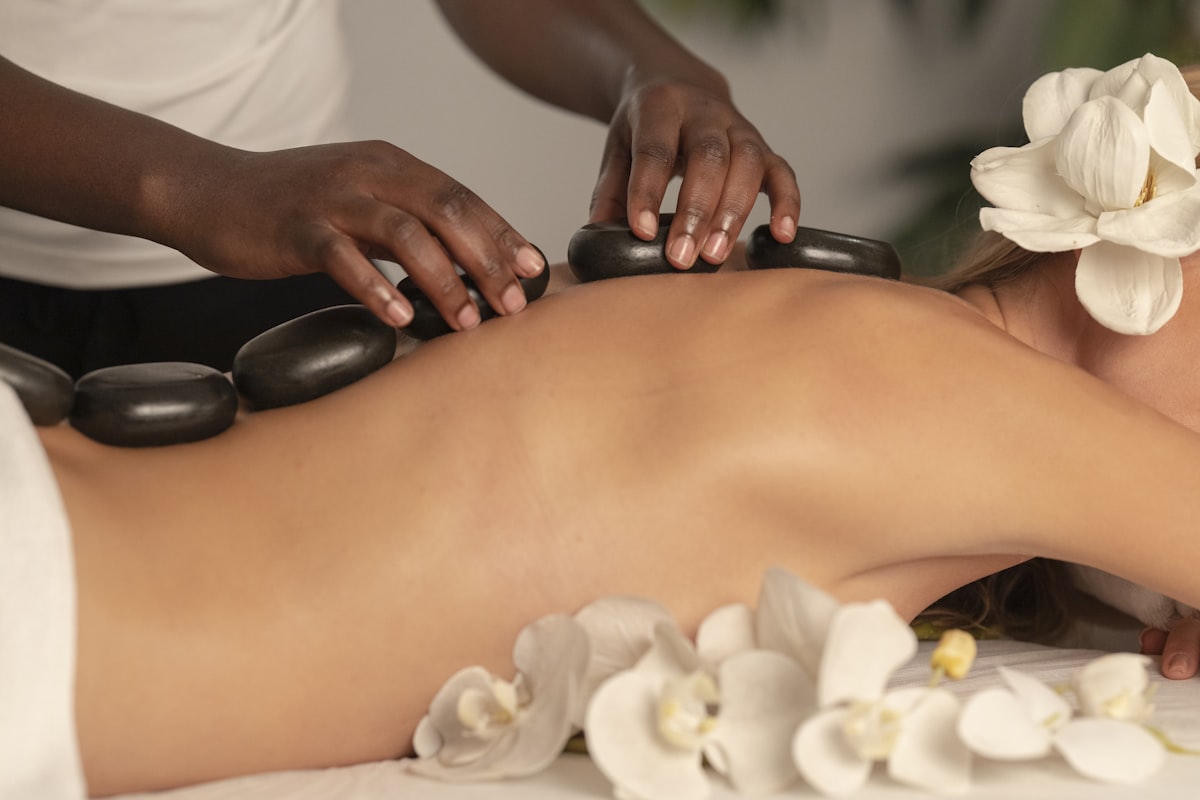
This is the boring tool that outperformed every expensive thing in the drawer, and it's the one most people skip because it looks like physical therapy homework. Therapy putty is exactly what it sounds like: a blob of silicone resistance, sold in graded firmnesses from almost-soft to genuinely stiff. The egg-shaped exerciser works the grip and the finger spread simultaneously.
Together they pull the load lever — the one that actually rebuilds the hand.
The evidence is better than most people expect. A 2017 systematic review and meta-analysis in Arthritis Research & Therapy pooled the trials on resistance training for hand osteoarthritis and found it improved grip strength and reduced hand pain. The dosing in the successful trials was gentle — low resistance, moderate repetitions, spread across the week — not the white-knuckle crush people imagine.
You're not training for a competition. You're re-feeding muscles that have been starving since the pain first showed up.
What the putty does that a fixed spring trainer can't: it starts soft enough to be usable. The grip trainer my mother-in-law abandoned was a fixed spring with one resistance, and it was too hard on day one. A graded putty set starts where you are. Squeeze slowly, release slowly, spread the fingers against light resistance — two minutes, a few times a day, always short of sharp pain.
When the softest putty feels trivial, move up. That's progressive loading, and it's the entire secret.
The change over six weeks was subtle but real: the first grip of the morning arrived sooner, the paring knife stopped being a two-handed job, and — the detail I noticed most — she stopped handing me the jar. Not because her thumb was fixed, but because it was strong enough again to try. That's the load lever doing what heat and compression alone never will: it gives the hand back its work.
- Frequency beats intensity. Two minutes of putty, three or four times a day, spreads the load in a way the joint tolerates and the muscles respond to.
- Start softer than you think you need. If the first squeeze is a strain, the resistance is too high. Progressive loading only works if you can actually complete the movement.
"The sinews are nourished by use. A hand that is never asked to grip forgets how; a hand that grips a little, daily, remembers."
Compression Gloves — Useful, but Only If You Know What They're For
Compression gloves are the most misunderstood tool in the hand arthritis category, and my mother-in-law's pair — good ones, buried at the back of the drawer — is proof of it. She'd been told they'd "help her arthritis," worn them for two hours once, felt nothing, and never put them on again. The problem wasn't the gloves. It was the expectation.
What compression gloves actually do is two things, both modest. They trap a thin layer of body heat against the joint, which is a gentle, passive version of the heat lever. And they give the nervous system a steady stream of sensory input about where the hand is in space — proprioception — which reduces the protective muscle guarding that makes a stiff hand even stiffer.
A joint that feels supported relaxes; a relaxed hand moves better. That's the whole mechanism.
What they don't do is fix the joint, slow the disease, or reduce pain through some compression-therapy magic. There's no strong trial showing compression gloves change the underlying osteoarthritis. What they are is a bridge: wear them through the stiff morning window, while the hand is warming up, and they make that window shorter and easier.
The open-finger design is the right call, because it keeps the fingertips free for the actual tasks — cooking, buttoning, typing — which is the point. A glove that covers the fingertips is a glove you'll take off in frustration.
The rules that make them work: snug but never tight — no deep red marks after an hour, no tingling; wear them for the stiff first hour or two of the day, not all day; and skip them entirely on a hot, swollen hand. A glove on an inflamed joint is a compress, not a comfort.
For the right hand, at the right time of day, they earn their place on the counter. They just won't do the job alone — they're the third tool in the stack, after heat and movement, not the first.
- Wear them for the stiff morning window, not all day. An hour or two, then off — the glove bridges you into movement, it doesn't replace it.
- Snug, never tight. Deep red marks after an hour or any tingling means size up or skip them. A tourniquet does more harm than a glove does good.
The Thumb Splint — a Night Tool, Not a Lifestyle
The rigid thumb splint is a genuinely useful device that gets misused more than almost anything else in the category. My mother-in-law's rheumatologist recommended one years ago, and she wore it all day for two weeks — then threw it in the drawer because her hand felt weaker and stiffer than before. The splint was doing its job. She was using it wrong.
The splint's job is to immobilize the carpometacarpal joint — the base of the thumb, the joint that takes the pinch force of every grip. When that joint is flaring, or when the thumb aches at night, holding it still in a neutral position removes the load and lets the irritation settle. That's a real, evidence-adjacent use, and a lot of hand therapists recommend exactly this.
But a splint worn all day is a hand being starved. The same joint that needs rest during a flare needs load the rest of the time — that's the movement lever, and a splint cancels it. Wear the splint at night to keep the thumb from curling into an aching position while you sleep. Wear it for a few hours during a bad flare. Then take it off and let the thumb do its work, warmed and gradual.
What to look for: a rigid or semi-rigid splint that holds the thumb in a comfortable, neutral position, not cranked into full extension; breathable fabric; and a fit that doesn't dig into the web of the thumb. The cheap one-size wraps are fine for a flare and useless for structure. If the thumb pain is constant rather than task-triggered, that's a signal to see someone who can image the joint, not to splint harder.
Used right, the splint stays. It just stays in the drawer most of the time — which is, counterintuitively, exactly what it's for.
- Night and flare use only. The splint immobilizes; a joint needs immobilization only when it's irritated, and load the rest of the time.
- Constant, unrelenting thumb pain that isn't tied to a task is a doctor question, not a splint question. The splint treats flare and rest, not a structural problem that needs imaging.
"The wise physician knows when to hold still and when to move. A joint at rest heals; a joint always at rest forgets its own strength."
Acupressure Rings, the Spring Grip Trainer, and the Copper Bracelet — What Went Back in the Drawer
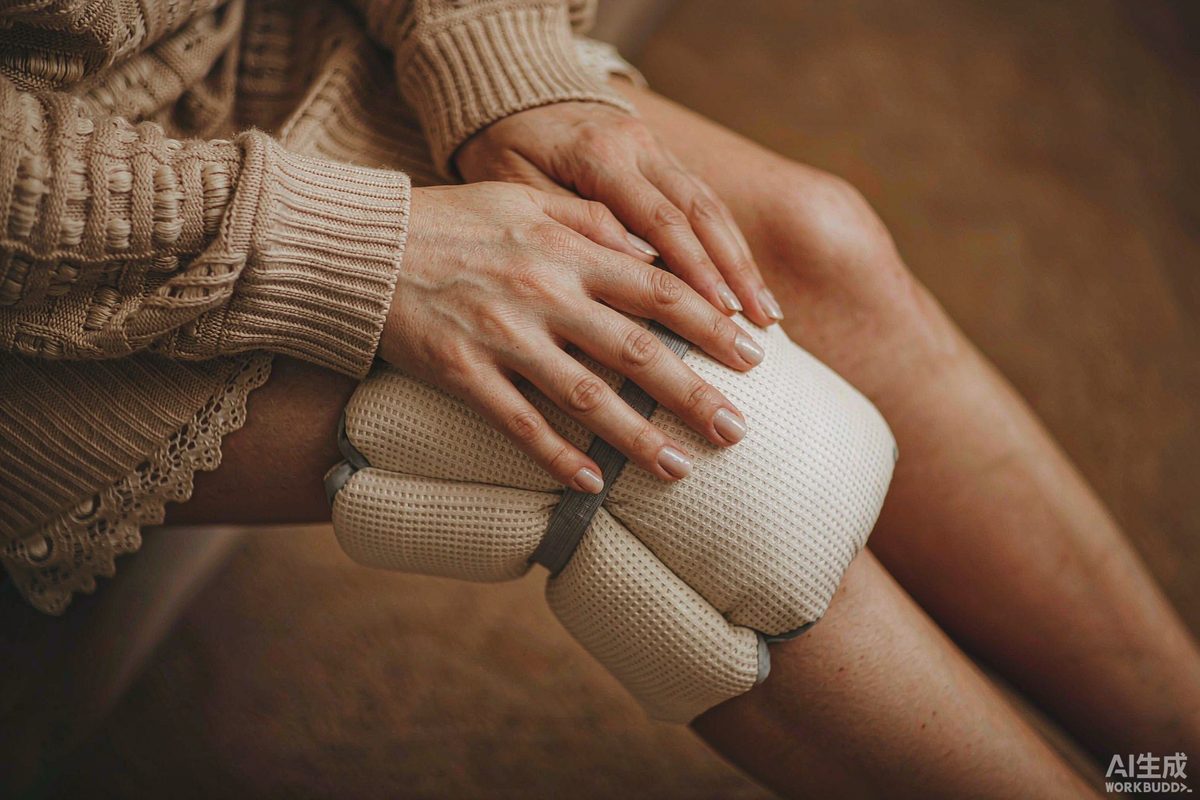
Three tools failed the six-week test, and they failed for reasons worth naming, because each one looks reasonable on the product page.
The acupressure finger rings — small spiked coils you roll up and down each finger — were the hardest to score. There's a genuine TCM logic to them: the fingers are the terminal points of several channels, and rolling a ring stimulates those points. The sensation is pleasant, almost meditative.
But for hand osteoarthritis specifically, I couldn't find a measurable effect on stiffness, grip, or pain in six weeks of daily use. They may do something for circulation and relaxation — I'd believe it — but nothing I could point to on the tasks that matter. They're a maybe, and a maybe doesn't earn a counter spot at forty dollars.
The spring grip trainer failed for the reason most of them fail: one fixed resistance, set too high. A hand with thumb arthritis and weak intrinsics can't close a stiff spring once, let alone for the reps that would build strength. It's the wrong tool for a weak hand, full stop. Progressive putty does the same job starting where the hand actually is.
If you already have decent grip and want to maintain it, a spring trainer is fine. For a hand that's lost its strength, it's a test you can't pass.
The copper bracelet needs the least commentary. Decades of studies, no consistent benefit beyond placebo, and a green wrist to show for it. If wearing one genuinely helps you — and placebo relief is still relief — then fine, but don't pay arthritis-jewelry prices for it. The same twenty dollars buys a therapy putty set that actually loads the joint.
What binds all three failures: none of them pulled a lever the hand was missing. The rings and the bracelet pulled nothing measurable. The spring trainer pulled the load lever at a resistance the hand couldn't reach. The keepers — paraffin, putty, gloves, and the splint in its proper place — each pull a lever, at a dose the hand can actually use.
- A spring grip trainer with one stiff resistance is the most common purchase mistake. If you can't close it once, it isn't training — it's decoration. Start with graded putty instead.
- If a copper bracelet or magnet seems to help, the relief is real even if the mechanism is placebo — but there are cheaper ways to buy a placebo, and cheaper tools that actually load the joint.
"A tool applied to the wrong pattern is not neutral — it is a distraction from the tool that would have worked. Discernment in what not to buy is the mark of experience."
The Forty-Dollar Hand Kit — What to Buy, in What Order
If you've got forty dollars and hands that are stiff at 7 a.m., here's the buying sequence I'd hand you, ordered by what produces the most benefit for the most people with the most common pattern — cold, stiff, and a little weak.
First purchase: the paraffin bath. Thirty-five to sixty dollars, and it's the one tool with a clinical trial directly behind it. Fifteen minutes first thing, before anything else. This alone softens the morning for a majority of people with hand osteoarthritis, and it's the tool my mother-in-law now reaches for without being told.
Second purchase: a therapy putty set, three resistance levels, plus an egg exerciser. Ten to twenty-five dollars. Add this once heat is a habit, and do two minutes, a few times a day. This is the load lever — the one that actually rebuilds grip — and it's the highest-return addition in the whole kit. Most people skip it. Don't.
Third purchase: compression gloves. Ten to twenty dollars. Add these if the hands are worst in the first hour and you want a bridge into the day's movement. Morning use only, snug but not tight. They're the least essential of the four, but for the right hand they make the stiff window measurably shorter.
Fourth, and only if the thumb specifically is the problem: a rigid thumb splint, worn at night and during flares. Fifteen to thirty dollars. This is a targeted tool for the carpometacarpal joint, not a general hand tool, and it's the thing I'd add last — and take off as soon as the flare passes.
What I would not buy: the copper bracelet, the fixed spring grip trainer, the acupressure rings, anything promising to "regenerate cartilage," and any cream claiming to rebuild a joint through the skin. Cartilage in an adult joint does not regenerate because a product asks it to. The tools that work are the boring ones — heat, graded resistance, light compression, and targeted rest.
They cost less than the exciting ones, they do more, and they're the four that earned their place on a real kitchen counter, doing real work, every single morning.
- Buy in sequence, not all at once. Paraffin first for two weeks, then putty, then gloves, then the splint if the thumb needs it. Adding everything at once is how drawers fill up and nothing gets used.
- The cheapest tool in the kit is warm water at the sink, twice a day. If that alone shortens your morning stiffness, you've already found the core of the answer — everything else is refinement.
"The Dao of hand care is warmth, movement, and patience. The hundred instruments serve these three, not the reverse. Choose the simplest tool that works, and use it daily."